Best Ceiling Speakers for Music 2026: Buying Guide
Disclosure: We may earn a commission when you buy through links on this page, at no extra cost to you. As an Amazon Associate I earn from qualifying purchases. Learn more
Stereo pairs, multi room or moisture rated: how to choose the best ceiling speakers for music in any room.
Music sounds best when it fills a room evenly, and ceiling speakers can do that without stands, shelves, or visible cables. Choosing the best ceiling speakers for music means looking past the grille and judging driver size, tweeter quality, amplifier match, and how the sound spreads over the seats. A pair that suits background playlists in a kitchen is a different buy from a pair meant for critical listening in a lounge.
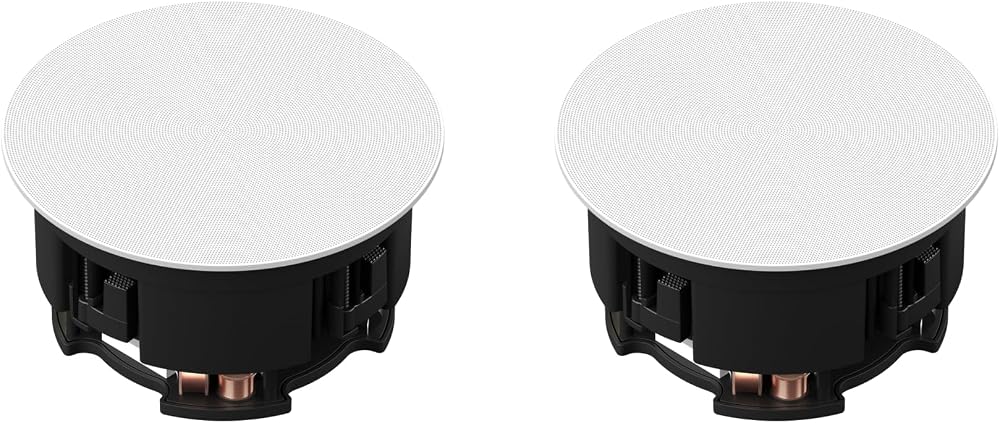
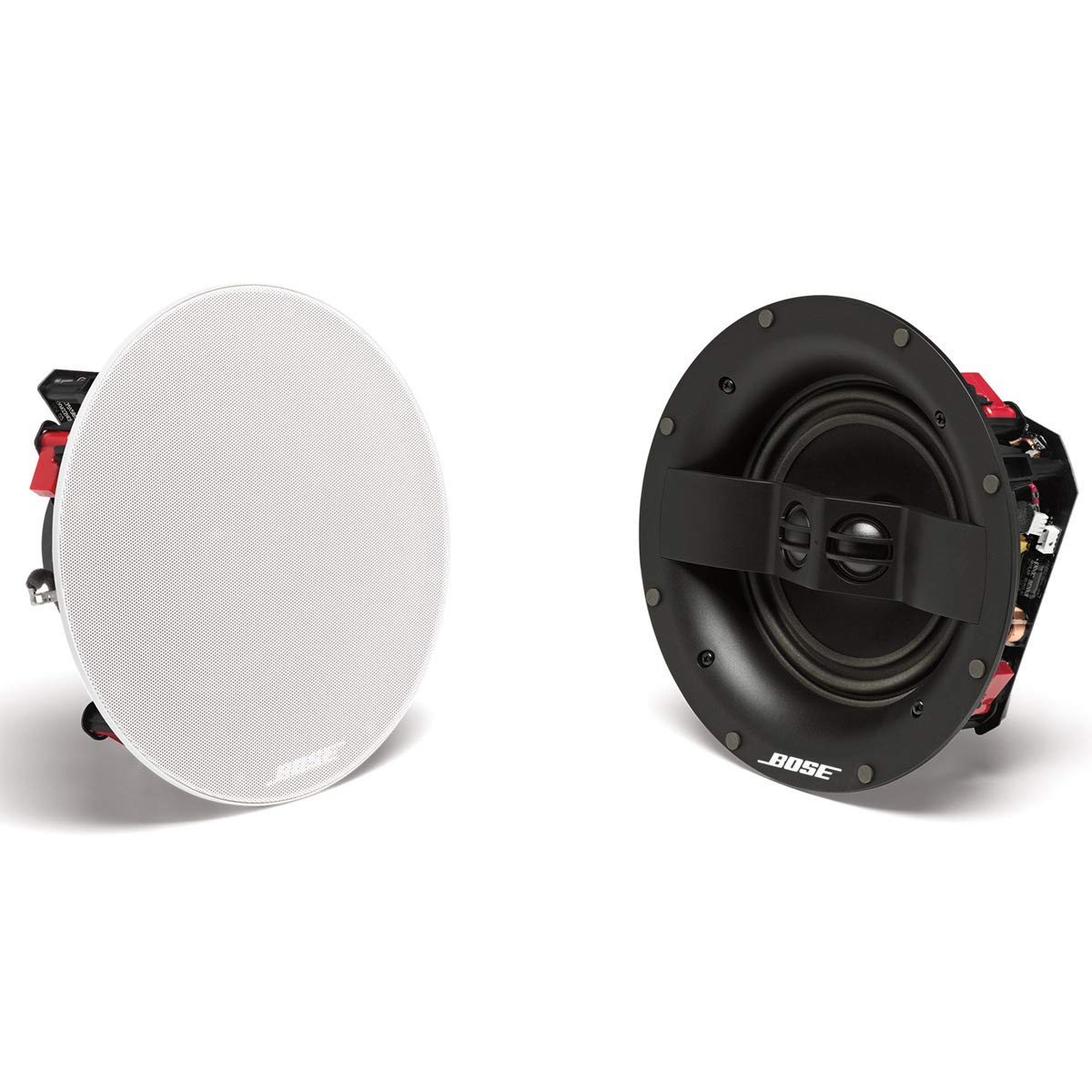
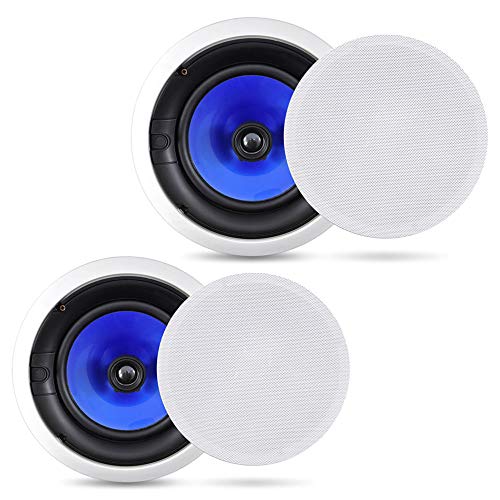
This guide sorts the main types, explains the features that change how music sounds, and shows how to place and wire a pair so the result is smooth rather than patchy. The product table above lists current options to compare.


Types of Ceiling Speakers for Music
Stereo Pairs for a Single Room
A matched left and right pair is the classic choice for a living room, bedroom, or study. Stereo gives a sense of width that a single speaker cannot, even from the ceiling. Place the pair evenly over the listening area and the music sounds balanced from most seats.
Multi Room Systems for Whole Home Audio
If you want music in several rooms, plan one pair per room fed by a multi zone amplifier or a streaming amplifier with several outputs. That keeps volume and source choices separate for each room. It costs more to wire, but it avoids the compromises of one amplifier pushing speakers across a whole floor.
Moisture Resistant Speakers for Kitchens and Bathrooms
Steam shortens the life of ordinary speakers, so rooms with showers or cooking need models with treated cones and rust resistant grilles. They suit background music rather than critical listening. Pick the rating to match the room instead of paying for protection you do not need.
High Output Speakers for Larger Open Rooms
Open plan spaces and rooms with high ceilings need bigger drivers, more speakers, or both. An 8 inch two way speaker moves more air than a 6.5 inch model, which helps music keep its body at higher volume. In a very large room, several speakers at lower level beat two turned up loud.
How to Choose the Best Ceiling Speakers for Music
Driver Size and Sound Balance
A 6.5 inch driver gives balanced sound in most rooms, while an 8 inch driver adds weight for large spaces. Look for a two way design with a separate tweeter, since it keeps voices and cymbals clear. A neutral tuning suits all kinds of music better than a bass heavy one, and a subwoofer elsewhere in the room can supply the lowest notes.
Tweeter and Coverage Angle
A pivoting tweeter lets you aim high frequencies at the seats instead of the floor, which matters when the pair sits to the side of the listening position. Wide coverage keeps the sound consistent as you move around, a useful trait for entertaining. Narrow coverage can sound sharper at one seat and dull at another.
Cutout Size and Ceiling Depth
Check the cutout diameter and the mounting depth before you buy, and compare them with a measurement of your own ceiling. Joists, pipes, and lights decide where a speaker can go, so use a stud finder and a small inspection hole. Many models include a hole template, which makes a neat cut easier.
Amplifier Match and Wiring
Passive ceiling speakers need an amplifier or receiver. Read the speaker's impedance and recommended power, and confirm your amplifier can drive the load, especially if you wire more than one pair in a zone. Use cable rated for in wall and in ceiling runs, and keep polarity consistent so the speakers stay in phase and the bass does not cancel.
Back Boxes and Enclosures
An enclosure improves bass consistency and reduces sound leaking into the floor above. For music, that tighter, more controlled sound is worth having in a multi storey home or a quiet listening room.
How Much Should You Spend?
Basic pairs cost about $60 to $120 and suit background listening. Mid range pairs, about $120 to $250, add better tweeters and sturdier frames. Premium models above that add clearer detail, aimable drivers, and better enclosures. Remember that an amplifier, cable, and installation can cost as much as the speakers.
Placement Tips for Better Music
Center a stereo pair over the listening area and space the speakers roughly as far apart as their height above the listener. Keep them away from corners, which exaggerate bass, and from recessed lights and vents. In a long room, add a second pair so the sound stays even. Listen to a familiar song at normal volume before you fix the grilles in place.
Common Mistakes to Avoid
- Placing a single speaker in a room that needs a stereo pair, which flattens the music.
- Buying powerful speakers for a small amplifier, so the volume never reaches a comfortable level.
- Cutting before checking the cavity, which can hit joists or pipes.
- Putting unrated speakers in a steamy room.
Related Guides
If you are comparing nearby options, our guide to the best ceiling speakers covers the whole category, and the best speakers for music compares all speaker types. For other uses, see the best pc speakers for music, the best alexa speakers for music, and the best portable speakers for music.
FAQ
Are ceiling speakers good for music?
Yes, for background and casual listening they work very well, and good two way models can sound excellent in a lounge. Bookshelf or floor speakers usually give fuller bass and sharper stereo imaging for critical listening.
Do I need a subwoofer with ceiling speakers?
Not always. A pair of 8 inch speakers can sound full on their own, but a subwoofer adds the lowest notes if you listen to bass heavy music. Place it on the floor, not in the ceiling.
How many ceiling speakers do I need for stereo music?
One pair is enough for a typical room. Large or long rooms benefit from a second pair so the sound stays even across the space.
Can I use ceiling speakers in a bathroom?
Yes, if they carry a moisture or humidity rating and sit away from direct spray. Unrated speakers can corrode in steam.
Do ceiling speakers need an amplifier?
Passive models do. They connect to a receiver or amplifier through speaker cable. Powered sets include a small amplifier and often Bluetooth, which makes them simple for one room.
Final Thoughts
Match the driver to the room, aim the tweeter at the seats, and pair the speakers with an amplifier that suits their load. Chosen that way, the best ceiling speakers for music fill the room evenly and stay out of sight. Compare your shortlist in the product table above, then plan wiring and placement before you cut.