Best Ceiling Mounted Bluetooth Speakers 2026: Buying Guide
Disclosure: We may earn a commission when you buy through links on this page, at no extra cost to you. As an Amazon Associate I earn from qualifying purchases. Learn more

Budget, midrange or premium: what each price tier buys when choosing the best ceiling mounted bluetooth speakers for your home.
Prices for ceiling speakers with Bluetooth built in stretch from under $100 to well past $500, and the listings rarely explain what the extra money buys. Some of it pays for real gains in sound and reliability, and some pays for features a kitchen or bathroom will never need. This guide breaks down the tiers so you can fund the best ceiling mounted bluetooth speakers for your rooms without overspending.
Glance at the product table below for the price spread, then read the tier sections to see which level matches your space and listening habits.
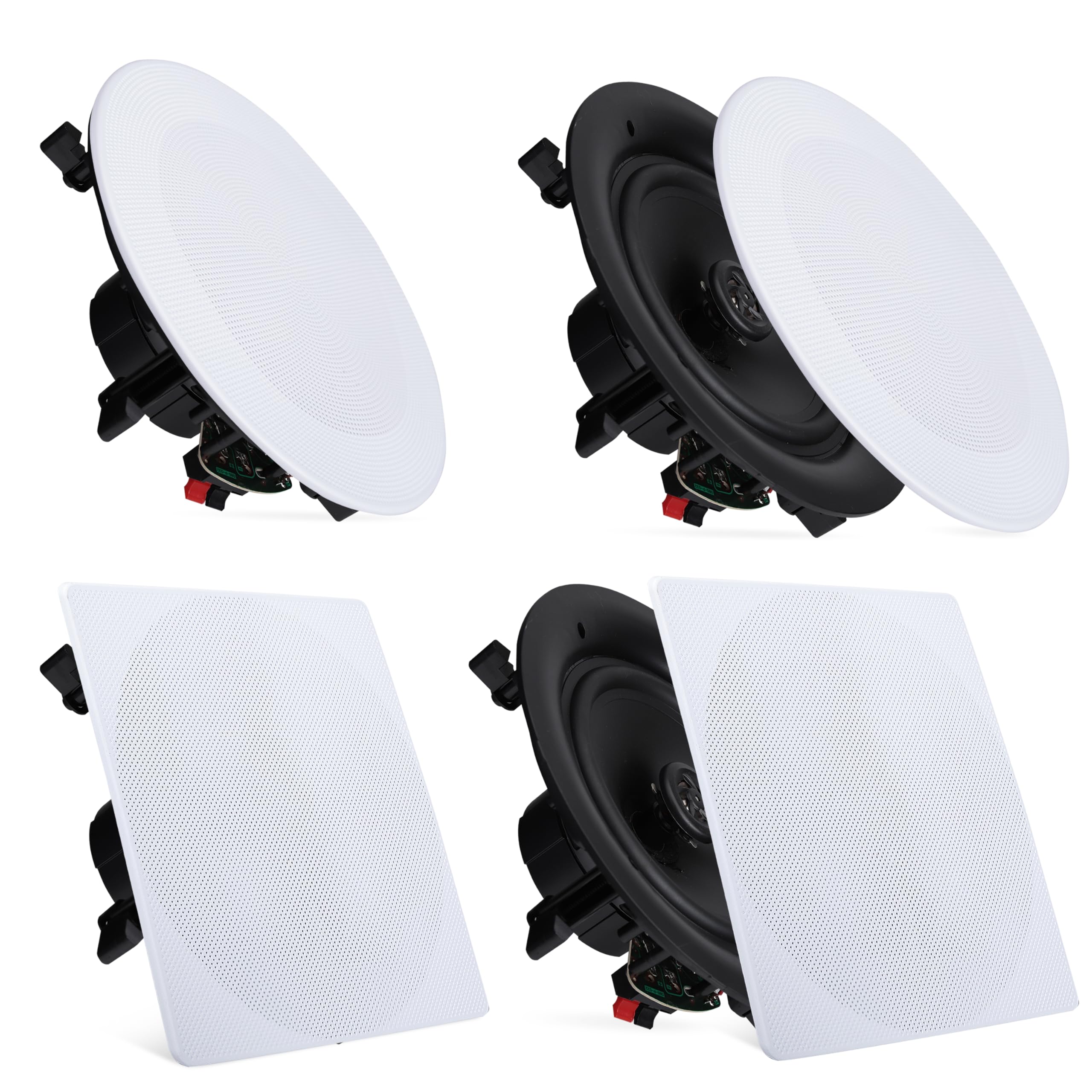
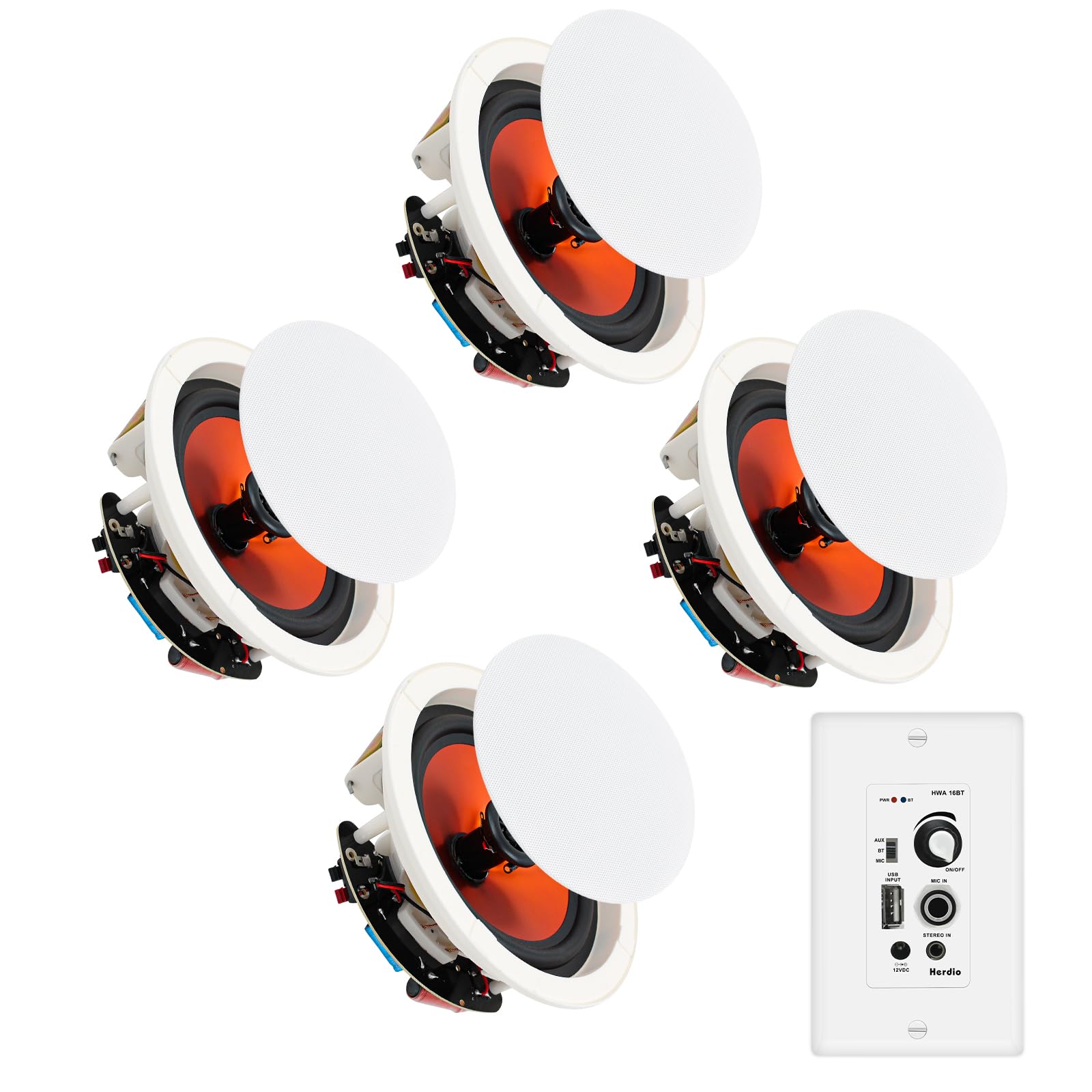


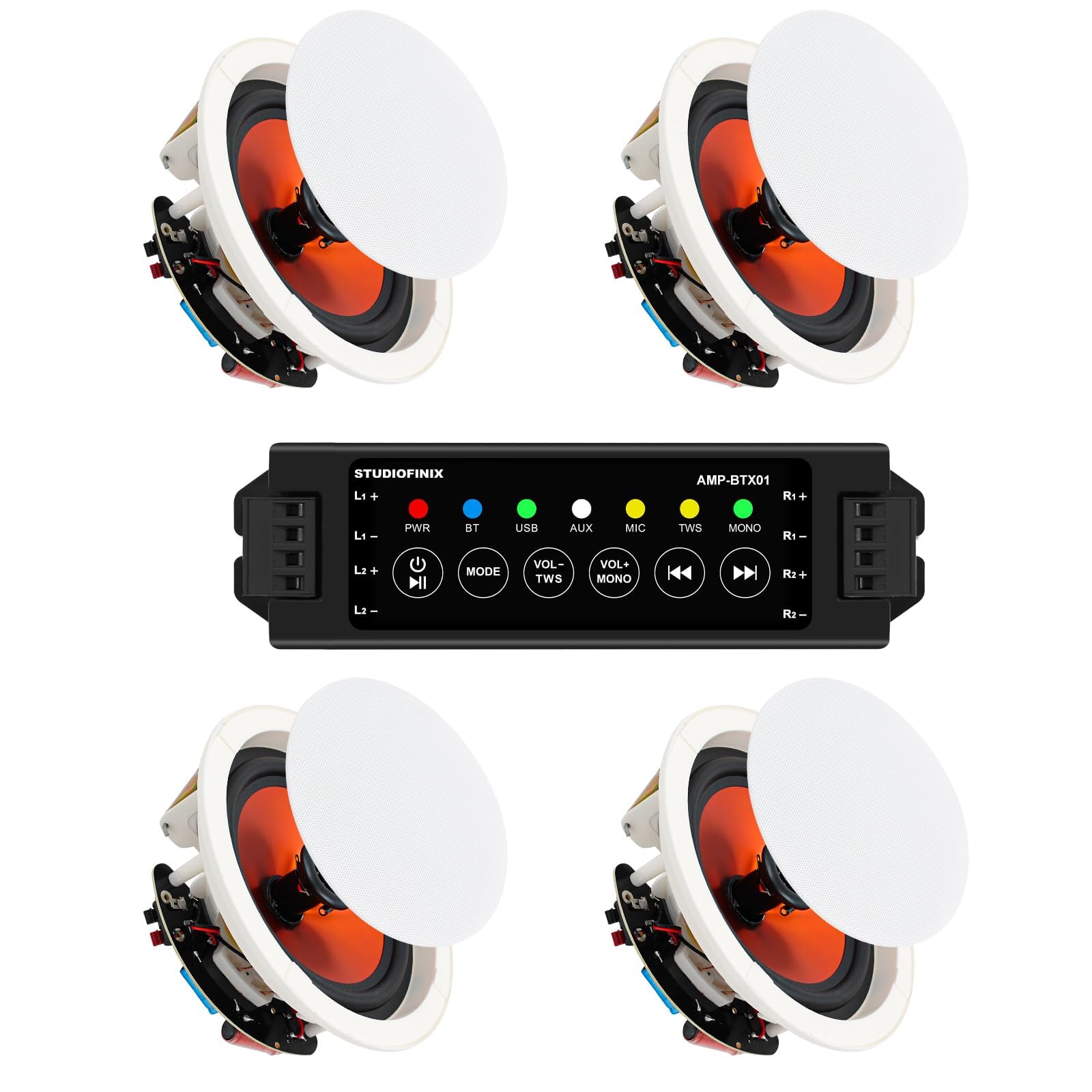
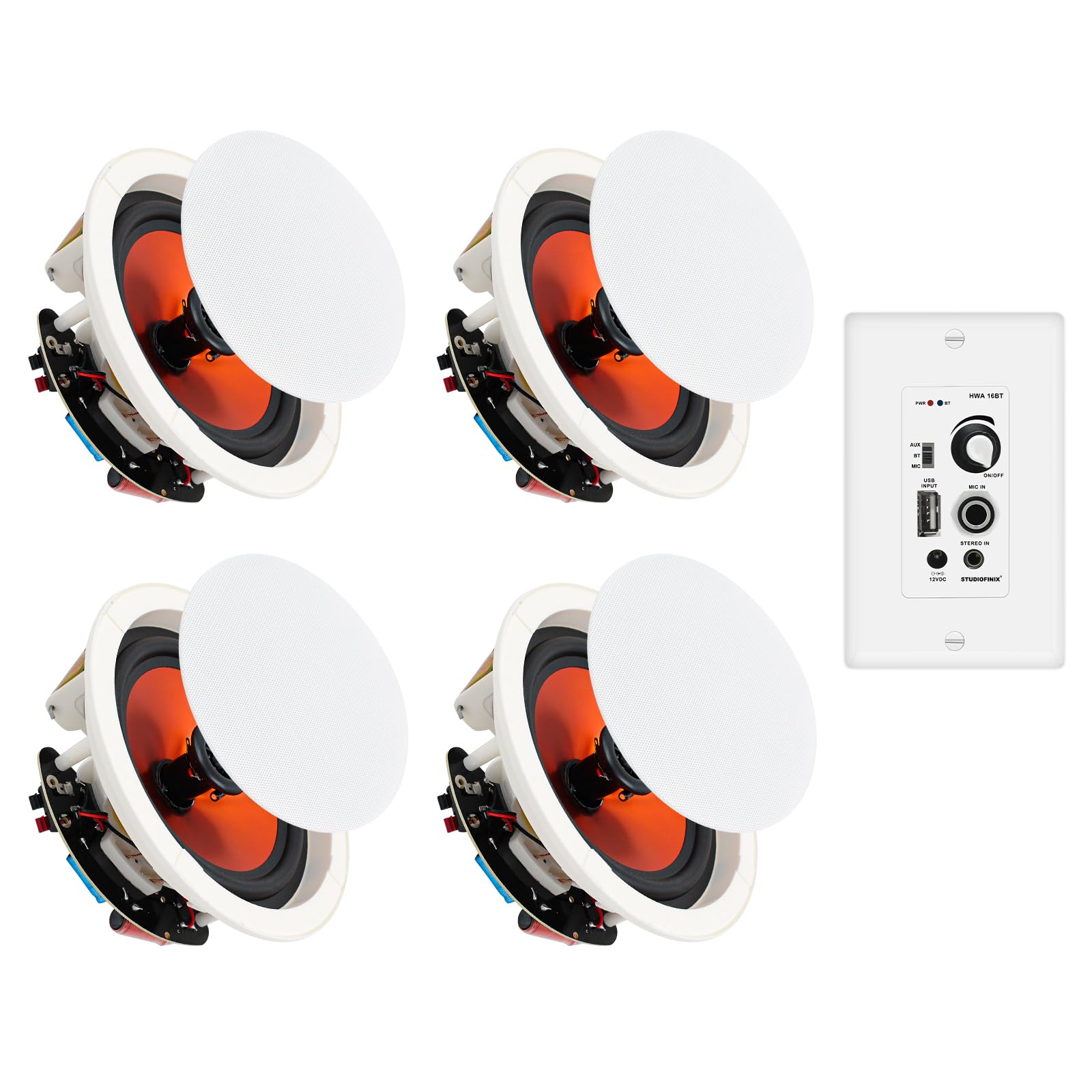

Buying Paths by Budget
This section describes what each budget path generally delivers, who it suits, and the compromise built into it. Prices below are per pair in most cases, since ceiling speakers usually work in pairs for stereo coverage.
The Budget Path
Budget ceiling Bluetooth speakers, often under about $150 a pair, cover background music in kitchens, bathrooms, and small bedrooms. You get a built in amplifier, simple pairing, and sound that stays pleasant at low to moderate volume. The compromises are thinner bass, a smaller pairing range, and basic controls. For a single small room where music plays under conversation, this path is honestly enough.
The Midrange Path
Midrange models around $150 to $350 a pair add larger drivers, cleaner sound at higher volume, and more stable connections, often with newer Bluetooth versions and better range through walls. Many allow pairing several units together for whole floor coverage from one phone. This is the sweet spot for most homes, because the gains in clarity and connection reliability are easy to hear and feel every day.
The Premium Path
Premium models above about $350 a pair spend on bigger drivers, stronger amplifiers, moisture protection, and refined tuning for larger or open plan rooms. Some add WiFi streaming alongside Bluetooth, plus app based control and room grouping. The compromise is cost and installation effort, since stronger units are heavier and need secure mounting and reliable power. Choose this path for a main living space, not a spare bathroom.
What Your Money Gets You at Each Price Tier
Budget Tier: What to Expect
Expect drivers around 5 to 6.5 inches, modest amplifier power, and a single Bluetooth connection at a time. Sound favors voices and light music over deep bass, which suits news, podcasts, and cooking playlists. Build quality is functional, with plastic housings and simple grilles. Support and spare parts can be thin at this level, so buy from sellers with a clear returns policy.
Midrange Tier: The Sweet Spot for Most Buyers
Midrange money buys 6.5 to 8 inch drivers, more amplifier headroom, and extras such as multipoint pairing, where two phones can stay connected, and the ability to link a second pair wirelessly. Moisture resistant versions for bathrooms appear at this level too. For most households, this tier delivers the clearest jump in daily satisfaction per dollar spent.
Premium Tier: When Spending More Pays Off
Premium spending pays off when the room is large, the ceiling is high, or the speakers double as television sound. You gain fuller bass without strain, wider and more even coverage, better components that resist humidity, and smarter control through apps or voice assistants. If your room is small and your listening is casual, this tier buys capability you will rarely touch, and the midrange is the wiser spend.
Features Worth Paying For and Ones to Skip
Sound Quality and Tuning
Driver size and sensible tuning are worth paying for at every tier, because they decide whether music sounds full at the low volumes ceiling speakers usually play. Frequency response claims matter less than driver quality and amplifier headroom. A slightly warm tuning suits kitchens and living rooms, while very bass heavy tuning muddies speech. Skip paying extra for extreme wattage claims, which often describe peak figures rather than honest continuous output.
Durability and Water Resistance
Water resistance is worth funding only where moisture exists. In bathrooms, steam rooms, and covered patios, sealed cones and ratings from IPX4 upward protect against splashes, and IP67 level sealing suits harsher spots. In a dry bedroom or office, that money buys nothing, so redirect it toward driver quality. Wherever you install, keep power supplies and cable joints protected, since they fail before drivers do.
Comfort, Fit, and Weight
For a ceiling speaker, fit means cut out size, mounting depth, and weight rather than anything worn on the body. Heavier premium units need secure clamps and a ceiling that can carry them, and shallow rooms between floors may rule out deep housings. Measure the cavity before ordering, and check the template twice. A lighter midrange unit that fits cleanly beats a premium unit forced into a cramped, rattling mount.
Battery Life and Charging
Nearly all ceiling Bluetooth speakers run on mains power, not batteries, because they live in a fixed mount with an amplifier inside. That means no charging routine and consistent output, but it also means installation must reach a power source, which can add electrician cost. A few designs offer a small backup battery to finish a song during an outage, a novelty not worth paying extra for. Spend on connection stability instead.
Long Term Costs to Factor In
The purchase price is only part of ownership. Installation can require an electrician for new ceiling power points, and cutting and patching ceilings adds labor if you hire help. Replacement grilles, a second pair for another room, and a streaming subscription for higher quality audio all add up over the years. Warranty length matters because removing a failed ceiling unit is a chore, so favor models with at least two years of cover and available spare parts. Energy use is small but real for always on amplifiers, another reason to check for a proper standby mode.
Software support is the quieter long term cost. App controlled models depend on the maker keeping its app updated for new phone systems, and an abandoned app can strand smart features even while Bluetooth keeps working. Before buying a premium set, check how long the brand has supported its older models and whether basic playback works without the app. That resilience protects your installation, which will likely outlive several phones.
Frequently Asked Questions
How long does the battery last?
There is effectively no battery to run down, because ceiling Bluetooth speakers are mains powered through a supply fitted above the ceiling. That design keeps volume consistent and removes charging from your routine entirely. The trade off is installation: power must reach each active speaker or pair. If you need music in a place with no ceiling power access, a portable speaker is the practical answer instead.
Wired or wireless: which sounds better?
A wired feed to an active ceiling speaker can sound marginally cleaner, but modern Bluetooth at close range sounds very good for everyday listening. Wireless wins on convenience, since your phone becomes the source and remote in one. Where ceiling speakers shine is coverage and tidiness, not audiophile fidelity. Choose based on your room and habits, and see our guide to the best bluetooth ceiling speakers for more wireless layouts.
Do I need a special codec?
No special codec is required, because standard Bluetooth audio works with every phone. Support for AAC improves quality from Apple devices, and low latency codecs help if the speakers play television sound and you notice lip sync drift. For music only, codec choice is a minor factor next to driver size and placement. Check the Bluetooth version instead, since newer versions hold connections better through walls.
What IP rating do I need for outdoor use?
For covered outdoor areas, choose moisture resistant models with splash protection around IPX4 or higher, sealed cones, and rust resistant grilles; ratings such as IP67 suit spots with wind driven spray. Full open air exposure shortens the life of almost any ceiling speaker, so mount under cover. For outdoor specific layouts, see our guide to the best outdoor bluetooth ceiling speakers and their placement rules.
Can ceiling Bluetooth speakers go in a kitchen or bathroom?
Yes, if the model carries a moisture or humidity rating and you keep it away from direct spray. Steam and cooking grease shorten the life of unrated speakers, so check the listing first. Enough volume headroom to rise above a range hood or a shower fan matters more here than a long feature list. For other mounting positions, see our guide to the best wall mounted bluetooth speakers.
Wrapping Up
Pick the tier by room size and listening habits, then spend inside that tier on driver quality, connection stability, and moisture protection only where the room needs it. Compare your shortlist in the product table above, keeping an eye on installed cost as well as shelf price. Chosen that way, the best ceiling mounted bluetooth speakers deliver tidy, room filling music for years, and height channel shoppers can also see our guide to the best ceiling mounted atmos speakers for theater focused setups.