Best Bathroom Bluetooth Ceiling Speakers Made Simple: A Clear Buying Guide for 2026
Disclosure: We may earn a commission when you buy through links on this page, at no extra cost to you. As an Amazon Associate I earn from qualifying purchases. Learn more

Shopping for the best bathroom bluetooth ceiling speakers? Learn moisture ratings, Bluetooth, driver size, power options, and placement basics.
Music, podcasts, and morning news sound great in a bathroom, but steam, splashes, and tile change what a good speaker needs to survive and sound clear. If this is your first ceiling speaker purchase, you are in the right place. This guide explains best bathroom bluetooth ceiling speakers in plain language, from moisture ratings to power choices, so you can use the comparison table below with confidence and skip the guesswork.
We will start with what these speakers are and how they work, then explain each key spec, the mistakes first time buyers make most often, and the basic steps for a safe first setup.
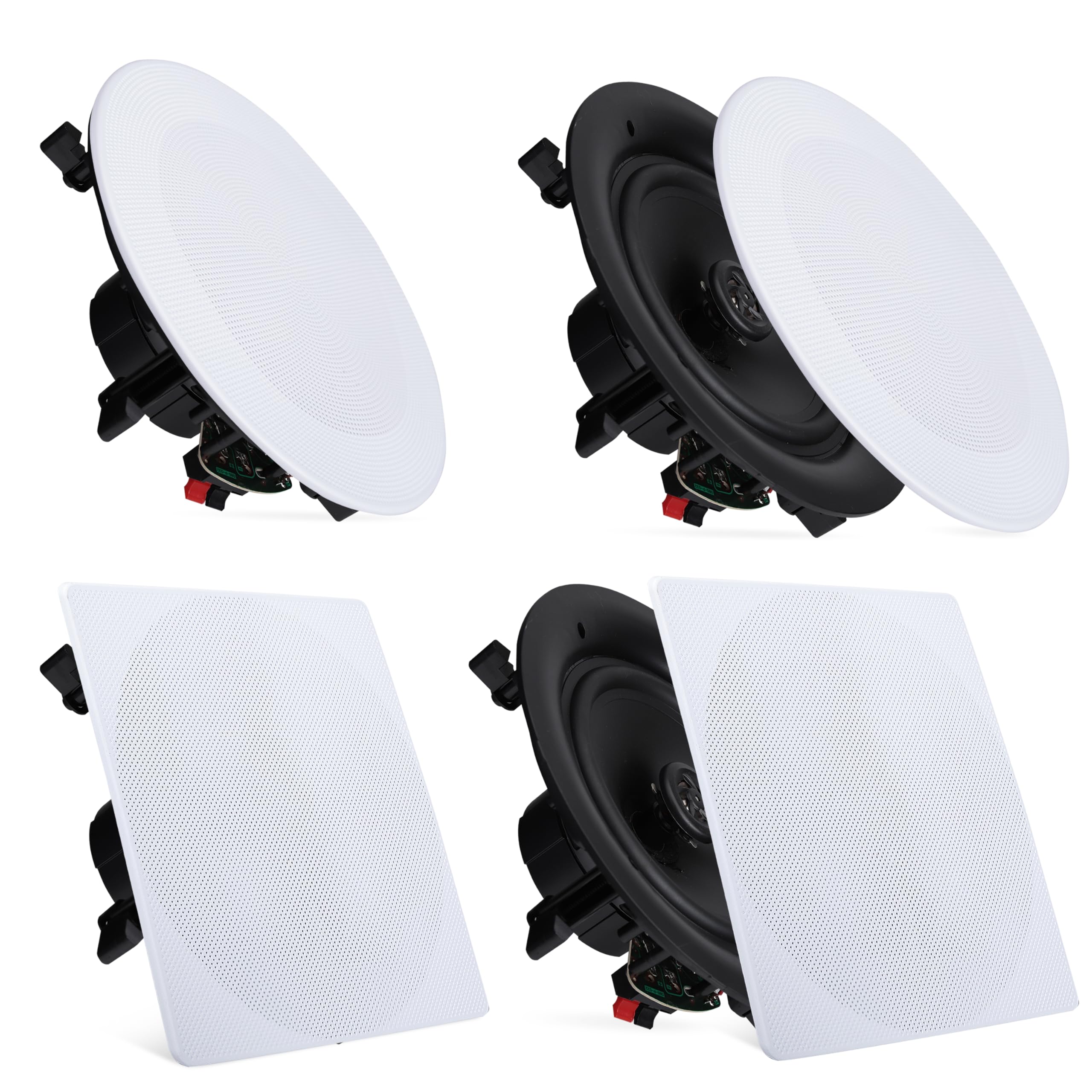
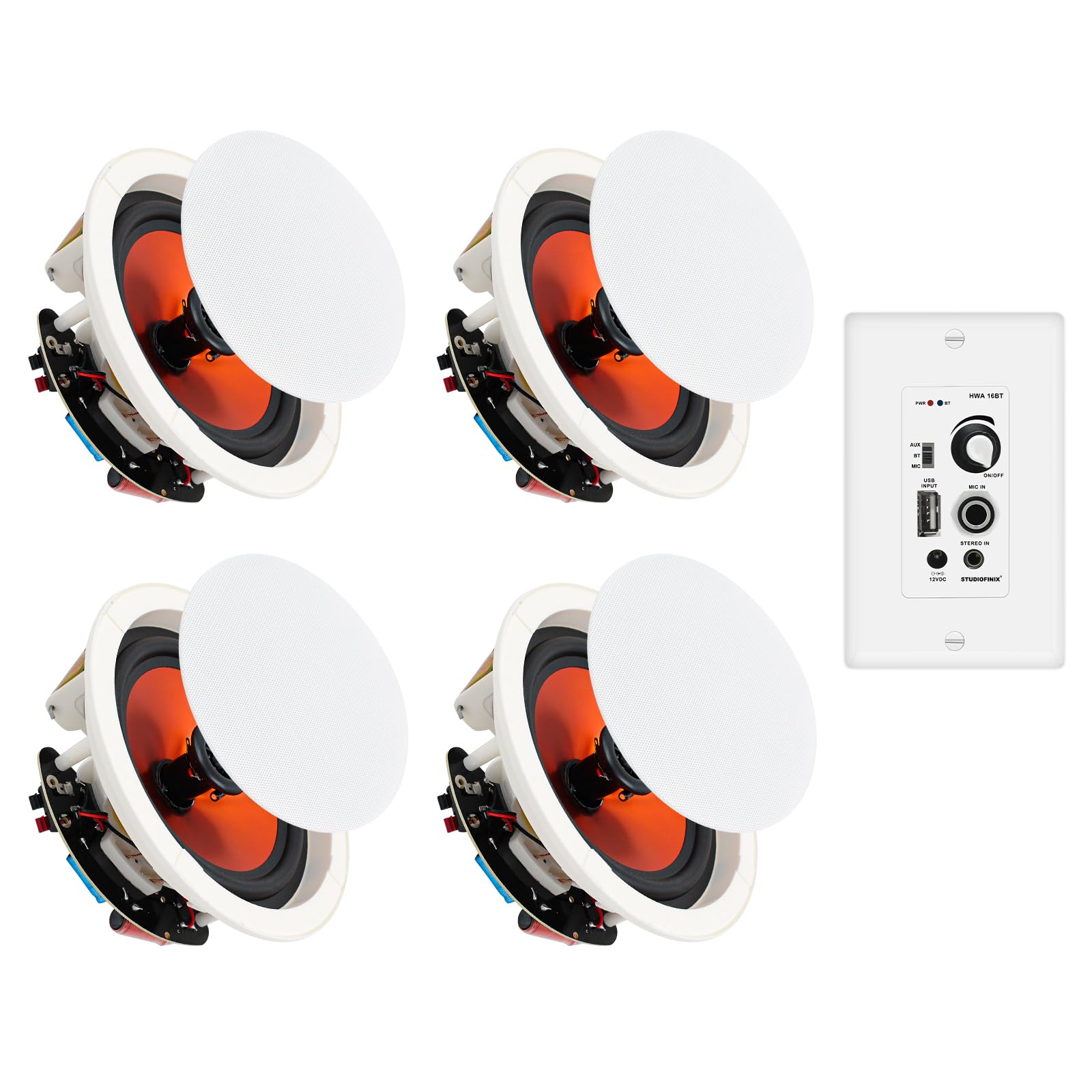


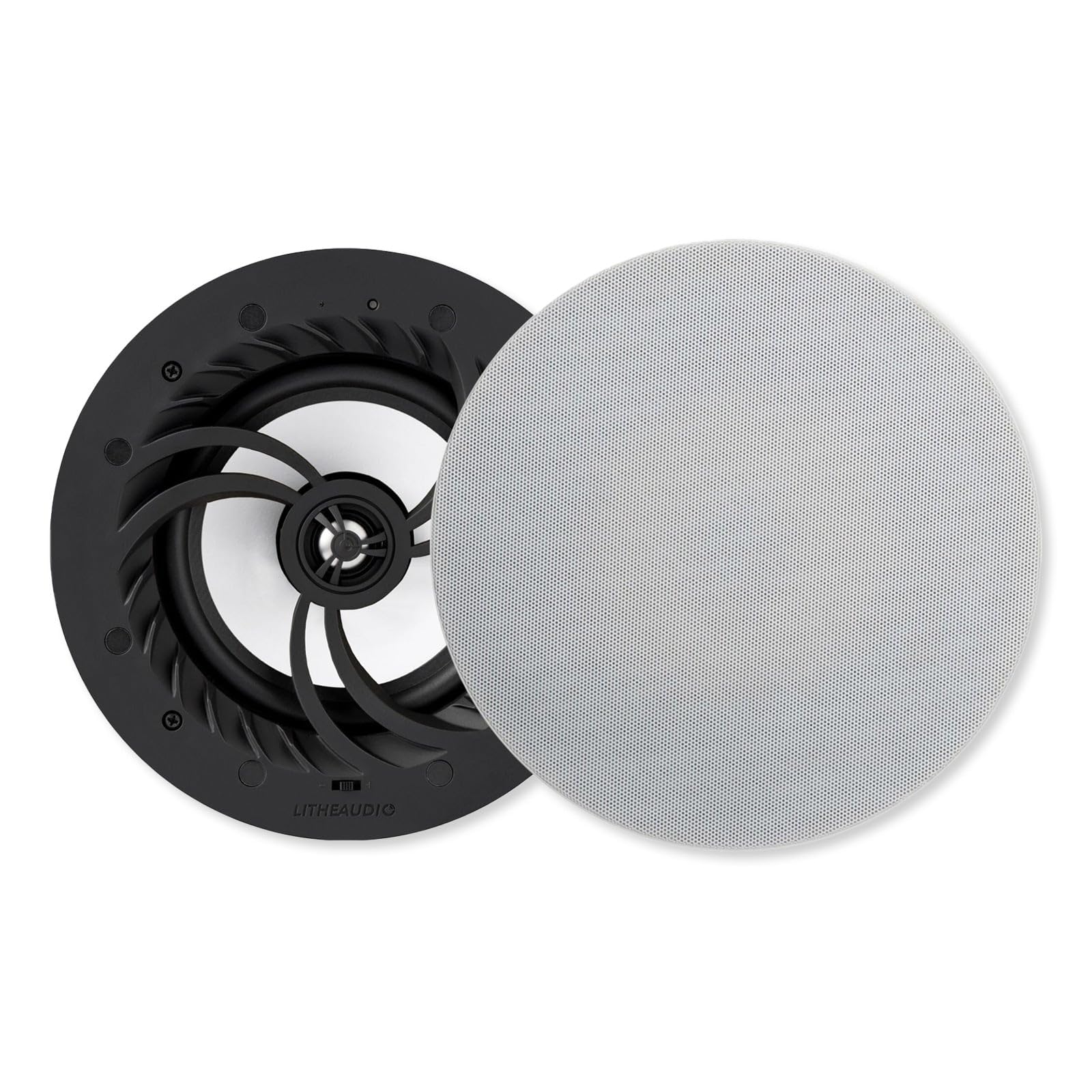
Bathroom Bluetooth Ceiling Speakers 101: The Basics
A bathroom ceiling speaker sits flush in the ceiling, so it takes no counter or shelf space and spreads sound evenly over the room. The Bluetooth part means your phone, tablet, or computer sends audio wirelessly to a receiver, which may sit inside the speaker or in a separate amplifier. Some models are powered from household wiring through that amplifier, while a smaller group uses a low voltage supply placed outside the wet zone.
Water resistance is the feature that separates a bathroom model from an ordinary ceiling speaker. Look for a stated moisture rating and a grille and cone built for humid air. Steam alone can corrode cheap metal grilles and soften paper cones over time. Placement matters too, since a speaker directly above a shower faces far more moisture than one above a vanity. If you are still deciding between formats, our broader guide to the best bluetooth ceiling speakers covers rooms beyond the bathroom.
Key Specs Explained in Plain English
Sound Quality and Tuning
Driver size shapes how full the sound feels. A driver around 5 to 6.5 inches suits most bathrooms, giving clear voices and modest bass without overwhelming a small tiled room. Tile and glass reflect sound, so a speaker that seems bass heavy in a store demo may sound harsh at home. Favor a balanced or slightly warm tuning for podcasts and playlists at low to moderate volume. Frequency response numbers matter less than even coverage, because you move around the room while listening.
Connectivity
Bluetooth 5.0 or newer gives a more stable link and better range through walls than older versions, and Bluetooth 5.3 adds further stability with modern phones. Codecs such as AAC suit Apple devices, while standard SBC works with nearly everything, so codec choice rarely decides a bathroom purchase. Multipoint, which connects two devices at once, helps couples who share a bathroom routine. Remember that the Bluetooth source usually needs to stay within about one or two rooms for a steady signal.
Placement and Room Size for Speakers
One speaker centered in a small bathroom often sounds better than two speakers crowded into a tight ceiling. Larger bathrooms, especially those with a separate tub and shower area, benefit from a stereo pair spaced evenly. Keep speakers away from direct shower spray unless the rating clearly allows that exposure, and avoid placing them right beside a metal vent or light fixture that can vibrate. For layout ideas across room types, see our guide to the best bathroom ceiling speakers and compare mounting styles.
Microphone Quality
Most ceiling speakers have no microphone at all, because they are built for playback only. A small number of smart models include voice control, which can be handy for timers and volume changes with wet hands. If hands free control matters to you, check exactly which voice assistant the model supports and where the microphone sits. If it does not matter, skip the feature and put the money toward a better driver and a stronger moisture rating instead.
Battery Life and Charging
Most ceiling speakers do not run on batteries, because a ceiling unit needs steady power and regular charging would be impractical. Instead they draw power from an amplifier or a plug in supply in a dry location. A truly battery powered ceiling model exists but is uncommon, and its run time and charging access should be stated clearly before you buy. If a listing leads with battery hours for a ceiling speaker, read carefully, since the claim may belong to a portable speaker instead. Shoppers who prefer a portable option can look at our guide to the best bluetooth speakers bathroom listeners use on counters.
One practical know how point is to test sound before the ceiling work is final. Play speech, not just music, because clear voices reveal thin tuning fastest in a tiled room. Another is to label which speaker wire goes to which unit if you install a pair, since swapping left and right channels is easy to miss once the grilles are on and the ladder is put away.
Rookie Mistakes to Avoid
- Ignoring moisture rating. A speaker built for a dry living room can corrode or fail early in daily steam.
- Cutting holes before checking the ceiling. Joists, pipes, and wiring decide where a speaker can actually go, so inspect the space first.
- Buying power you cannot install. Some models need an amplifier and speaker wire, which is a bigger project than a simple powered unit.
- Forgetting the source distance. Bluetooth through a closed door and a tiled wall is weaker than a same room test suggests.
- Placing the speaker in direct spray. Even a moisture rated unit lasts longer outside the direct path of shower water.
One more common error is judging volume by watt claims alone. Watt numbers are measured in different ways across brands, so they compare poorly. Room size, driver size, and how loud you truly listen tell you far more. A modest system played at moderate volume in a small bathroom will sound clean, while an oversized system can rattle light fixtures and annoy the next room.
Getting Started: Setup and First Use
Start by turning off power at the breaker if any household wiring is involved, and consider hiring a licensed electrician for that part, especially in a wet room. Mount the speaker or speakers in the marked cutouts, connect the amplifier in a dry spot outside the shower area, and keep every connection clear of standing water. Pair your phone, play a familiar song at low volume, and walk the room to check for dead spots or rattles before you finish the trim rings.
Keep firmware updated if your model offers an app, since updates often improve Bluetooth stability. Wipe the grille gently with a dry cloth during regular bathroom cleaning, and run the fan during showers to limit steam buildup on the cone and grille. If sound drops or crackles, test with a second phone first, because a weak source signal is a more common cause than a failed driver. For covered patio projects, the placement logic differs, as our guide to the best outdoor bluetooth ceiling speakers explains.
FAQs
What IP rating do bathroom ceiling speakers need?
For a speaker near a shower, look for at least IPX4, which covers splashes, and a higher rating such as IPX5 or more for spots closer to direct spray. A speaker above a vanity in a well ventilated room faces less risk. The rating only helps if the ceiling seal is fitted correctly, so follow the mounting guidance closely.
Is ANC worth the extra cost for bathroom ceiling speakers?
No, active noise cancelling is a headphone feature and does not apply to ceiling speakers. What helps in a bathroom is clear midrange tuning and enough volume headroom to hear voices over a fan or running water. Spend the money on moisture protection and a better driver instead of a feature the format cannot use.
Do bathroom ceiling speakers need a special codec?
No special codec is required for good bathroom listening. Standard Bluetooth audio sounds fine for playlists, radio, and podcasts in a small reflective room. AAC support is a small plus for Apple phones, but a stable connection and sensible placement matter far more than codec labels on the box.
Wired or wireless: which sounds better for ceiling speakers?
A wired link can sound slightly cleaner and never drops out, but it needs cable runs and an amplifier. Bluetooth is far simpler and sounds very good at bathroom distances. Many good systems mix both, using wire between the amplifier and speakers and Bluetooth from your phone to the amplifier, which gives stability and convenience together.
How long do bathroom ceiling speakers last?
A moisture rated ceiling speaker in a ventilated bathroom can last many years, because it has no battery to age and few moving demands beyond normal playback. Steam, direct spray, and loose mounts shorten that life. Running the exhaust fan during and after showers is the simplest habit that protects the cone, grille, and electronics over time.
The Bottom Line
Put moisture rating first, match driver size and speaker count to your room, and choose a power plan you can install safely. Those three decisions matter more than codec labels or watt claims. Compare your shortlist in the product table above, and you will land on best bathroom bluetooth ceiling speakers that sound clear every morning and hold up to daily steam. Readers planning a flush mount layout can also review our guide to the best ceiling mounted bluetooth speakers for mounting ideas.