
Best Ceiling Mounted Atmos Speakers 2026: Buying Guide
Disclosure: We may earn a commission when you buy through links on this page, at no extra cost to you. As an Amazon Associate I earn from qualifying purchases. Learn more
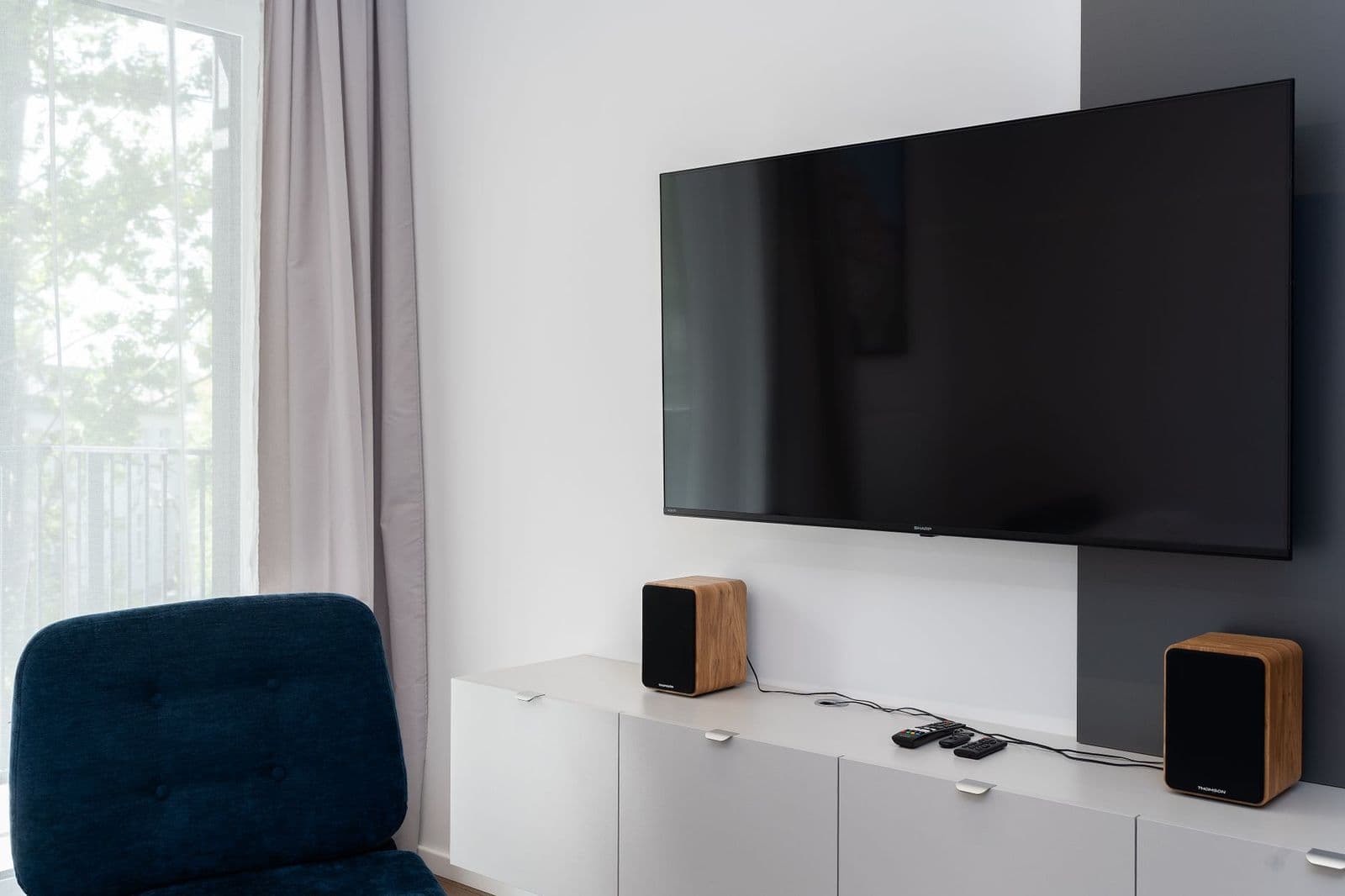
How Atmos height channels work and what to check in in-ceiling speakers: a guide to the best ceiling mounted atmos speakers.
Overhead sound is what separates a basic surround system from an Atmos setup, and ceiling mounting is the cleanest way to get it. The best ceiling mounted atmos speakers for a room are not the ones with the longest spec sheet, but the ones that fit your ceiling, your receiver, and your seating. This guide explains how Atmos height channels work, what to look for in an in-ceiling speaker, and how to plan the layout before you cut anything.
Start with one fact: how many height channels your receiver supports. That number decides how many ceiling speakers you can use, how they connect, and what the project will cost.
How Atmos Height Channels Work
Dolby Atmos adds sound objects that can move above the listener, such as rain, aircraft, or a helicopter passing over. A system describes its layout with three numbers, for example 5.1.2, where the last number is the count of overhead speakers. Two overhead speakers add a clear sense of height in most rooms, and four overhead speakers give smoother movement across a larger space.
There are three ways to deliver those overhead channels. Upward firing modules sit on top of floor speakers and bounce sound off the ceiling. Dedicated in-ceiling speakers play straight down from above. Some soundbars combine upward firing drivers with wireless rear units. In-ceiling speakers give the most direct and consistent result, which is why serious home theaters favor them.
Who Benefits From Ceiling Mounted Atmos Speakers
Dedicated Home Theaters
If the room is built around movies and games, four overhead speakers with angled drivers aimed at the main seat deliver the most convincing effect. A wired connection to a capable receiver keeps timing exact. Plan the wiring during construction or renovation, when opening the ceiling costs little.
Living Rooms Shared With Family
A living room asks for tidy results. A single pair of ceiling speakers, paintable to match the ceiling, adds overhead effects without stands or modules on the floor. Prioritize easy installation and sensitivity that suits a modest receiver, since the room is used for television as much as for film.
Renters and Frequent Movers
A permanent ceiling cut is a poor fit if you may leave in a year. In that case, upward firing modules or a soundbar with height drivers give much of the effect without construction, and our guide to the best wall mounted atmos speakers covers another route when the ceiling is off limits.
What to Look For in an In-Ceiling Speaker for Atmos
Aimable Drivers and Dispersion
An overhead speaker should spread sound over the seating area instead of blasting it straight down. Models with a pivoting tweeter or an angled baffle let you aim sound toward the listener, which matters when seats sit away from the room center. Wide dispersion keeps the effect smooth for more than one seat.
Matching Your Front Speakers
Overhead effects feel natural when their tone matches the front and surround speakers. Mixing very different brands can make sounds change character as they pan across the room. If the front speakers are in-wall or in-ceiling, a height speaker from the same family usually blends best, as in the matched approach described in our guide to the best klipsch ceiling speakers for atmos.
Size, Cutout, and Ceiling Depth
Driver sizes around 6.5 to 8 inches are common for height duty. A larger driver moves more air but needs a larger hole and more depth above the ceiling. Measure the cavity, check the joist spacing, and use the template supplied with the speaker. Keep clear of lights, vents, and beams.
Sensitivity and Impedance
Sensitivity tells you how loud a speaker plays for a given amount of power, and a higher figure suits a modest receiver in a larger room. Impedance should sit within the range your receiver supports. Checking these two numbers first prevents the common disappointment of a speaker that plays too quietly or strains the amplifier.
Moisture Resistance
Most Atmos ceiling speakers live in dry living rooms and need no special sealing. If the theater shares space with a kitchen, bathroom, or pool area, choose a model with a moisture rating, and keep connections protected. Match the rating to the room instead of paying for outdoor toughness you will never use.
Planning the Layout and Installation
Place two overhead speakers slightly ahead of or directly over the main seating row, and add a second pair behind the seats for a four speaker layout. Spacing the pairs evenly keeps movement smooth from front to back. Use a stud finder and a small inspection hole to confirm each cavity is clear before cutting.
Run in-wall rated cable, label both ends, and leave gentle slack for future service. Switch off power before any work near mains wiring. If joists, insulation, or fire rated ceilings make the job unclear, ask a qualified installer. Afterward, run your receiver's room calibration with the microphone at ear height at the main seat, in a quiet room, so each height channel is set for distance and level.
Common Mistakes to Avoid
- Buying ceiling speakers before checking how many height channels the receiver supports.
- Skipping placement checks, then finding a joist, light fitting, or vent exactly where a speaker must go.
- Choosing speakers too large for a shallow cavity, or too small to fill a big room at movie volume.
- Mixing tones carelessly, so overhead effects sound different from the main speakers.
- Forgetting that streaming plans and discs must actually carry an Atmos soundtrack.
Frequently Asked Questions
How many ceiling speakers do I need for Dolby Atmos?
Two overhead speakers are the usual starting point, and four overhead speakers suit larger rooms and dedicated theaters. Your receiver must support the matching number of height channels.
Do I need a special receiver?
Yes, you need a receiver that decodes Dolby Atmos and offers enough amplifier channels for the layout. The ceiling speakers themselves are passive in most systems and simply play what the receiver sends.
Are in-ceiling speakers better than upward firing modules?
In-ceiling speakers play directly from above and do not depend on the ceiling surface, so the effect is usually more consistent. Upward firing modules are easier to install and suit rooms where cutting is not an option.
Can I use ordinary ceiling speakers for Atmos height channels?
Many in-ceiling speakers can serve as height speakers, but aimable models and ones that match your front speakers tend to blend better. Check the maker's guidance for the model you are considering.
Do ceiling Atmos speakers need a battery or charging?
No. Passive models draw power from the receiver over speaker cable, so nothing needs charging before a movie. Your planning task is cable access during installation.
Wired or wireless: which is better for height channels?
Wired is better, because the receiver sends each height channel down its own cable with no delay. Wireless height solutions add cost, power needs, and sync risk. For wireless music in other rooms, see our guide to the best ceiling mounted bluetooth speakers.
The Bottom Line
Match the speaker count to your receiver, aim the drivers at your seats, and size the speakers to your ceiling cavity, and the rest falls into place. For a wider look at the category, our guide to the best ceiling speakers atmos and the best dolby atmos ceiling speakers cover related layouts. The best ceiling mounted atmos speakers for your home will be the ones that fit your routine as neatly as they fit your ceiling.


