
Best Ceiling Light for Laundry Room 2026: Buying Guide
Disclosure: We may earn a commission when you buy through links on this page, at no extra cost to you. As an Amazon Associate I earn from qualifying purchases. Learn more

Neutral 4000K light, strong output and a damp rating: how to choose the best ceiling light for laundry room ceilings.
A laundry room asks more of a ceiling light than most rooms do. You sort darks from lights, check collars for stains, read care labels in small print, and fold clothes that should look the same color they did when you bought them. A dim or yellow fixture makes all of that guesswork. Choosing the best ceiling light for laundry room use means finding bright, even light that shows colors honestly and holds up in a warm, damp space.
This guide compares the main fixture types by brightness, color temperature, style and finish, and how each one installs. Use the product table below to see how the types differ, then match one to your room, ceiling height, and budget.


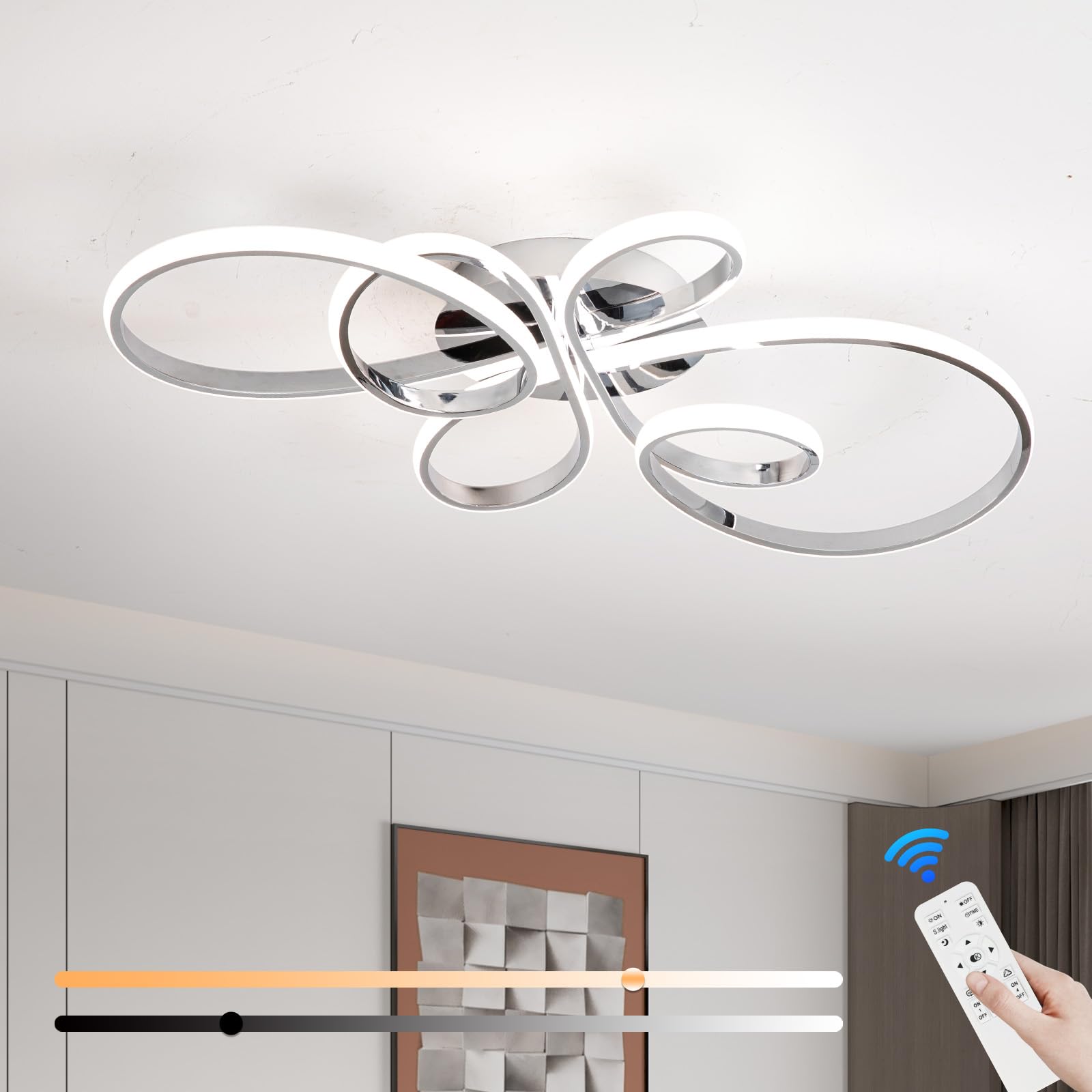

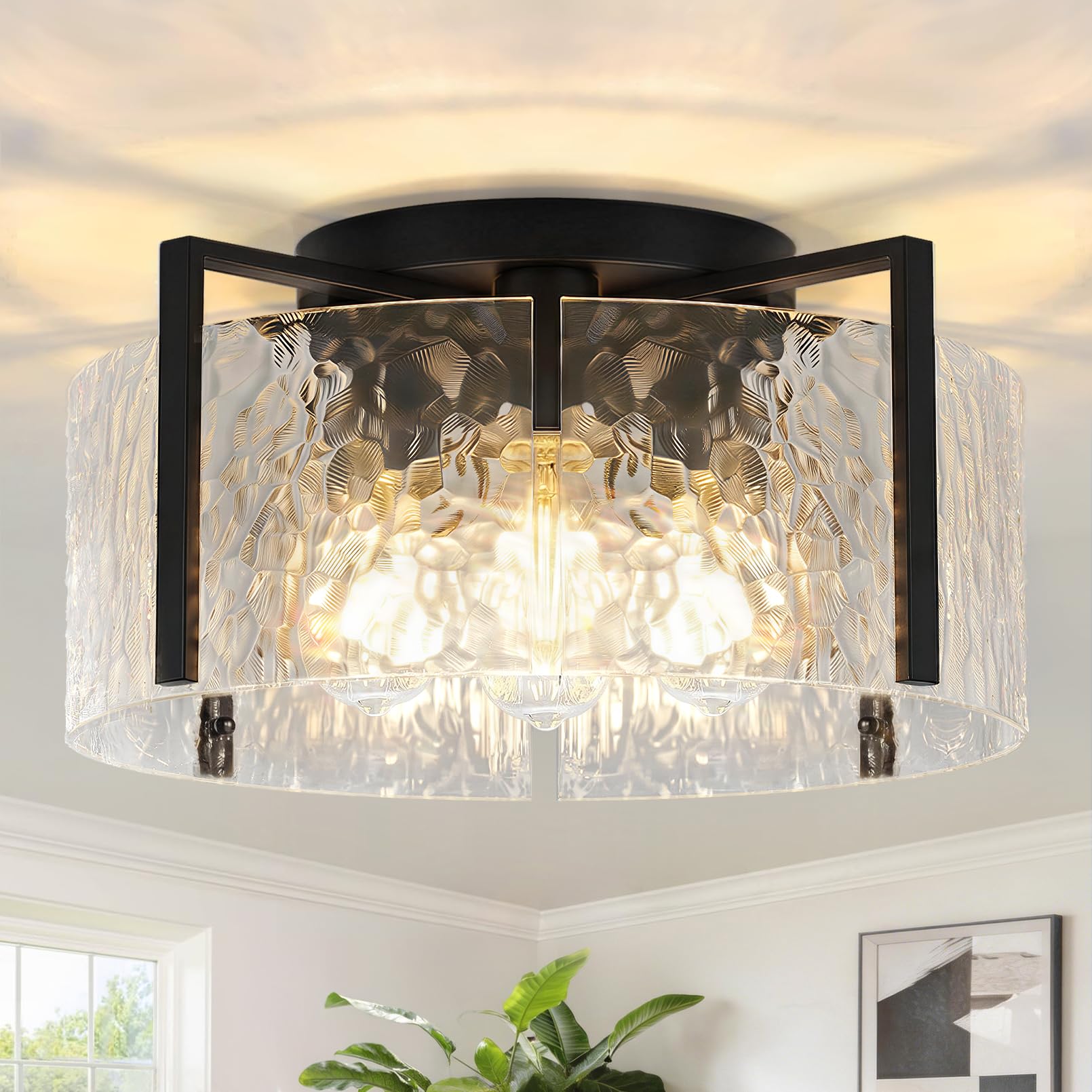


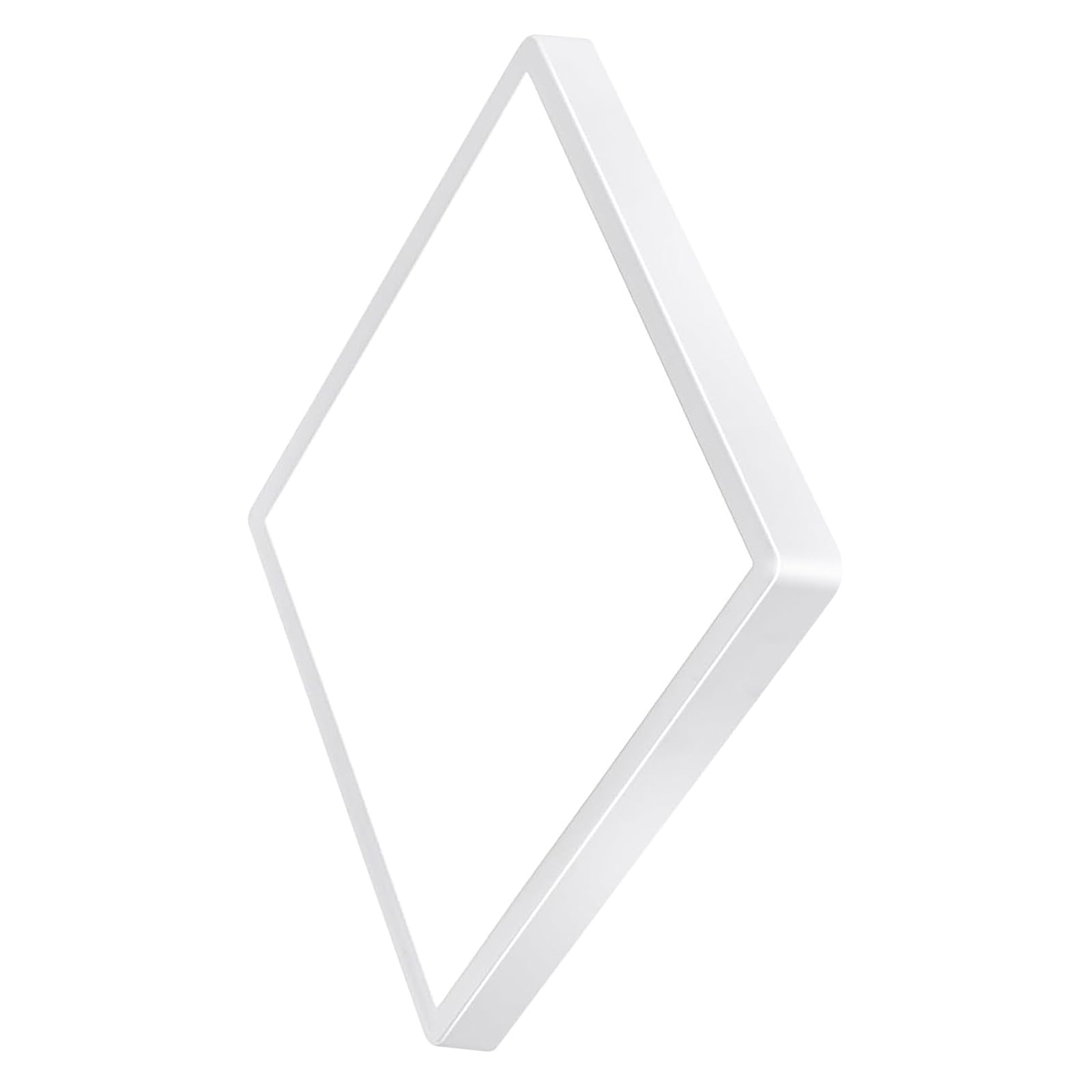

Ceiling Light Types Compared at a Glance
A flush mount fixture sits tight against the ceiling and suits low ceilings and small rooms. It spreads light from a wide diffuser, leaves full headroom, and has no gap where dust and lint can collect on top. For most laundry rooms, this is the default choice and the easiest swap for an older dome fixture.
A semi flush mount fixture hangs a few inches below the ceiling on a short stem. That drop lets light bounce off the ceiling as well as shine down, which softens shadows in a larger room. It needs more ceiling height and gives a more decorative look, which helps if your laundry room doubles as a mudroom or entry.
The third type pairs a flush mount body with built in LED panels and, on some models, a motion sensor. Light comes on when you walk in carrying a basket with both hands, and it turns off after you leave. The trade off is that when the LED panel ends its life, you replace the whole fixture rather than a bulb.
How the Options Were Compared
The types above were compared on five factors. Brightness and color temperature come first, since they control whether you can spot a stain and tell navy from black. Style and finish matter because the fixture should suit the room and resist moisture. Installation, energy use, and value round out the comparison, using maker specifications and common buyer feedback. Any fixture you shortlist should carry a safety listing from a recognized certification body such as UL or ETL, and it should be rated for damp locations, since steam from hot washes and dryers will find any weakness in a fixture built only for dry rooms.
How to Choose the Right Ceiling Light for Your Laundry Room
Type
Start with ceiling height. With a ceiling under eight feet, stay with flush mount so tall family members and raised washer lids clear the fixture easily. Between eight and nine feet, either mount works. Above nine feet, a semi flush mount brings light closer to your work surfaces. If you are undecided, our guide to flush vs semi flush mount walks through the differences. Also consider the source: replaceable bulbs let you change brightness later, while integrated LED fixtures are thinner and sealed against lint, but the whole unit is replaced at the end of its life.
Features Worth Paying For
A motion sensor is the feature laundry room owners praise most, because you often enter with your hands full and leave the same way. Choose one with an adjustable timer so the light does not cut out while you stand still loading the washer. Color temperature selection is also useful, since a small switch on the housing lets you pick the light color at install time. Skip remote controls, night light modes, and color changing settings, which add cost without helping you sort or fold. Put money toward output, a good diffuser, and a damp location rating instead.
Lumens and Color Temperature
Brightness is measured in lumens, and a laundry room needs more than a hallway. A small room of about 50 square feet does well with about 1500 to 2000 lumens. A mid size room near 100 square feet usually needs about 2500 to 3500 lumens, and large rooms may need two fixtures to reach that total without one harsh bright spot. Color temperature, measured in Kelvin, controls whether whites look crisp or creamy. Around 3000 Kelvin looks warm and can hide yellowing on fabrics. Light at 4000 Kelvin is neutral and shows colors close to daylight, which suits sorting and stain checks. At 5000 Kelvin the light is cooler and very crisp, but some people find it stark in a small room. For more on LED output, see our guide to the best led ceiling light.
Fixture Size and Placement
Match fixture width to room size so light covers the corners. A room under 75 square feet suits a fixture about 12 to 15 inches wide. Rooms from 75 to 150 square feet do better with about 16 to 20 inches, and larger rooms may need a wider fixture or a second one. Center the fixture over the open floor between the machines and the counter, not directly over the washer and dryer, or your body will shadow the tubs when you lean in. In a long narrow room, two smaller fixtures beat one large one. Task lighting here works much like in a kitchen, so readers planning both rooms may want our guide to the best ceiling light for kitchen.
Dimmable and Smart Options
Dimming has limited value here, since you almost always want full brightness for sorting and treating stains, though it can help if the room is a passage to a bedroom at night. If you choose a dimmable model, confirm your wall dimmer is listed as compatible, because mismatched dimmers are the main cause of flicker and buzzing. Smart controls add app switching and schedules, but they cost more and depend on WiFi. A plain motion sensor gives most households the same hands free benefit with no app, so choose smart only if your other lighting already runs on the same system.
Installation: Hardwired or Plug In
Most ceiling fixtures are hardwired into the junction box your old light used, which makes a swap straightforward for anyone comfortable turning off the breaker and matching wires. Check that the box is rated for the fixture weight, and use a voltage tester to confirm power is off before touching any wire. Our guide on how to install a ceiling light covers the full process, and if wiring looks damaged, hire an electrician. Plug in models suit rooms with no junction box, such as some rentals, but the visible cord looks untidy and output is often lower, so treat them as a stopgap.
How Much Should You Spend?
Basic flush mount fixtures cost about $20 to $50 and cover a small room well, with fixed color temperature and a simple diffuser. Spending about $50 to $100 usually adds higher output, color temperature selection, a metal housing, and a damp location rating, which is where most buyers get the best value. Above about $100 to $200, you pay for larger sizes, decorative finishes, motion sensing, or smart controls rather than better basic light. Keep the receipt and note the rated life, since warranty length varies a lot at the same price. For a broader framework, see how to choose a ceiling light.
What Matters Most in a Laundry Room Ceiling Light
Moisture and lint set this room apart. Dryer lint drifts up and settles on any ledge, and warm damp air rises to the ceiling with every load. A smooth, sealed fixture with no open top collects far less lint and wipes clean in seconds. Moisture ready fixtures suit bathrooms for the same reason, and our guide to the best ceiling light for bathroom explains damp and wet ratings if your laundry room also holds a shower or utility sink.
Honest color is the other priority. A color rendering index of 90 or above means clothing colors look close to how they look outdoors, so a gray sock and a white sock are easy to tell apart. Lower rated light can make a treated stain look gone indoors, only for it to reappear in daylight. Glare matters too, since you look up at this fixture when reaching for a high shelf. A frosted diffuser spreads output and hides the LED points, and in a small room that softer spread is worth more than extra lumens.
FAQ
What is the best ceiling light for laundry room use if the room has no windows?
A windowless room relies on the fixture for every task, so choose a flush mount LED model with about 2500 to 3500 lumens for a mid size space and a color temperature near 4000 Kelvin. That neutral light stands in for daylight when you judge stains and colors. A motion sensor also helps, since the light will never be left on by mistake in a room nobody can see into.
What should I look for in a ceiling light for a laundry room with a low ceiling?
Look for a fixture that projects no more than a few inches from the ceiling and has a wide diffuser, so light reaches the machines and counter instead of pooling in the center. Check clearance with your washer lid fully open, a detail many buyers miss until install day. Thin integrated LED designs are ideal here, since the panel sits almost flat while still giving strong output across the room.
How long does a laundry room ceiling light last?
An integrated LED fixture is commonly rated for about 25000 to 50000 hours, which works out to many years of laundry day use before output fades. Fixtures that take replaceable bulbs last as long as the housing and sockets stay sound, and you simply fit a new bulb when one fails. Heat shortens LED life, so a fixture in a small hot room with a dryer running daily may fade sooner than its rating suggests.
Is a new ceiling light worth it if the old one still works?
Yes, if the old fixture is a dim dome with a yellowed cover, because covers yellow with age and can cut output a lot while making whites look dingy. A modern LED fixture uses far less energy than an old bulb based one and turns on at full brightness at once. The change is most noticeable when you sort and fold, since colors separate cleanly instead of blending into one warm blur.
How do you clean a laundry room ceiling light?
Turn the light off and let it cool, then wipe the diffuser with a dry microfiber cloth to lift lint before it cakes on. For greasy film, use a cloth dampened with water and a drop of mild dish soap, then dry the surface fully before switching on. Avoid spraying cleaner straight onto the fixture, since liquid can reach the wiring. Cleaning every few months keeps output high, because a lint film quietly dims the room.
What makes a ceiling light brand reliable for laundry room use?
Reliability shows up in clear specifications, a stated damp location rating, a safety listing, and a warranty of at least a few years that the maker honors. Brands that publish lumen output, color temperature, and rated life for each model are easier to trust than those that list only wattage. Read recent buyer reviews for reports of flicker or early failure, and favor sellers with simple returns in case the light color disappoints you.
Final Thoughts
For most homes, a flush mount LED fixture with neutral color temperature, strong output, and a damp location rating is the best ceiling light for laundry room choice, because it handles sorting, stain checks, and folding without shadows or glare. Pick a semi flush mount if you have the ceiling height and want a softer look, and add a motion sensor if your hands are usually full. Before you order, look back at the product table above, confirm your room lumens and fixture size, and you will end up with light that makes laundry day a little easier every week.


