
Best Ceiling Light for Bathroom 2026: Buying Guide
Disclosure: We may earn a commission when you buy through links on this page, at no extra cost to you. As an Amazon Associate I earn from qualifying purchases. Learn more

Moisture rating first, then lumens and size: how to pick the best ceiling light for bathroom ceilings of any height.
A bathroom ceiling light has a harder job than a light in any other room. It has to cut through steam after a hot shower, show your face clearly at the mirror, and survive daily humidity without rusting or fogging inside the shade. Choosing the best ceiling light for bathroom use means weighing brightness, color temperature, moisture protection, and fit for your ceiling height, not just style.
This guide compares the main fixture types on those points, explains the specs that matter in a wet room, and walks through sizing, placement, and budget. Start with the product table below, then read the sections that match your bathroom.


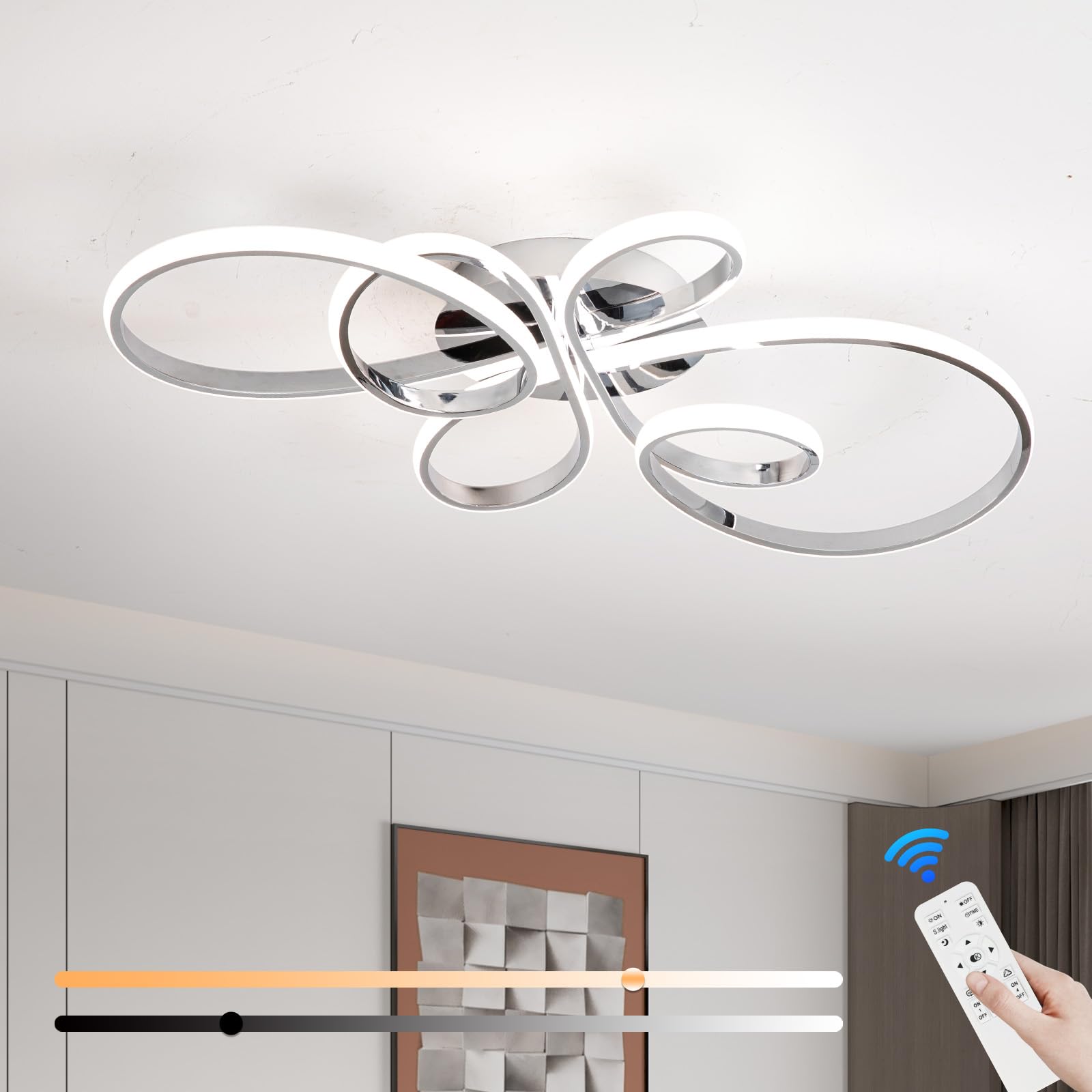

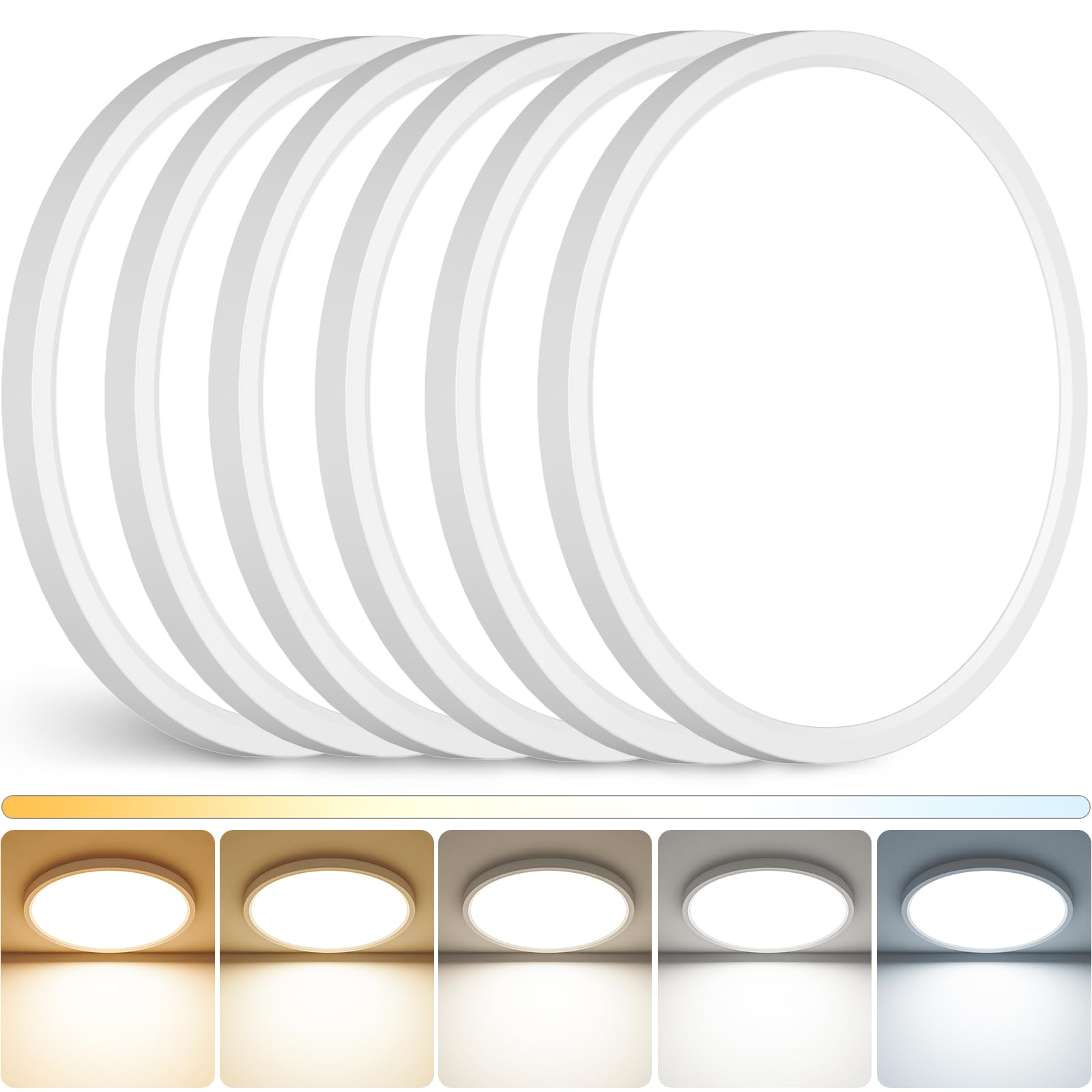

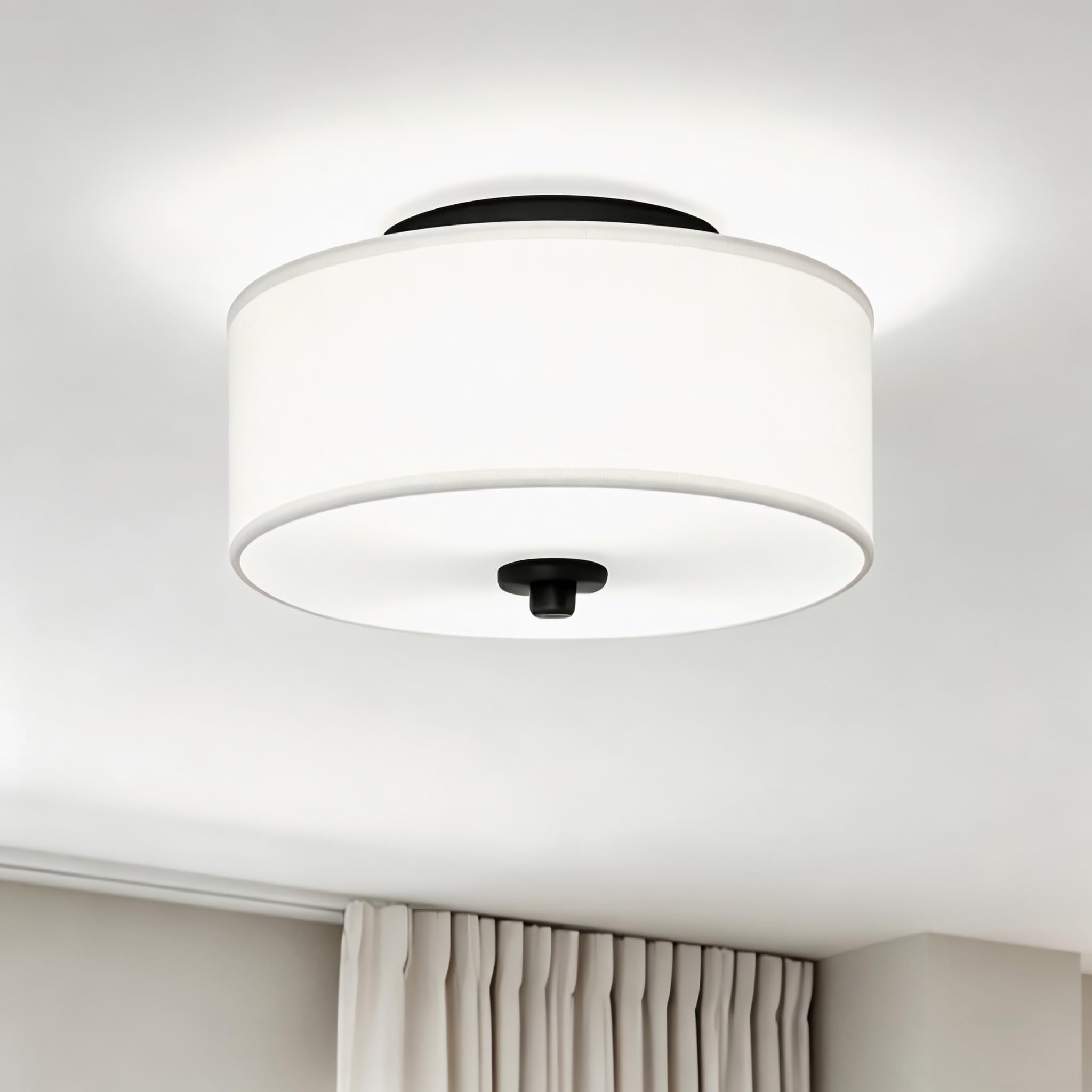
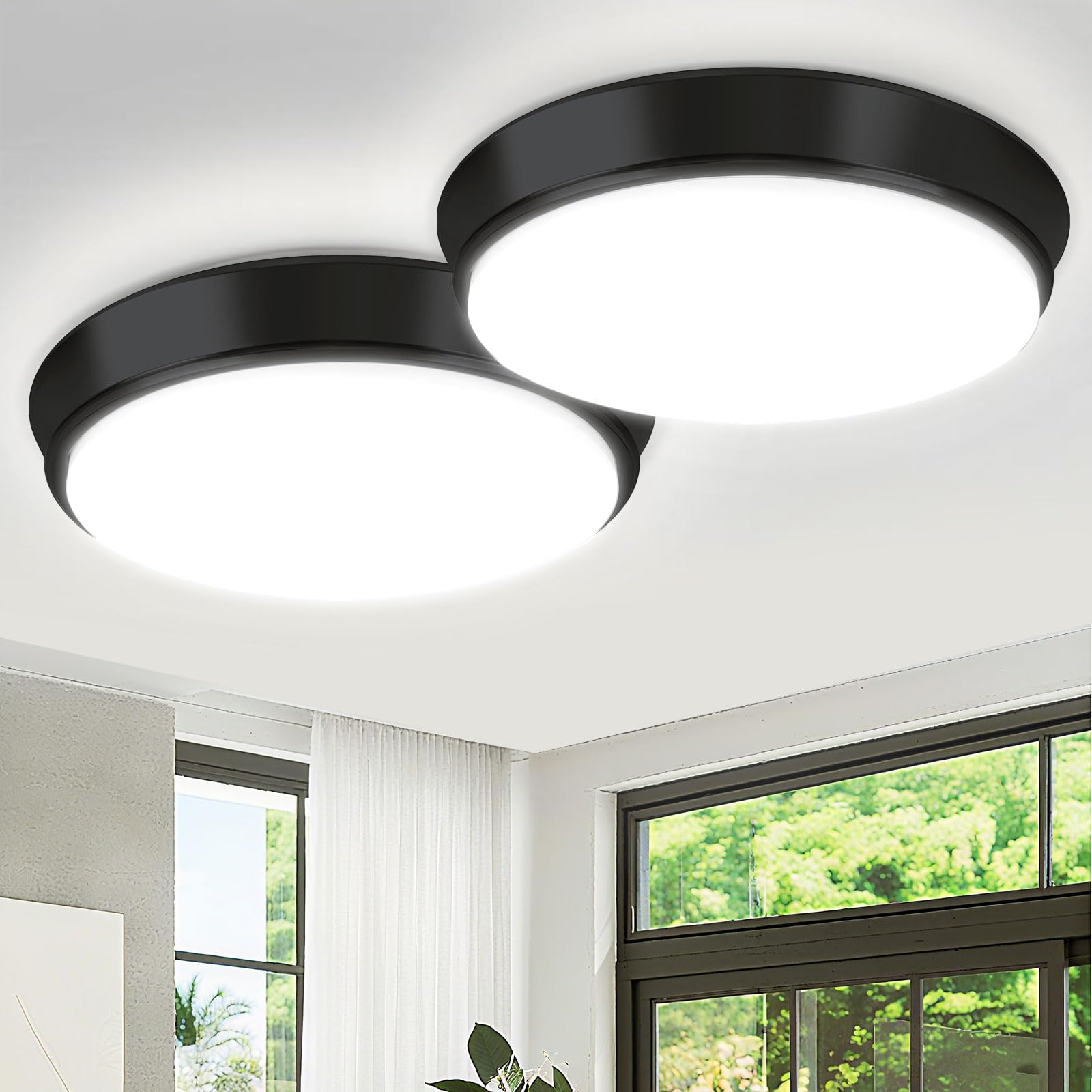
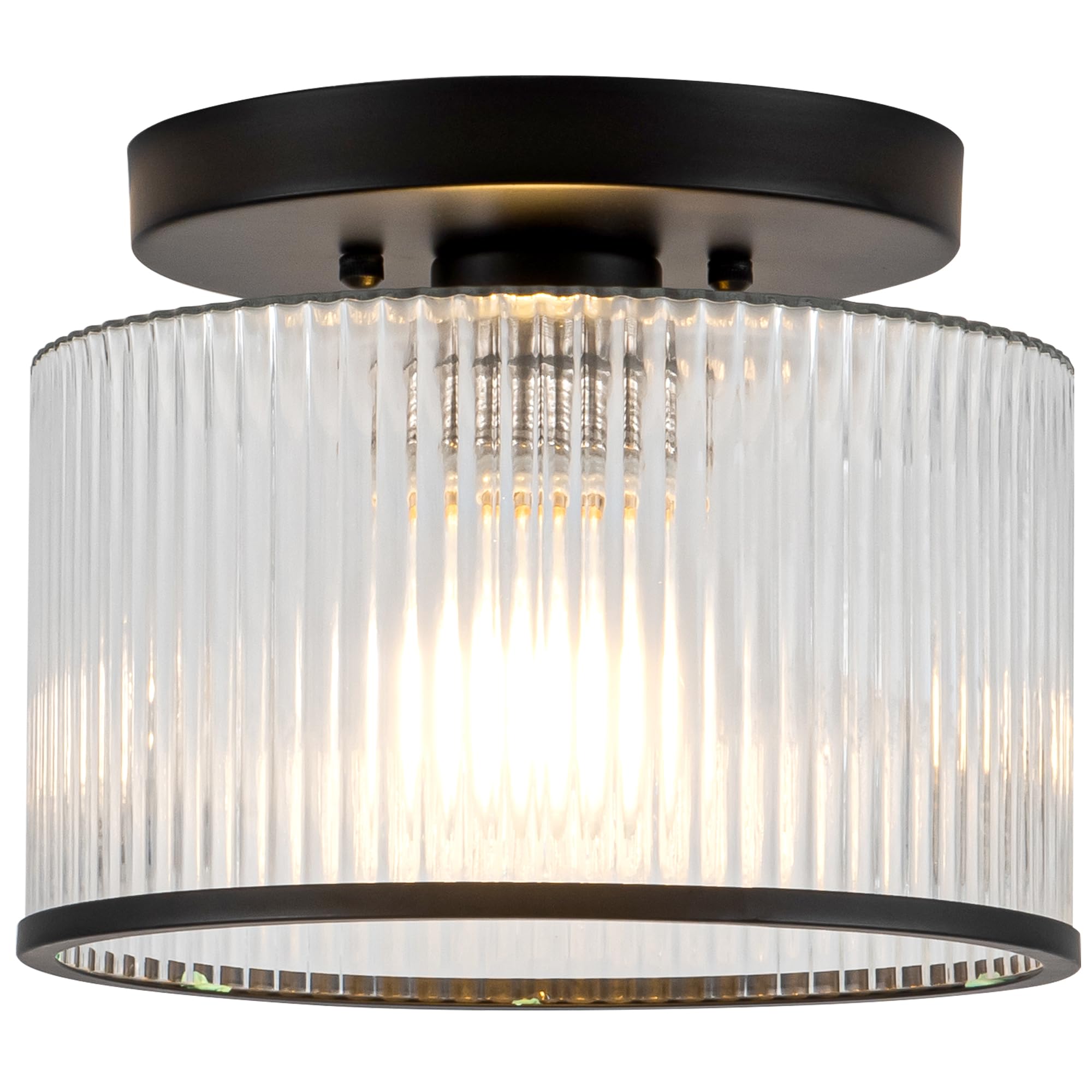
Ceiling Light Types at a Glance
Three fixture families cover nearly every bathroom. Flush mount lights sit tight against the ceiling and suit low ceilings and small rooms. Semi flush mount lights hang a few inches down on a short stem, which spreads light wider in larger rooms. Integrated LED fixtures build the light source into the unit, so there are no bulbs to change and the housing can be sealed tightly against moisture.
Style families such as drum, crystal, farmhouse, and modern designs sit inside those three mounting types, so pick the mounting type first and the look second.
Three Types Worth Comparing for a Bathroom
Flush Mount Fixtures for Low Ceilings
A flush mount ceiling light for bathroom use is the safest default for ceilings around 8 feet high, half baths, and small full baths. Because the shade sits against the ceiling, steam has fewer gaps to enter, and many models carry a damp location or wet location rating. Look for a sealed or gasketed edge, a shade in frosted glass or acrylic that will not corrode, and metal parts with a finish rated for humid rooms. The trade off is reach. Light stays close to the ceiling, so a single small fixture can leave the vanity area dim in a longer room.
Semi Flush Mount Fixtures for Larger Bathrooms
A semi flush mount drops the shade roughly 4 to 8 inches below the ceiling, and that small gap changes how the room feels. Light escapes upward as well as down, which softens shadows on the ceiling and spreads coverage across a bigger floor area. This type suits primary bathrooms with ceilings of 9 feet or more, where the extra drop will not crowd headroom. The open gap does let more steam reach the top of the shade, so check the moisture rating carefully.
Integrated LED Fixtures for a Sealed, Simple Setup
Integrated LED designs skip replaceable bulbs entirely. The diodes sit on a board inside a sealed housing, which keeps humid air away from the electrical parts and removes the chore of climbing up to swap bulbs. Many models offer selectable color temperature, so you can set the tone at install and leave it. The trade off comes at the end of the fixture life. When the diodes fade after many years of use, you replace the whole fixture rather than a bulb, so weigh the low upkeep now against a full swap later.
How We Chose the Criteria in This Guide
We ranked buying factors by what actually goes wrong in bathrooms. Moisture protection comes first, because humidity kills more bathroom fixtures than weak output does. Brightness and color temperature come next, since the ceiling light often supports grooming at the mirror. After that we weighed installation effort, energy use, and value, using manufacturer specifications and rating standards.
How to Choose the Right Ceiling Light for Bathroom Use
Start With Ceiling Height and Room Size
Your ceiling height settles the mounting question before style enters the picture. At 8 feet or lower, a flush mount keeps the fixture clear of raised arms and shower steam rising straight up. Taller ceilings give you the semi flush option and also forgive a wider shade. As a rough guide, add the room length and width in feet, then aim for a fixture diameter in inches close to that sum. A 5 by 8 foot bath points to a shade of about 12 to 14 inches across.
Features Worth Paying For
A few upgrades earn their cost in a bathroom. Selectable color temperature lets one fixture serve both a morning routine and a relaxed evening soak. A motion sensor is genuinely useful for night visits, since it gives low light without a blinding switch flip. A remote matters less here than in a bedroom, because the switch sits by the door.
Lumens and Color Temperature
Brightness is measured in lumens, and bathrooms need more of it than most rooms of the same size. Plan on about 50 to 75 lumens per square foot when the ceiling fixture is the main light source, so a 40 square foot bath needs roughly 2,000 to 3,000 lumens in total across all fixtures. Color temperature shapes how skin and makeup look. A range of 2700K to 3000K feels warm and relaxed, while 3500K to 4000K gives cleaner, more accurate color at the mirror. Avoid very cool light above 5000K in a small bath, since it can look harsh and clinical.
Fixture Size and Placement
Center the fixture over the main floor area rather than the exact middle of the room when a vanity sits to one side, because the goal is even light where you stand. In a long bathroom, one central fixture often leaves the shower end dim, so plan a second rated fixture over the shower or tub zone instead of oversizing the main light. Whatever sits above a shower or tub must carry a wet location rating, and local code may set rules for that zone, so check before ordering.
Dimmable and Smart Options
Dimming earns its place in a bathroom more than almost anywhere else. Full brightness suits cleaning and shaving, while a low setting turns the same fixture into a night light for a soak or a child visit after dark. Check that the fixture and your wall dimmer are compatible, since some LED models flicker or buzz on older dimmers. Smart fixtures add scheduling and voice control, but keep the wall switch working as the primary control.
Installation: Hardwired or Plug In
Nearly every bathroom ceiling light is hardwired into a ceiling junction box, and that is the right setup for a steamy room. Plug in ceiling fixtures are rare in bathrooms because cords and outlets near water raise safety concerns. Swapping a hardwired fixture for one of the same mounting type is a common home project, and our walkthrough of how to install a ceiling light covers the box, wiring, and mounting steps in order. If your bathroom lacks a ceiling box or the wiring looks damaged, hire a licensed electrician instead.
How Much Should You Spend?
Basic sealed flush mounts cost about $30 to $50 and cover a small bath well. Spending about $50 to $100 usually buys better finishes, higher output, and selectable color temperature. The range of about $100 to $200 adds larger shades, stronger moisture ratings, and smarter controls. Above that, you are mostly paying for design. Because the same sizing and rating logic applies in other rooms, the framework in how to choose a ceiling light is a useful companion once the bathroom is done.
What Matters Most in a Bathroom Ceiling Light
The moisture rating is the single spec that separates a bathroom fixture from one meant for a dry room. A damp location rating means the fixture can handle humidity and indirect moisture, which covers most ceiling positions away from direct water. A wet location rating means it can take direct contact with water, which is the standard for a fixture inside a shower enclosure. Choosing a dry rated light because it looks good is the most common and most expensive mistake in this category, since corrosion and failed seals follow within a few seasons.
Hardware and finish matter for the same reason. Painted steel and unprotected metal pit and rust in steamy air, while aluminum, stainless steel, and quality plated finishes hold up far longer. A sealed shade also keeps the inside of the glass free of the gray film that open fixtures collect. If you are weighing the two mounting styles against each other, our breakdown of flush vs semi flush mount compares headroom, light spread, and cleaning effort in detail.
Safety sits behind every choice here. Bathroom circuits should have ground fault protection, and any fixture work near a tub or shower deserves extra caution with power off at the breaker. The same care applies next door, where the guide to the best ceiling light for kitchen covers grease and task lighting, and the guide to the best ceiling light for bedroom focuses on softer evening light. For the broad category view, start with best led ceiling light options and compare their sealed housings.
FAQ
What is the best ceiling light for bathroom use in a small room?
For a small bath, a sealed flush mount with an output of about 1,200 to 1,800 lumens is usually the right answer. Frosted shades spread that light evenly and hide glare in a tight space. Choose a damp location rating at minimum, and pick a shade of about 12 inches across so the fixture looks in scale with the room rather than dominating the ceiling.
Can a regular ceiling light be used in a bathroom?
A dry rated fixture should not go in a bathroom, even on a ceiling away from the shower. Steam reaches every corner of a small bath, and unprotected contacts and finishes degrade in that air. Damp rated fixtures are acceptable for most ceiling spots, and anything inside the shower or directly over a tub needs a wet rating. The rating is printed on the packaging and the fixture label, so confirm it before install rather than after.
How long does a bathroom ceiling light last?
An integrated LED fixture is typically rated for about 25,000 to 50,000 hours, which works out to many years of normal bathroom use. Fixtures that take replaceable bulbs last as long as their sockets and finish hold up, and moisture is usually what ends their life rather than the bulb. Wiping seals, keeping the exhaust fan running during showers, and fixing a dripping faucet all slow the humidity damage that shortens fixture life.
Should a bathroom ceiling light be warm or cool in tone?
It depends on what happens under it. Warm light around 2700K to 3000K flatters a guest bath or a room built for relaxing soaks. A neutral tone near 3500K to 4000K shows skin color and shaving detail more accurately at the mirror. If one fixture must do both jobs, a selectable model set to a middle setting is the practical compromise, and you can still change it later without rewiring.
How do you clean a bathroom ceiling light?
Turn the power off at the switch and let the fixture cool. Most shades twist or unclip by hand, then wash in warm water with mild soap to remove the film that steam leaves behind. Dry the shade fully before refitting it, since trapped moisture inside a sealed unit fogs the glass. While the shade is down, check the gasket for cracks, because a worn seal is the main route for humidity reaching the wiring.
Is one ceiling light enough for a bathroom?
For a half bath or a compact full bath, one well placed fixture is often enough, especially with a light colored ceiling bouncing output around. Larger rooms and layouts with a separate shower stall usually need a second rated fixture or dedicated vanity lighting so the mirror zone is not lit from behind you. Stand at the mirror after install. If your face falls into shadow, added vanity light will fix what a brighter ceiling light cannot.
Final Thoughts
Match the fixture to the room in this order: moisture rating first, then mounting type for your ceiling height, then lumens and color temperature, and only then style and finish. A sealed flush mount in the right size will serve most bathrooms for years, and the product table above pulls the leading options together so you can compare those specs side by side.
The best ceiling light for bathroom shoppers end up happy with is rarely the brightest one. It is the one rated for steam, sized for the room, and set to a tone that makes the mirror honest.


