
Best Ceiling Light for Bedroom 2026: Buying Guide
Disclosure: We may earn a commission when you buy through links on this page, at no extra cost to you. As an Amazon Associate I earn from qualifying purchases. Learn more

Warm tones, smooth dimming and the right size: what to check for the best ceiling light for bedroom ceilings.
A bedroom asks more of its ceiling light than most rooms do. You need enough brightness to dress, tidy, and find things in drawers, then a softer glow that helps you wind down at night. Many buyers pick a fixture on looks alone and end up with light that feels harsh at bedtime or too dim in the morning. Choosing the best ceiling light for bedroom use comes down to a few clear factors.
Below, we compare the main fixture types, then cover brightness, color temperature, sizing, dimming, and installation, so you can match a fixture to your ceiling and routine. The product table below sums up the leading types at a glance.


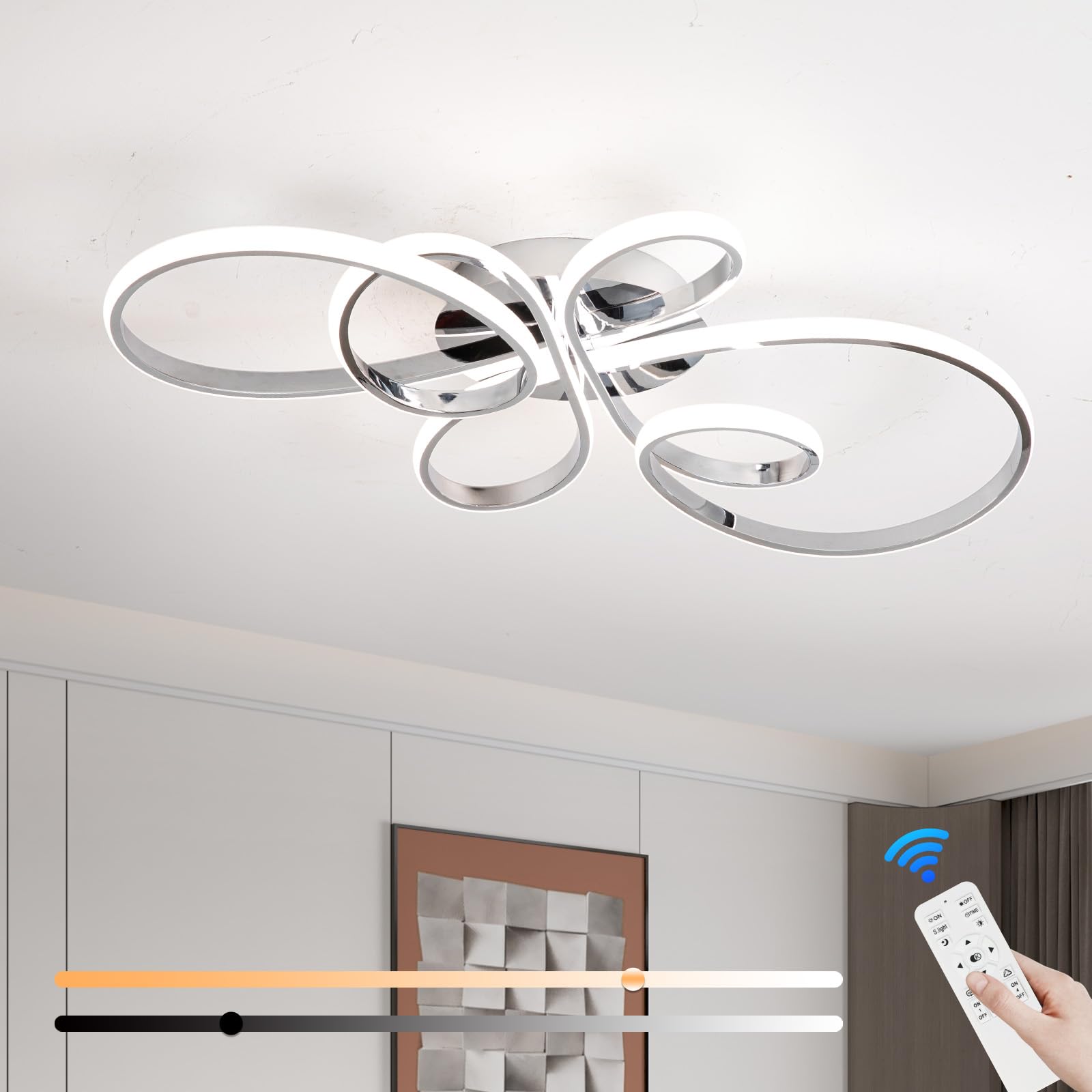

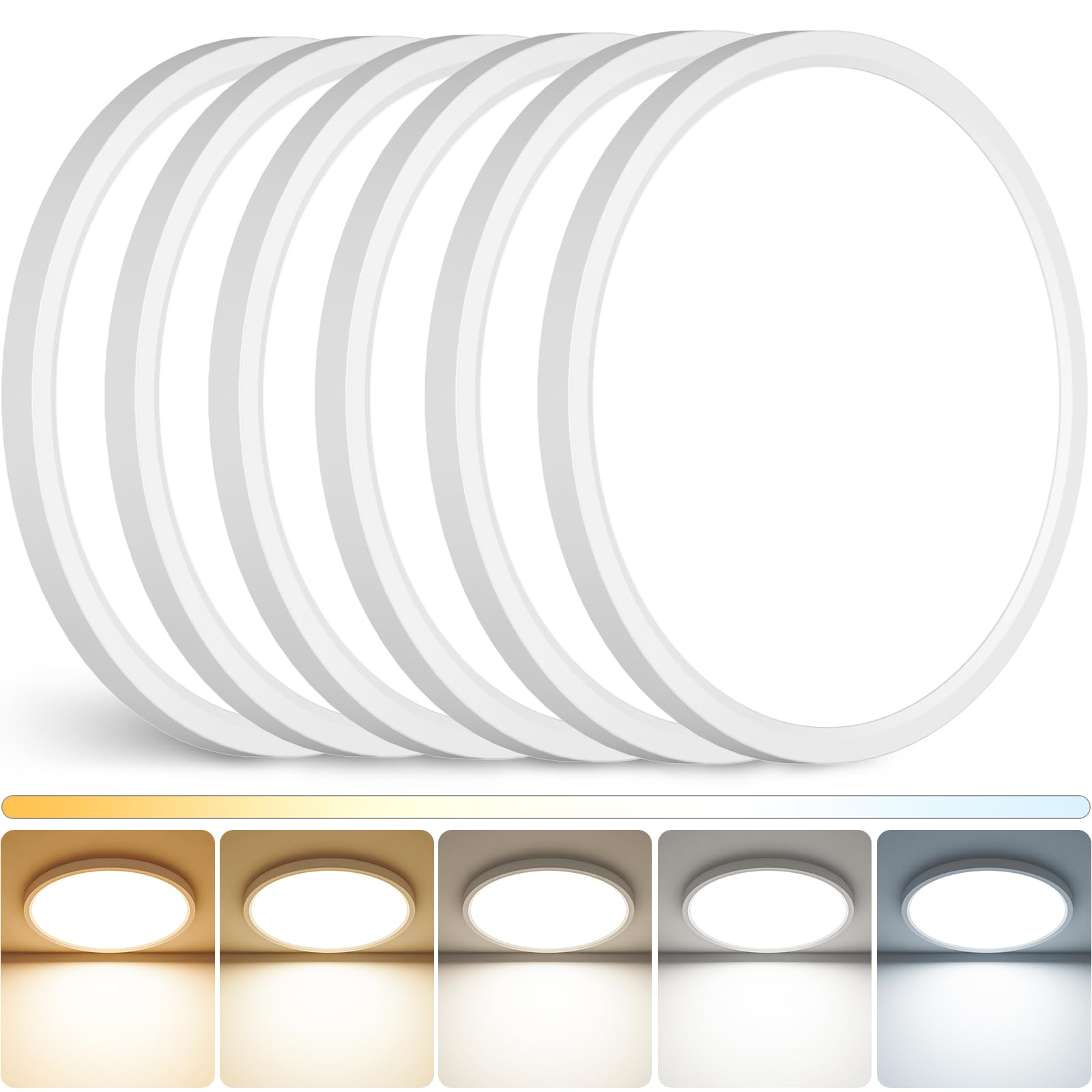

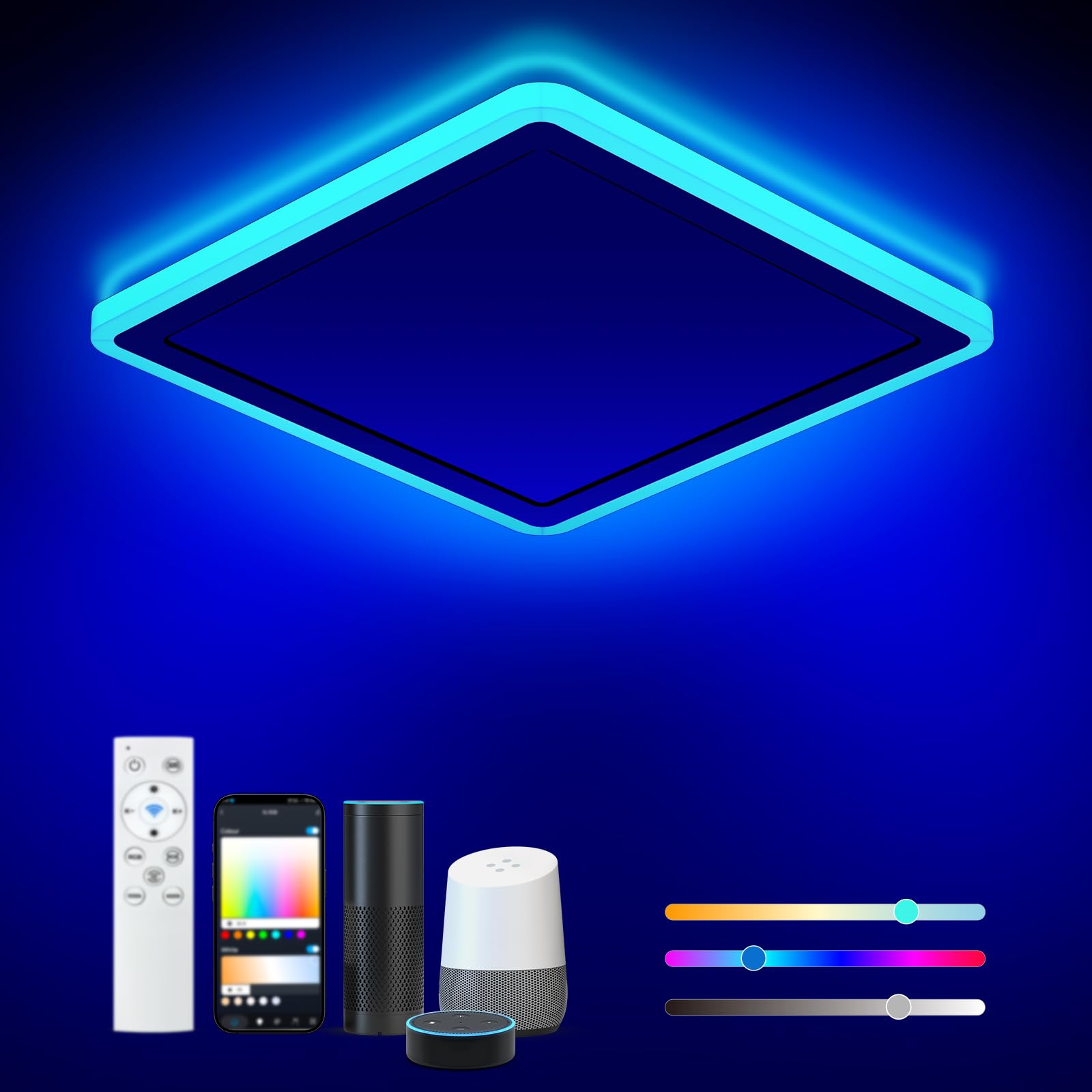

Bedroom Ceiling Light Types Compared
Three fixture families suit bedrooms best. Each trades style, light spread, or convenience against the others, and the right pick depends on your ceiling height.
Flush Mount Fixtures
A flush mount fixture sits directly against the ceiling with no gap, which makes it the safest choice for ceilings at 8 feet or lower. A frosted or fabric diffuser softens glare when you look up from the bed. These fixtures are usually the simplest to install and the easiest to clean, since dust has few ledges to settle on. If your bedroom doubles as a dressing space, choose a larger diameter so light reaches the corners instead of pooling in the center.
Semi Flush Mount Fixtures
A semi flush mount fixture hangs a few inches below the ceiling on a short stem, and that small gap lets light bounce off the ceiling for a softer, more even feel. The style range is wider, with drum shades, metal finishes, and layered glass that read as a design feature. The trade off is headroom, so these suit ceilings of 9 feet or more. Our breakdown of flush vs semi flush mount styles explains how that gap changes light spread.
Integrated LED and Smart Fixtures
Integrated LED fixtures build the light source into the fixture itself, so there are no bulbs to match or replace. Many add remote controls, selectable color temperature, and scheduling through an app or a voice assistant. That flexibility fits bedrooms well, because you can brighten the room for morning routines and warm it down in the evening from the same fixture. Our guide to the best led ceiling light options covers panels and bulb based designs in more depth.
How This Comparison Was Built
The types and criteria in this guide come from manufacturer specifications, safety listings, and patterns in verified buyer feedback for bedroom fixtures. We weighted the factors that change how a bedroom feels: light output in lumens, color temperature, dimming behavior, ceiling clearance, and installation effort. The goal is a decision framework you can apply to any listing, using the numbers on the box rather than marketing claims.
How to Choose the Right Ceiling Light for a Bedroom
The sections below work through the buying factors in the order most shoppers meet them. For a broader framework covering every room, start with our walkthrough of how to choose a ceiling light, then return here for the bedroom specific details.
Brightness in Lumens
Lumens measure total light output, and they matter more than wattage now that LED fixtures dominate. A small bedroom of about 100 square feet usually feels comfortable with roughly 800 to 1200 lumens from the ceiling fixture, while a primary bedroom of 200 square feet or more may need about 1600 to 2400 lumens, especially with dark walls that absorb light. Count your lamps as part of the total, since bedrooms rarely rely on one source. Overshooting slightly is fine when the fixture dims, because you can lower output at night.
Color Temperature
Color temperature, measured in kelvins, decides whether light looks warm and amber or cool and blue. For bedrooms, about 2700K to 3000K gives a warm white that flatters skin tones and signals rest in the evening. Cooler light near 4000K can help a bedroom that doubles as a workspace, but it often feels stark at bedtime. Fixtures with selectable color temperature solve the dilemma, since you set the tone at installation or change it with a remote. Live with one setting for a few evenings before judging, because your eyes adjust over the first nights.
Fixture Size and Placement
A fixture that is too small looks lost and leaves the room edges dim, while an oversized one overwhelms a low ceiling. A common sizing approach adds the room length and width in feet, then treats that sum as a rough diameter in inches, so a room of 12 by 14 feet points to a fixture of about 26 inches across. Mount it over the center of the room rather than the center of the bed, because light then reaches closets and dressers evenly. On sloped ceilings, confirm the mounting hardware suits the angle before you order.
Features Worth Paying For
A few features earn their cost in a bedroom. A remote control lets you switch off the light without leaving the bed, which sounds minor until the first cold night. A night light mode, found on some LED fixtures, gives a faint glow for trips to the bathroom. A timer or fade setting can ease the room toward darkness as you fall asleep. Motion sensing, by contrast, suits closets and hallways better than a sleeping space, where a partner or pet can trigger it at the wrong moment. Spend on features tied to your routine and skip the rest.
Dimming and Smart Controls
Dimming is the single most useful control in a bedroom, because one fixture then covers bright mornings and calm evenings. Check compatibility before buying, since some LED fixtures flicker or hum on older dimmer switches, and many integrated LED models dim only through their own remote or app. Smart fixtures add voice control and schedules, but they need a stable WiFi signal at the ceiling. If your home internet drops often, a simple remote controlled fixture gives most of the benefit with none of the setup friction.
Installation Choices
Most bedroom ceiling lights are hardwired into the ceiling junction box, and swapping one hardwired fixture for another is a common weekend task. Turn the power off at the breaker, confirm the wires are dead, and follow the maker instructions for mounting weight and wire connections. If the wiring looks damaged or you are adding a fixture where none existed, hire a licensed electrician instead. Our step by step guide to how to install a ceiling light covers the full process, including homes with no existing junction box.
How Much Should You Spend?
Simple flush mount fixtures often cost under $50 and cover small bedrooms well, with basic diffusers and fixed color temperature. Spending about $50 to $100 usually adds better dimming, selectable color temperature, and finishes that hold up longer. In the range of about $100 to $200 you find larger diameters, smart controls, and sturdier metal and glass construction. Above that, you mostly pay for design and styling rather than more light. An electrician, if you hire one, is a separate cost that can exceed the fixture price, so include it in the budget.
What Matters Most in a Bedroom Ceiling Light
The bedroom modifier changes the priorities compared with other rooms. A kitchen light can be bright and cool all day, since the room is for tasks, which is why the best ceiling light for kitchen guides stress output and easy cleaning. Your bedroom light must protect sleep as well as support tasks. That means warm color choices, smooth dimming that reaches genuinely low levels, and silent operation, because a faint driver hum that nobody notices in a hallway becomes obvious in a quiet room at night.
Glare control matters more here too. You spend time lying down and looking toward the ceiling, so a bare bulb or a clear shade will bother you in a bedroom far more than in a dining room. Deep diffusers, fabric shades, and indirect designs all reduce that glare. For a room by room overview, see our roundup of the best ceiling light types across the home.
Common Mistakes to Avoid
- Choosing by wattage instead of lumens, which leads to a room that is far dimmer or brighter than expected.
- Picking a cool color temperature, which makes evenings feel alert when you want the opposite.
- Ignoring ceiling height, so a hanging fixture crowds headroom every time you make the bed.
- Assuming any LED fixture works with your wall dimmer, which can cause flicker, buzzing, or a dimmer that stops responding.
- Skipping the safety listing, since an unlisted fixture may not meet basic electrical and fire standards for your home.
- Mounting over the bed instead of the room center, which leaves closets in shadow.
Care and Cleaning
Dust dulls a fixture faster than most owners expect, and a dusty diffuser can noticeably cut light output within a year. Every few months, switch the power off, let the fixture cool, and wipe shades and diffusers with a dry or slightly damp cloth. Glass and acrylic covers on many models unclip so you can wash them in warm soapy water and dry them fully before refitting. While the cover is off, check that mounting screws stay snug and look for discoloration around the wiring, a sign to call an electrician. Keep the warranty paperwork, since the driver in an integrated LED fixture can fail before the diodes do.
FAQ
What is the best ceiling light for bedroom use if I read in bed every night?
Choose a dimmable fixture with a deep diffuser, then add a shaded lamp at the bedside for the reading light itself. The ceiling fixture sets the room mood, while the lamp puts focused light on the page without glare. This split also means one partner can read while the other sleeps in low light.
How long does a bedroom ceiling light usually last?
The fixture body can serve for decades, and the light source sets the real limit. Integrated LED models are often rated for about 25000 to 50000 hours, which at a few hours each evening stretches well past a decade. Heat shortens LED life, so enclosed fixtures need a rating that allows fully enclosed use.
Is a smart ceiling light worth it in a bedroom?
It is worth it if you will use the schedules and voice control, for example a gradual brightening that acts as a gentle alarm or a warm fade at a set bedtime. If you only switch the light on and off, a remote controlled fixture delivers the same comfort for less money. Decide by your routine, not by the feature list.
How do you clean a ceiling light without taking it down?
Turn the power off and let everything cool. Stand on a stable step stool, never a chair, and wipe the outside of the shade with a microfiber cloth. An extendable duster handles cobwebs at the ceiling edge. Save full removal and washing for once a year, or sooner if insects have gathered inside the shade.
What should I check before replacing an old bedroom ceiling light?
Confirm the ceiling box is rated to hold the new fixture weight, note whether a dimmer is already fitted, and measure the old fixture diameter so the new canopy covers any paint ring left behind. Photograph the wire connections before disconnecting anything. If your home has older wiring without a ground wire, ask an electrician which fixture types are safe to fit.
Which signs suggest a bedroom ceiling light needs professional attention?
Call a licensed electrician if the fixture flickers after you rule out a loose bulb, if you smell burning, see scorch marks, or hear buzzing from the ceiling box. Repeated breaker trips tied to the light also need professional diagnosis. These are safety issues, not style problems, and they should be resolved before any new fixture goes up.
Final Thoughts
The right fixture matches your ceiling height, covers your room size in lumens, and dims smoothly into warm evening light. Compare the types in the product table above against those three checks, check dimmer compatibility, and your shortlist will shrink quickly. When you land on the best ceiling light for bedroom comfort for your space, it becomes part of how the room helps you rest.


