
Best Ceiling Light for Hallway 2026: Buying Guide
Disclosure: We may earn a commission when you buy through links on this page, at no extra cost to you. As an Amazon Associate I earn from qualifying purchases. Learn more

Plan spacing, size to the hall width and keep glare low when choosing the best ceiling light for hallway ceilings.
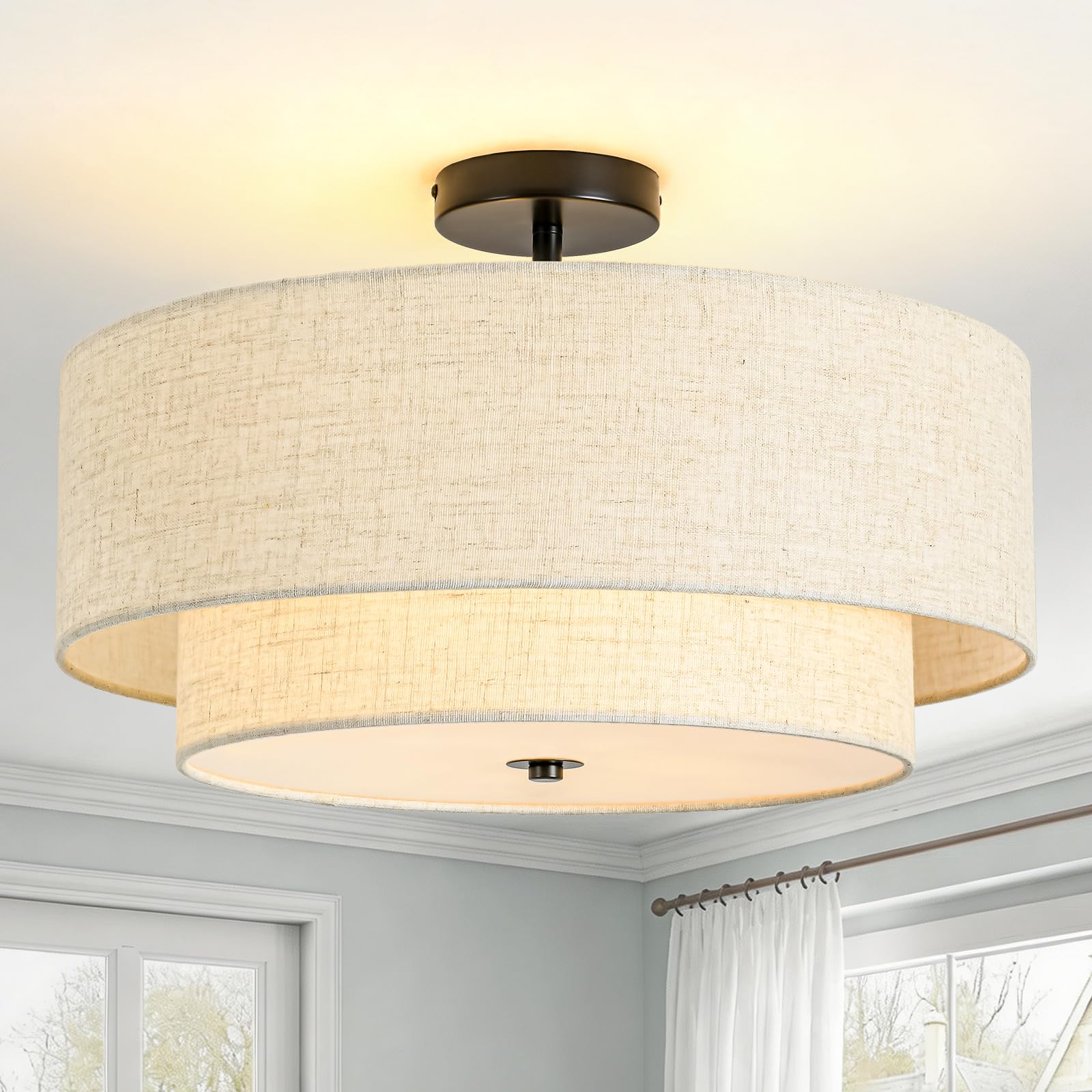
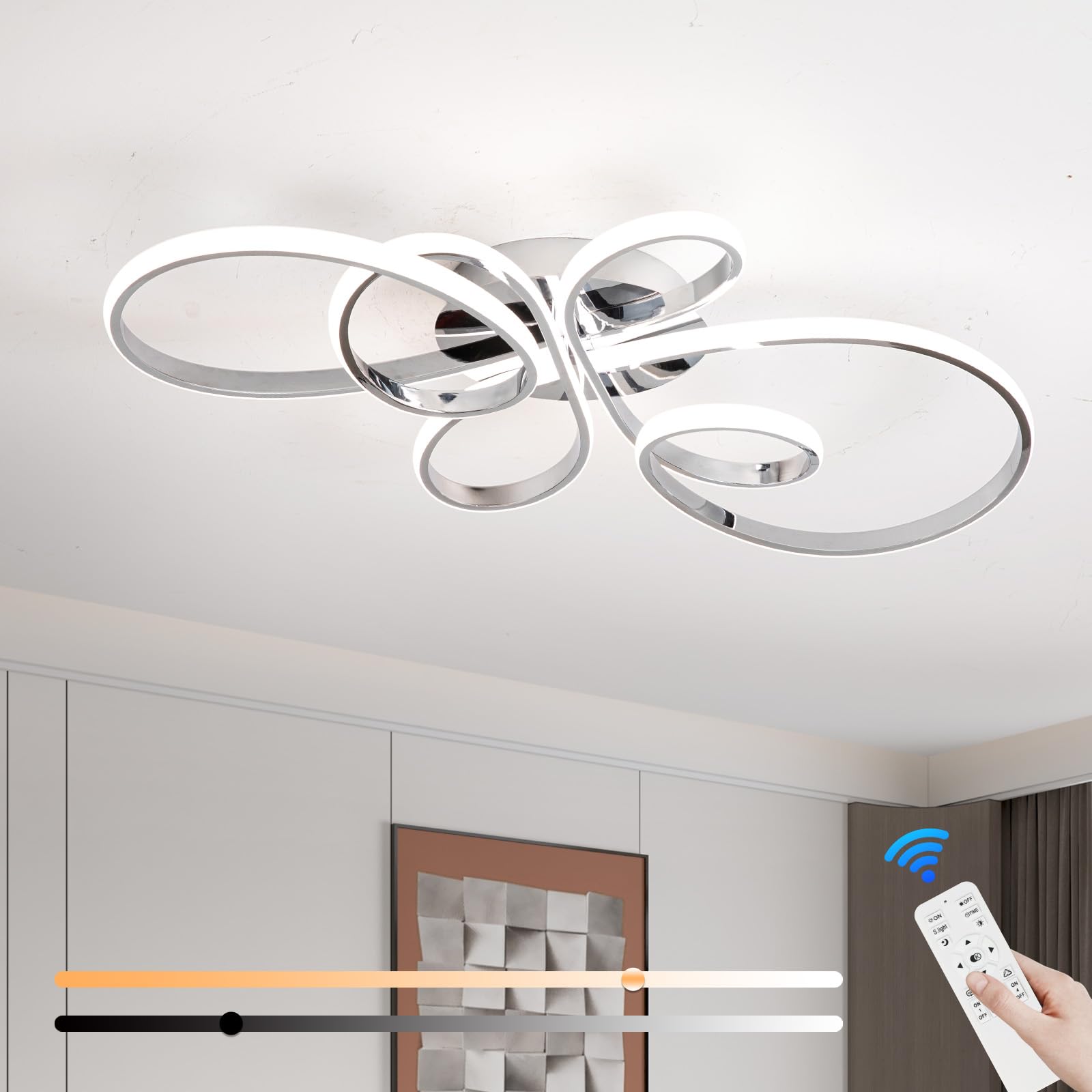
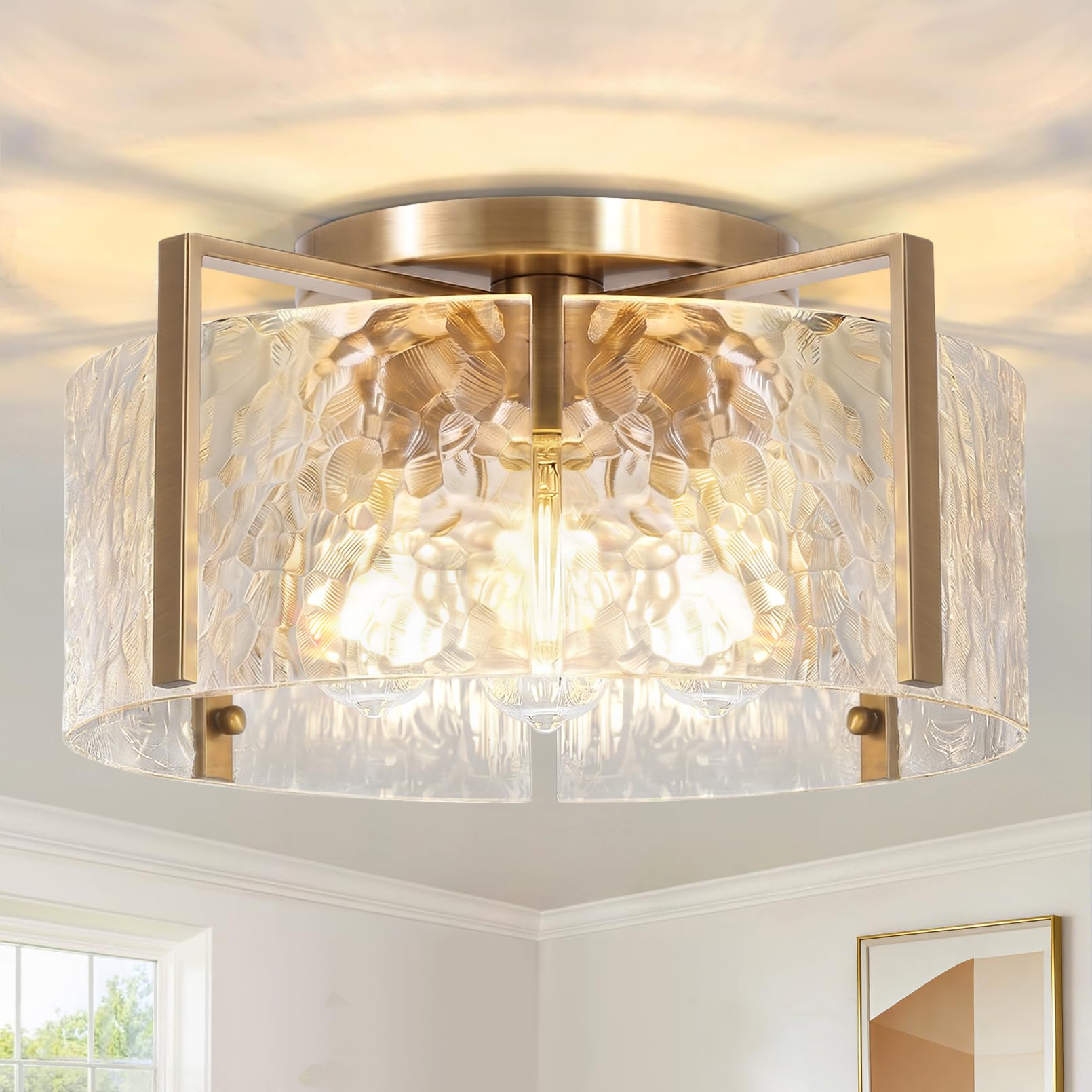
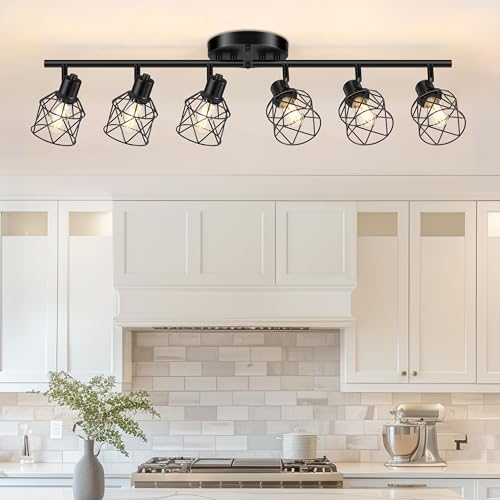
A hallway gets more foot traffic than almost any other part of your home, yet it often ends up with a single dim fixture that leaves the ends in shadow. Choosing the best ceiling light for hallway space in your home is mostly about even spread: enough brightness to walk safely, no glare at eye level, and a size that suits a narrow ceiling. The product table below sums up the main fixture types side by side.
This guide walks through the types worth considering, the brightness and color choices that suit a passage rather than a living room, and the sizing rules that stop dark gaps. It also covers installation and what each price level buys, so you can match a fixture to your hall.





Who Should Buy a Ceiling Light for a Hallway?
Homes With Low Hallway Ceilings
If your hallway ceiling sits at the standard eight feet, headroom is your first limit. A hanging fixture eats into the space above taller family members and feels crowded in a narrow passage. You want a fixture that hugs the ceiling, spreads light sideways along the hall, and has no dangling parts to catch on a carried laundry basket.
Long Hallways With a Dark Middle Stretch
A long hall lit from one end usually has a bright patch near the fixture and gloom at the far door. If that sounds familiar, your problem is spacing rather than raw brightness. You are shopping for two or three modest fixtures that share the load, and you should plan the layout before you buy anything.
Entry Hallways That Set the Tone
The hall inside your front door is the first interior space guests see. Here the fixture does double duty: it lights coats, keys, and the mat, and it sets the style for the rooms beyond. A more decorative finish is fine in this spot, as long as it still gives clear, welcoming light rather than a dim glow.
Households That Want Light Without a Switch Hunt
If children or older relatives cross the hall at night, reaching for a switch in the dark is a real annoyance. A fixture with a motion sensor turns on as someone approaches and off again once the hall is empty. That convenience shapes which type you should shortlist from the start.
Hallway Ceiling Light Types Compared
Flush mount fixtures sit tight against the ceiling and are the default choice for most hallways. They keep full headroom, spread light broadly, and come in plain or decorative styles. Their limit is reach: one unit lights a modest area well, so a long hall needs more than one.
Semi flush mount fixtures hang a few inches below the ceiling on a short stem. That small drop lets light bounce off the ceiling as well as shine down, which softens shadows in a taller entry hall. If you are weighing the two styles, our guide to flush vs semi flush mount fixtures explains the height and spread tradeoffs.
Integrated LED fixtures build the light source into the fixture itself rather than using a replaceable bulb. They tend to be slim and efficient, and many let you select the color temperature at installation. The tradeoff is that when the light source eventually fails, you replace the whole fixture instead of a bulb.
Smart and motion sensor fixtures add automatic control. A sensor model suits a hall used in short bursts, while a smart model suits one you want on a schedule. Both cost more than a plain fixture, so weigh the convenience against how often the hall is crossed after dark.
Key Features to Compare
Brightness Measured in Lumens
Hallway light is about safe movement, not task detail, so moderate brightness spread evenly beats one intense source. As a working guide, plan on roughly 100 to 200 lumens per 10 square feet of hall, then adjust for wall color, since dark paint absorbs light and pale paint reflects it. A single fixture for a short hall often lands around 800 to 1600 lumens. If two fixtures share the hall, each can be dimmer, because overlapping spread matters more than the output of any one unit.
Color Temperature
Color temperature shapes how a hall feels. Warm light around 2700K to 3000K feels calm and suits wood floors and traditional trim. Neutral light around 3500K to 4000K looks cleaner and shows true colors better, which helps when you check a coat on the way out. Very cool light can feel stark in a home passage, so most buyers stay at 4000K or below. Fixtures with selectable color temperature remove the guesswork, since you can try settings in place before settling.
Fixture Size and Spacing
Size the fixture to the hall width, not to the room it leads to. In a hall about three to four feet wide, a fixture around 10 to 14 inches across usually looks balanced and lights the floor without overwhelming the ceiling. For halls longer than about 10 feet, plan a fixture roughly every 8 to 10 feet so the pools of light overlap. Mark positions on the ceiling before ordering, because adding a second junction box later costs far more than planning for it now.
Dimmable and Smart Options
Dimming earns its keep in a hall that borders bedrooms, where full brightness at midnight is unwelcome. Confirm the fixture and the wall dimmer are compatible, since mismatched pairs can flicker or buzz. Smart fixtures add schedules and voice control, but they need reliable WiFi reach in the hall.
Energy Use and LED Efficiency
Hallway lights switch on and off many times a day, and LED sources handle that cycling without the shortened life that frequent switching causes in older bulb types. An LED fixture also uses a fraction of the power of an equivalent older fixture. If cutting energy use is your main goal, compare the options in our guide to the best led ceiling light for whole home use.
What Matters Most in a Hallway Light
Even coverage matters more in a hallway than in any square room, because the space is all length. A fixture that throws light along the hall, not just down in a circle, prevents the tunnel effect of bright spots and dark gaps. Diffusers and frosted covers help here, since bare bulbs glare when you look down the hall.
Glare control is the second priority. You face a hallway fixture head on as you walk, often at close range, so a covered light source is far more comfortable than an exposed bulb. Comfort and safe footing, not detail work, are the job here.
Installation: Hardwired or Plug In
Most hallway ceiling lights are hardwired into a ceiling junction box and controlled by a wall switch. If your hall already has a box in the right place, swapping the fixture is a straightforward job: power off at the breaker, match the wires, mount the base, and fit the cover. Our step by step guide on how to install a ceiling light walks through the process and safety checks.
If the hall has no ceiling box, options narrow. A plug in fixture with a cord run to an outlet avoids new wiring but looks untidy in a main passage. Adding a new box is electrician work in most areas, and local rules may require a permit, so get a quote before assuming a layout change is cheap. Always turn off power at the breaker and confirm it is off before touching any wiring.
How Much Should You Spend?
Basic flush mount fixtures cost around $30 or less and cover short halls well, with plain styling and a fixed color temperature. Spending about $30 to $100 usually buys better diffusers, selectable color temperature, and finishes that match door hardware. Above about $100, you pay for decorative design, smart controls, or sensor features rather than more light. For most homes, the middle range is the sensible place to land.
Common Mistakes to Avoid
- Buying one bright fixture for a long hall, which leaves the far end dark no matter how strong the bulb is.
- Choosing an exposed bulb design, which glares straight into your eyes as you walk toward it.
- Picking a fixture that hangs too low for an eight foot ceiling, which crowds headroom in a narrow space.
- Ignoring dimmer compatibility, which leads to flicker and buzzing that only shows up after installation.
- Matching the fixture size to the living room instead of the hall width, which makes the ceiling look top heavy.
- Skipping the location rating, since a hall off a bathroom door may need a fixture rated for damp conditions.
Care and Maintenance
Dust settles on hallway fixtures steadily because air moves through the passage every time a door opens. Wipe the cover with a dry or slightly damp cloth every few months, with the power off, so light output stays where it should be. For fixtures with replaceable bulbs, keep a spare on hand so a failed bulb does not leave a windowless hall dark overnight.
Once a year, check that the mounting screws are snug and the cover sits flush, since vibration from doors can work fittings loose over time. If an integrated LED fixture flickers, check the wire connections before assuming it has failed, because loose connections are a common and simple cause.
FAQ
What is the best ceiling light for a hallway?
For most homes it is a flush mount LED fixture with a frosted diffuser, sized to the hall width and bright enough to overlap with the next light source. That combination gives even, comfortable light with full headroom. The exception is a tall entry hall, where a semi flush fixture adds presence without hanging into the walkway. Match the choice to ceiling height and hall length first, and treat style as the final filter.
How many ceiling lights does a long hallway need?
A useful rule is one fixture every 8 to 10 feet of run, so a 20 foot hall usually needs two or three. Count doors along the hall as well, since a fixture just outside a bedroom door serves that doorway as well as the passage. If your hall turns a corner, treat each straight run separately, because light does not bend around the turn and the corner often ends up the darkest spot.
Can a hallway ceiling light work with a dimmer switch?
Yes, as long as both the fixture and the dimmer are rated to work together. LED fixtures need a dimmer designed for LED loads, and the fixture listing should state a minimum brightness level, since some models flicker when dimmed very low. Check the pairing at the lowest setting before you rely on it for nighttime use.
How do you clean a hallway ceiling light without taking it down?
For routine dust, you often do not need to remove the fixture at all. Stand on a stable step stool, switch the power off, and wipe the outside of the cover with a microfiber cloth, then use a long handled duster where the fixture meets the ceiling. Save full removal for the deeper clean when insects or heavy dust have gathered inside the cover, since repeated removal wears the clips and screws.
How long does an LED hallway ceiling light last?
Integrated LED fixtures commonly carry rated lives in the range of 15,000 to 50,000 hours, which in a hallway used a few hours a day can mean well over a decade. Heat is the main factor that shortens that life, so a fixture with room for air to circulate around its base tends to outlast a fully sealed unit. Keep the receipt and model details, because warranty claims years later depend on them.
Final Thoughts
A hallway asks little of a light beyond even spread, low glare, and the right scale for a narrow ceiling. Pick the type that suits your ceiling height, size it to the hall, and plan the spacing before you order. The product table above pulls the main types together, and our guide on how to choose a ceiling light covers the general framework. Shoppers lighting adjoining rooms may also want our guides to the best ceiling light for kitchen and the best ceiling light for bedroom. Get those basics right and the best ceiling light for hallway in your home will be the one you stop noticing, because the hall simply feels easy to walk through at any hour.


