
Best Ceiling Light 2026: Buying Guide
Disclosure: We may earn a commission when you buy through links on this page, at no extra cost to you. As an Amazon Associate I earn from qualifying purchases. Learn more

Start with room size, ceiling height and a lumen target to find the best ceiling light for any room in your home.
A dim or harsh ceiling fixture can make a whole room feel smaller and less comfortable, even when the paint and furniture are right. Choosing the best ceiling light means matching brightness, color, size, and mount style to the room you actually live in. This guide explains those choices in plain terms so you can narrow the field with confidence before you buy.
We compare the main fixture types by lumens and color temperature, style and finish, and how each one installs. You will also find sizing rules and budget guidance. Start with the product table below, then check fit for your ceiling height and wiring.


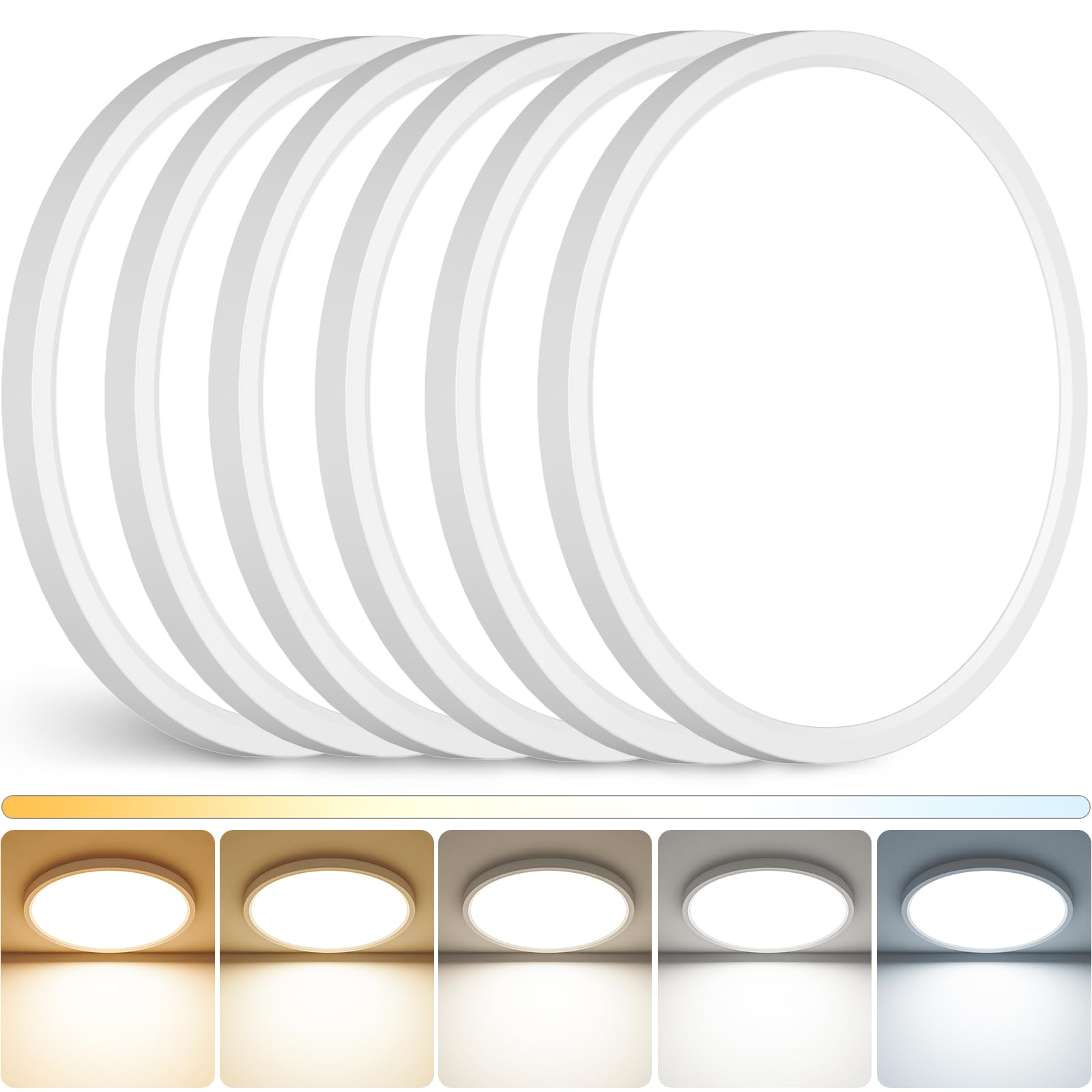
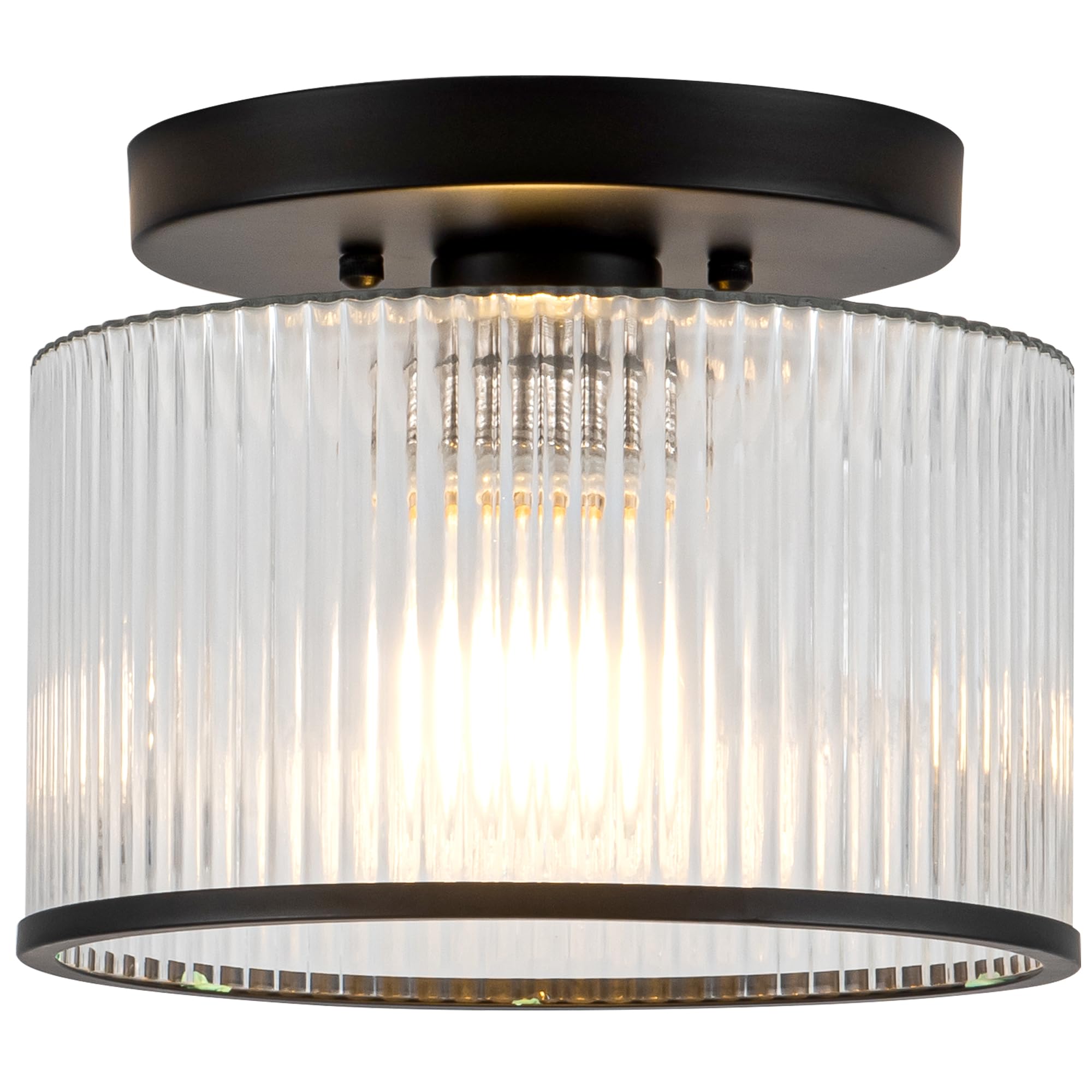
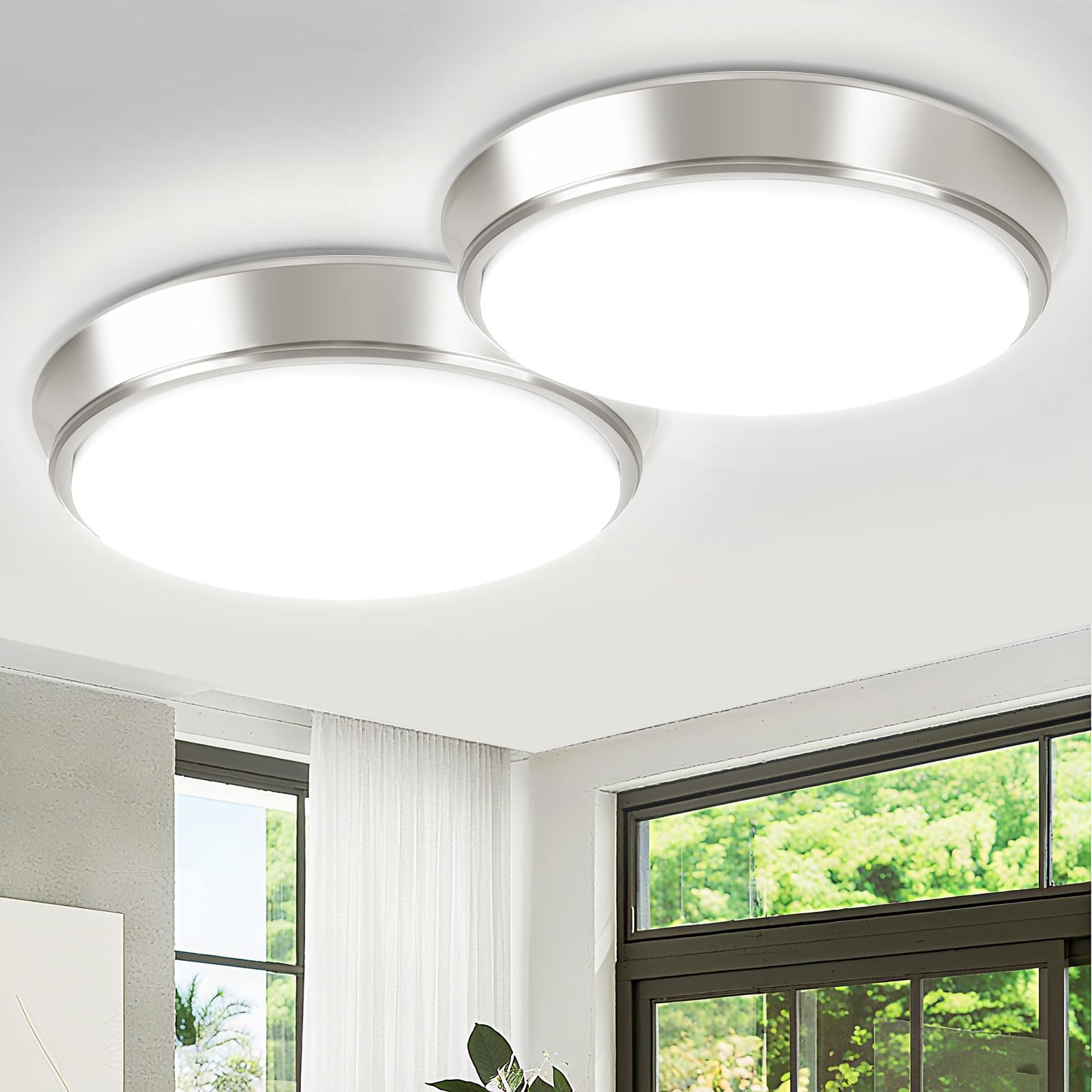


Ceiling Light Types at a Glance
Most homes use one of three mount styles. A flush mount sits tight against the ceiling and suits low rooms, hallways, and closets. A semi flush mount hangs a few inches down on a short stem, which spreads light a bit wider and shows more of the shade. An integrated LED design builds the light source into the fixture itself, so there are no bulbs to change and the profile can stay very slim.
Beyond the mount, look at the shade. Open shades send more light down and can create glare. Frosted glass or fabric shades soften the light and hide the source, which feels calmer in bedrooms and living rooms. Metal shades focus light downward for tasks.
Three Main Styles Worth Comparing
Flush Mount Fixtures for Low Ceilings
A flush mount is the safest pick when ceiling height is limited, because nothing hangs into headroom. Domes, discs, and low profile LED panels all fall in this group. They work well in hallways, entryways, laundry rooms, and bedrooms with ceilings around eight feet high. Light spread is wide but shallow, so larger rooms may need two fixtures spaced evenly. Choose a frosted diffuser if the fixture sits in your line of sight, since a clear cover can feel bright and spotty at close range.
Semi Flush Mount Fixtures for Added Presence
A semi flush mount drops the shade slightly below the ceiling, and that small gap helps light bounce upward as well as down. The look reads more decorative than a flat flush mount, so it suits dining rooms, foyers, and living rooms where the fixture is part of the decor. It still keeps most headroom, which makes it a good middle ground for ceilings around nine feet high. Check the total drop before ordering, especially above stairs or in rooms where tall people pass directly under the fixture.
Integrated LED and Drum Styles for Even Light
Integrated LED fixtures and fabric drum shades both aim for soft, even coverage with few harsh shadows. A drum shade diffuses light through fabric and often fits modern, farmhouse, and transitional rooms. An integrated LED panel gives a clean, minimal look and uses less energy for the same output. The trade off is service: when a built in LED array reaches the end of its life, you usually replace the whole fixture rather than a bulb. If easy bulb swaps matter to you, pick a fixture that takes standard replaceable bulbs instead.
How to Evaluate Ceiling Lights
Start with output, not wattage. Lumens tell you how much light a fixture gives, while watts only tell you how much power it uses. Next, check color temperature, finish durability, and whether the fixture is rated for the room, especially damp locations such as bathrooms. Then confirm installation needs, including junction box compatibility and whether the fixture works with your wall dimmer. Value comes last: a modest fixture with the right output and rating beats a decorative one that leaves the room dim.
Look for safety listings from a recognized certification body on the product page and packaging, and keep the instructions for wiring details. Verified buyer reviews can flag practical points such as buzzing with a dimmer or covers that are hard to remove for cleaning.
How to Choose the Right Ceiling Light
Type
Match the mount to ceiling height and room size first. Flush mounts protect headroom, semi flush mounts add presence, and larger drum or crystal styles need a bigger room to look balanced. If you are replacing an older dome style fixture and want a cleaner look, measure the ceiling footprint so the new base covers any unpainted ring. Our guide to flush vs semi flush mount walks through the height and style trade offs in more detail before you decide.
Features Worth Paying For
A few features solve real problems. A remote helps in bedrooms where the wall switch is far from the bed. A motion sensor suits closets, laundry rooms, and hallways where your hands are often full. Selectable color temperature lets you set the tone at install and change it later without swapping bulbs. Skip features you will not use, such as app control in a guest room, because extra electronics add cost and one more thing that can fail over time.
Lumens and Color Temperature
For general living spaces, plan on roughly 20 lumens per square foot, then adjust up for dark walls or task areas and down for restful rooms. A 120 square foot bedroom therefore needs about 2,400 lumens in total, which can come from the ceiling fixture plus lamps. Color temperature shapes mood: 2700K to 3000K feels warm and relaxed, 3500K to 4000K feels neutral and clear, and 5000K feels crisp and daylight like. Keep one temperature across a room so the light does not clash.
Fixture Size and Placement
A simple sizing rule adds the room length and width in feet, then uses that sum in inches as a starting diameter. A room that is 12 feet by 14 feet points to a fixture about 26 inches wide. Scale down for hallways and up for rooms with high ceilings. For long rooms, two smaller fixtures spaced evenly often light the space better than one large fixture in the middle.
Dimmable and Smart Options
Dimming gives one fixture two jobs: full brightness for cleaning and low light for evenings. The fixture and the wall dimmer must be compatible, so check the maker list for approved dimmer types and watch for flicker or buzzing at low levels. Smart fixtures add scheduling, voice control, and color adjustment through an app or hub. They need a steady WiFi signal at the ceiling and a wall switch that stays on to power the electronics.
Installation
Most ceiling fixtures are hardwired to a ceiling junction box, and the job involves turning off power at the breaker, supporting the fixture while you connect wires, and securing the canopy. Plug in models exist for renters, but they need a nearby outlet and a swag cord, and they suit light duty use only. If your box is old, loose, or not rated for the fixture weight, have an electrician correct it first. Our guide on how to install a ceiling light covers the basic sequence and safety checks.
How Much Should You Spend?
Basic flush mounts often cost about $30 to $60 and cover small rooms well, though finishes and diffusers are simple. The middle range, about $60 to $120, brings better diffusers, dimming support, and sturdier mounting hardware. Spending about $120 to $250 usually buys larger sizes, richer finishes, and selectable color temperature. Price alone does not guarantee more light, so compare lumens and ratings at every tier and put your budget toward output and fit before decoration.
Choosing by Room and Need
Kitchens need bright, even light that reaches counters without casting your shadow on the work surface, plus a finish that wipes clean. See our guide to the best ceiling light for kitchen for layouts that pair ceiling fixtures with under cabinet lighting. Bedrooms favor warm, dimmable light and a shade that does not glare when you look up from the bed, which our guide to the best ceiling light for bedroom covers in depth.
Bathrooms require fixtures rated for damp locations and enough vertical light for grooming, so review the best ceiling light for bathroom before choosing by style alone. If low energy use and long service life top your list, our guide to the best led ceiling light explains output, drivers, and what to check when a fixture has no replaceable bulb.
Common Mistakes to Avoid
- Buying by wattage instead of lumens, which can leave a large room far dimmer than you expected.
- Choosing a fixture that is too small for the room, so corners stay dark and the scale looks off.
- Ignoring the damp rating in a bathroom, where moisture can shorten fixture life and create a safety risk.
- Pairing a dimmable fixture with an incompatible wall dimmer, which often causes flicker, buzzing, or a limited dimming range.
- Mixing warm and cool color temperatures in one room, which makes the light feel uneven and restless.
- Mounting a semi flush fixture under a low ceiling without checking the drop, which can crowd headroom.
How to Make Your Ceiling Light Last Longer
Dust dulls output, so wipe shades and diffusers with a dry or slightly damp cloth every few months, with power off and bulbs cool. Tighten loose canopy screws during cleaning and look for yellowing plastic diffusers, which cut light and can become brittle. Ventilation matters for LED fixtures, because trapped heat shortens driver life, so avoid covering a fixture with insulation unless it is rated for that contact. If a fixture flickers, hums, or shows scorch marks at the base, stop using it and have an electrician inspect the wiring.
For fixtures with replaceable bulbs, match the bulb base, shape, and maximum wattage printed inside the fixture, and use bulbs approved for enclosed fixtures when the shade seals tightly. Keep spare bulbs from the same pack so color stays consistent across multi bulb fixtures.
FAQ
What type of ceiling light works best in most rooms?
A flush or semi flush mount with a frosted diffuser suits most rooms because it spreads light evenly and hides glare. Pick the mount by ceiling height, then size the fixture to the room and aim for warm to neutral color temperature.
How long does a ceiling light last?
The housing and wiring of a quality fixture can serve for many years, while the light source sets the practical limit. Replaceable bulbs are easy to renew as they fade. Integrated LED fixtures are often rated for tens of thousands of hours, but heat and driver quality affect real life, so good ventilation and a solid warranty matter more than the highest hour claim on the box.
Is a ceiling light worth replacing if the old one still works?
Yes, when the old fixture leaves the room dim, uses far more energy than an LED design, or has a yellowed or cracked diffuser. A swap can also fix poor color quality that makes skin tones and food look dull. If the current fixture lights the room well and matches your dimmer, a thorough cleaning may be all you need, so judge by output and condition rather than age alone.
How do you clean a ceiling light safely?
Turn off power at the switch and let bulbs cool fully. Support the shade or diffuser with one hand while you loosen its fasteners, because glass can slip once the last clip releases. Wash removable glass in warm soapy water, dry it fully before refitting, and never spray cleaner directly into the fixture body or socket area.
What should you check for reliability in a ceiling light?
Look for a recognized safety listing, a metal mounting strap and canopy rather than thin plastic, and a warranty that covers the LED driver on integrated models. Reviews that mention the same failure many times, such as early flicker, deserve more weight than a single bad report. Keep your receipt and model number, since driver and diffuser parts are model specific.
Final Thoughts
Start with the room: measure it, note the ceiling height, and set a lumen target before you shop for style. Then choose the mount, shade, and color temperature that fit how you use the space, and confirm dimmer and location ratings. When those basics line up, the best ceiling light for your home is simply the one that covers the room evenly and suits the way you live. Use the product table above to compare your shortlist against those points before you order.


