
Best Ceiling Fan Under 200 Dollars 2026: Buying Guide
Disclosure: We may earn a commission when you buy through links on this page, at no extra cost to you. As an Amazon Associate I earn from qualifying purchases. Learn more

Size, motor and light matter more than extras: how to choose the best ceiling fan under 200 dollars for one room.
Choosing a ceiling fan on a $200 cap is less about chasing the longest feature list and more about matching blade span, motor type, and light output to one room. The best ceiling fan under 200 for you will move air quietly, fit your ceiling height, and skip extras you will rarely use. The product table below groups the main types by size, light, and control so you can narrow your short list before you read the detail.
Start with room size and mounting limits, then compare airflow, noise, and brightness. A fan that looks right but hangs too low or lights too dimly will disappoint you every day. This guide explains what the budget buys, what it leaves out, and how to judge value without paying for decoration alone.
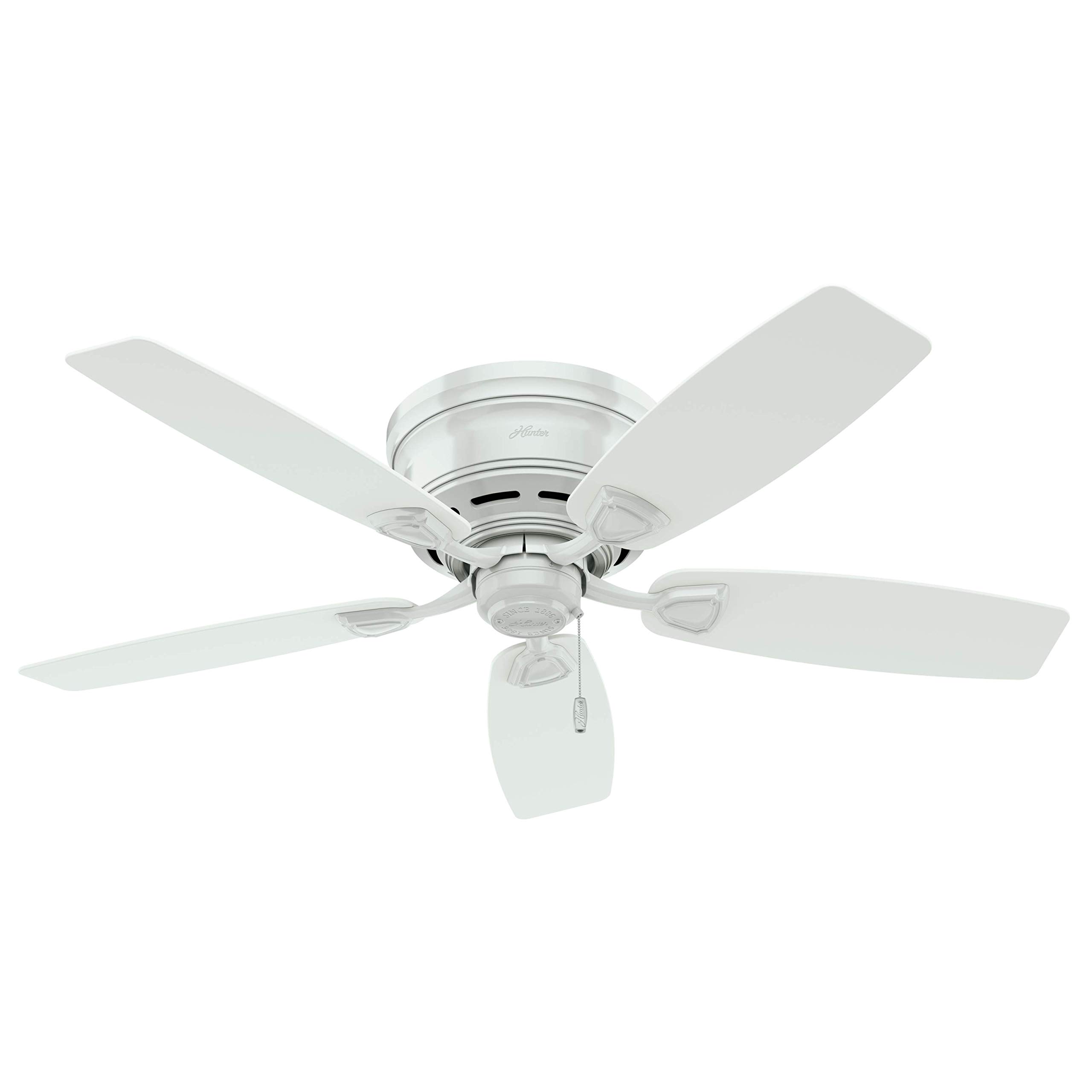


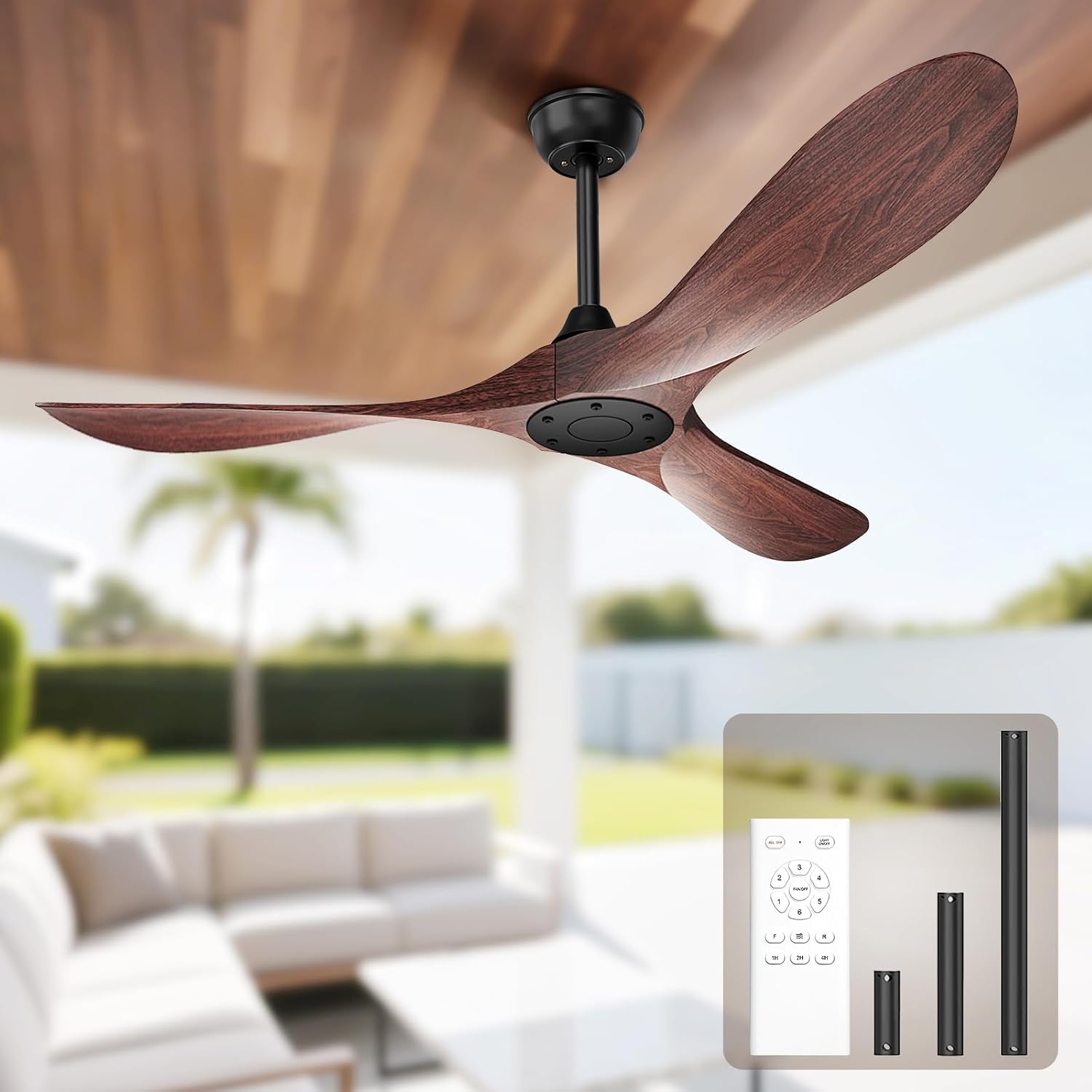


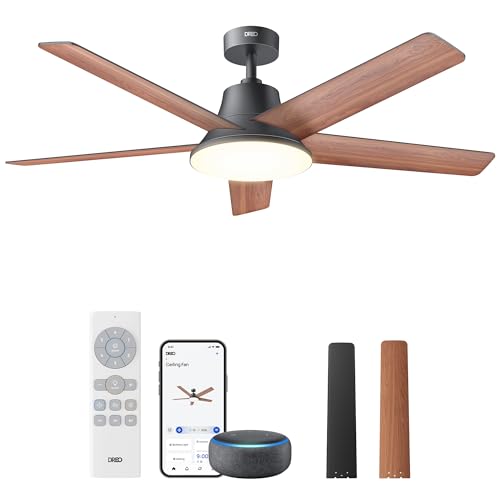
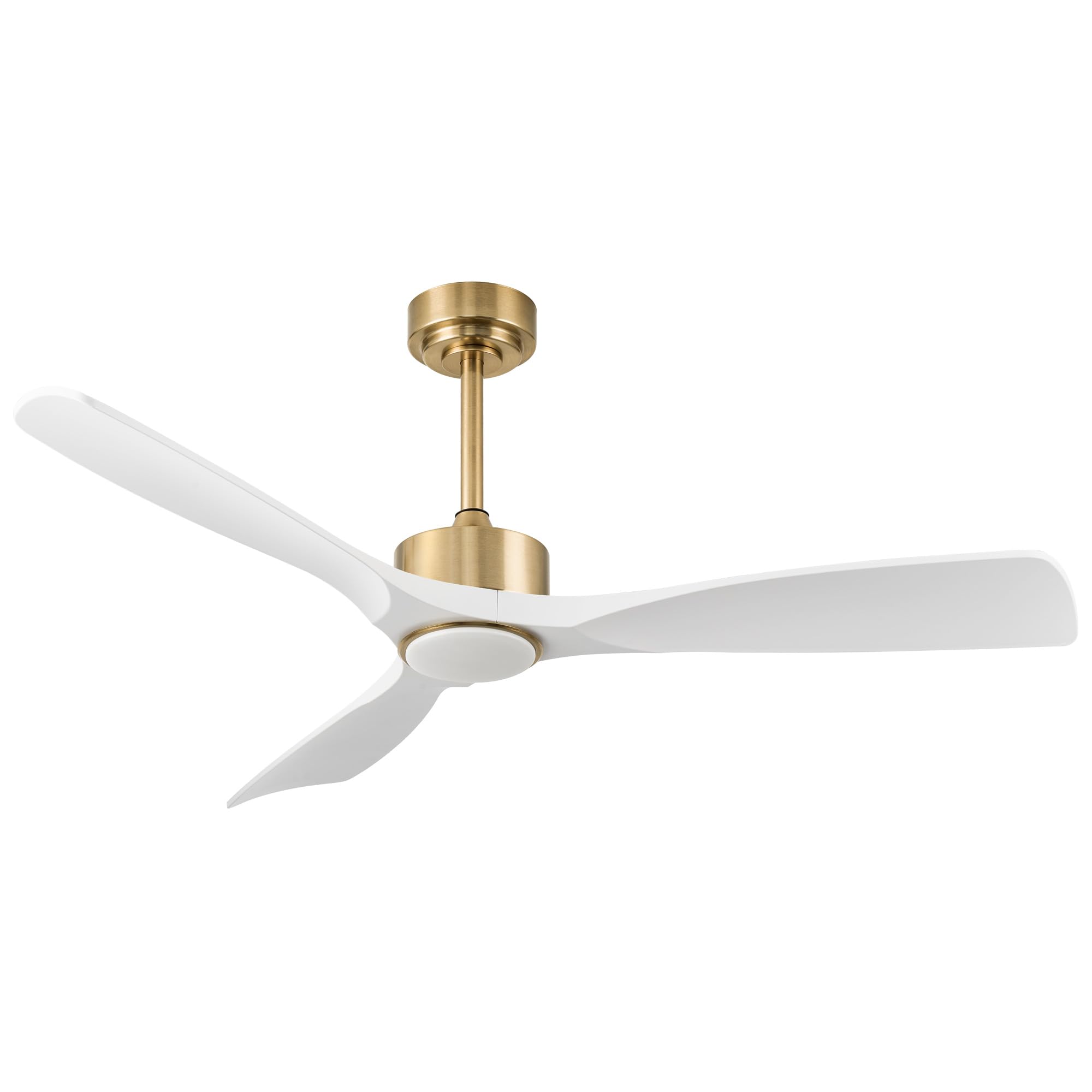
Ceiling Fan Types to Compare at a Glance
Under $200, most options fall into three broad types. Standard fans with a downrod suit higher ceilings and give you the widest choice of sizes and finishes. Flush mount fans sit close to the ceiling and protect headroom in low rooms. Fans with an integrated light combine cooling and lighting in one fixture, which helps in a room with a single central fitting.
- Standard downrod fans suit living rooms and taller ceilings where blade clearance is easy to keep.
- Flush mount fans suit bedrooms and low ceilings where every inch of headroom matters.
- Light integrated fans suit rooms that need one fixture to handle both air movement and lighting.
Three Approaches Worth Comparing Under $200
Instead of chasing a single winner, compare the approach that fits your room and habits. The three paths below spend the same budget in different ways, and each one trades something away.
The Balanced Standard Fan
A balanced standard fan puts the money into the parts you feel daily. Look for a common 52 inch span, a motor with a reversible direction setting, at least three speeds, and a remote you can use from the sofa or bed. You give up unusual shapes and advanced app control, but you gain steady airflow, moderate noise, and simple parts support for years.
Fewer Controls, Sound Basics
A value focused fan trims the control package so the motor and blades can stay competent at a lower price. Pull chain control, a basic wall switch setup, and a simpler light cover are common savings here. This path works well in a guest room, office, or rental where guests need obvious controls and nobody wants an app account. Spend the money you save on the correct mount and a brighter bulb or light kit if the room needs it.
Light and Control First
A feature led fan spends more of the budget on an integrated LED panel, a full function remote, and sometimes WiFi control. That suits a bedroom where you want dim light at night and a timer that turns the fan off after you fall asleep. The trade off is usually a narrower choice of finishes and a light source you cannot swap like a bulb. Check the stated lumens carefully, because a long feature list can hide a dim light.
How We Chose the Best Ceiling Fans Under $200
We judged this price band on brightness in lumens and color temperature, style and finish range, ease of installation, energy efficiency, and plain value for the money asked. The points here come from maker specification sheets and recurring themes in verified buyer feedback. If your budget can stretch past this cap, our guide to the best ceiling fan shows what the extra money usually adds.
How to Choose the Right Ceiling Fan
Work through the points below in order, because size and mounting rule out more models than style ever will. Our full guide on how to choose a ceiling fan covers the same decisions in more depth if you are fitting an unusual room.
Size and Form Factor
Blade span should follow room area. A span of about 42 inches suits a small room near 100 square feet, 44 to 52 inches suits most bedrooms and midsize living rooms, and 60 inches or more suits a large open space. A fan that is too small must run at full speed to feel useful, while an oversized fan can look crowded and cost more to buy. Match the form to the span, with flush mount designs for low ceilings and downrod designs for taller ones.
Type
Standard and flush mount fans cover most homes at this price, and the choice between them is mostly about ceiling height. Smart fans add app and voice control but still use the same basic mounts. Outdoor models need a damp or wet location rating and materials that resist rust, so never put an indoor only fan on a covered porch. Enclosed and caged designs protect blades in bunk rooms and workshops, though they usually move less air than open blade fans of the same size.
Features Worth Paying For
A remote, a reversible motor, and a timer earn their cost because you will use them every week. A DC motor can run more quietly and use less power at low speed, and our explainer on dc vs ac ceiling fan motors walks through that choice. Pay less attention to decorative blade shapes, novelty finishes, and bundled smart features you will never set up. If a feature needs an account, a hub, and weekly updates, count that upkeep as part of its real price.
Lumens and Color Temperature
If the fan light is the main light in the room, look for about 1600 lumens or more in a large room and about 800 lumens in a small one. Color temperature shapes the mood. Light at 2700K to 3000K looks warm and suits bedrooms, while 4000K looks neutral and suits kitchens and laundry rooms. Some integrated LED fans lock you into one color, so check whether the color can be changed at install or from the remote before you buy.
Fixture Size and Placement
Blades should sit at least 7 feet above the floor, with 8 to 9 feet giving the most comfortable clearance and airflow. Keep blade tips at least 18 inches from the nearest wall, and use a longer downrod or a sloped ceiling adapter where the ceiling demands it. Shoppers planning a sleep focused setup can compare notes in our guide to the best ceiling fan for bedroom, while open plan spaces are covered in our guide to the best ceiling fan for living room.
Dimmable and Smart Options
Dimmable light only works when the fan light, the dimmer, and the control method all agree, so read the listing for the exact dimming method your model uses. Some fans dim from the remote only and will flicker on a wall dimmer. WiFi models can follow schedules and respond to Alexa voice commands, which helps in a room you use at set hours. Keep the supplied remote anyway, because it remains the fastest backup when your network goes down.
Installation
Nearly every ceiling fan in this range is hardwired into a fan rated electrical box that can carry the full weight and vibration of the fan. True plug in ceiling fans are rare, and most plug in air movers are portable fans rather than ceiling fixtures. Turn the power off at the breaker and confirm the box rating before you start. Our step by step overview of how to install a ceiling fan explains the sequence, and an electrician is the right call if your wiring or box looks damaged.
How Much Should You Spend?
Fans under $100 are usually small, basic, and best for a compact room with modest airflow needs. Models at about $100 to $150 add better remotes, wider spans, and more finish choices. Near the top of this budget, about $150 to $200, you can often add a DC motor, a brighter integrated light, and quieter low speeds. Spending over $200 mainly buys larger spans, premium materials, and longer motor coverage rather than a different kind of cooling.
What You Get and Give Up Under $200
At this price you can expect solid airflow for one room, a usable remote, an LED light on many models, and finishes that match common decor. Motors are efficient enough for daily use, and parts such as remotes and mounting hardware are widely available. That trade off is why the best ceiling fan under 200 is usually a simple model done well rather than a feature packed model done cheaply.
What you give up is range at the edges. Very large spans, solid wood blades, advanced smart scenes, and field replaceable light parts become scarce. Color choices for the integrated light may be fixed, and motor coverage is often shorter than on premium lines. If your room is standard size and your ceiling is flat, those losses rarely matter in daily use, which is why this band stays popular.
FAQs
What is the best ceiling fan under $200?
There is no single model that wins for every room, so shop for a profile instead. A 52 inch fan with a reversible motor, a remote, and a light that matches your room size covers most homes well. One point buyers miss is the return window. Buy from a listing with clear span, mount, and lumen figures so you can spot a mismatch on paper before the box is opened and return it unused if the specs were wrong.
Can you get a good ceiling fan for under $200?
Yes, as long as your room is a standard size and your ceiling suits a common mount. This budget covers the motor quality and blade sizes most homes need. Judge goodness by airflow per watt and by how the fan behaves at low speed at night, not by top speed alone. A fan that stays quiet and steady on its lowest setting will feel better made than a stronger fan that hums.
How long does a ceiling fan last?
A ceiling fan motor commonly lasts about 10 to 20 years, while remotes, receivers, and light parts tend to fail sooner. New warning signs include a wobble that stays after you balance the blades, a hum that grows over weeks, or speeds that stop responding. Those faults can point to electrical parts, so stop using the fan and call an electrician if you see sparking, smell burning, or notice the fixture pulling away from the ceiling.
Is a ceiling fan worth it?
A ceiling fan is worth it when you run it while people are in the room, because moving air makes skin feel cooler and lets you ease back on air conditioning. A fan cools people, not rooms, so switch it off in an empty room to save the small amount of power it draws. In winter the benefit is smaller but real, since gentle upward airflow can push warm air down from the ceiling without creating a draft.
How do you clean a ceiling fan?
Turn the fan off and let the blades stop fully before you clean them. Slide an old pillowcase over each blade and pull it back slowly so the dust stays inside the fabric instead of falling on the bed or floor. Wipe the motor housing with a dry cloth and keep liquids away from the housing and light. Use a stable ladder with someone nearby, and never reach over a spinning or still moving blade.
What is the most reliable ceiling fan brand?
No single brand guarantees a reliable fan, because reliability varies by model line and by how well the fan was installed. Stronger signs are a long motor warranty, spare remotes and receivers that stay in stock, and a safety listing from UL or ETL on the exact model. Keep your receipt and the model number from the top of the motor housing. Those two items make any later parts or warranty request far easier to resolve.
Final Thoughts
Pick the span first, the light second, and the controls third, and this budget will treat you well. The best ceiling fan under 200 is the one whose size, mount, and brightness fit your room on paper before style enters the decision. Look back at the product table above, check the box rating and ceiling height at home, and confirm the lumen figure on the listing before you order.


