
Best Ceiling Fan for Bedroom for 2026: A Complete Buying Guide
Disclosure: We may earn a commission when you buy through links on this page, at no extra cost to you. As an Amazon Associate I earn from qualifying purchases. Learn more

Learn how to choose the best ceiling fan for bedroom with sizing, noise, motor, light and control guidance for calmer nights and lower energy bills.
A bedroom fan has a harder job than a fan anywhere else in the house. It has to cool you while you sleep, run for hours without a hum or a click, and give you light that does not jolt you awake. The best ceiling fan for bedroom use is the one that stays quiet on its lowest speeds, moves air gently, and lets you change settings without getting out of bed. The comparison table below lines up the key specs side by side so you can spot the right size, motor and light setup quickly.
This guide walks through three buying profiles, then covers sizing, motor type, brightness, controls, installation and budget, so you can tell which specs matter for sleep and which extras to skip.
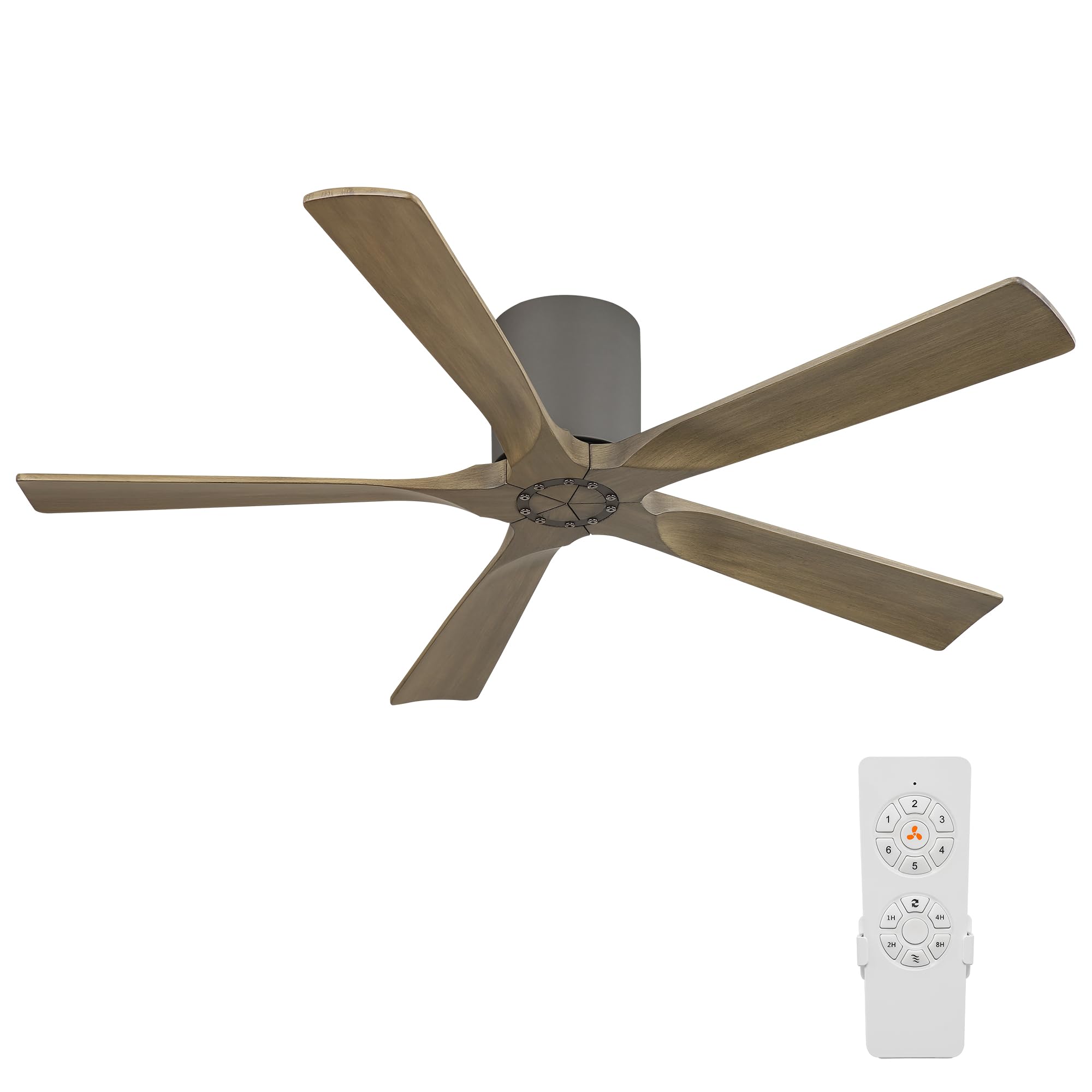

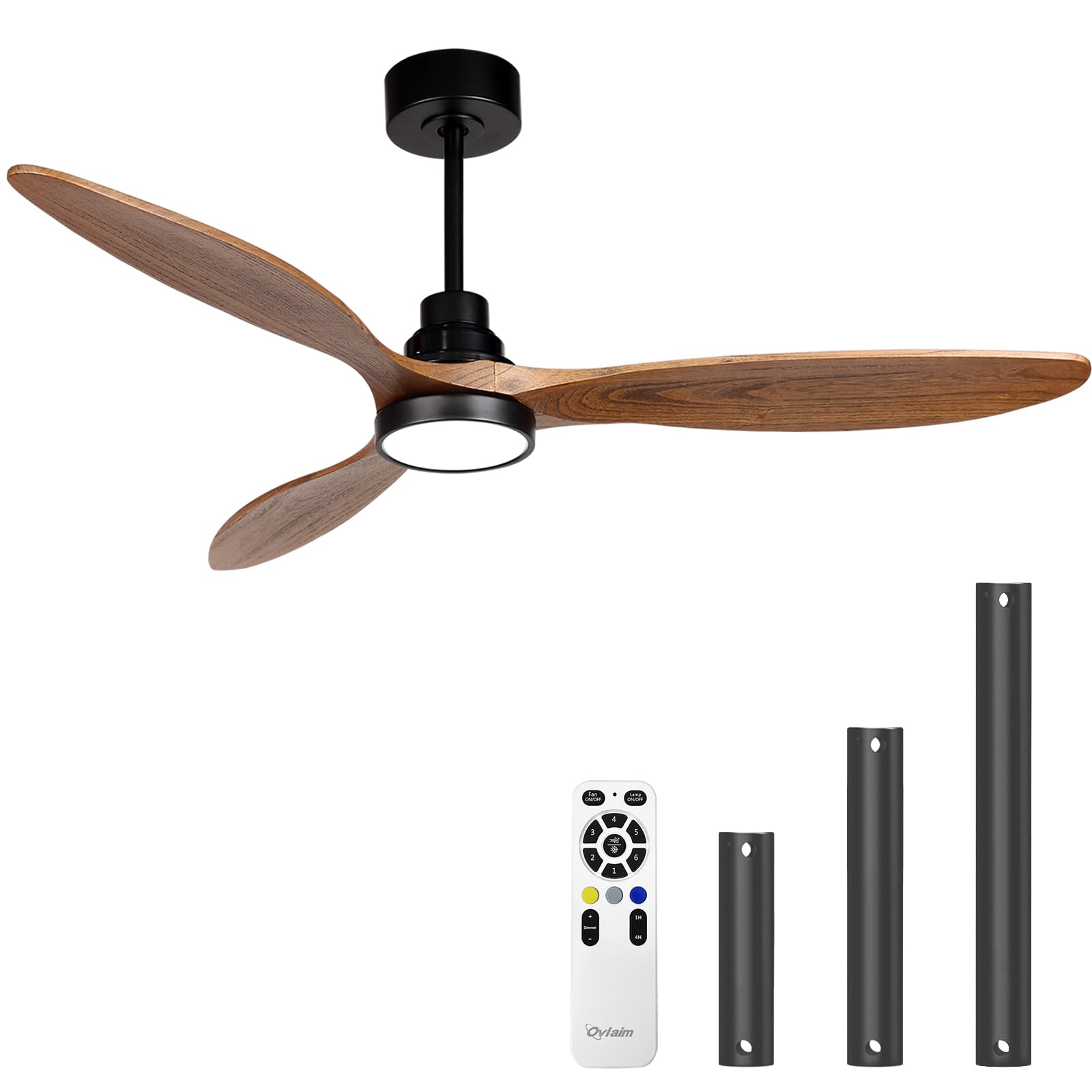
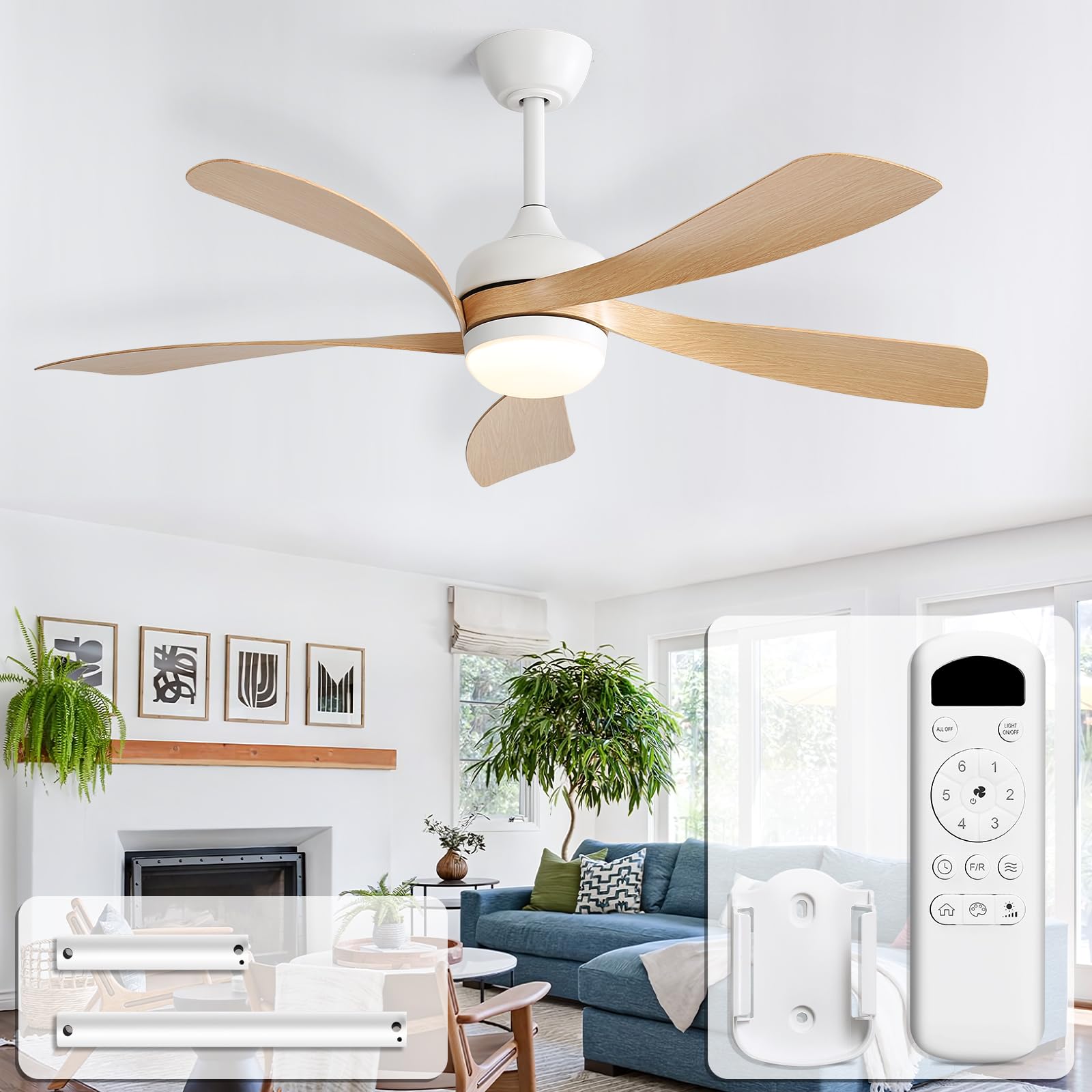
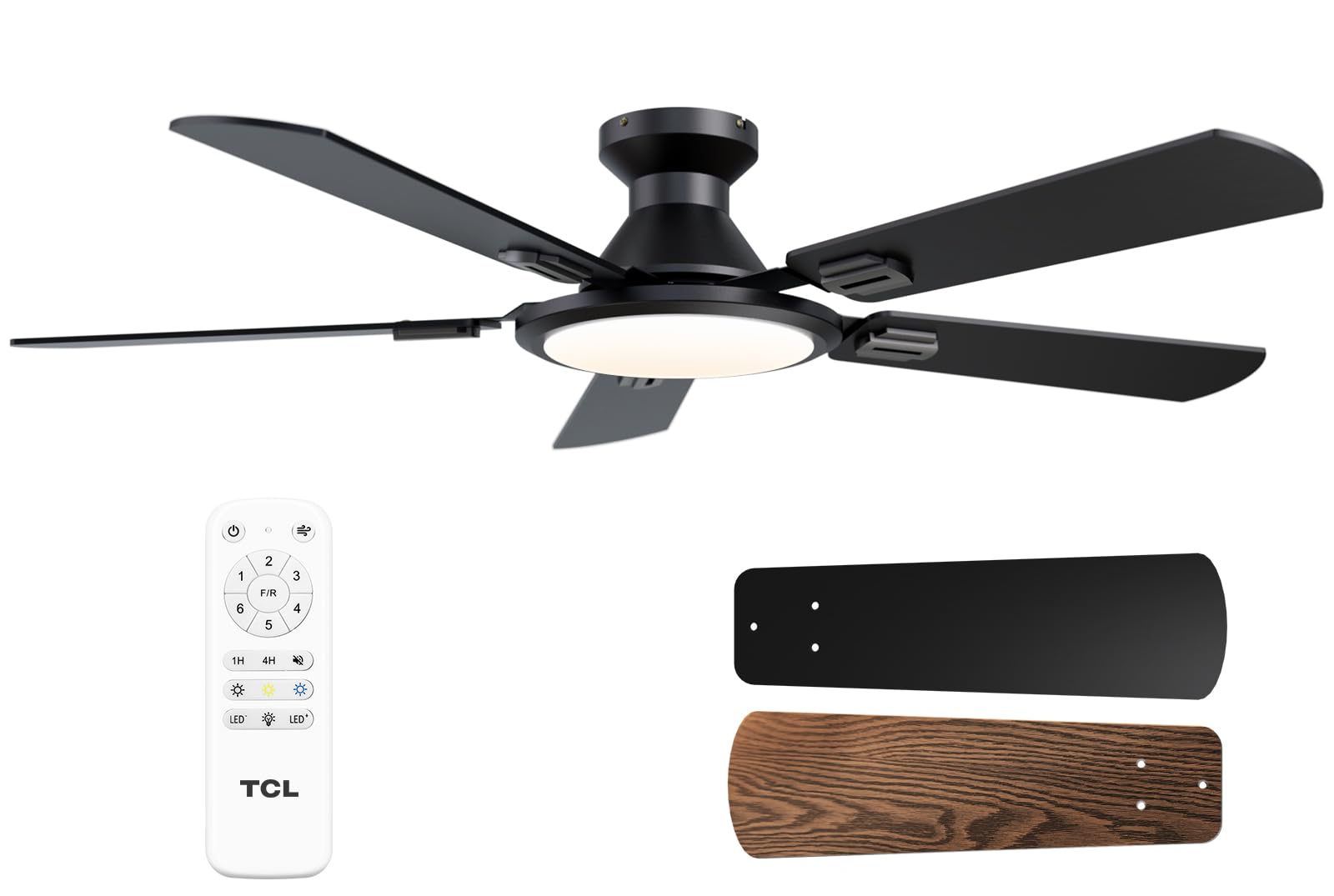


Three Buying Profiles and What to Prioritize
Instead of chasing a single winner, start with the profile that matches your room and your sleep habits. Each profile below points to a different mix of size, motor and controls, so use it to narrow the product table above before you compare finishes and prices.
The Balanced Sleeper Profile
Most bedrooms do best with a 52 inch fan, a quiet DC motor, a dimmable LED light and a remote you can use from the pillow. This profile suits a primary bedroom of about 150 to 250 square feet where the fan runs most nights. Prioritize a low speed that feels like a soft breeze rather than a draft, plus a light you can turn off while the fan keeps turning. Expect to pay about $150 to $300 for this mix.
The Value Focused Profile
If your budget sits under $150, you can still sleep comfortably by spending on the motor and the mount rather than on styling. A 44 inch or 52 inch AC motor fan with a simple remote covers most guest rooms and smaller bedrooms well. Skip smart features and decorative blade shapes at this price, because a plain fan that runs true and quiet beats a fancy fan that wobbles.
The Premium Comfort Profile
Light sleepers and large primary suites justify spending about $300 to $500 on finer control. At this level you gain more speed settings, smoother low speed airflow, better balanced blades and a warmer, more accurate light. A larger span of 54 to 60 inches suits rooms over 250 square feet, and a sleep timer saves you waking up cold in the early hours.
What This Guide Prioritizes
Bedroom fans should be judged first on the things you notice at 2 a.m., not on showroom looks. This guide weighs noise on low speeds, brightness in lumens, color temperature, ease of installation and energy efficiency ahead of decorative detail. Style and finish still matter, but they come last, once the sleep basics are covered. For a broader view across every room, see our guide to the best ceiling fan options for the whole home.
How to Choose the Right Ceiling Fan for Your Bedroom
Size and Form Factor
Blade span should follow room size. A 42 inch or 44 inch fan suits a small bedroom of up to about 120 square feet, while a 52 inch fan covers most rooms up to about 250 square feet. Larger suites may need 54 to 60 inches, and a very large room may even need two smaller fans for even airflow. A fan that is too small must spin fast and loud to cool you, while an oversized fan on low speed can feel calm and draft free.
Type and Style
Standard fans hang from a short downrod and suit ceilings of nine feet or more. Flush mount and low profile fans hug the ceiling, which keeps blades at a safe height in rooms with eight foot ceilings. If headroom is tight, compare the best flush mount ceiling fan styles before you settle for a downrod model. Style choices such as modern, farmhouse or caged designs change looks more than performance, so pick the finish after the size and mount are settled.
Motor Type and Noise
The motor decides how the fan sounds at night. DC motors use less energy, offer more speed settings and usually run quieter, which makes them the natural pick for light sleepers. AC motors cost less and have a long track record, but they often give you only three speeds and a faint hum on low. For the full technical picture, read our explainer on dc vs ac ceiling fan motors and running costs. Whichever type you choose, balanced blades matter as much as the motor, because a slight wobble creates a rhythmic tick that is hard to ignore in a quiet room.
Features Worth Paying For
A remote control is close to essential in a bedroom, since nobody wants to cross a dark room to change the speed. A sleep timer is the next most useful extra, letting the fan slow down or stop once you are asleep. Reversible airflow earns its cost in colder months, because the fan can push warm air down from the ceiling at a gentle speed. Integrated LED lighting removes the need for a separate kit, and smart control is a nice extra if you already use a smart home system.
Lumens and Color Temperature
Bedroom light should relax you, not wake you up. Look for an integrated light in the range of about 800 to 1600 lumens, which is enough for dressing and reading without flooding the room. Color temperature matters just as much: warm light at about 2700 to 3000 kelvin feels calm in the evening, while cooler light above 4000 kelvin can feel harsh before bed. Always check that the fan blades can spin with the light fully off.
Ceiling Height and Placement
Blades should sit at least seven feet above the floor, and eight to nine feet is the comfortable target for both safety and airflow. On a standard eight foot ceiling, a flush mount keeps you in that range. On taller ceilings, a downrod brings the fan down so its breeze actually reaches the bed instead of circling overhead. Center the fan over the room, keep blades at least 18 inches from any wall, and check the slope limit if your ceiling is angled.
Dimmable and Smart Options
Dimming is worth more in a bedroom than in any other room. A light that drops to a soft glow lets you read, find the bathroom at night or settle a child without full brightness. Check that dimming works from the remote, not only from a wall switch. Smart fans add scheduling, so the fan can start before bedtime and ease off before your alarm, but confirm the plain remote still works if your WiFi goes down.
Installation Basics
Almost every bedroom fan is hardwired into a ceiling electrical box, and that box must be rated to support a moving fan, not just a light fixture. Turn off power at the breaker, confirm the box rating printed inside it, and follow the maker instructions during assembly. If your room has no ceiling box, or the wiring is old, hire a licensed electrician and check local rules before adding one. Our step by step guide on how to install a ceiling fan walks through the full process, tools and safety checks.
How Much Should You Spend?
Under $100 usually buys a small fan for a guest room, with fewer speeds and a basic light. Between about $100 and $200 you get proper 52 inch sizing, a remote and a quieter motor, which is where most bedrooms should shop. From about $200 to $300, DC motors, better dimming and warmer light become common. Above $300 you are paying for finer speed control, larger spans, premium finishes and longer warranties, so let quiet and control guide your budget.
What Matters Most When You Sleep Under a Fan
Sleep changes the rules for airflow. Your body cools naturally overnight, so a speed that feels perfect at bedtime can feel chilly by morning, which is why a timer or a very gentle lowest setting matters so much. Direct airflow on your face all night can also dry your eyes and throat, so a fan that spreads air across the room often rests easier. Noise matters more than raw power here, because a steady soft sound masks street noise while a changing hum draws your attention.
A ceiling fan also works with your cooling system rather than against it. Moving air lets you set the thermostat a few degrees higher while feeling the same comfort, which trims summer bills. For a full comparison of running costs and cooling power, see our breakdown of how to choose a ceiling fan for any room in the house. In winter, reversing the fan at low speed pulls warm air down the walls without a draft, so the same fixture earns its place all year.
Common Mistakes to Avoid
- Buying by looks alone and ending up with a span that is wrong for the room, so the fan runs fast and loud every night.
- Mounting a fan on a box rated only for a light fixture, which can loosen over time and become a safety hazard.
- Choosing bright, cool white light that feels fine in the store but keeps you alert when you want to wind down.
- Forgetting to check that the light and fan work separately, so you must choose between darkness and airflow.
- Skipping the balance check after installation, leaving a small wobble that turns into an annoying tick within weeks.
- Placing the fan off center on a sloped ceiling without the right mount, which strains the motor and shortens its life.
Frequently Asked Questions
What is the best ceiling fan for bedroom use on most nights?
For most people it is a 52 inch DC motor fan with a remote, a sleep timer and a dimmable warm light. One extra test helps you decide: run the fan on its lowest speed in a quiet store or check the stated sound level, because the lowest speed is the one you will actually sleep under. If that setting is silent and the breeze feels soft, the fan fits the job.
What should I look for in a ceiling fan for a bedroom?
Start with the right span for your room size, then check motor noise, light warmth and controls you can reach from bed. A useful order of checks is box rating first, span second, motor third and light last, since a fan that cannot mount safely never reaches the style stage. Also confirm the pull chain or remote can run the fan with the light off.
How long does a ceiling fan last?
A ceiling fan typically lasts about 10 to 15 years, and a quality motor can run longer with basic care. Lifespan depends heavily on nightly hours, so a bedroom fan used eight hours a night ages faster than a living room fan used on weekends. Loose mounting and dust buildup on the blades add strain, so a yearly tightening and cleaning session is the simplest way to reach the long end of that range.
Is a ceiling fan worth it in a bedroom?
Yes, a ceiling fan is worth it in most bedrooms because it improves comfort for a fraction of the cost of extra air conditioning. A typical fan uses about as much power as a bright light bulb, so running it all night costs very little. Steady moving air and soft white noise also help many people fall asleep faster.
How do you clean a ceiling fan?
Turn the fan off and let it stop fully, then slide an old pillowcase over each blade and pull it back slowly so the dust stays inside the fabric. Wipe the motor housing with a dry or slightly damp cloth, and never spray cleaner directly onto the motor. Cleaning every few months also protects your sleep, because dust shed from dirty blades can bother sensitive noses overnight.
What is the most reliable ceiling fan brand?
No single brand wins on reliability, because reliability comes from the motor build, the warranty terms and correct installation more than from a name. A better test is to compare motor warranty length, whether the fan carries a recognized safety listing, and how easy it is to get replacement remotes and blade arms years later. A fan with a lifetime motor warranty from any established maker is a safer bet than a stylish fan with a one year warranty.
Final Thoughts
The right bedroom fan is the one you forget is running. Match the span to your room, choose a quiet motor, insist on warm dimmable light and keep the controls within reach of the pillow. Check the product table above once more against those four tests, and the best ceiling fan for bedroom comfort for your room will be easy to spot. Prices and availability can change, so check the product page before ordering.


