
Best Centrifugal Pumps: Our 2026 Checklist and Buying Guide
Disclosure: We may earn a commission when you buy through links on this page, at no extra cost to you. As an Amazon Associate I earn from qualifying purchases. Learn more

Use this checklist to choose the best centrifugal pumps by flow, head, materials, and duty type, and avoid the sizing mistakes that waste money.
A centrifugal pump is a simple machine with an unforgiving spec sheet. Buy one size too small and it runs all day without moving enough water. Buy one with the wrong materials and the seals fail early, sometimes within a single season. The headline flow number on the box tells you almost none of this, because it is measured under ideal conditions you will never have.
This checklist shows you how to judge the best centrifugal pumps for your actual job: the flow you need, the head you must overcome, and the liquid you are moving. Settle those three facts first, then compare your shortlist with the product table above.
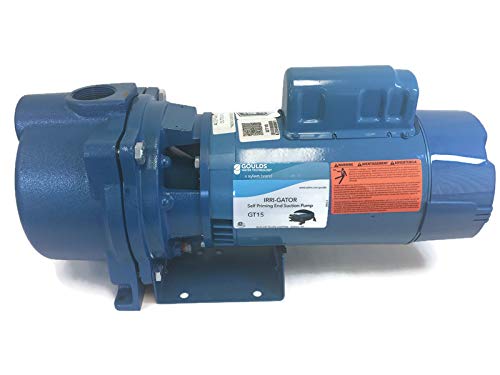

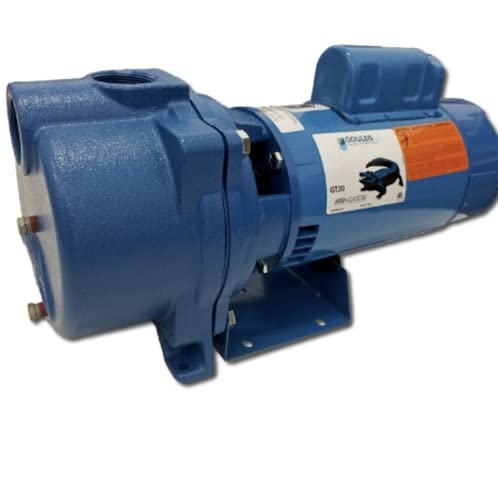

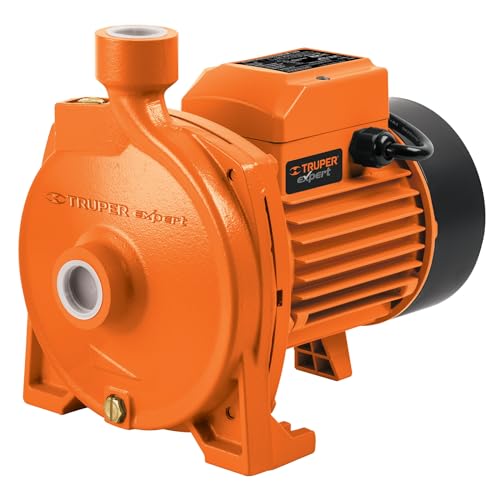


How We Evaluate Centrifugal Pumps
Every criterion below connects to a number you can check before buying. A pump that fits your duty point, suits your liquid, and carries sane running costs will outperform a bigger pump chosen on headline flow alone.
Intended Use and Who It Is For
Define the job in one sentence before you look at any model. Moving clean water for irrigation, draining a pool, boosting household pressure, and circulating process fluid are different duties with different demands. Note whether the pump runs minutes per week or hours per day, because duty cycle decides how much build quality matters. A homeowner draining a tank twice a year and a farmer irrigating daily should not buy the same pump, even when the flow numbers look similar on paper.
Size, Weight, and Fit for Your Space
Check the footprint, the inlet and outlet sizes, and the orientation of the connections against your existing pipework. A pump that needs several adapter fittings adds cost and leak points. Weight matters for portable use, since a cast iron pump that two people lift happily in a store feels very different at the far end of a field. Fixed installations should leave room around the pump for seal changes and motor ventilation. Crowded installs are the ones that get skipped during routine maintenance.
Maintenance and Long Term Costs
The purchase price is only part of ownership. Seals, bearings, and impellers wear, and the real question is whether spares are available and affordable for your model. A pump with a standard mechanical seal you can replace in an hour beats a sealed unit that must be discarded when it leaks. Electricity is the other long term cost. A correctly sized pump running near its efficient point uses noticeably less power per gallon moved than an oversized pump throttled back all day.
Build Quality and Materials
Match materials to the liquid. Cast iron suits clean water, stainless steel resists corrosion in harsher water and light chemicals, and engineered plastics handle many corrosive liquids that would attack metal. The impeller material matters just as much, since it faces the full flow. Check the shaft seal type and the motor protection rating if the pump lives outdoors or in a damp pit. Paint and casing finish are minor, but rough castings and vague material descriptions hint at loose quality control overall.
Key Performance Specs
Two numbers define fit: flow, usually in gallons per minute or per hour, and head, the height or pressure the pump must work against, stated in feet or psi. Read them together on the pump curve, not as separate headline figures, because maximum flow happens at zero head and maximum head happens at zero flow. Find the point where your needed flow and your system head meet, and confirm the curve passes through it. That single check eliminates most bad purchases before money changes hands.
Price vs Value
Budget pumps for light water duty often cost under $150, mid range models with better seals and motors run about $150 to $500, and premium or specialty pumps go above that. Value means cost per year of service, not the tag on the box. A mid range pump that runs a decade with one seal change is cheaper than two budget pumps that each fail in year three. Warranty length is a useful value signal here, since makers price expected failures into their terms.
What Passing the Checklist Looks Like at Each Price Tier
Mid Range Tier
The mid range tier suits most buyers. Expect a published pump curve, a cast iron or stainless casing suited to clean water, a standard replaceable seal, and a motor with thermal protection. Efficiency at common duty points is respectable, and spare parts are orderable rather than theoretical. Prices around $150 to $500 buy a pump you can maintain for years. If your job is regular irrigation, pressure boosting, or transfer work, start here and only move tiers when your liquid or duty cycle demands it.
Entry Tier
Value tier pumps handle occasional, undemanding jobs well: draining a water tank, emptying a pool, or moving water short distances on flat ground. You accept lighter casings, shorter warranties, and curves that are sometimes optimistic. The smart way to buy this tier is to size generously, since a budget pump working at its limit wears fast, while the same pump cruising below its maximum lasts far longer. Keep the receipt and test the pump under real load during the return window.
Premium Tier
Premium pumps earn their price in continuous duty, corrosive liquids, or installations where a failure floods a space or stops a process. You get better bearings, higher grade seals, documented efficiency, and support that can answer sizing questions with real data. For a home user, this tier is usually more than needed. For a small business, a greenhouse, or a chemical handling task, the reliability gap is the entire point. Buy premium when downtime costs more than the price difference.
Quick Buyer Checklist
- Do you know the flow you need, in gallons per minute or per hour?
- Have you calculated total head, including lift, pipe length, and fittings?
- Does the pump curve pass through your duty point with margin?
- Are the casing and impeller materials safe for your liquid?
- Do the inlet and outlet sizes match your pipework?
- Are spare seals and impellers available for this model?
- Is the warranty at least two years for regular duty use?
Red Flags to Watch For
A listing with no pump curve is the clearest red flag, because it hides the only honest performance data. Be wary of headline flow figures with no head stated beside them, and of horsepower claims with no electrical details to back them. Vague material words such as heavy duty metal, with no named alloy or polymer, usually mean the cheapest option was used. Very short warranties, missing spare parts support, and no stated protection rating for outdoor use complete the pattern. If several of these appear together, walk away regardless of price.
Choosing Centrifugal Pumps for Your Situation
Best Water Centrifugal Pumps
For clean water work, the best water centrifugal pumps are the mainstream of the category: cast iron or thermoplastic casings, standard seals, and curves sized for irrigation, transfer, and drainage. Prioritize a curve that meets your duty point efficiently and a self priming design if the pump must lift water from below its level. Shoppers focused only on water can compare more options in our guide to the best centrifugal water pumps.
Best Electric Centrifugal Pumps: What to Check
With the best electric centrifugal pumps, the motor details decide satisfaction. Confirm voltage and phase match your supply, since a three phase motor is useless on a single phase home circuit. Check the amp draw against your breaker capacity, and favor motors with thermal overload protection. A standard frame motor is easier and cheaper to replace years later than a maker specific design. Keep the motor dry and ventilated, and never run an electric pump from a damaged cord or an unprotected outdoor outlet.
Best Chemical Centrifugal Pumps: What to Check
The best chemical centrifugal pumps start with chemical compatibility charts, not flow numbers. Every wetted part, casing, impeller, seal faces, and elastomers, must be rated for your specific liquid and its concentration and temperature. Seal material mistakes are the classic failure here, since a seal that swells or cracks leaks hazardous fluid. Wear gloves and eye protection when handling or servicing any chemical pump, follow the safety data sheet for your liquid, and contain drips rather than washing them into drains.
Best Water Pumps Centrifugal Pump: What to Check
Buyers searching for the best water pumps centrifugal pump options for homes usually need pressure boosting or garden supply. Here the deciding points are quiet running, a pressure switch or controller that cycles the pump sensibly, and protection against running dry, which destroys seals quickly. A small pressure tank smooths cycling and extends motor life. If your layout is a compact vertical install, our guide to the best vertical single stage centrifugal pumps covers that footprint in detail.
Tips to Get the Most From Your Centrifugal Pump
Read the manual before first use, especially the priming steps, because most centrifugal pumps cannot lift water until the casing is filled. Prime fully, open the discharge path, and confirm rotation direction on three phase motors. Clean strainers, inspect seals for early leaks, and listen for new bearing noise during regular checks. Store portable pumps drained and dry, since trapped water corrodes casings and can crack them in freezing weather. Never let a pump run dry while you troubleshoot something else.
FAQs
How long does a centrifugal pump last?
A centrifugal pump in regular clean water service often lasts about eight to fifteen years. The seal is the usual wear item and may need replacement every few years, while bearings and motors last longer when the pump runs near its efficient duty point. Running dry, pumping grit, or constant operation far from the design point shortens life sharply. Our guide to the best efficiency point centrifugal pumps explains why operating near that point protects the machine.
How do I maintain a centrifugal pump?
Basic maintenance is simple and mostly inspection. Keep the suction strainer clean, check for seal drips, confirm mounting bolts stay tight, and keep the motor cooling fins free of dust and debris. Lubricate bearings only if the maker provides for it, since many modern bearings are sealed for life. Record running hours if the pump works daily. An annual check before the heavy season prevents most surprise failures and costs less than one emergency replacement.
Are expensive centrifugal pumps worth it?
They are worth it when the pump runs daily, moves harsh liquids, or protects something valuable from flooding or downtime. Premium money buys bearings, seals, and efficiency that show up as years of service and lower power bills. For occasional water transfer, the premium rarely pays back. Judge by cost per year and cost of failure together. Shoppers who rank build quality first can also browse our guide to the best quality pumps for the wider category.
How much should I spend on a centrifugal pump?
For light home water duty, about $100 to $250 covers a serviceable pump with a real warranty. Regular irrigation, boosting, or farm use justifies about $250 to $500 for better seals and motors. Chemical or continuous duty work can require more, driven by materials rather than power. Spend first on correct sizing and materials, because an expensive pump of the wrong type is still the wrong pump, while a modest pump correctly matched often runs for years.
What features matter most when buying centrifugal pumps?
The pump curve, materials, and seal quality matter most, in that order. The curve proves the pump can do your job at your head and flow, and materials prove it can survive your liquid. After those, look at spare parts availability and warranty. Layout also matters in fixed installs. If your pipework runs in a straight line, our guide to the best horizontal end suction centrifugal pumps covers that common arrangement and its service advantages.
Final Thoughts
Size to your duty point, match materials to your liquid, and buy from a maker who publishes a curve and stocks spare seals. Those three habits prevent nearly every bad outcome in this category. The best centrifugal pumps for you are simply the ones that meet those checks at a fair price for your duty cycle. Compare your finalists in the product table above, and verify the curve data one last time before you order.


