
Best Centrifugal Water Pumps: Our 2026 Checklist for Choosing Well
Disclosure: We may earn a commission when you buy through links on this page, at no extra cost to you. As an Amazon Associate I earn from qualifying purchases. Learn more

Use this buying guide for the best centrifugal water pumps to check flow rate, head, build quality, safety and value before you choose a pump.
A centrifugal pump looks simple on the shelf, but the wrong one can leave a tank half empty, a garden dry, or a motor burned out. This guide gives you a clear scoring checklist for the best centrifugal water pumps so you can judge any model on flow, pressure, build and running costs. You will learn what numbers matter, what numbers are marketing, and where buyers most often waste money.
Start by naming your job in one sentence, such as moving rain water to a garden or boosting pressure to an upper floor. That sentence decides almost everything that follows, and the comparison table below will make much more sense once you know it.

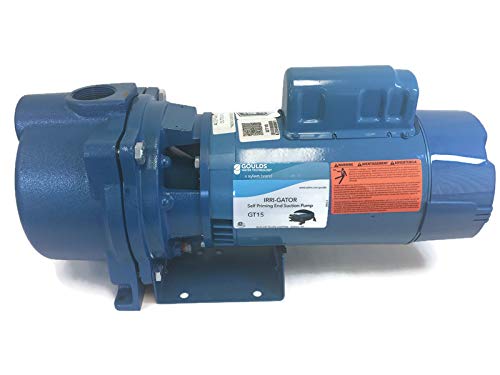
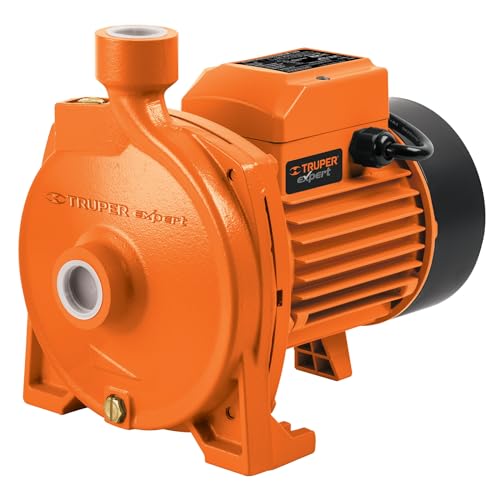

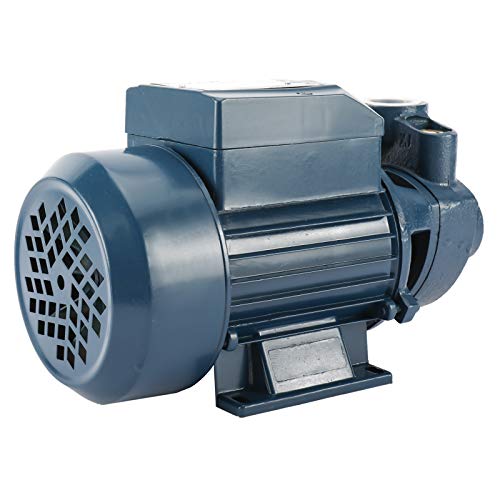


How We Evaluate Centrifugal Water Pumps
We score every pump against the same six criteria, in the same order. Flow and head come first because a pump that cannot move your volume of water to your height will fail no matter how well it is built. Build, safety and ease of use come next, and long term costs close the list because a cheap pump that needs early replacement is not cheap at all.
Intended Use and Who It Is For
Centrifugal pumps suit clean or lightly dirty water moved in volume, such as irrigation, tank transfer, pool circulation support and household pressure boosting. They are not the right tool for thick sludge, sewage or water loaded with grit, which calls for a different pump design. If your job is general transfer work, you may also want to see our guide to the best water pumps for a broader view of pump types before you narrow down. Match the pump duty rating to your pattern of use, because a pump rated for short bursts will overheat on long irrigation runs.
Size, Weight, and Fit for Your Space
Check the footprint, the inlet and outlet sizes, and the weight before you buy, not after the box arrives. Common port sizes are 1 inch and 2 inch, and reducing a larger port with adapters costs you flow. Weight matters if you move the pump between a shed and a garden, while a fixed installation cares more about a stable base and room for ventilation. Leave clear space around the motor for cooling air, and plan a level, dry mounting surface that will not vibrate or flood.
Maintenance and Long Term Costs
Long term costs include seals, impellers, electricity and your own time. Mechanical seals wear and will eventually weep, so confirm that seal kits are sold for the model and priced fairly. A strainer on the suction line protects the impeller and costs little. Electricity adds up on long runs, so a pump that finishes the job faster at a sensible wattage often costs less per season than a smaller pump that runs for hours. Keep the manual, note the seal size, and budget for one seal change over a typical ownership span.
Safety and Certifications
Water and electricity demand respect. Look for a grounded plug, a motor with thermal overload protection, and a recognized electrical certification mark for your region. Never run a pump while standing in pooled water, and plug into a ground fault protected outlet for outdoor work. Keep cords out of walkways and inspect them for cuts before each season. If a listing shows no certification, no overload protection and no clear maker name, treat that as a serious warning sign rather than a small omission.
Ease of Use and Setup
Good pumps prime easily, hold prime between uses, and explain their setup in plain steps. A clear priming port, a reachable drain plug and sensible hose connections save real frustration. Self priming designs forgive small air leaks and restart faster after a tank change. For portable transfer jobs, compare our notes on the best water transfer pumps, since carry handles, cord length and quick setup matter more there than raw pressure. Whatever style you choose, plan your suction line first, because most setup trouble starts on the suction side.
Build Quality and Materials
Cast iron housings shrug off knocks and hold alignment well, but they weigh more and can rust if paint fails. Engineered plastic housings resist corrosion and suit portable use, though they dislike overtightened fittings. Stainless steel wetted parts handle mildly corrosive water best. Check the impeller material, the shaft seal type and the motor cooling fins. A pump with a continuous duty motor, sealed bearings and a replaceable seal will usually outlast a lighter unit with a sealed for life design that cannot be serviced at all.
What Passing Options Look Like at Each Price Tier
Instead of naming models, use these tier profiles to judge whatever appears in the product table above. Prices shift, but the pattern of what each tier delivers stays fairly steady across brands and seasons.
What a Strong All Round Pump Looks Like
The all round sweet spot is a pump that meets your flow and head needs with room to spare, uses a cast iron or quality plastic housing, and carries a warranty of at least two years. Expect clear published performance curves, a continuous or generous duty rating, and spare seals that are easy to order. Around $150 to $350 covers most household and small farm needs in this tier. A pump in this band should start reliably, run quietly for its class, and hold prime without coaxing every single time.
What the Value Tier Looks Like
Value pumps, often around $80 to $150, suit occasional transfer work, small gardens and backup duty. You trade away some flow, a shorter warranty and lighter housing materials. That trade is fair if your runs are short and your water is clean. Check the duty rating twice in this tier, because light duty motors are the most common source of disappointment. A value pump that lists honest flow at a stated head is a better buy than one that shouts a huge maximum flow with no head figure beside it.
What the Premium Tier Looks Like
Premium pumps, often around $350 to $700 or more, buy you stainless or heavy cast construction, efficient motors, quieter running and longer warranties. They make sense for daily irrigation, pressure systems that serve a whole house, or water you cannot afford to stop moving. You also tend to get better documentation and real parts support. If your use is only a few weekends a year, this tier is more pump than you need, and the extra money is better spent on good hoses, fittings and a proper strainer.
Quick Buyer Checklist
Run through these questions before you order. Every yes makes the purchase safer, and any no tells you exactly what to check next.
- Do you know your needed flow in gallons per hour and your total lift height?
- Does the published curve show that flow at your actual head, not just at zero head?
- Do the port sizes match your hoses without flow choking adapters?
- Is the duty rating suited to your longest planned run?
- Does the motor have thermal overload protection and a grounded plug?
- Are spare seals and parts listed for this exact model?
- Is the warranty at least one year, and is the return window clear?
- Do you have a dry, level, ventilated spot ready for installation?
If you are comparing close cousins of this pump style, our guide to the best centrifugal pumps explains how end suction and multistage designs differ in plain terms.
Red Flags to Watch For
A few warning signs predict most bad purchases. Walk away, or at least pause, when you meet them in a listing.
- Flow claimed with no head figure, or head claimed with no flow figure.
- No duty rating, no certification mark and no identifiable maker or support address.
- A warranty of only a few months on a motor driven tool.
- Reviews that repeat the same phrases or praise delivery speed instead of pumping results.
- No spare parts listed anywhere, which turns a worn seal into a full replacement.
Decorative uses are a different world, so if your real need is a small recirculating unit, look at the best water fountain pumps instead of forcing a transfer pump into that role. Likewise, livestock tanks and hydroponic loops each reward a pump sized for their own flow pattern.
Care and Maintenance Tips
Read the manual before first use, because priming steps and seal warnings vary by design. Clean the suction strainer often, inspect hoses and clamps each season, and listen for new rattles that signal a worn bearing or loose impeller. Drain the pump before freezing weather and store it in a dry place. For glass tank systems with very different flow needs, the best aquarium water pumps follow other sizing rules, so keep those choices separate from utility pumping.
Frequently Asked Questions
How do I maintain a centrifugal water pump?
Keep the suction strainer clean, check the seal area for weeping, and drain the housing before freezes. Every few months, run the pump and listen for bearing noise, then inspect cords and clamps. Store spare seals with the manual so a small leak never becomes a long outage during your busiest watering week.
Are expensive centrifugal water pumps worth it?
They are worth it when the pump runs daily, feeds a whole house pressure system, or protects crops and animals that depend on water. Premium money buys efficient motors, serviceable parts and longer warranties. For a few short jobs each year, a mid priced pump plus good hoses usually gives better value.
How much should I spend on a centrifugal water pump?
Most households land between about $120 and $350 for a pump that lasts. Spend toward the lower end for occasional clean water transfer and toward the upper end for daily irrigation or pressure boosting. Always leave part of the budget for a strainer, sound hoses and fittings, which affect results as much as the pump itself.
What features matter most when buying centrifugal water pumps?
Flow at your real head matters most, followed by duty rating and seal quality. A published performance curve tells you more than any single headline number. After that, look at port size, overload protection and parts support. Fancy extras cannot rescue a pump whose curve misses your lift height or volume target.
How long does a centrifugal water pump last?
A well kept household pump often serves five to ten years, and longer with seal changes and dry storage. Life shortens fast when a pump runs dry, pumps gritty water, or works beyond its duty rating. Clean water, correct sizing and freeze protection are the three habits that add the most years.
Wrapping Up
Judge every candidate by flow at your head, duty rating and build quality, in that order. Use the checklist, respect the red flags, and let the comparison table above confirm the details. Chosen that way, the best centrifugal water pumps stop being a gamble and become a simple match between your job and a pump that was built for it.


