
Best Ceiling Fan Under 100 Dollars 2026: Buying Guide
Disclosure: We may earn a commission when you buy through links on this page, at no extra cost to you. As an Amazon Associate I earn from qualifying purchases. Learn more
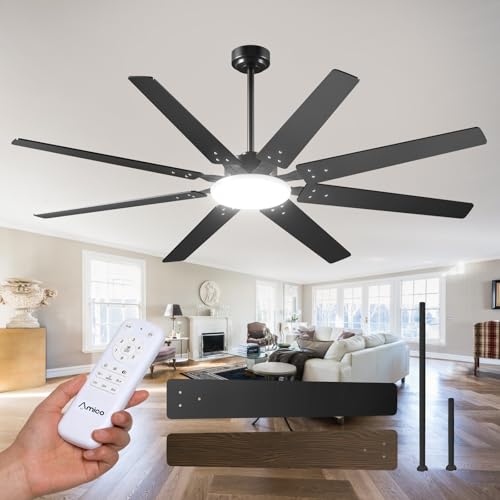
What a budget fan gives and what it skips: size, motor and light tips for the best ceiling fan under 100 dollars.
A fan under $100 can cool a room well, but listings look alike and numbers can mislead you. Blade size, motor type, light output, and mount style matter more than finish photos. This guide explains how to find the best ceiling fan under 100 dollars for your room, and the product table below sums up the main types side by side.
You will learn what airflow to expect at this price, which controls and lights are worth paying for, and what you give up compared with costlier fans. Start with room size and ceiling height, then match the fan to how you use that space.

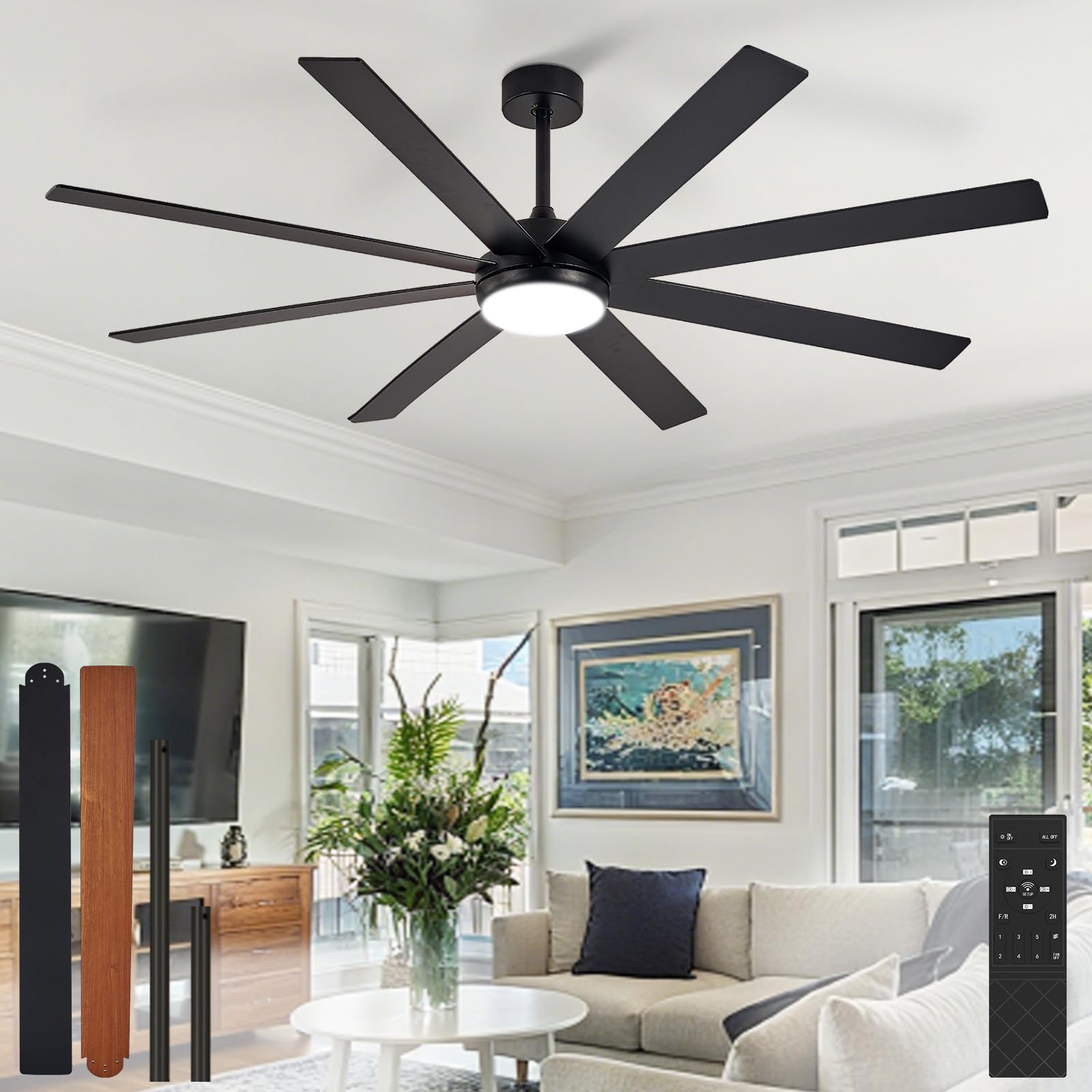


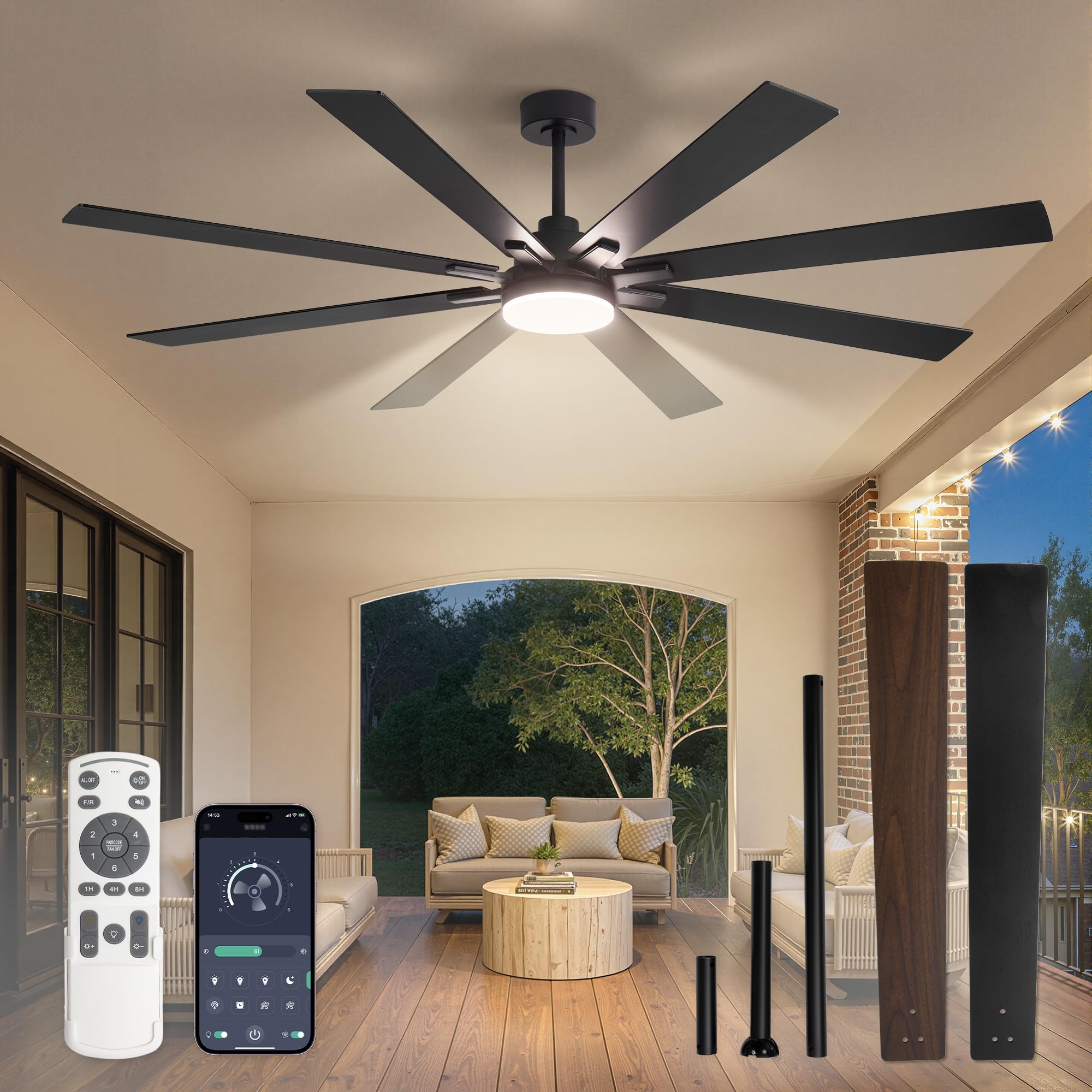

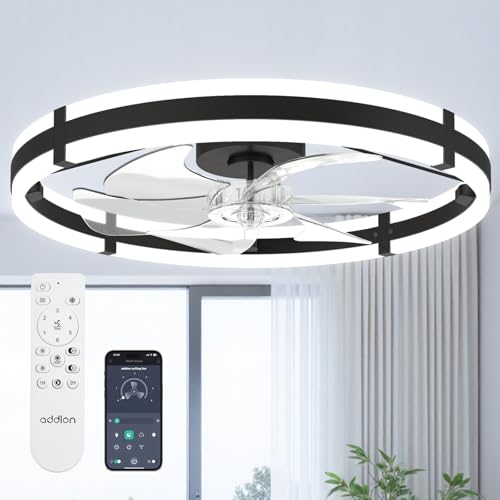
Types You Will See Under $100 at a Glance
Most fans at this price fall into three groups. Standard fans with a downrod suit regular ceilings and give the broadest choice of sizes. Flush mount fans sit close to the ceiling and suit rooms with low ceilings where headroom matters. Fans with a light and remote add convenience, but the light and control parts take a larger share of the budget.
None of these groups suits every room. A large standard fan will move more air in a living room, while a compact flush mount fan is safer above a bed in a small room. For wider coverage, see our guide to the best ceiling fan options.
Three Types Compared for Value Under $100
Standard Fans With a Downrod
Standard fans hang from a short rod, which places the blades at a good height in rooms with ceilings of eight feet or more. They tend to offer the best airflow for the money because the budget goes to the motor and blades rather than extra electronics. Choose this type for living rooms and larger bedrooms where you have clearance. Check that the lowest point will stay at least seven feet above the floor, and confirm the included rod length before you buy.
Flush Mount and Low Profile Fans
Flush mount fans attach directly to the ceiling box, so they work where a rod would bring the blades too low. They are common in bedrooms and smaller rooms with ceilings under eight feet. Airflow can be a little lower than a rod mounted fan of the same diameter because the blades sit closer to the ceiling, but the headroom gain is worth it. Measure from floor to ceiling first, then check the total installed height in the listing.
Fans With a Light and Remote Control
Combined light and fan units replace a central ceiling light and add cooling in one fixture, which is handy in bedrooms and rentals. A remote lets you change speed and light from bed or sofa. At this price the trade off is usually a smaller blade span or a simpler motor, so compare airflow first and treat the remote as a bonus. Check whether the light is built in LED or uses replaceable bulbs, because built in modules can be harder to replace.
How to Evaluate Fans at This Price
Judge every fan on the same points so price does not hide a weak motor or a dim light. Look at airflow in cubic feet per minute, blade span, motor type, light brightness and color temperature, mount style, and motor warranty. In reviews, search for wobble, noise, and remote failures rather than reading the average score alone.
How to Choose the Right Ceiling Fan
Size and Form Factor
Blade span decides how much air a fan can move. A span of 42 to 44 inches suits small rooms up to about 100 square feet, such as a home office. A 52 inch span is the common choice for rooms of about 144 to 225 square feet, including most main bedrooms and living rooms. Larger rooms may need 54 to 60 inches, but strong large fans are rare under $100, so a 52 inch fan placed over the seating area is often the practical pick.
Type and Where It Will Live
Match the fan type to the room rather than to a style photo. Indoor fans belong in dry indoor rooms only. If the fan will go on a covered porch or in a bathroom, it needs a damp or wet rating stated by the maker, and most fans under $100 are indoor only. Style still counts, and you will find modern, farmhouse, and simple traditional finishes at this price, but rating and mount come first.
Features Worth Paying For
A reversible motor is worth having because it lets you run the fan slowly in cooler months to push warm air down from the ceiling. Three speeds are enough for most rooms, and a remote is worth paying for when the fan is over a bed or the wall switch only controls power. Smart control through WiFi or a voice assistant adds cost and setup time, and it is uncommon at this price without cutting motor quality.
Lumens and Color Temperature
When a fan includes a light, brightness is stated in lumens. About 800 lumens replaces a single standard bulb and suits a bedroom, while a living room or kitchen often needs 1600 lumens or more from the main fixture. Values around 2700 to 3000 kelvin give warm light that suits bedrooms and living areas, while 4000 kelvin and above looks cooler and suits work areas.
Fixture Size and Placement
Place the fan over the main seating or sleeping area, with blades at least 18 inches from walls. In a long room, place it where people sit most. For a bedroom, centering the fan over the bed gives the most direct breeze at night. Our guide to the best ceiling fan for bedroom use covers quiet operation and light choices for sleep in more detail.
Dimmable and Smart Options
Dimming only works when the light, the dimmer, and the control method all agree. Some LED fan lights dim from the remote but not from a wall dimmer, and using the wrong dimmer can cause flicker or buzzing. Read the listing for the exact dimming method before you plan wiring changes. If you simply want control from bed, a basic remote model gives most of the benefit with no network setup.
Installation and Wiring
Nearly all ceiling fans are hardwired to a ceiling electrical box, and that box must be rated to support a moving fan, not just a light fixture. Turn off power at the breaker, confirm the box rating printed inside it, and follow the maker instructions for balancing and blade attachment. If your room has no ceiling box, or the wiring is old or damaged, hire a licensed electrician rather than improvising. Our guide on how to install a ceiling fan walks through box checks and mounting in order.
How Much Should You Spend?
Under $100, expect a solid motor, three speeds, and a simple light or no light, with basic finishes and a remote on some models. At about $100 to $150 you often gain quieter operation, better lights, and longer motor warranties. At about $150 to $300, DC motors, larger sizes, and stronger airflow become common. Spending more mainly buys quieter running, better materials, and smarter controls.
What You Get and Give Up Under $100
You get real cooling value. A correctly sized fan lets you feel cooler at the same room temperature, so you may run air conditioning less or set it a few degrees higher. The limits are clear too. Motors tend to be AC type, which uses more energy and offers fewer speed steps than DC type. Our explainer on dc vs ac ceiling fan motors shows why that matters for noise and running cost. Finishes are simpler, smart features are rare, and very large or outdoor rated models are mostly out of reach at this price.
For a main living space, weigh those limits against room size before you buy. A guide to the best ceiling fan for living room use can help if your room is open plan or has high ceilings. For a full method covering measuring, slope, and controls, see how to choose a ceiling fan before you order. A budget fan in the right size will outperform a fancier fan in the wrong size, so size and mount remain the deciding factors.
Common Mistakes to Avoid
- Buying by finish alone and ignoring blade span, so the fan is too small for the room.
- Mounting a rod style fan on a low ceiling, which brings the blades too close to head height.
- Using a ceiling box rated only for a light fixture, which can loosen under the weight and motion of a fan.
- Expecting a fan to lower room temperature, when a fan cools people with moving air and does not chill the room itself.
- Choosing a dim built in light as the only light source in a large room.
- Forgetting to check slope limits on a vaulted ceiling, since many budget mounts allow only a modest angle without an adapter.
Care and Maintenance
Dust the blades every few weeks with a damp cloth or a pillowcase slipped over each blade, which traps dust instead of dropping it. Dust buildup can make a fan wobble, so clean blades are part of balance. Once or twice a year, switch off power and check that blade screws and mounting hardware are snug. Listen for new clicking or humming, and replace remote batteries when response slows.
FAQ
Can you get a good ceiling fan for under $100?
Yes, if you size it correctly and keep expectations in line with the price. A 52 inch indoor fan with a reversible motor and honest airflow figures can cool a bedroom or midsize living room well. What you give up is quiet DC operation, premium finishes, and strong smart features. Spend on motor and size first, then add a remote or light only if money remains.
What size ceiling fan under $100 suits a living room?
For most living rooms, a 52 inch span is the sweet spot at this price because it balances airflow, choice, and cost. In a small sitting room under 144 square feet, a 44 inch fan can be enough and will look better proportioned.
How long does a ceiling fan under $100 last?
Service life depends more on motor quality, correct mounting, and keeping blades clean and balanced than on price alone. Many budget fans run for years in daily use when the box is secure and screws stay snug. Check the motor warranty length before you buy.
Is a ceiling fan worth it if you have air conditioning?
Yes, because moving air makes you feel cooler, so you can often set the thermostat a few degrees higher while staying comfortable. The fan itself uses far less electricity than a cooling system, though savings depend on your home and habits. Run the fan only when people are in the room, since it cools skin rather than the air.
How do you clean a ceiling fan without spreading dust?
Turn the fan off and let it stop fully. Slip an old pillowcase over one blade at a time and pull it toward you, so dust stays inside the case. Wipe the motor housing and light cover with a lightly damp cloth, keeping moisture away from electrical parts. This method avoids sprays that can leave residue on blades.
What is the most reliable ceiling fan type on a tight budget?
Simple designs tend to be the most dependable at this price, because fewer electronic parts mean fewer things to fail. A standard fan with a pull chain or wall control and a replaceable bulb light has an edge over models loaded with apps and remotes. Reliability also comes from correct installation and prompt attention to wobble.
Final Thoughts
Start with room size, ceiling height, and mount type, then compare airflow, light output, and motor warranty within your budget. The product table above can shorten that shortlist once you know the size you need. Chosen that way, the best ceiling fan under 100 dollars is not the one with the longest feature list, but the one that fits your ceiling, moves enough air over the people in the room, and runs quietly enough that you leave it on.


