Best CD Storage Cases: A Buying Guide for Your Collection
Disclosure: We may earn a commission when you buy through links on this page, at no extra cost to you. As an Amazon Associate we earn from qualifying purchases. Learn more
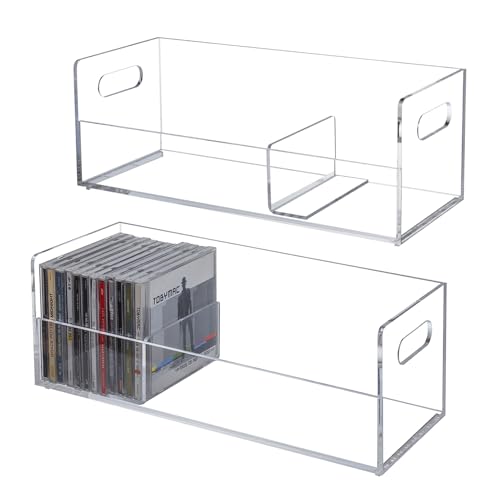
If you have a closet, a garage shelf, or a box from your last move still packed with discs, you already know the problem. Loose CDs scratch, jewel cases crack, and a collection that once fit neatly on a shelf slowly turns into clutter. The right CD storage cases solve both problems at once: they protect the discs themselves and make the whole collection easier to find and use. In this guide, you'll learn how the main case styles compare, what actually causes discs to get damaged in storage, how to size a system to your collection, and where in your home to keep it.



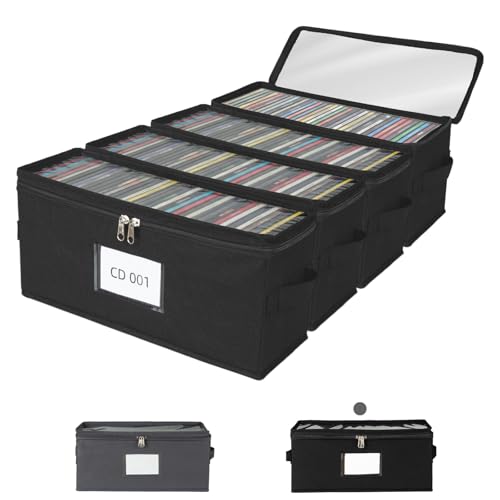
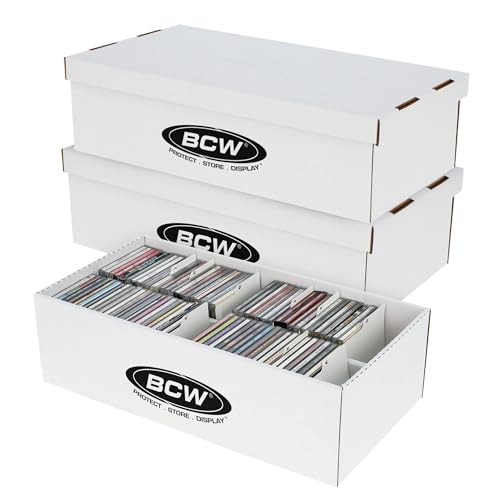
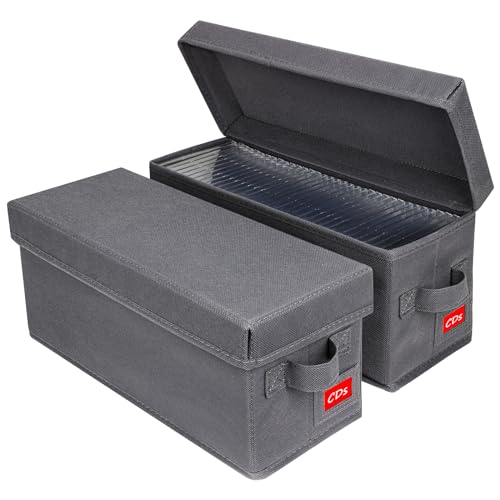
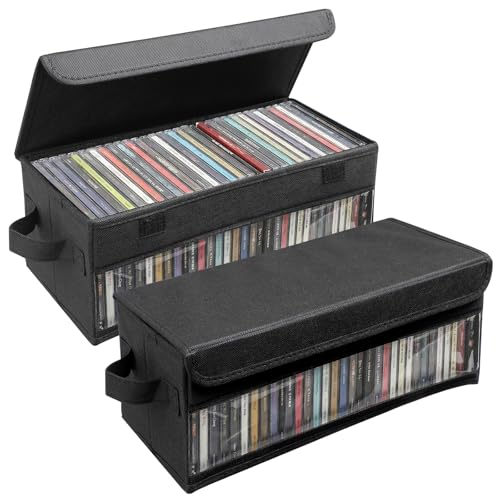
The Real Tradeoff: Matching Case Style to How You Use Your CDs
There isn't one universal best format for storing discs. Each style trades off protection, space, and convenience differently, and the right pick depends on whether you're organizing a shelf you browse often or packing away discs you rarely touch. Forum discussions among longtime collectors consistently frame the decision this way rather than around any single "best" product, and it's a useful way to think about it before you buy.
Jewel Cases and Slim Cases for Individual Protection
Traditional jewel cases hold one disc each, along with the booklet and back insert, inside a rigid plastic shell. They're bulky, but that bulk is doing real work: a hard shell keeps pressure off the disc surface and holds it by the center hub so nothing touches the reflective layer. Slim cases shave the thickness roughly in half while keeping the same protective hub design, which is a reasonable middle ground if shelf space is tight but you still want individual, rigid protection for each disc.
Binders and Wallets When Space Is Tight
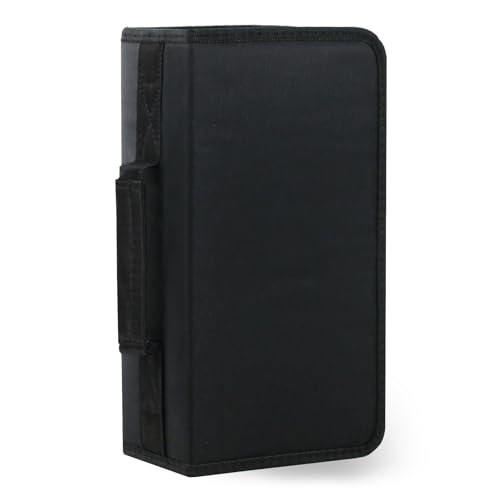
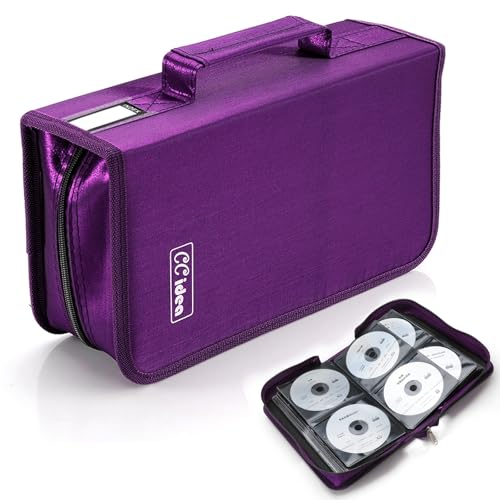
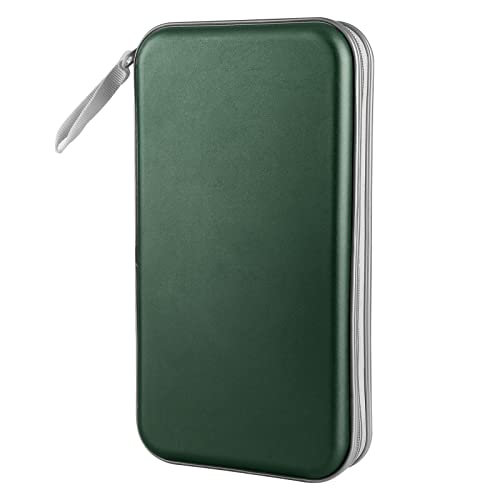
A CD binder or zippered wallet strips the discs out of their cases entirely and holds them in individual sleeves inside a book-style binder. This is by far the most space-efficient option, often fitting hundreds of discs into the footprint of a single jewel case shelf. The tradeoff is real, and it's covered in more detail in the next section.
Storage Towers and Racks for a Browsable Home Collection
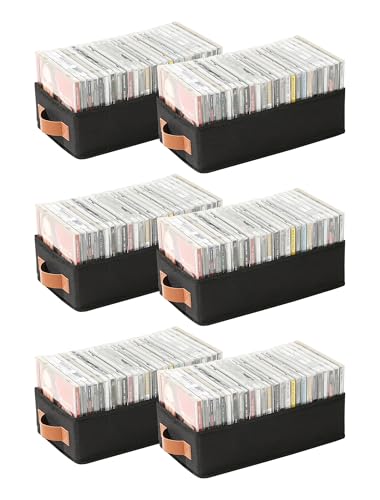
If you keep discs in their original cases but want them upright, visible, and easy to flip through, a storage tower or open rack is the format built for that. Cases sit spine-out or face-out depending on the design, which makes browsing by title fast. If you're mounting or building shelving specifically for this, corner shelving is a common solution for fitting a tower or rack into a small room without eating into usable floor space.
Archival Boxes for Discs You Rarely Touch
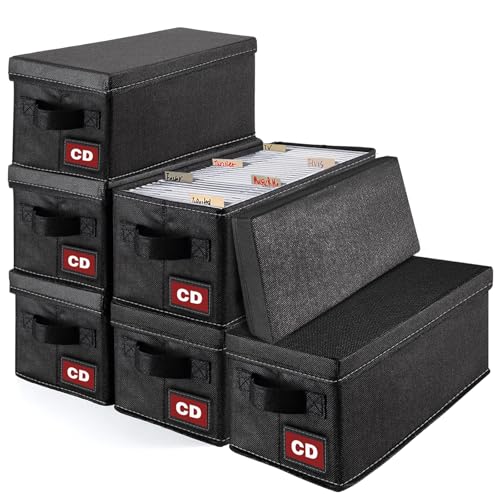
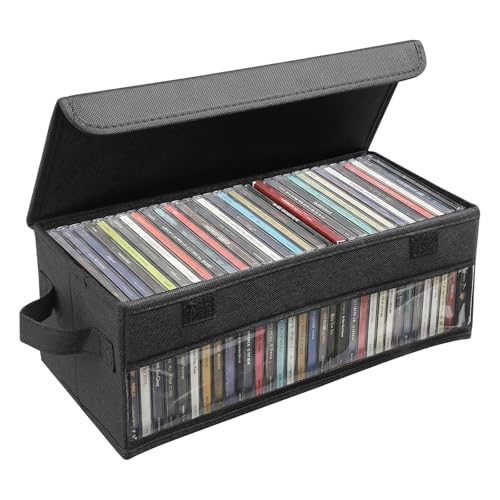
For discs you're keeping long term but don't handle often, such as backups, old software, or a legacy collection you're not actively listening to, a sealed archival box is the better fit. These typically hold discs upright without their original cases (or in slim sleeves), sealed away from dust and light, prioritizing longevity over quick access.
Why CD Binders Get a Bad Reputation
Binders are the most space-efficient way to store a large collection, but they also come up most often in collector discussions as the format that quietly damages discs, sometimes without the owner ever noticing until playback starts skipping.
How Trapped Dust and Repeated Handling Cause Scratches
The problem usually isn't dropping or mishandling the disc. It's smaller than that: dust particles get trapped inside the sleeve against the disc surface, and every time the disc slides in or out, that grit acts like sandpaper. Overstuffed binders make it worse, since discs pressed tightly together flex and rub against neighboring sleeves. Storing a binder on its side rather than upright, flat on a shelf, can also let the discs warp slightly under their own weight over time.
Material Quality That Actually Prevents Damage
If you go the binder or sleeve route anyway, the sleeve material matters more than most buyers expect. Look for sleeves made from soft, non-woven material with a felt-like inner lining rather than thin, smooth plastic, which is more likely to trap grit against the disc. For rigid cases, polypropylene and polystyrene hold up better over years of use than the cheap, brittle plastic found in bargain multi-packs, which tends to crack at the hinge within a year or two of regular use.
Capacity: Sizing Storage to Your Collection
Buying storage that matches your actual collection size, with some room to grow, avoids the two most common mistakes: buying something too small and needing a second system within months, or buying something oversized that leaves half its slots empty and wastes shelf space.
Small and Growing Collections
For a few dozen discs, individual cases or a small binder in the 24 to 48 disc range are usually enough, and they're easy to expand with a second unit later if the collection keeps growing.
Large Legacy Collections
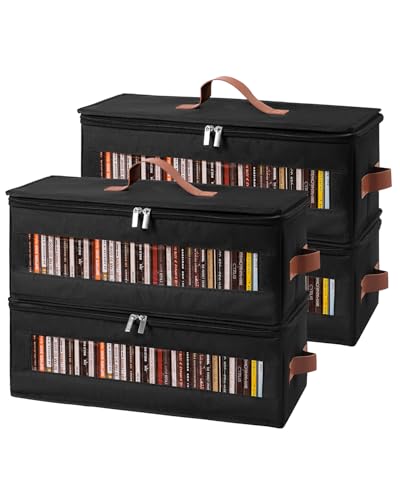
Once a collection climbs into the hundreds, high-capacity binders, multi-tier towers, or stackable archival boxes make more sense than dozens of individual cases. If you're building dedicated shelving to house a large collection, choosing the right plywood grade for a DIY shelf can make a real difference in how much weight the shelving can hold without sagging over time.
Storage Location Affects Disc Life as Much as the Case Does
Even a well-built case can't fully protect a disc if the room around it works against you. Where you keep your CD storage cases matters almost as much as which format you chose.
Temperature and Humidity
Discs hold up best in a stable environment, ideally in the range most household living spaces already sit in, with humidity kept moderate rather than damp. Basements and attics are common storage spots simply because they're out of the way, but they're also where temperature and humidity swing the most throughout the year, which can warp cases and, over long periods, affect the disc's data layer. If a basement is genuinely your only option, a basement dehumidifier can meaningfully reduce that risk by keeping humidity in a safer range.
Light Exposure and Orientation
Direct sunlight and prolonged exposure to bright light can fade labels and, over time, affect the disc material itself, so a closed cabinet, closet, or opaque storage box beats an open shelf in direct sun. Discs generally do better stored vertically, upright like books, rather than stacked flat, since flat stacking puts uneven pressure on the discs at the bottom of the stack.
Frequently Asked Questions
What is the best way to store CDs long term?
Keep them upright in cases made from rigid, quality plastic, in a room with stable temperature and humidity, away from direct sunlight. Archival boxes are a good choice for large collections you're not accessing often.
Do CD binders damage or scratch discs?
They can, mainly from trapped dust rubbing against the disc surface during repeated insertion and removal, and from overstuffing. Quality sleeves and careful handling reduce the risk significantly, but binders carry more scratch risk than rigid individual cases.
Are CD storage cases universal for CDs and DVDs?
Most standard cases, sleeves, and binders are sized for both CDs and DVDs since the discs share the same diameter. Always check the listed capacity and disc thickness compatibility before buying if you're mixing formats.
How many CDs fit in a standard CD storage case or binder?
Individual jewel and slim cases hold one disc each. Binders and wallets range widely, commonly anywhere from around 24 discs in a compact model up to several hundred in a large binder or stackable box system.
Is it better to store CDs upright or flat?
Upright is generally better. Flat stacking puts weight on the discs underneath the stack, which can lead to warping over time, especially in a warm room.
Can CDs be stored in a basement or attic?
They can, but both spots tend to see bigger swings in temperature and humidity than the rest of the house, which puts discs at higher risk over the years. If you store discs in a basement, controlling humidity in that space helps protect them.
Do you need to keep original jewel cases for CD value?
If resale or collector value matters to you, keeping the original case, booklet, and inserts intact is worth it, since missing artwork or a swapped case can lower what a disc is worth to a buyer. For everyday listening collections, this matters far less.
Finding the Right System for Your Collection
There's no single correct way to store a CD collection, only the format that fits how big it is, how often you dig through it, and how much space you're willing to give it. A few individual cases on a shelf, a binder for a collection that's outgrown its space, or a sealed box for discs you're keeping but rarely play can all be the right call depending on your situation. Whichever route you choose, keeping the room's temperature, humidity, and light in mind will do as much for your discs as the case itself.