
Best Plywood for Shelves: How to Choose the Right Grade, Thickness, and Type
Disclosure: We may earn a commission when you buy through links on this page, at no extra cost to you. As an Amazon Associate we earn from qualifying purchases. Learn more

Standing in the plywood aisle with a tape measure and a vague plan rarely ends well. You know you need sheet goods for a set of shelves, but between grade letters, core types, and a dozen thickness options, it is easy to either overspend on wood that is stronger than you need or bring home something that sags within a month.
Finding the best plywood for shelves comes down to matching three things to your project: the grade or type of plywood, the thickness relative to how far the shelf spans, and where that shelf will actually live in your home. Get those three right and the rest is just cutting to size. In this guide, you will learn how to read plywood grades, choose a thickness that will not bow under a load of books or storage bins, and pick the right sheet for everything from a garage shelf to a living room bookcase.
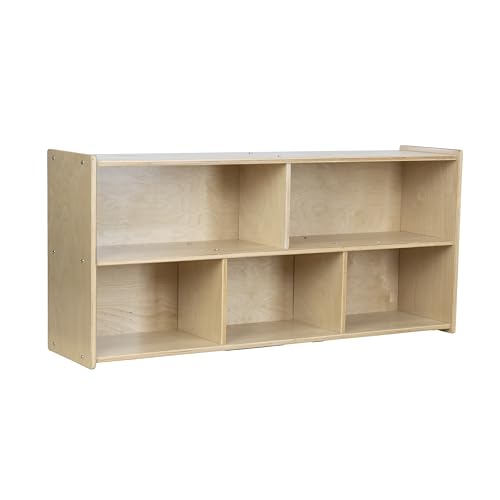
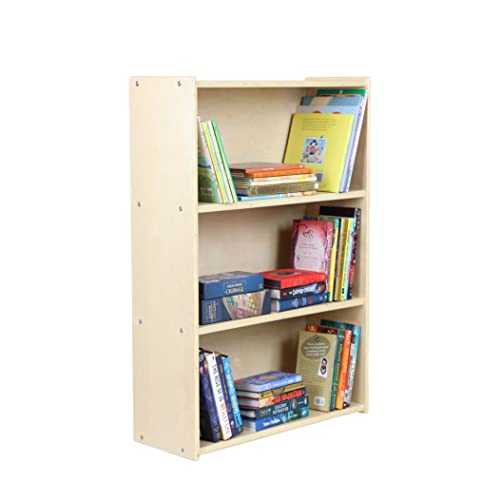
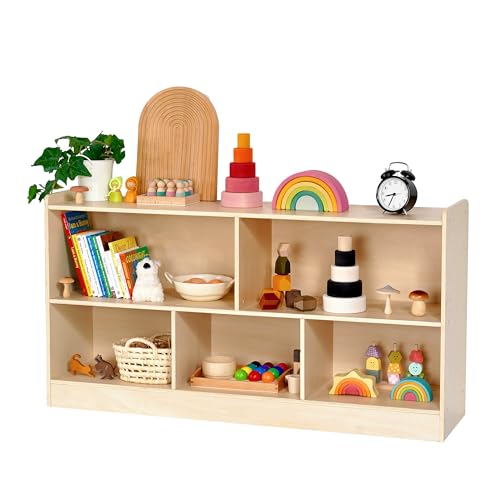
Plywood Grades and Core Types That Actually Matter for Shelving
Every sheet of plywood is stamped with a grade, and that stamp tells you almost everything you need to know before you buy. Skipping this step is the single biggest reason people end up with shelves that look rough or cost more than they should have.
Reading the Letter Grades (A, B, C, D and the X Suffix)
Plywood grades are listed as two letters, one for the face veneer and one for the back. An A face is sanded smooth with no knots or patches, a B face has minor filled knots, a C face has visible knots and rougher patches, and a D face allows the most imperfections. So a sheet marked BC has a decent front face and a rougher, unfinished back, which is exactly what you want for a shelf where only one side shows.
You will also see an X after the letters, as in CDX. That X refers to the glue bond, not the wood quality, meaning the adhesive can handle brief exposure to moisture. It does not make the panel waterproof, and it does not upgrade the appearance of a C or D face.
Cabinet-Grade, Baltic Birch, and When to Pay More
For most closet, pantry, and bookcase shelving, 3/4-inch cabinet-grade plywood with a BC or AC rating is the practical starting point. It sands and paints or stains well, and the cost stays reasonable.
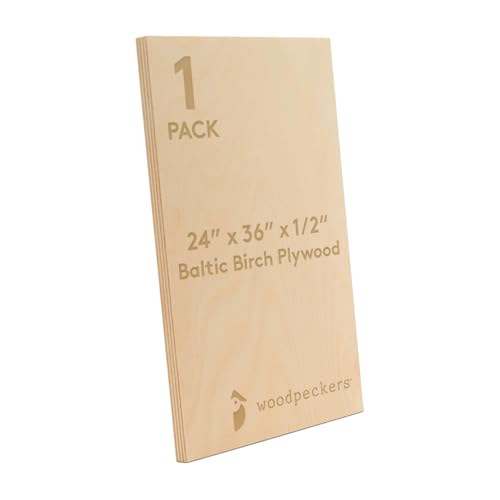
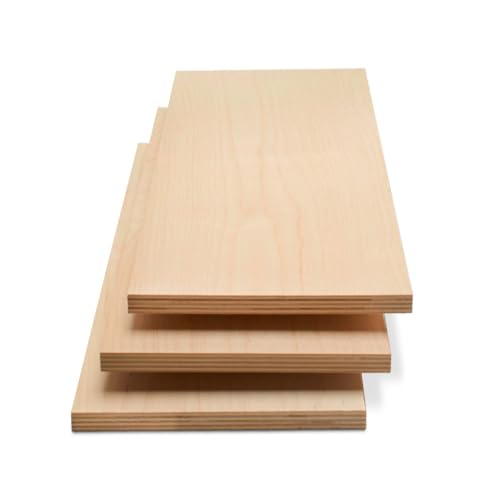
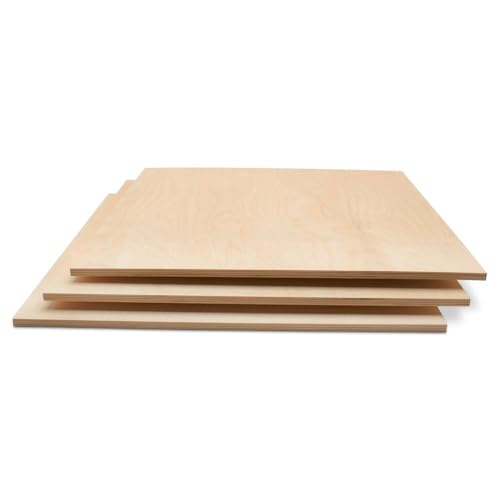
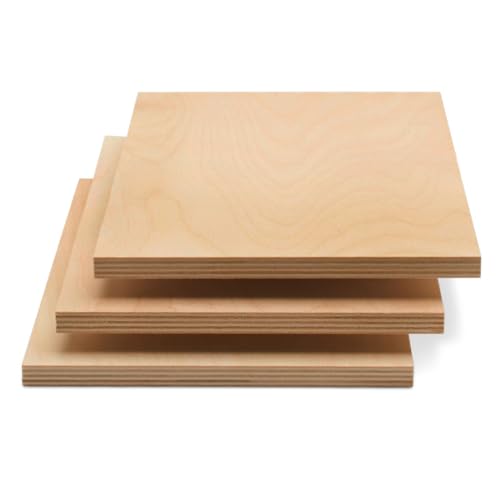
Baltic birch is a step up worth knowing about. Instead of a softwood core with a couple of nice face veneers, it is built from many thin birch layers all the way through, so the edges look almost decorative once cut and there are far fewer internal voids. That extra consistency is why woodworkers reach for it on shelves that carry serious weight or where the cut edge will stay exposed, and it is one reason the best plywood for shelves in a workshop or built-in cabinet is often Baltic birch rather than standard cabinet-grade sheets. It costs more, so save it for shelves where strength or a clean edge really matters rather than every utility shelf in the house.
Picking a Thickness That Won't Sag Under Load
Grade decides how the plywood looks and how well it resists moisture. Thickness decides whether it holds a stack of paperbacks without drooping in the middle six months from now.
Why 3/4-Inch Is the Default Starting Point
Plywood is noticeably more flexible than solid hardwood of the same thickness, since it is built from cross-laminated layers rather than one continuous grain. For most shelves in the 24 to 36 inch range carrying books, kitchen items, or storage bins, 3/4-inch plywood is the standard choice because it resists visible deflection under normal household loads. Half-inch plywood works fine for short, lightly loaded shelves such as a small display shelf, but it is a poor choice once you are storing anything heavy or spanning more than about two feet.
When You Need Support, Nosing, or a Thicker Sheet
If your shelf needs to span longer than 36 inches, thickness alone often is not enough. Adding a center support, gluing and pinning on a solid wood edge (called nosing) with a nail gun for a clean hold, or fixing the shelf ends into a routed groove instead of letting them rest freely all noticeably reduce sagging, and a strip of hardwood nosing along the front edge also stiffens the whole span while protecting it from chips. For genuinely heavy loads, such as a garage shelf meant to hold tools or paint cans, laminating two layers of 3/4-inch plywood together or stepping up to 1-inch stock is worth the extra material cost.
Matching Plywood to Where the Shelf Will Actually Live
The same grade of plywood that works beautifully in a living room bookcase can be the wrong pick for a garage or bathroom, and vice versa. Location changes the calculation almost as much as thickness does.
Dry, Visible Spaces (Living Room, Office, Bedroom)
For shelves people will actually see, an AC or AB grade plywood gives you a smooth, ready-to-finish face without paying for a matching back that no one looks at. Hardwood veneer plywood, such as oak, birch, or walnut face, is worth considering here too, since a natural or lightly stained finish shows off real wood grain for not much more than painted cabinet-grade sheets. This is also the grade to reach for on smaller display projects, like a set of corner shelves, where every face of the cut plywood stays in view.
Damp or Hard-Working Spaces (Garage, Kitchen, Bathroom)
Garage and basement shelving takes a beating from temperature swings and occasional moisture, and it rarely needs to look good, which is where CDX plywood earns its reputation as the budget workhorse. It is not designed to be submerged or left permanently wet, but it tolerates the occasional damp week far better than interior-only sheets. For shelves in a bathroom, laundry room, or anywhere near consistent humidity, marine-grade plywood is the more reliable choice, since it is built with fewer internal voids and a more water-resistant glue line specifically to resist warping and delamination in wet conditions.
Plywood vs. MDF and Solid Wood: Is Plywood Really Worth It Here
It is worth pausing on this comparison, since MDF is usually sitting right next to the plywood in the same aisle at a lower price. MDF cuts cleanly, sands to a glass-smooth finish, and takes paint beautifully, which makes it tempting for cabinet doors and trim. On a load-bearing shelf, though, it is a different story. MDF has no wood grain running through it for structural strength, so it tends to sag under sustained weight far sooner than plywood of the same thickness, and it swells permanently if it gets wet since there is no way to sand or dry it back into shape.
Solid wood, on the other hand, looks and feels premium but moves with humidity, expanding and contracting across its width in ways that can crack a fixed shelf over time. Plywood sits in the middle: more dimensionally stable than solid wood and considerably stronger under load than MDF, which is why it remains the default recommendation for shelves that need to hold real weight for years rather than just look good on install day.
Getting the Edges and Finish Right So Shelves Hold Up
A freshly cut sheet of plywood has one flaw that grade and thickness cannot fix on their own: the raw edge shows every layer of the core, splinters easily, and often looks unfinished even when the faces are perfect.
For utility shelves in a garage or storage room, a raw edge is usually fine, maybe with a coat of paint or polyurethane to seal it. For anything visible, edge banding or a strip of solid wood nosing glued and pinned along the front edge covers the layered core, resists chipping, and, as a side benefit, adds a small amount of rigidity to the span. Pre-glued iron-on edge banding is the fastest option for a clean look with basic tools, while a hardwood nosing strip is worth the extra step on shelves that will see heavy use or need to match existing trim. Whichever route you choose, sand and seal the plywood before loading it up, since finish applied after the fact tends to miss the edges where moisture and wear do the most damage. In a kitchen or pantry, adding a shelf liner on top of the finished plywood is an easy extra step that protects the surface and makes cleanup simpler without changing how the wood looks.
Frequently Asked Questions
What thickness of plywood is best for shelves?
Three-quarter-inch plywood is the standard choice for most shelves up to about 36 inches wide carrying normal household items. Use half-inch only for short, lightly loaded shelves, and step up to a thicker or laminated sheet for longer spans or heavy storage.
What is the best plywood for garage shelves?
CDX plywood is the common choice for garage shelving because it is inexpensive and tolerant of temperature swings and occasional dampness. If the shelves will hold heavy tools or need a longer lifespan, cabinet-grade or Baltic birch plywood at a thicker profile holds up better.
Is plywood or MDF better for shelves?
Plywood is the better choice for any shelf that carries real weight, since it resists sagging and handles occasional moisture far better than MDF. MDF is fine for lightly loaded, purely decorative shelving where a smooth painted finish matters more than load capacity.
What grade of plywood should I use for shelves?
For shelves where only one face shows, a BC or AC grade gives you a clean visible surface without paying for a matching back. For shelving where both sides are visible, such as an open room divider, choose an AB or AC grade instead.
How far can plywood span before it sags?
Most 3/4-inch plywood shelves start to visibly sag under sustained load once they span much beyond 36 inches without support. Adding a center brace, hardwood nosing, or fixed rather than free-resting ends extends that span considerably.
Is Baltic birch plywood worth it for shelving?
Baltic birch is worth the extra cost on shelves that carry heavy loads or have an exposed cut edge, since its void-free, all-birch layers are stronger and look better unfinished than standard cabinet-grade plywood. For everyday utility shelving, standard cabinet-grade plywood is usually enough.
Do plywood shelves need edge banding?
Edge banding is not required for hidden utility shelves, but it is worth adding on any shelf people will see, since it covers the raw layered edge, resists chipping, and adds a bit of stiffness to the span.
Making the Right Call for Your Project
Choosing the best plywood for shelves is really three smaller decisions rolled into one: pick a grade that matches how visible the shelf will be, a thickness that matches its span and load, and a type that matches how much moisture it will face. Nail those three, add a simple edge treatment, and a plywood shelf will comfortably outlast most of what you put on it.