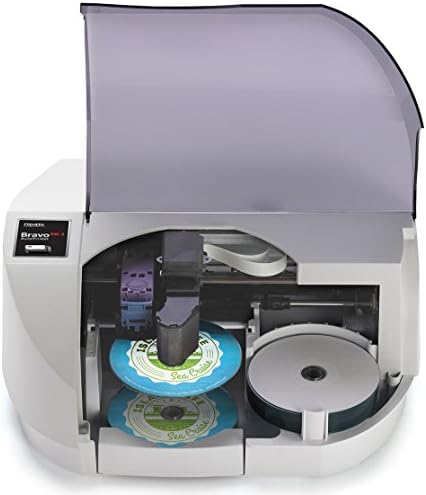
Best CD DVD Inkjet Printer: Matching the Right Model to Your Routine for 2026
Disclosure: We may earn a commission when you buy through links on this page, at no extra cost to you. As an Amazon Associate I earn from qualifying purchases. Learn more

Matching the best cd dvd inkjet printer to your routine: disc tray, print quality, ink cost per disc and software support explained.
There is no single disc printer that suits every user, because a home user printing a few labels a month needs something very different from a small studio producing discs every week. The right choice depends on how often you print, how sharp the artwork must look and how much you want to spend on ink over time. A best cd dvd inkjet printer choice should start with your routine, not with the longest feature list, so you avoid paying for speed or capacity you will never use.
Use the comparison table below to narrow your options first, then match the details in this guide to the way you actually work. Check the disc tray, the print quality, the ink system and the software before you buy, since those four points decide whether disc printing feels easy or frustrating.


Who Should Buy Which Disc Printing Inkjet Printer?
Start by picturing a typical printing week. Some people print one disc for a family video or a music mix, while others print batches for clients, events or classes. Volume, artwork quality and patience for setup all point toward different strengths, so match the printer to the job you do most often rather than the job you might do once a year.
For Occasional Home Use
Occasional home users print a few discs a month, often for photos, home videos or personal music collections. Ease of use matters most here, so look for a simple disc tray, clear on screen guidance and software that places artwork correctly without fiddly manual alignment. Print speed matters less than reliable feeding and clean results, since a failed disc wastes both time and a blank disc.
For Creative Studios and Makers
Creative studios and makers print discs as part of a finished product, so artwork quality and color accuracy matter far more than raw speed. Look for high resolution printing, good color handling and a tray that holds the disc firmly through the full print pass. You may also want software that supports full face artwork and repeat jobs without realignment each time.
For Small Offices and Regular Batches
Small offices and regular batch users print discs in runs, often for training material, presentations or client handouts. Reliable feeding, a sturdy tray and straightforward maintenance matter most, since a jam in the middle of a batch wastes time and discs. Duplex paper printing can be a useful bonus for inserts and covers, but disc handling should still come first if discs are the main job. Check ink capacity and maker support, and favor a printer with clear help if a tray or feed problem appears.
For Photo Finish Labels
Photo finish users want disc labels that look as polished as the photos or videos stored on the disc. High resolution, smooth color gradients and smudge resistant output matter here, along with printable discs rated for inkjet printing. A printer that handles fine detail well will show its value in small text and subtle shading, while a basic printer may leave banding or dull color. Allow extra drying time before handling finished discs, and store them away from moisture and direct sunlight to protect the label.
Key Features to Compare
Once you know your routine, compare the features that affect disc results directly. Disc tray design, print quality, ink costs, paper handling and setup support each shape the daily experience in a different way. Work through them in order, and keep your most common job in mind, since a feature that helps a studio may be wasted on an occasional home user. For a broader look at related disc printers, see our guide to best cd dvd printers alongside the points below.
Disc Tray and Print Area
The disc tray is the heart of disc printing, because it must carry the disc through the printer in perfect alignment. Look for a tray that feels sturdy, loads without forcing and supports the disc sizes you use, usually standard 120 mm discs and sometimes smaller mini discs. Check whether the printable area covers the full face or leaves a wide unprinted ring near the center, since that gap changes how your artwork must be designed. A tray that is easy to insert and remove also reduces smudged prints and misfeeds.
Print Quality and Ink Costs
Print quality for discs is usually described in dots per inch, but the number alone does not tell the whole story. Ink droplet size, color handling and the coating on your printable discs all affect sharpness and color depth, so look for sample images and honest guidance rather than chasing the highest number. Ink costs matter just as much, especially for frequent printing, so compare cost per disc rather than cartridge price alone. Tank systems can lower ink costs for heavy users, while cartridge systems may suit light users who want simple replacement.
For photo focused work, see our guide to best photo quality inkjet printers to compare quality expectations.
Paper Handling and Duplex Printing
Most disc printers also handle everyday paper, so paper capacity and duplex printing still deserve a quick check. A reasonable paper tray saves refills during longer jobs, while automatic duplex printing saves paper and time when you print booklets, inserts or covers to go with your discs. Check the paper sizes and weights the printer accepts, especially if you print thicker covers or labels.
Setup and Software Support
Setup and software decide whether disc printing feels simple or endlessly fiddly. Good software lets you place artwork, preview the full disc face and save layouts for repeat jobs, while poor software can turn alignment into guesswork. Check that the printer works with your computer system and connection type, whether USB, WiFi or both, and that drivers and disc software are still supported.
Printer Type Choices
Inkjet printers are the natural choice for disc printing, because inkjet technology can print directly onto printable disc surfaces. Laser printers generally cannot print on discs, since heat and toner are not suited to disc media, so a laser printer only helps if your main job is paper. Tank inkjet printers use refillable bottles instead of cartridges and can suit heavy disc users, while standard cartridge inkjets suit lighter use. If you print both discs and high volume documents, weigh disc ability first.
For a general quality comparison, see our guide to best quality inkjet printers.
Common Mistakes to Avoid When Buying Disc Printing Inkjet Printers
These mistakes show up often, and most are easy to avoid once you know them:
- Buying on price alone, then discovering ink costs more per disc than expected.
- Assuming every inkjet printer can print discs, when many models have no disc tray at all.
- Using discs not rated for inkjet printing, which can smudge or damage the print.
- Ignoring software support, then struggling with alignment and layout design.
- Choosing a printer too large or too small for your desk and your usual print volume.
- Skipping warranty and support checks, which matter when a tray or feed problem appears.
Tips to Get the Most From Your Disc Printing Inkjet Printer
Print a page or a test disc regularly to keep ink flowing and prevent clogs, especially if you print rarely. Use genuine or reputable ink and printable discs rated for inkjet use, since poor quality media can cause smudging and feed problems. Keep the disc tray clean and free of dust, and store blank discs in a case away from sunlight and moisture.
Frequently Asked Questions
Are ink tank printers worth it for disc printing?
Ink tank printers are worth it for frequent disc printing because refillable bottles usually lower the cost per disc compared with standard cartridges. The saving grows with volume, so a studio printing weekly batches will notice the difference far sooner than an occasional home user. Tank printers can cost more up front, so light users may prefer a simpler cartridge model.
Can I print on any disc with an inkjet printer?
You cannot print on any disc, because only discs with a printable inkjet surface will accept ink cleanly. Standard glossy discs meant for markers or labels will smudge, while inkjet printable discs have a coating designed to absorb ink and hold the image. Always check the disc packaging for inkjet printable wording and confirm the disc size fits your tray.
Inkjet or laser: which is cheaper long term for disc work?
Inkjet is the practical choice for disc work, because laser printers generally cannot print directly on discs at all. For paper alone, laser printing can be cheaper per page for high volume text, while inkjet suits color and photo work. If discs are part of your routine, choose an inkjet with a disc tray and compare its ink cost per disc.
What does cost per page mean for disc printing?
Cost per page means the ink cost for one printed item, calculated from cartridge or bottle price divided by the number of prints it produces. For discs, the useful version is cost per disc, which depends on artwork coverage, since full face color uses far more ink than a small logo. Maker yield figures are rough guides based on standard coverage, so heavy color artwork will cost more in practice.
Why does my disc print look misaligned?
Misalignment usually comes from the tray, the artwork layout or the disc seating, rather than a fault in the printer itself. Check that the disc sits flat in the tray, that you selected the correct disc size in the software and that the layout matches your printable area. Print a test disc with guide marks before a full batch, and clean the tray guides if dust or ink buildup affects feeding.
Wrapping Up
Match the printer to your routine first, then check the disc tray, print quality, ink costs and software support in that order. The product table above can help you compare options side by side, but your printing habits should make the final call. Choose the best cd dvd inkjet printer setup that fits your volume, your artwork and your budget, and disc printing will stay a simple part of your workflow.