Best Casual Basketball Shoes 2026: Checklist and Buying Guide
Disclosure: We may earn a commission when you buy through links on this page, at no extra cost to you. As an Amazon Associate I earn from qualifying purchases. Learn more

Casual basketball shoes for pickup games and daily wear? Use our checklist for fit, grip, ankle support, and court type before you buy a pair.
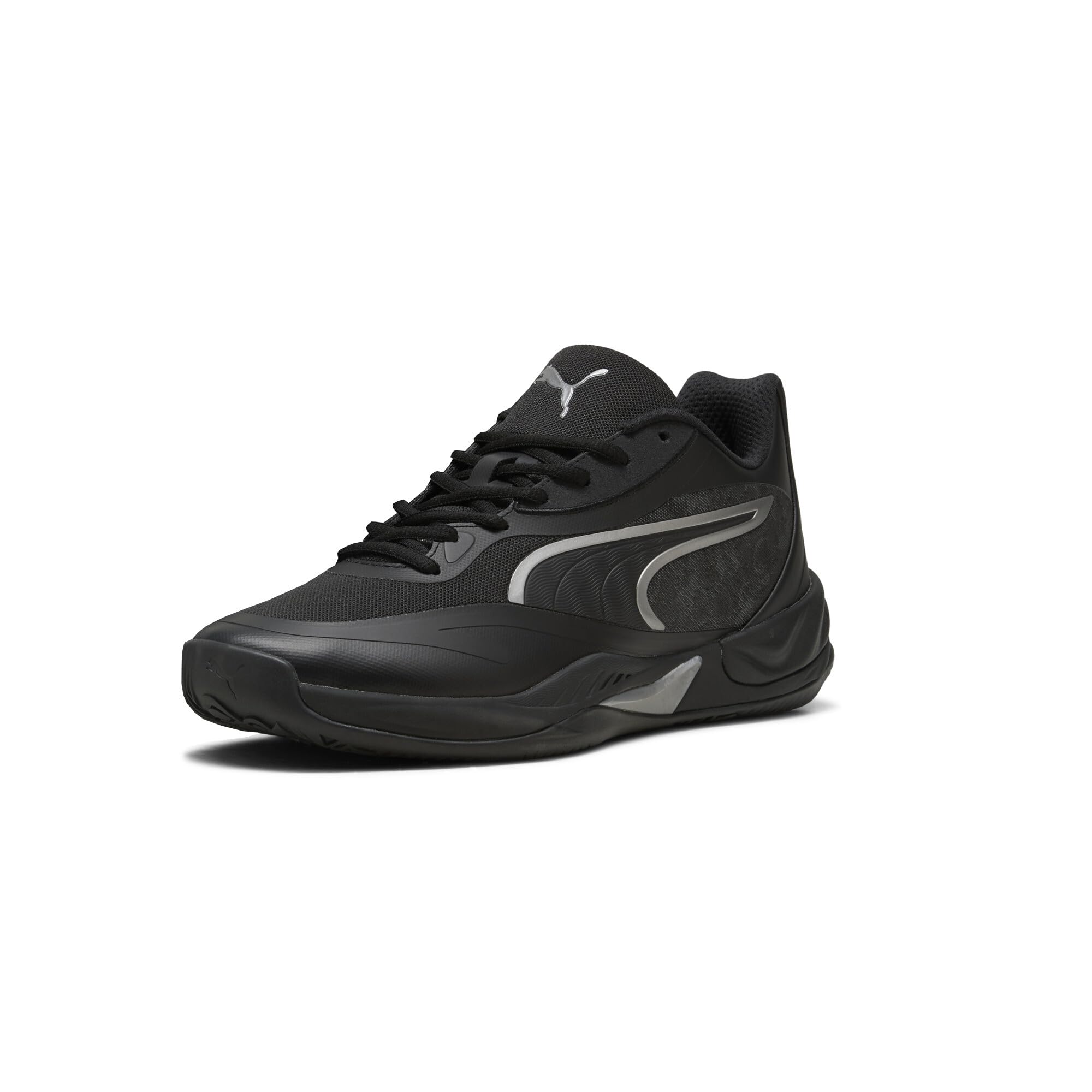
Casual basketball shoes bridge the gap between court performance and street style, and that blend is their main appeal. When you look for best casual basketball shoes, you want grip and support for a pickup game plus comfort and looks for the rest of the day. The comparison table below sets out the key differences between low, mid, and high top styles so you can compare them quickly.
A good checklist keeps you from buying on color alone. Fit, cushioning, traction, ankle support, and court surface all shape how a pair performs and how long it lasts. This guide walks through each factor in plain terms, so you can judge any pair with confidence, whether you play weekly or only now and then.




Skill Level and Intended Use
Start by being honest about how you play. A weekly pickup player needs durable grip and solid support, while someone who wears basketball shoes mostly off court can prioritize comfort and style. Beginners benefit from forgiving cushioning and a stable base, while more advanced players often want a firmer, more responsive feel for quick cuts.
Intended use also shapes the right cut. Low tops feel light and free for fast guards, mid tops balance mobility with a little more ankle coverage, and high tops suit players who want maximum support around the ankle. There is no single right cut for everyone, so match the height to your playing style and any past ankle trouble.
Size, Weight, and Fit
Basketball shoes should fit snugly through the midfoot while leaving a thumb width of space at the toes. A loose fit lets your foot slide inside the shoe during cuts, which causes blisters and raises injury risk. Lace the shoes fully and try them with a few lateral steps indoors, since straight line walking alone will not reveal sliding.
Weight matters during long sessions, since a heavy shoe tires your legs faster. Lighter shoes feel quicker but may give up some durability, so balance the two based on how often you play. Also check width options, since many makers offer wide fits that suit broader feet far better than sizing up in length.
Traction and Court Surface
Traction is the grip between outsole and court, and it decides how safely you can stop and change direction. Herringbone patterns grip well on clean indoor courts, while deeper, wider lugs suit dusty or outdoor surfaces. Outdoor courts wear rubber faster, so a thicker, harder outsole lasts longer there even if it feels slightly less grippy indoors.
Check traction by planting and pivoting on a clean floor if you can, and listen for squeaking, which often signals good grip on indoor wood. Wipe the soles often during play, since dust buildup kills grip quickly. If you play mostly outdoors, accept a small grip trade off in exchange for an outsole that survives rough asphalt.
Cushioning and Ankle Support
Cushioning in basketball shoes must absorb jumps and landings without feeling mushy. Foam midsoles are common and comfortable, while air or gel units add impact protection for heavier players and frequent jumpers. The right amount depends on your weight, your jumping frequency, and whether you prefer a low, court connected feel or a softer ride.
Ankle support comes from the collar height, the heel counter, and the lacing system working together. A sturdy heel counter locks your heel in place, and a good lacing setup pulls the midfoot snug without cutting off circulation. If you have a history of ankle sprains, talk with a clinician about bracing, since no shoe alone replaces proper support and strengthening.
Durability, Storage, and Care
Casual basketball shoes wear fastest at the outsole, the toe drag area, and the upper near the flex point. Reinforced toes and sturdy overlays extend life for outdoor players, while breathable mesh keeps feet cooler indoors but scuffs sooner. Rotate pairs when you can, since a day of rest lets foam recover and moisture escape.
Store shoes in a cool, dry place away from direct heat, and clean them with a soft brush and mild soap rather than machine washing. Replace a pair when cushioning feels flat, traction fades even after cleaning, or the upper tears near the sole. Playing in worn shoes raises slip and injury risk, so retire them before they fail on court.
Related Guides Worth Reading Next
For a broader look at performance models beyond casual styles, best basketball shoes compares court shoes by position, cushioning, and support level.
If off court comfort matters as much as game time, best casual shoes covers everyday casual styles that pair well with jeans and casual wear.
Outdoor players should also read best outside basketball shoes, which focuses on rugged outsoles and durability for asphalt and concrete courts.
A Final Check Before You Order
Before ordering, confirm the court you play on most, since indoor and outdoor shoes differ in outsole hardness and durability. Check the return policy for worn indoors trials, and try the shoes with your game socks and any insoles you use. A pair that fits well in the store but slips during a lateral cut will disappoint on court.
Prices for casual basketball shoes often run about $70 to $140, with premium models costing more. Spending more usually buys better cushioning and tougher materials, but fit still matters more than price. Choose the pair that grips, supports, and feels right, and it will serve both your game and your daily wear.
Playing on Different Surfaces
Street courts, gym floors, and asphalt playgrounds each wear shoes differently, so think about where you play most before choosing. Gym floors reward soft rubber that grips clean wood, while asphalt demands thicker rubber that resists abrasion over months of outdoor play. Dusty courts need frequent sole wiping, since a thin dust layer can turn a grippy shoe slippery in minutes.
Temperature also plays a role, since rubber hardens in cold weather and softens in summer heat, changing grip slightly through the year. Shoes stored in a hot car or a freezing garage age faster, so keep them indoors between sessions. If you split time between indoor and outdoor courts, consider keeping two pairs, since each surface rewards a different outsole and the pair built for one will wear fast on the other.
Finally, think about socks and insoles as part of the system, since thick game socks change fit and cushioning feel. Wear the socks you play in when trying shoes, and try any aftermarket insoles before game day. A small change in sock thickness can turn a snug fit into a pinched one, so fit the whole setup together rather than the shoe alone.
Frequently Asked Questions
Are casual basketball shoes good for actual games?
Yes, for pickup games and casual play they perform well, offering court grip, cushioning, and support in a style that also works off court. They may lack the advanced cushioning or lockdown of elite performance models, but for most recreational players the difference is small. If you play competitively several times a week, a dedicated performance shoe may suit you better. For weekly pickup runs, casual models are a sound choice.
Should I choose low, mid, or high top basketball shoes?
Low tops feel lightest and suit quick guards who value freedom of movement. Mid tops balance mobility with a bit more ankle coverage and suit most players. High tops offer the most ankle coverage and suit players who want extra support or have past ankle trouble. No height prevents sprains on its own, so combine your choice with proper lacing, strengthening, and bracing advice from a clinician if needed.
Can I wear basketball shoes outdoors?
Yes, but outdoor courts wear outsoles much faster than indoor wood, so choose a model with a thicker, harder rubber outsole if you play outside often. Indoor focused shoes with soft, thin rubber will wear down quickly on asphalt. Wipe soles during play to keep grip, and expect a shorter lifespan outdoors. Keeping separate pairs for indoor and outdoor play extends the life of both.
How do basketball shoes differ from running shoes?
Basketball shoes are built for lateral movement, jumping, and sudden stops, with wider bases, stronger heel counters, and grippy court outsoles. Running shoes are built for forward motion, with lighter builds and cushioning tuned for heel strikes. Wearing running shoes for basketball risks ankle rolls during cuts, while basketball shoes feel clunky for long runs. Use each shoe for the activity it was designed to handle.
When should I replace basketball shoes?
Replace them when cushioning feels flat, traction fades even after cleaning the soles, the upper tears, or your feet start sliding inside during cuts. For regular players this often means every 6 to 12 months, while occasional players may get longer. Worn shoes raise slip and injury risk, so retire a pair before it fails during a game. Rotating two pairs and resting them between sessions also extends their life.
Final Thoughts
Choosing casual basketball shoes comes down to honest use, secure fit, reliable grip, and support that matches your game. Use the checklist in this guide to compare pairs side by side, and try them with lateral movement before you commit. The product table above can help you weigh low, mid, and high top styles at a glance.
A pair that fits well and grips the court will make pickup games more fun and daily wear more comfortable. Take time to try a few options, and let comfort and traction guide the final call. With that approach, picking from best casual basketball shoes becomes a confident, practical decision.