Best Basketball Shoes: Reviews and Buying Guide for 2026
Disclosure: We may earn a commission when you buy through links on this page, at no extra cost to you. As an Amazon Associate I earn from qualifying purchases. Learn more

The best basketball shoes depend on your court and style: traction, cushioning, fit and three picks from budget to premium.
The right basketball shoe grips the floor on hard cuts, cushions every landing and keeps your ankle stable when you plant to shoot. The wrong one slides on dusty gym floors, wears through in a month on outdoor asphalt or rubs blisters before the second quarter. Choosing the best basketball shoes starts with how and where you play, not with which player's name is on the tongue.
This guide gives you three picks across price levels, then a full buying guide covering skill level, construction, traction, cushioning, fit and the indoor versus outdoor question. You will also find the main shoe types, advice for kids and simple habits that make a pair last longer.





Our Top 3 Picks at a Glance
These three come from the product table above and cover a versatile all around shoe, a budget friendly option and a premium signature model. All are current models sold new on Amazon US; sizes and colorways vary by listing, so check availability in your size before you buy.
We weighed traction pattern, outsole durability, fit consistency and price against how each shoe is positioned by its maker. Because shoe listings carry little technical detail, we kept our notes to what the brands and listings state and to well established differences between shoe types.
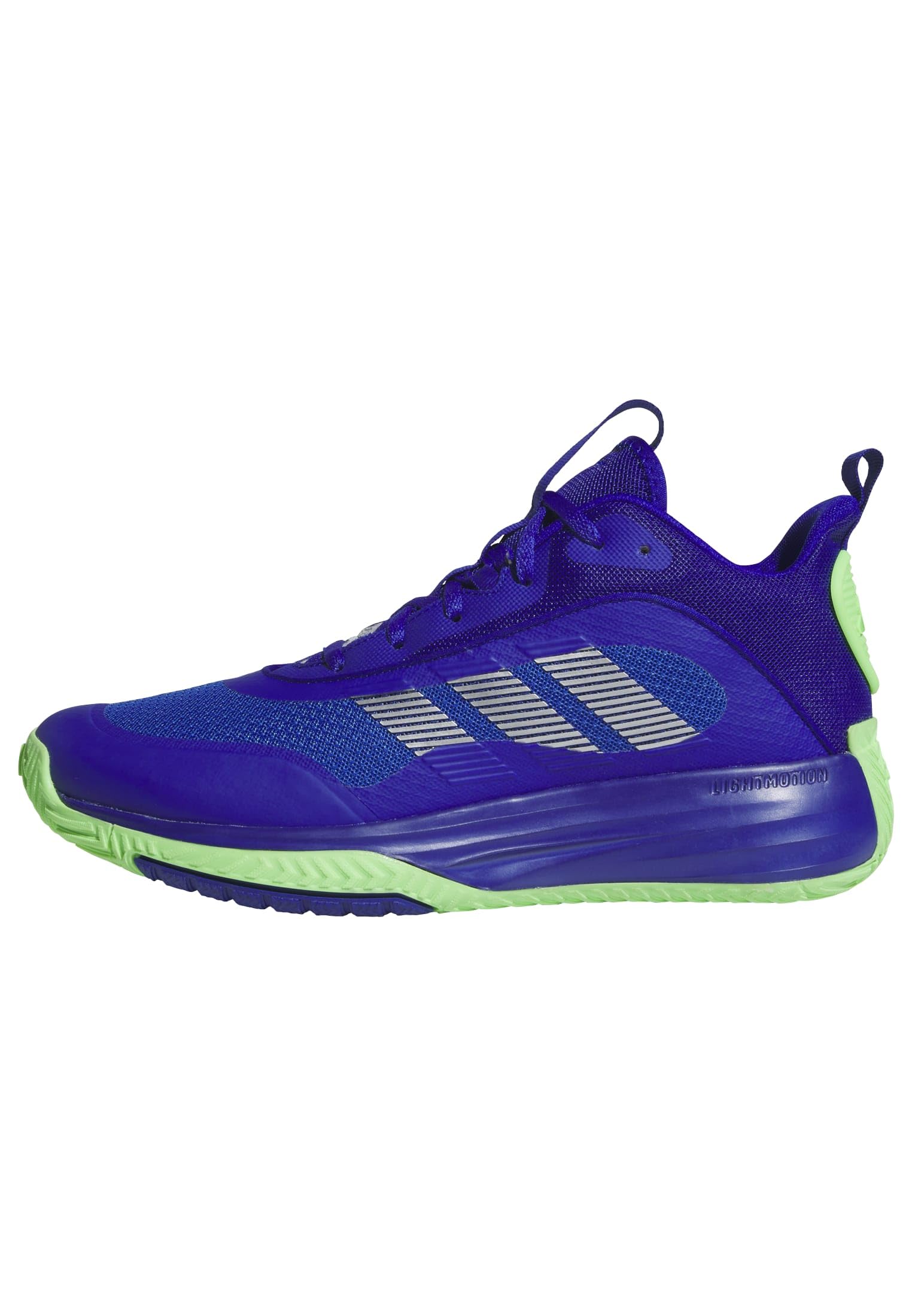
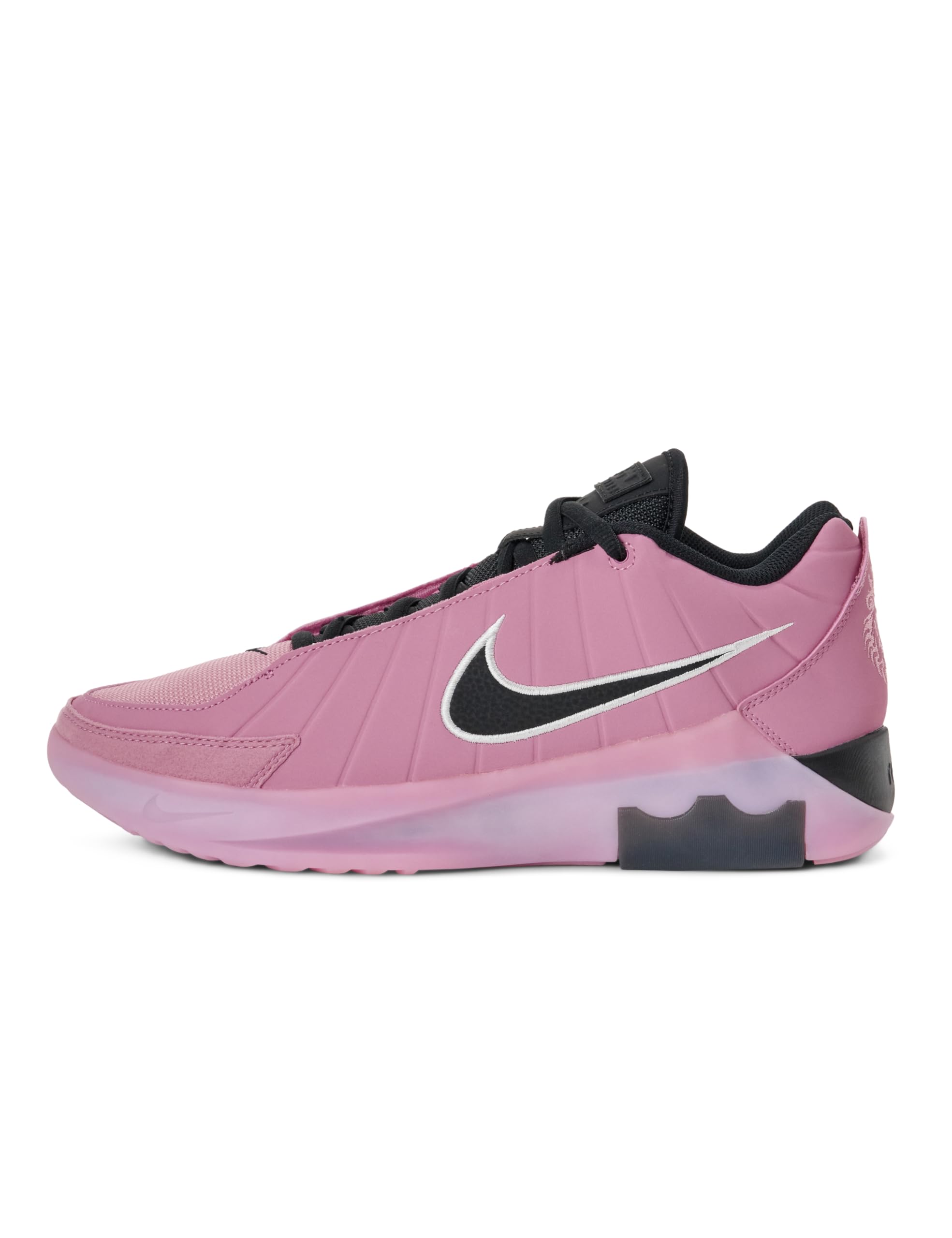
Best Overall: Nike Sabrina 2
The Nike Sabrina 2 is for guards and versatile players of any gender who want a low, fast feeling shoe for indoor courts, and it costs around $140. It is the second signature shoe of WNBA star Sabrina Ionescu and is sold in unisex sizing, which makes it easy to share across family members or teams.
Two things make it stand out. Its low top shape and court feel suit quick changes of direction, and its broad appeal shows in the steady demand among both men's and women's players. The limitation is sizing: unisex shoes are listed in men's sizes, so women should usually go down about one and a half sizes from their usual size. Skip it if you play mostly outdoors, where softer indoor rubber wears faster.

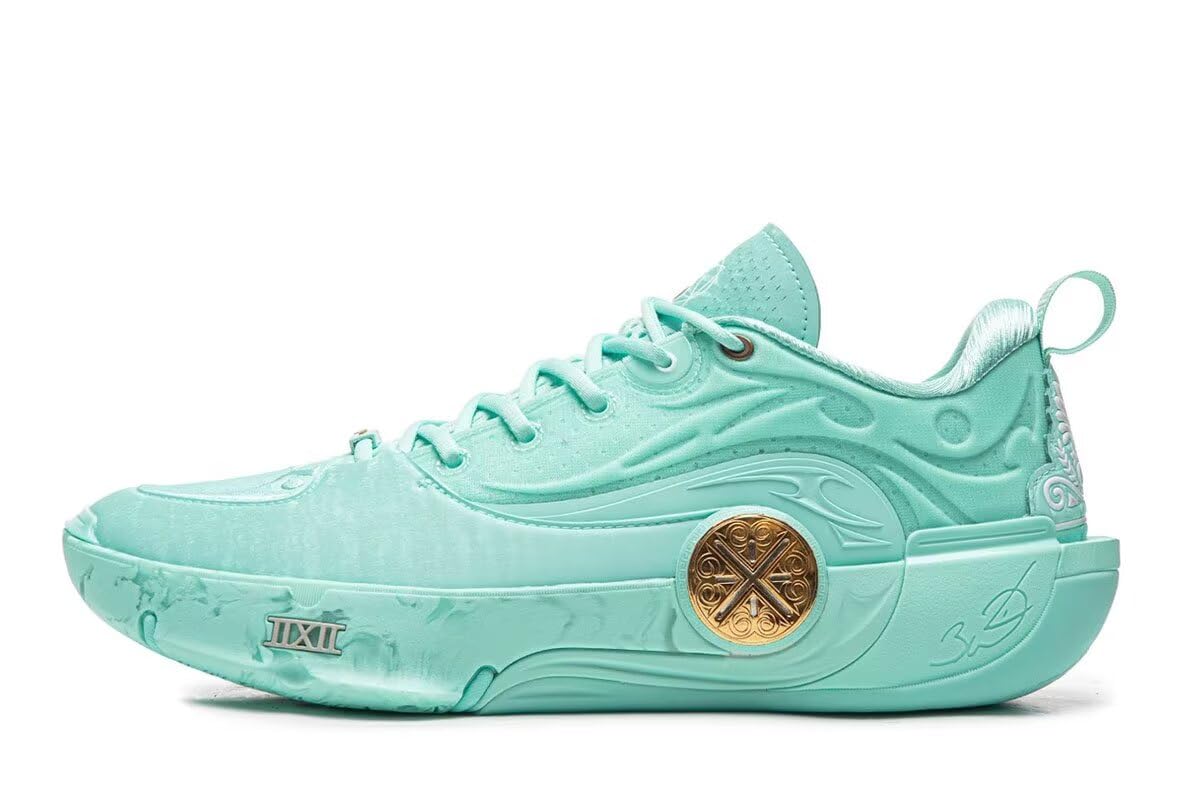
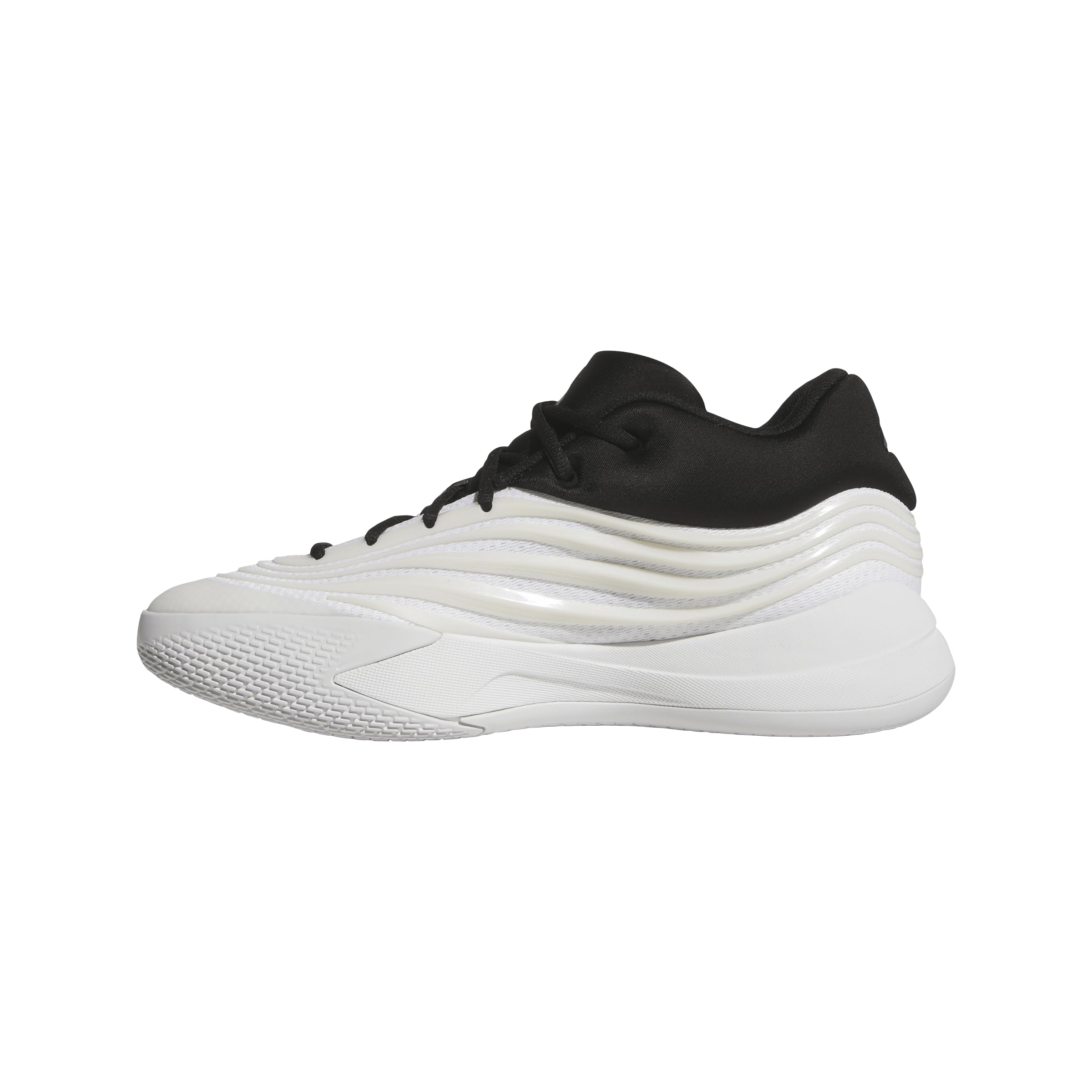
Best Value: adidas Own The Game 3.0
The adidas Own The Game 3.0 suits beginners, casual pickup players and students who need a dependable shoe for gym class and weekend runs, at around $45. It keeps the classic basketball look, with a simple upper and a rubber outsole designed for regular court use.
Its strengths are price and versatility: at this level you can afford a dedicated outdoor pair and replace it without regret, and the familiar adidas fit makes it easy to buy online. The trade off is performance: cushioning and lockdown are basic compared with signature models, so heavier or more explosive players may feel it on long sessions. Skip it if you play competitively several times a week.

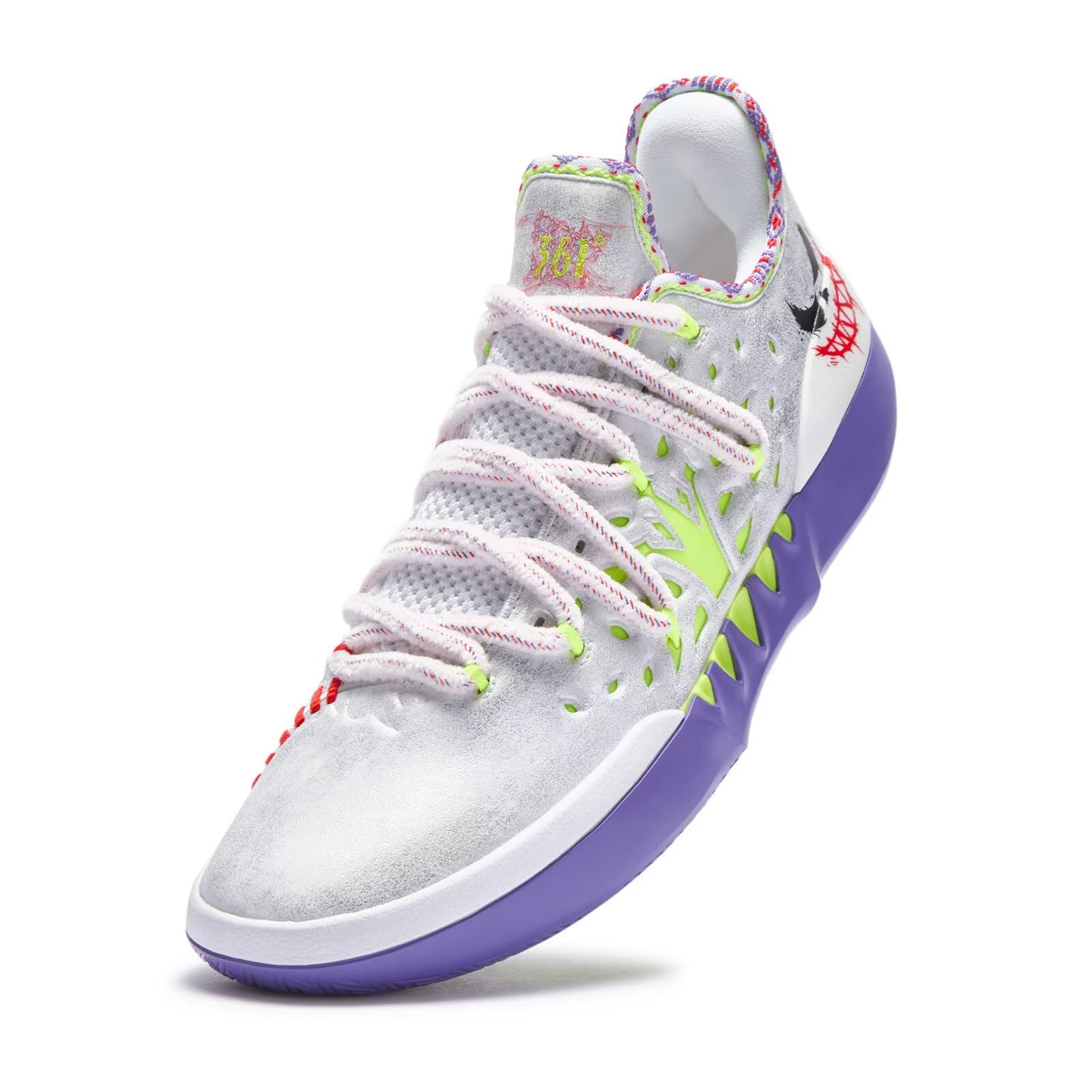
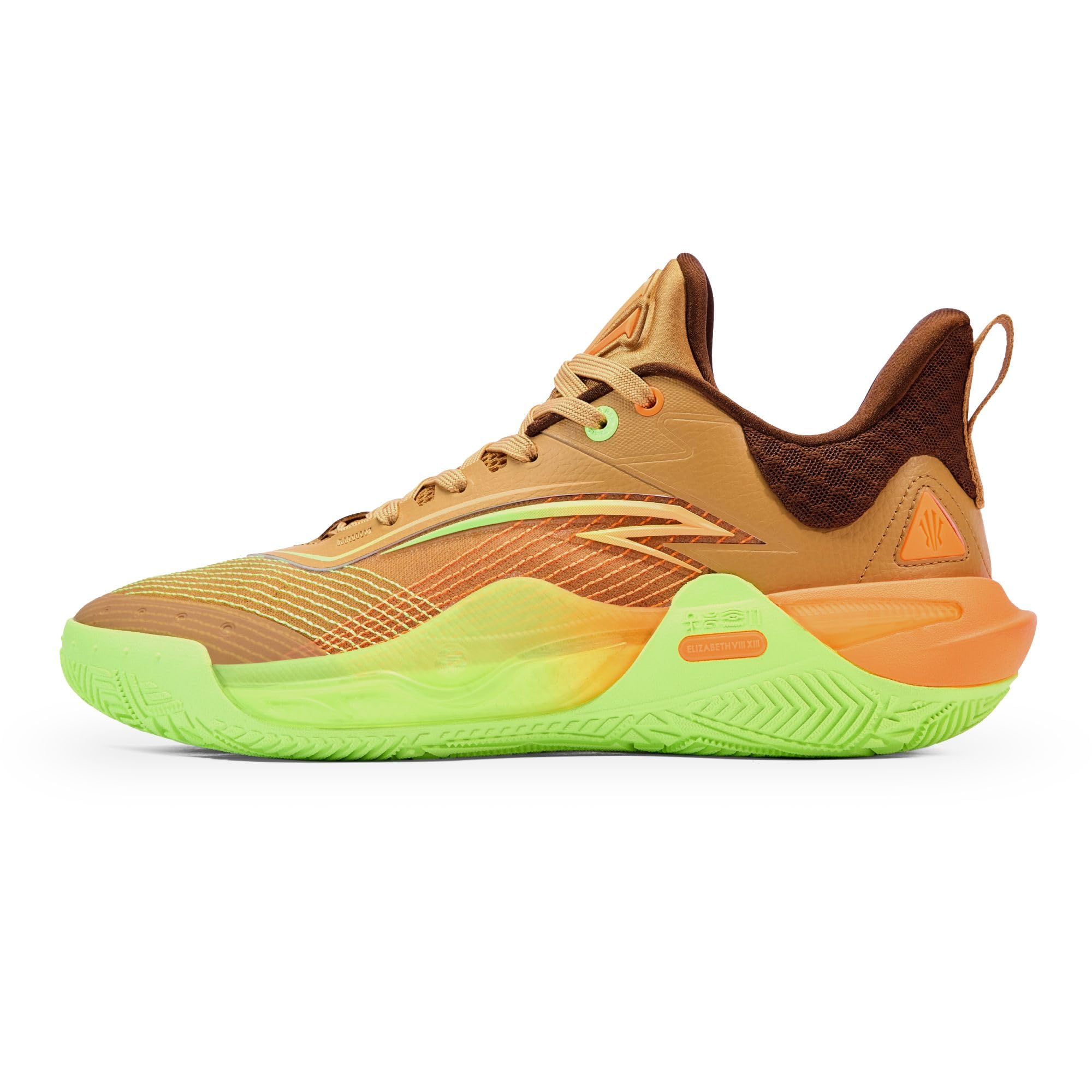
Best Premium Pick: Li-Ning Way of Wade 12
The Li-Ning Way of Wade 12 is for serious players who want a flagship signature shoe and are willing to pay around $200. The Way of Wade line is Li-Ning's top tier collaboration with Dwyane Wade, and the listing highlights anti slip traction and professional level shock absorption.
The appeal is a premium, competition minded build that stands apart from the usual Nike and adidas options on the court. The downside is fit information: Li-Ning sizing can run differently from US brands, so read the size chart on the listing and measure your foot. Skip it if you want a shoe you can easily try on in a local store, since Li-Ning has limited retail presence in the US.

How to Choose the Best Basketball Shoes: Buying Guide
A basketball shoe has to do several jobs at once: grip, cushion, support and fit. The sections below explain how to weigh each one so you can judge any pair in the table, including models we did not pick.
Skill Level and Intended Use
Beginners and casual players benefit most from comfort, durability and a fair price. A shoe around $50 to $90 with solid traction and moderate cushioning covers gym class, rec leagues and driveway games without overspending.
Intermediate players who practice several times a week should look for better lockdown, responsive cushioning and traction that stays reliable on dusty floors. Advanced and competitive players often choose signature or team models built for their position: lighter low tops for quick guards, more cushioned and supportive shoes for forwards and centers who absorb more impact.
Materials and Construction
Modern basketball shoes combine an upper, a midsole and an outsole. Uppers use engineered mesh, knit or synthetic leather; mesh and knit breathe well and need little break in, while synthetic overlays add containment for lateral cuts.
Midsoles use foams of different firmness, sometimes paired with air or gel units under the forefoot or heel. Softer foams feel plush but can feel less stable, while firmer setups give better court feel. Outsoles are rubber with herringbone or similar patterns. Pay attention to a solid heel counter and a midfoot shank, which help the shoe resist twisting during hard plants.
Performance Characteristics
Traction comes first. A multidirectional herringbone pattern with deep grooves bites the floor and sheds dust better than shallow or decorative patterns. Wiping the soles during play keeps grip consistent on dusty courts.
Cushioning should match your body and style. Heavier players and those who jump often benefit from more impact protection, while lighter guards may prefer lower, firmer setups that feel quick. Support and stability come from a secure lacing system, a wide base and a heel that stays locked in. A shoe that lets your foot slide sideways inside the upper can feel unstable no matter how good the cushioning is.
Breathability is the last performance factor. Long sessions in a hot gym make feet swell and sweat, so uppers with mesh zones and moisture wicking linings stay more comfortable. Pair them with cushioned basketball socks, which add padding and reduce friction where blisters usually form.
Size, Weight, and Fit
Fit matters more than any feature. Measure your feet in the afternoon, when they are slightly larger, and wear the socks you play in. You want about a thumb's width of space at the toe, no heel slip and a snug midfoot without pressure points.
Basketball shoes typically weigh between about 12 and 16 ounces per shoe in men's size 9 or 10, with lighter models favored by guards. Unisex and men's sizing differ from women's sizing by about one and a half sizes. If you have wide feet, look for brands or models that offer wide versions, since a narrow shoe will feel uncomfortable on long runs.
When the shoes arrive, try them on indoors with your playing socks and do a few quick cuts and jumps on carpet. Keep them clean until you are sure about the fit, so you can return them if the heel slips or the toe box pinches.
Indoor vs Outdoor Use
Indoor shoes often use softer rubber that grips polished hardwood but wears quickly on concrete or asphalt. Outdoor courts chew through soft outsoles in weeks, so outdoor players should look for shoes with harder, thicker rubber and deeper grooves, often labeled XDR or durable outsole.
If you play both, consider two pairs: a premium indoor shoe that stays clean for the gym and an affordable, durable pair for outdoor courts. Dust and weather also matter; outdoor shoes benefit from uppers that are easy to wipe clean and do not soak up water.
Safety and Certifications
Unlike helmets or protective gear, basketball shoes do not carry safety certifications such as CPSC or ANSI ratings. Safety comes from fit, stability and traction: a shoe that locks your heel, supports lateral movement and grips the floor reduces the chance of rolling an ankle.
High tops and mid tops do not prevent ankle injuries on their own, but some players feel more secure in them. Players with previous ankle sprains often add a lace up ankle brace and should ask a doctor or physical therapist for advice. Replace shoes when the cushioning feels flat or the traction is worn smooth.
Value and Included Accessories
Basketball shoes rarely include extras beyond spare laces, but price differences reflect materials, cushioning technology and signature branding. Shoes around $80 to $120 often deliver most of the performance of $150 to $200 flagship models, especially for recreational players.
Value also depends on durability. A $45 outdoor shoe that lasts a season can be better value than a $180 indoor shoe that wears out quickly on asphalt. Previous season colorways of signature models frequently drop in price, which is a smart way to get premium performance for less.
Think about cost per hour on court rather than sticker price. A shoe you wear three times a week for six months costs only a few cents per session even at a premium price, while a bargain pair that hurts your feet and sits in the closet is never good value.
Types of Basketball Shoes
Most basketball shoes fall into four broad groups, based on the level of play and who will wear them.
Advanced/Performance Options
Signature and flagship team shoes sit at the top, built for competitive players with premium foams, refined traction and strong lockdown. They suit high school, college and serious adult league players who practice often. The trade off is price, usually above $120, and sometimes softer outsoles that favor indoor courts.
Kids' and Youth Options
Youth basketball shoes come in grade school and little kid sizing and often mirror adult models in simpler builds. They focus on comfort, easy fit and durability for growing feet. Look for padded collars, secure lacing or hook and loop closures for younger kids, and leave a little room to grow without letting the heel slip.
Intermediate/All Around Options
All around shoes in the $80 to $130 range balance cushioning, traction and support for players who play several times a week. Takedown versions of signature lines, such as the Lebron Witness and Giannis Immortality series, fall here. They suit most recreational and league players who want reliable performance without flagship prices.
Beginner Options
Beginner shoes under about $70 offer the basics: decent grip, moderate cushioning and comfortable uppers. They are ideal for new players, gym class, casual pickup games and outdoor use. Expect less advanced foam and lockdown, but also less worry about scuffing them on rough courts.
Best Basketball Shoes for Specific Needs
Best Basketball Shoes for Kids
The best basketball shoes for kids put fit and comfort ahead of signature names. Measure your child's feet every few months, since kids often outgrow shoes before they wear them out. Choose a secure closure, a cushioned midsole for jumping and durable rubber if they play outside. Kids' versions of popular lines, such as the Nike Kids' Lebron Witness IX in the table, combine familiar styling with youth sizing.
Tips to Get the Most From Your Basketball Shoe
- Store out of direct sun and extreme heat. Heat in a car trunk can weaken glues and harden foam, shortening the life of the shoe.
- Check wear before each use. Look at the outsole and the midsole creases; smooth traction or flattened cushioning means it is time to replace them.
- Clean and dry after outdoor use. Wipe off dirt and let shoes air dry away from heaters, which prevents odor and keeps rubber grippy.
- Keep indoor shoes for indoor courts. Wearing your gym pair outside drags grit onto the court and wears down the softer rubber.
- Rotate pairs if you play often. Giving foam a day to recover between sessions helps cushioning feel fresh longer.
FAQs
How long does it last?
A basketball shoe usually lasts about four to six months for players who play several times a week, or a full season or more for casual players. Outdoor use shortens that time considerably. Replace shoes when the traction is worn smooth, the cushioning feels flat or the upper no longer holds your foot securely.
Indoor vs outdoor: does it matter?
Yes, it matters a lot. Indoor shoes often use softer rubber that grips hardwood but wears quickly on concrete. Outdoor shoes need harder, thicker outsoles and deeper grooves. Using one pair for both shortens its life and can reduce indoor grip. Many players keep a durable outdoor pair and a separate indoor pair.
Is it worth buying premium as a beginner?
Usually not. Beginners gain more from a comfortable, well fitting shoe in the $50 to $100 range than from a $180 flagship. Premium foams and lockdown systems matter more as you play more often and more intensely. If you love a signature model, look for a previous season colorway at a lower price.
Are high tops better for ankle support?
Not necessarily. High tops can feel more secure, but research and coaching experience suggest that a well fitting shoe with good heel lockdown and a stable base matters more than collar height. Players with a history of sprains often get more benefit from an ankle brace and strengthening exercises recommended by a physical therapist.
What size should I get?
Get your normal running shoe size as a starting point, then check the brand's size chart. Measure your feet in the afternoon, wearing basketball socks, and leave about a thumb's width at the toe. Women buying unisex or men's sizes should usually go down about one and a half sizes from their women's size.
Our Verdict
When you shop for the best basketball shoes, focus on three things: a secure fit with no heel slip, traction that suits your court surface and cushioning that matches your body and style. The Nike Sabrina 2 is our best overall pick for versatile indoor players, the adidas Own The Game 3.0 is a great value for beginners and outdoor courts, and the Li-Ning Way of Wade 12 suits serious players who want a premium signature shoe.
Want to explore more? See our guides to the best outside basketball shoes, the best men's basketball shoes, the best shoes ever for basketball, the best basketballs ever and the best looking basketballs. Then check the product table above for current prices and sizes.