
Best Chairs for Sporting Events by Budget: Smart Picks for 2026
Disclosure: We may earn a commission when you buy through links on this page, at no extra cost to you. As an Amazon Associate I earn from qualifying purchases. Learn more
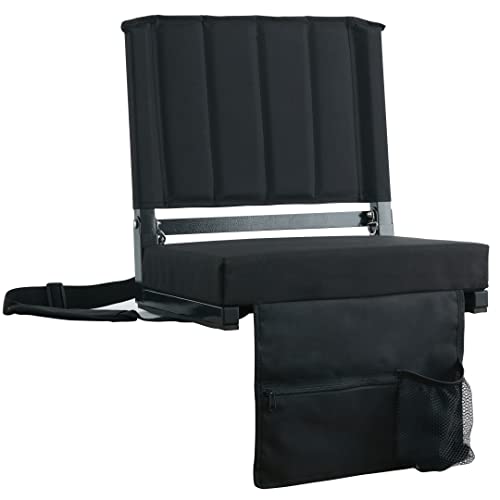
Compare chairs for sporting events by budget, comfort, portability, and durability. Learn what price tiers offer and how to choose a seat for long game days.
Choosing the best chairs for sporting events starts with a simple question: how will you actually use the seat? A chair that stays in a car trunk for weekend games has different needs than a chair that travels to tournaments, sits on grass for hours, and gets folded and unfolded many times in a season. The comparison table below can help you weigh those tradeoffs side by side.
Prices vary widely, and a higher price does not always mean a better fit for your plans. A light chair with a good carry bag may serve a casual spectator better than a heavy chair with features that never get used. This guide walks through budgets, features, and long term costs so you can spend where it matters and skip the rest.




How to Set a Budget for Game Day Seating
Instead of naming single models, this section groups spending into three broad approaches. Think about how often you attend events, how far you carry the chair, and how long you sit. Those three answers will point you to the right level more reliably than any single feature list.
Lower Cost Seating That Covers the Basics
A lower cost chair should fold easily, carry comfortably, and hold your weight without wobbling on flat ground. Look for a sturdy frame, a simple locking mechanism, and fabric that feels taut rather than loose or saggy. You may give up thick padding, wide armrests, and extra pockets, but the core job remains the same: a stable seat you can set up in seconds. This level suits occasional spectators, families buying several seats at once, and anyone who wants a spare chair for guests.
Mid Priced Seating With More Comfort
Mid priced seating usually adds better padding, a wider seat, and a more thoughtful carrying system. Armrests may feel sturdier, the frame may use thicker tubing, and the fabric may resist light rain and sun fading a little better. This level suits regular spectators who attend games most weekends and want to stay comfortable through a full match plus warmups. It is also a sensible choice when one chair must serve different venues, from bleachers to grass fields to paved lots.
Higher Priced Seating for Frequent Spectators
Higher priced seating tends to focus on durability, refined comfort, and details that matter over many seasons. You may find stronger joints, smoother folding action, better ground stability on uneven surfaces, and covers or bags that protect the chair in transit. This level makes most sense for people who attend events weekly, travel to tournaments, or sit for long stretches in heat, wind, or cold. Before paying more, check that the added features match a real need in your routine rather than a feature you admire in a store display.
What Your Money Gets You at Each Price Tier
Price tiers in this market overlap, so use the ranges below as a guide rather than a strict rule. A well made chair at a lower price can outperform a poorly made chair at a higher price. Focus on frame quality, seat size, and carrying weight first, then judge extras.
Budget Tier: Basic Comfort and Easy Carrying
Budget chairs often cost about $25 to $60 and cover the essentials for short events. Expect a simple folding frame, a fabric seat and back, and a basic carry bag or strap. Padding is usually thin, so a separate cushion can help for longer games. Check the weight rating, the folded size, and whether the chair stands steady on grass, since soft ground can make narrow feet sink.
Midrange Tier: Better Support for Long Days
Midrange chairs often cost about $60 to $130 and add comfort that shows up after the first hour. Seats tend to be wider, back support feels more shaped, and armrests sit at a more natural height. Many chairs in this tier also fold more smoothly and include useful pockets, a cup holder, or a padded carry strap. This tier suits spectators who stay for doubleheaders, tournaments, or full day events and want to avoid stiffness at the end of the day.
Premium Tier: Added Durability and Features
Premium chairs often cost about $130 to $250 and aim for long service under frequent use. Frames may feel noticeably stiffer, hinges may operate with less play, and fabric may handle repeated folding without fraying at stress points. Extras might include adjustable recline, insulated pockets, or a canopy for sun protection. These features are worth the money only when you use them often enough to notice the difference, so match the chair to your calendar before you commit.
Features Worth Paying For (and Ones to Skip)
Some features improve every outing, while others sound useful and then sit unused. The list below separates the two groups for sporting events specifically, where portability, weather, and seating surfaces matter more than office style adjustments.
Warranty and Return Policy
A clear warranty is worth more than a long list of small extras. Look for coverage of the frame and joints, since those parts take the most stress when a chair is folded, carried, and set up repeatedly. A simple return policy also matters, because seat comfort is hard to judge from photos alone. If the chair feels too low, too narrow, or unstable on your first test, you should be able to return it without a complicated process.
Style and Venue Fit
Style matters less than venue fit, but color and shape still affect the experience. A chair that blends with team colors may be fun, yet the more important question is whether it fits the space you have. Bleacher rows, narrow sidelines, and crowded tailgate areas all reward a chair with a modest footprint. A very wide chair can feel generous at home and awkward in a tight row, so measure the space where you usually sit before choosing a broad model.
Features That Matter for Sporting Events
Sporting events create specific needs that a general outdoor chair may not address. Ground stability matters on grass, dirt, and uneven sidelines, so wide feet or a stable base help. Quick setup matters when gates open and seats fill fast, so a chair that opens in one motion beats a chair with fiddly locks.
Weather resistance matters for rain delays and hot sun, so fabric that dries quickly and a frame that resists rust will last longer. Cup holders, side pockets, and a secure carry bag round out the practical set, while built in speakers or complex recline systems are easy to skip.
Ergonomics and Adjustability
Comfort at a sporting event comes from seat height, back angle, and armrest position working together. A seat that is too low makes standing up hard after a long game, while a seat that is too high can leave feet dangling and legs restless. Adjustable armrests help when you read a program, hold a drink, or stand often to cheer. A back that offers gentle lumbar shaping can reduce fatigue, but deep recline is rarely needed at a game and can block the view of the person behind you.
For more ideas on portable options, see our guide to best portable chairs for sporting events and our guide to best folding chairs for sporting events.
Choosing Chairs for Your Situation
Your venue, your travel distance, and your sitting time should drive the final choice. A spectator who walks a short distance to a local field can accept a heavier chair, while a tournament traveler needs a light chair that packs small. People who stand often may prefer a higher seat and firm armrests that help them rise, while people who sit through long events may prefer thicker padding and a more relaxed back angle.
Best Chairs for Sporting Events Older People: Where Your Money Goes
For older spectators, money is best spent on a stable frame, a seat height that makes standing easy, and armrests that support the full hand and forearm. A chair that wobbles on grass or folds unexpectedly can turn a pleasant outing into a stressful one, so stability deserves priority over extra pockets or a low price. Light weight also matters, because a chair that is hard to carry may stay in the car. Look for a clear locking mechanism, feet that grip varied ground, and a carry bag with a comfortable strap.
If you attend outdoor games often, see our guide to best outdoor chairs for sporting events for venue focused options.
Long Term Costs to Factor In
The purchase price is only part of the total cost. A carry bag may need replacement after heavy use, a cushion may wear out, and a chair that fails early costs more than a slightly pricier chair that lasts several seasons. Accessories such as a seat cushion, a blanket, or a shade attachment can add comfort without replacing the chair. Before buying, consider how often you attend events and how rough the travel will be.
A chair used twice a year can be simple and inexpensive, while a chair used weekly should justify a stronger frame and a better warranty.
FAQs
What features matter most in chairs for sporting events?
Stability, portability, and seat comfort matter most, in that order, for most spectators. A chair that tips on grass or takes minutes to set up will frustrate you even when the padding feels good. Look for a stable base, a folding action you can operate easily, and a seat height that lets you stand without strain. After those basics, judge pockets, cup holders, and weather resistance against the venues you visit most, since a chair that matches your usual ground surface and travel distance serves you better than a chair with an impressive feature list.
How long should a good chair last?
A good event chair should last several seasons with regular use and basic care. Lifespan depends more on folding frequency, storage conditions, and ground surfaces than on the calendar alone. Chairs stored dry and out of direct sun tend to last longer than chairs left in a hot car trunk all summer. Check hinges, fabric seams, and feet at the start of each season, and replace the chair if the frame bends, a joint cracks, or the fabric tears at a stress point.
How do I choose the right size?
Start with seat width, seat height, and folded size, and compare all three to your body and your venue. Sit with your feet flat and your knees at a comfortable angle, with a little room on each side for shifting. A seat that is too narrow will pinch at the hips, while a seat that is too wide may not fit a bleacher row or a tight sideline. When in doubt, favor a chair that fits your venue over a chair that feels roomy in a store, and measure folded size for your car trunk before you buy.
Is an expensive chair worth it?
An expensive chair is worth it when you use the added durability and comfort often enough to notice them. Weekly spectators, tournament travelers, and people who sit for full day events gain the most from stronger frames and better padding. Occasional spectators may get equal satisfaction from a simpler chair plus a separate cushion. To decide, estimate your events per season and divide the price by that number, then save the difference for tickets and travel if the per event cost feels too high for the comfort gained.
What features matter most for long hours?
For long hours, seat padding, back support, and the ability to shift position matter more than any single extra. Thick padding reduces pressure points, a shaped back supports a natural posture, and armrests at the right height let shoulders relax. A footrest is rarely practical at a crowded event, so focus instead on a seat that does not sag and a back that does not force you to slouch. Bring a light blanket or cushion for temperature changes, and stand and stretch during breaks, since those habits plus a well sized chair make a long day far more comfortable.
Our Verdict
The right chair balances stability, comfort, and carrying ease for the events you actually attend. Budget chairs cover short games well, midrange chairs add comfort for regular spectators, and premium chairs reward frequent travelers with durability. Before you buy, weigh how often you go, how far you carry the chair, and how long you sit. The product table above can help you compare those tradeoffs, and the best chairs for sporting events for you will be the one that fits your venue, your body, and your season.


