
Best Chairs for Sports Parents in 2026: Which Type Is Right for You?
Disclosure: We may earn a commission when you buy through links on this page, at no extra cost to you. As an Amazon Associate I earn from qualifying purchases. Learn more
Compare chair types for sports parents, from padded folding chairs to compact models, and learn what to check for comfort, carry weight, and durability.
Sports parents spend long stretches on sidelines, in bleachers, and on grass fields, often in heat, wind, or light rain, and the best chairs for sports parents make those hours far more comfortable. The wrong chair leaves you shifting, sinking, or hauling a heavy frame back to the car. This guide compares the main chair types for sports parents, so you can match the seat to your sport, your vehicle, and your body.
Use the comparison table below to narrow the field first, then read the type and feature sections to check the details that matter most on a real game day. Prices vary by size, padding, and frame, and most good sideline chairs cost about $40 to $180.




Types of Chairs Compared
Most sideline chairs fall into three broad groups. Premium padded models trade carry weight for comfort and extras. Compact models trade padding for a small folded size and an easy carry.
Supportive ergonomic models focus on back shape, seat height, and adjustability for long sits. The table below sums up the trade offs before the detail sections.
| Type | Best For | Pros | Cons | Typical Price |
|---|---|---|---|---|
| Premium padded | Long tournaments and all day meets | Thick padding, armrests, storage pockets | Heavier and bulkier to carry | about $90 to $180 |
| Compact | Quick games and small cars | Light, folds small, easy to carry | Thinner padding and less support | about $40 to $90 |
| Supportive ergonomic | Back comfort over many hours | Shaped back, better seat height, adjustable parts | Can cost more and weigh more | about $80 to $160 |
Premium/Executive Models
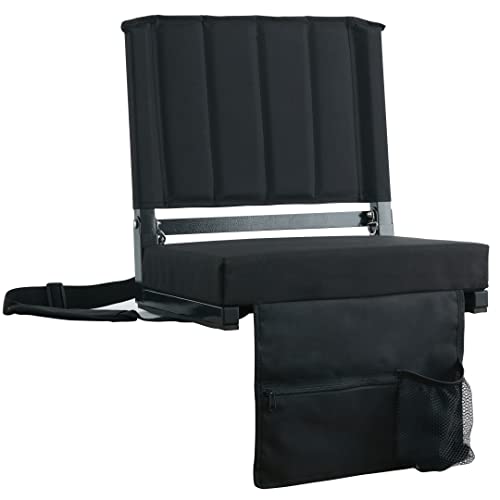
Premium padded sideline chairs are built for parents who stay for a full day of games. They usually have thick seat and back padding, wide armrests, a cup holder, and side pockets for a phone, keys, and sunscreen. Many also add a small canopy or a padded carry strap, which helps on sunny fields with no shade.
The trade off is size and weight. A fully padded chair can weigh 12 to 18 pounds and fold into a larger bundle than a simple camp chair. Check the folded length before you buy, and make sure it fits your trunk with the rest of your game day gear. If you walk a long way from the parking lot, that extra weight matters more than an extra pocket.
Compact/Space Saving Models
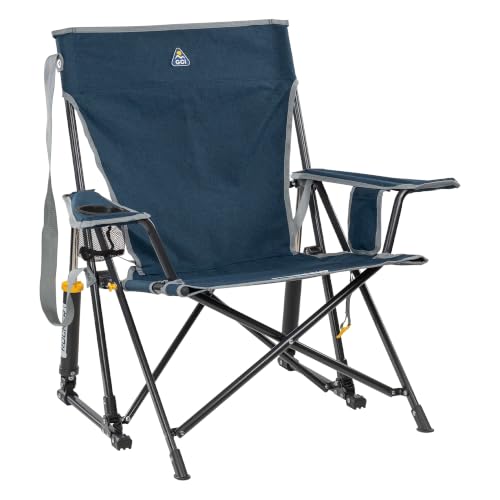
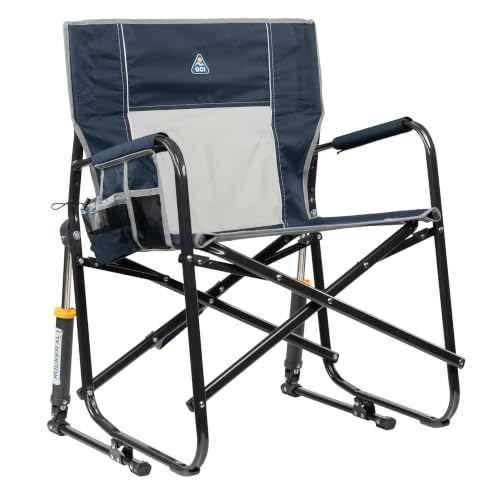
Compact chairs suit parents who value a fast setup and an easy carry. They fold into a slim shape, often with a shoulder strap or a carry bag, and they fit in a crowded trunk or a small car. For a single short game, or for a parent who also carries bags, snacks, and a stroller, that convenience can matter more than deep padding.
Expect thinner fabric and a simpler frame, and check the seat width before you buy. A very narrow compact chair can feel tight after an hour, even if it weighs only 7 to 10 pounds. See our guide to the best folding chairs for sports if a small folded size is your top priority.
Ergonomic Models
Supportive chairs focus on posture during long sits. Look for a back that follows the natural curve of the lower back, a seat height that lets your feet rest flat on the ground, and armrests at a height that keeps your shoulders relaxed. Some models let you adjust the back angle or the armrest height, which helps if more than one family member uses the chair.
Support matters most at tournaments, swim meets, and track meets, where you may sit for four hours or more with breaks only between events. A supportive chair will not fix back pain, and you should still stand, stretch, and walk between games. General comfort guidance only applies here, so talk with a clinician about persistent back pain.
Premium/Executive Models vs Compact/Space Saving Models: Which Should You Choose?
Choose a premium padded chair if you sit for most of the day, you drive a larger vehicle, and you want storage and shade features built in. Choose a compact chair if you attend short games, you walk a long distance to the field, or trunk space is tight. Both types work well for a single game, so the deciding factor is usually how long you sit and how far you carry the chair.
Compare them on four points: padding depth, folded size, carry weight, and seat height. Premium chairs win on padding and extras, while compact chairs win on size and weight. Supportive models sit between the two groups, often with better back shape than a basic compact chair but less bulk than a fully padded model. If you are torn, a supportive midweight chair is often the safer middle ground.
How to Choose the Right Chair
Features That Matter for Sports Parents
Sports parents need chairs that handle grass, dirt, gravel, and bleacher rows. Wide feet or a stable base help on soft ground, while a frame that locks open helps on uneven sidelines. A cup holder keeps a drink off the ground, and a side pocket keeps small items within reach during a game. See our guide to the best outdoor chairs for sports for more on frames and fabrics built for field use.
Think about the sport too. Soccer parents often sit on open grass with no shade, so a canopy or a light color can help. See our guide to the best soccer chairs for parents for seating ideas shaped around soccer sidelines. Parents at swim meets or indoor events may care more about a chair that works on hard floors and folds quietly in a crowded hall.
Comfort and Cushioning
Cushioning is about density and shape, not just thickness. High density foam holds its shape longer than soft loose fill, and a slightly firm seat often feels better after two hours than a very soft seat that bottoms out. Check the seat depth as well, since a deep seat can press behind the knees of a shorter sitter, while a shallow seat can leave a taller sitter without enough thigh support.
Removable or washable covers are a real plus for field use, since mud, grass, and spilled drinks are part of the season. If the cover does not come off, choose a fabric you can wipe clean with a damp cloth. Let the chair dry fully before you fold it away, or trapped moisture can leave a musty smell.
Build Quality and Frame
Frame material and joints decide how long a sideline chair lasts. Steel frames are strong and steady but heavier, while aluminum frames are lighter and resist rust better in damp weather. Check the weight capacity against your own weight plus the weight of bags you may hang on the chair, and look for sturdy rivets or bolts at the folding joints.
Test the lock that holds the chair open, and avoid a chair that feels wobbly when you shift your weight. A chair rated for outdoor use should have fabric that resists fading and tearing, and feet that do not sink quickly into soft grass. See our guide to the best sports chairs for a broader look at frame and fabric choices for game day seating.
Ergonomics and Adjustability
Seat height is the most overlooked comfort factor. A seat that is too low makes standing up hard, especially after a long sit, while a seat that is too high leaves feet dangling and legs restless. Aim for a height that lets your knees sit near a right angle with feet flat on the ground. Adjustable armrests help if you read, hold a camera, or rest a program during breaks.
A recline or tilt lock can help during long waits between games, but it should lock firmly and release easily. Avoid chairs with a recline that slips under your weight, since a sudden shift can tip a chair on soft ground. Lumbar support should feel like gentle contact, not a hard bump pressing into your back.
How to Make Your Chair Last Longer
- Adjust seat height so feet rest flat, and avoid dragging a folded chair across gravel.
- Tighten bolts every few months, and check fabric seams before the season starts.
- Vacuum or wipe upholstery regularly, and brush off mud before it dries into the fabric.
- Store the chair dry and out of direct sun, since damp storage can weaken fabric and frames.
- Do not overload side pockets or hang heavy bags from armrests, which can bend the frame over time.
Frequently Asked Questions
What features matter most in chairs for sports parents?
Seat height, back support, carry weight, and folded size matter most, since sports parents sit for hours and often carry gear. A stable base helps on grass, a cup holder keeps drinks handy, and a washable cover makes cleanup easier after muddy games. Start with those four points, then add extras like a canopy or extra pockets only if they fit your trunk and your budget. A chair that is hard to carry will stay in the garage, no matter how comfortable it looks at home.
How long should a good chair last?
A well built sideline chair often lasts three to five seasons of regular use, while a very light budget chair may last one or two. Frame joints, fabric seams, and the folding lock usually wear first, so check those parts each season. Store the chair dry, keep it out of harsh sun when not in use, and tighten loose bolts early. Heavy daily use, rough ground, and wet storage all shorten life, even for a strong frame.
How do I choose the right size?
Measure your seated hip width and compare it with the seat width, leaving a little room on each side for comfort. Check seat height by sitting with feet flat and knees near a right angle, and check folded length against your trunk space. Taller parents often need a higher seat and a longer back, while shorter parents may prefer a shallower seat depth. If two people will share the chair, pick a size that fits the larger sitter without feeling loose for the smaller one.
Is an expensive chair worth it?
A higher price is worth it when it buys better padding density, a stronger frame, and features you will actually use, such as a canopy or adjustable armrests. It is not worth it if the extra cost goes to bulk you must haul a long way, or to pockets you never open. Compare chairs at the same seat height and weight capacity, and weigh comfort against carry weight. For a full tournament day, comfort often justifies the cost, while a short weekly game may not.
What features matter most for long hours?
For long hours, back shape, seat height, and cushion density matter more than extra pockets or a fancy canopy. A shaped back with gentle lower back contact reduces fidgeting, and a firm high density seat holds up better than soft fill that flattens. Armrests at a relaxed height help shoulders stay loose, and a stable base prevents shifting on grass. Stand and stretch between events, since no chair replaces movement during a very long day.
The Bottom Line
Start with how long you sit and how far you carry the chair, then choose padding, support, and size around those two facts. Premium padded chairs suit all day tournaments, compact chairs suit short games and small cars, and supportive chairs suit parents who need steady back comfort. Check seat height, folded size, and weight capacity before you order, and use the product table above to compare the types side by side. The best chairs for sports parents are the ones that fit your body, your vehicle, and your season, not the ones with the longest feature list.


