
Best Chairs for Stargazing: A Practical Buying Guide for 2026
Disclosure: We may earn a commission when you buy through links on this page, at no extra cost to you. As an Amazon Associate I earn from qualifying purchases. Learn more

Recline angle, padding and portability for the best chairs for stargazing, from backyard nights to dark sky trips.
Stargazing asks more of a chair than ordinary outdoor sitting. You lean back for long stretches, hold your head at an upward angle, and shift your gaze across the sky while the ground cools beneath you. The right best chairs for stargazing choice supports your neck, keeps your lower back relaxed, and stays steady on grass or gravel. This guide walks through recline, padding, size, and portability using the comparison table below.
Start with how you actually watch the sky. Backyard viewers who step out for an hour need something different from campers who travel to dark sky sites. Keep your setting, session length, and transport space in mind, because those three facts narrow the field faster than any single feature.

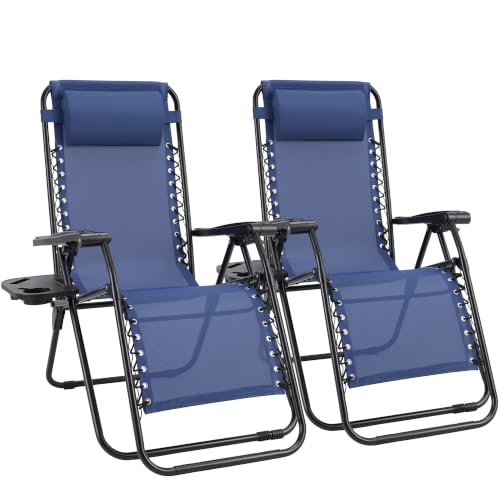
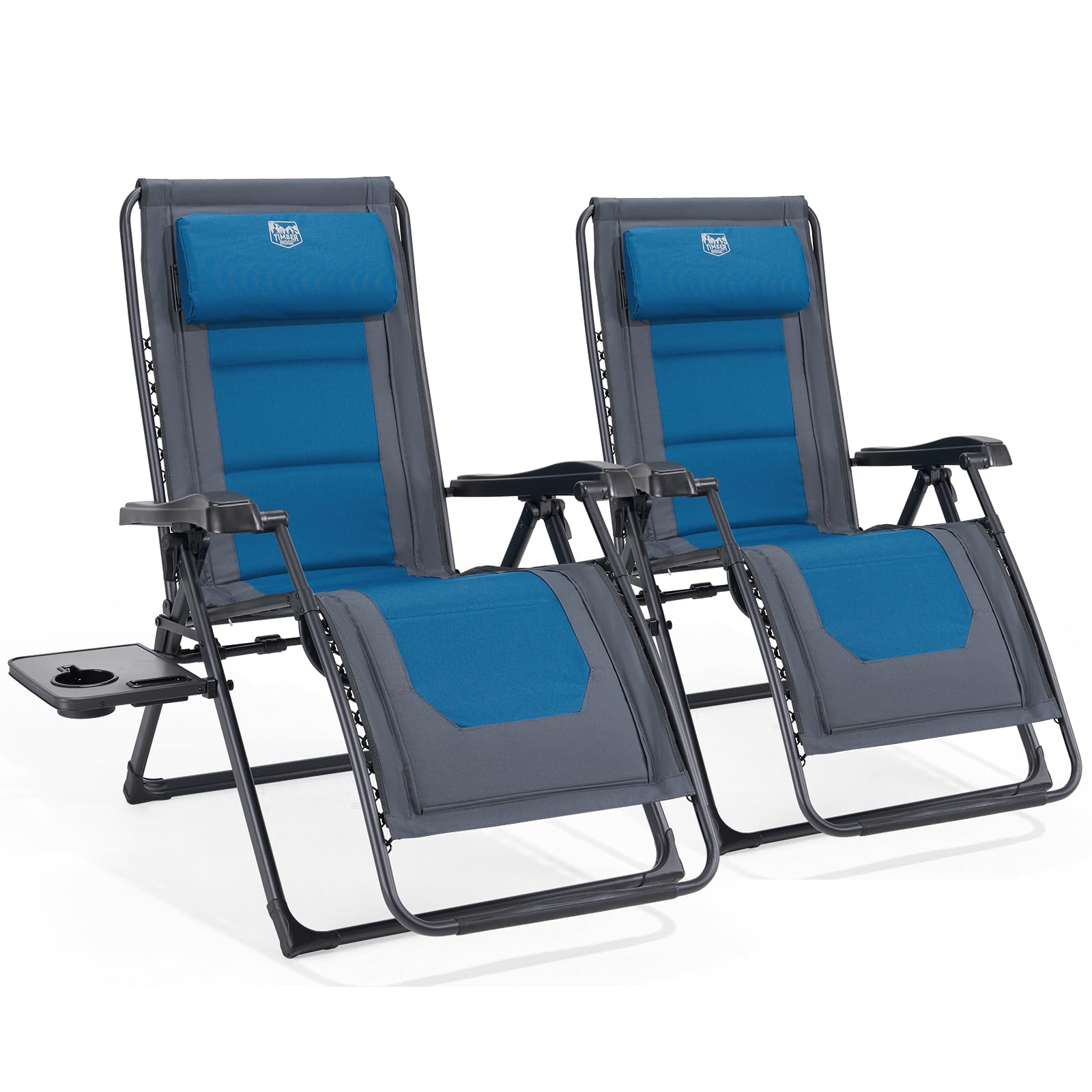
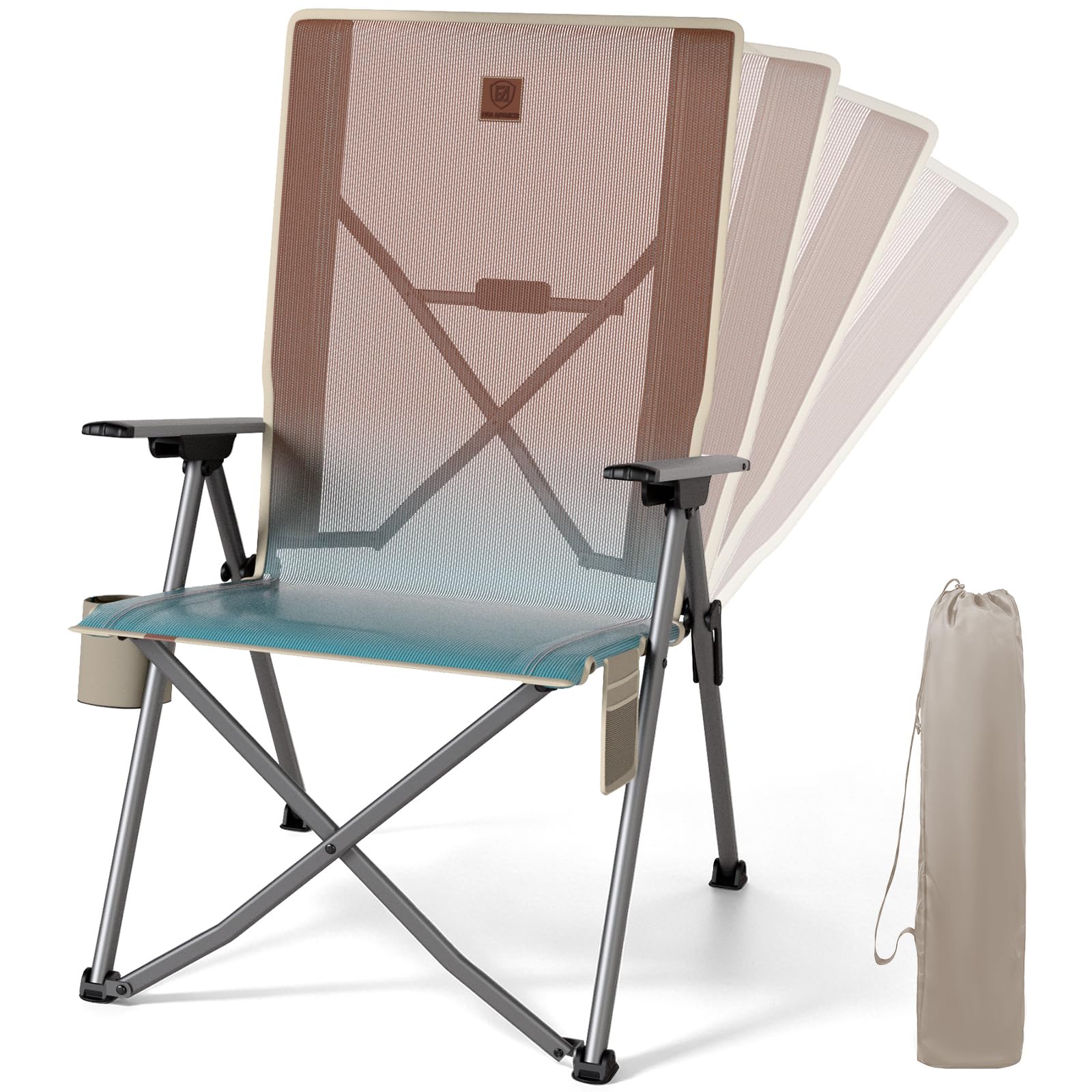


How to Compare Chairs at a Glance
Match the chair style to your viewing habits. The product table above gives you the core specs, and the three profiles below show how to read those specs for different kinds of nights. Think about where your weight rests once you recline and whether the frame feels planted when you shift position.
For Relaxed Backyard Viewing
Backyard viewers benefit most from a padded recliner with a headrest and a smooth tilt lock that holds an angle without drifting. You will move the chair short distances, so a little extra weight is acceptable if it buys stability and thicker cushioning. Look for a wide base that sits well on a patio or lawn, armrests low enough to rest your elbows while you hold binoculars, and fabric that dries well after dew.
For Travel and Dark Sky Trips
If you drive to darker skies, folded size and carry weight matter as much as comfort. A folding frame that fits your trunk without crowding a telescope case or cooler leaves room for the gear that makes the trip worthwhile. Check the folded length against your cargo space before you buy, and favor a carry bag with a shoulder strap for the walk from the parking area to your spot.
For Long Sessions at Home
Long sessions reward ergonomic shaping more than any other trait. A contoured seat, real lumbar support, and cushioning that does not bottom out under your hips will decide whether hour two feels calm or restless.
How to Choose a Chair for Stargazing
Choosing among the best chairs for stargazing comes down to a handful of measurable details. Work through the factors below in order, starting with recline and support, then frame and materials, and finally fit for your body and your space.
Features That Matter for Stargazing
Recline angle is the defining spec for this use. A chair that only leans back slightly forces you to crane your neck toward the zenith, while a deep recline of about 120 to 170 degrees lets the headrest carry your head as you look nearly straight up. A tilt lock that holds intermediate angles helps when you track objects lower in the sky.
Ergonomics and Adjustability
Ergonomic support keeps a long session comfortable. Lumbar support should fill the curve of your lower back once you recline, not only when you sit upright. Adjustable armrests help because your elbows need a resting place while your hands hold binoculars steady, yet the rests should drop or sit low enough that they never block a telescope eyepiece at your side. High density foam holds its shape under steady pressure far better than thin padding.
Build Quality and Frame
The frame decides both safety and lifespan. Powder coated steel and aluminum frames resist the moisture that comes with night air and dew, and cross bracing at the joints keeps a recliner from flexing each time you shift. Check the recline mechanism too, since simple systems with few moving parts tend to stay silent.
Size, Dimensions, and Weight Capacity
Match the chair to your body first and your space second. Seat width should let you sit with a jacket on without your hips pressing the frame, and seat height should let you stand up without rocking forward, which matters more on soft ground. Compare your weight plus winter clothing against the stated weight capacity and leave a margin. Then check the folded dimensions against your storage corner or trunk.
Materials and Upholstery
Night use is hard on fabrics. A mesh back breathes well on warm evenings and dries fast after dew, while padded fabric panels add insulation when the temperature drops after midnight. Look for tightly woven polyester or similar outdoor fabrics that resist fading and wipe clean after contact with damp grass. Cushion covers that zip off for washing are a quiet advantage. Avoid delicate indoor upholstery outdoors, since repeated moisture shortens its life.
Warranty and Return Policy
A clear warranty tells you how the maker rates its own frame and recline hardware. Look for coverage that names the frame and moving joints rather than fabric alone, and note whether replacement parts such as armrest caps and locking pins are sold separately. Return terms matter because recline comfort is personal and hard to judge from photos. A trial window lets you test the chair on a real night and confirm that the headrest angle suits your neck.
Style and Room Fit
Many stargazing chairs live on a patio or deck between sessions, so appearance and footprint count. A low profile lounger blends with outdoor furniture, while a taller padded model reads more like indoor seating moved outside. Pick a silhouette that folds flat against a wall, so the chair stays ready without dominating the area.
Main Types of Chairs for Night Sky Viewing
Most options fall into three broad families. Each one trades comfort, size, and price in a distinct way, so knowing your family keeps you from paying for padding you cannot transport.
Compact and Space Saving Models
Compact models fold into a slim package and often weigh little enough to carry in one hand. They suit apartment balconies, small patios, and car camping where space is tight. The trade off is a narrower seat and thinner padding, so they shine for sessions of an hour or so rather than all night meteor watches. Their low price, often under $100, makes them an easy first chair.
Ergonomic Models
Ergonomic models shape the seat and back around the body, with contoured cushions, defined lumbar support, and headrests you can reposition. They suit viewers who stay out for two hours or more and anyone whose back complains in a flat sling chair. The cost is bulk, since sculpted padding folds less flat than a simple sling.
Premium and Executive Style Models
Premium models add thicker cushioning, sturdier frames, and smoother recline hardware, sometimes with a zero gravity posture that raises your legs as the back lowers. That posture spreads your weight evenly and eases pressure on the spine, which many viewers find ideal for meteor showers. Prices here run about $150 to $350, and the chairs are heavier, so they fit home use best.
Tips to Get the Most From Your Chair
A few habits will make any chair feel better and last longer.
- Set the recline before full darkness, so you can test the headrest angle while you still have light to see the mechanism.
- Place the chair on the firmest ground available and press each foot down once, because a settled base prevents slow sinking and wobble on soft lawns.
- Keep a small cushion in your kit, since extra neck or lumbar fill lets you fine tune support as angles change.
- Wipe dew from the frame and fabric after each session, because moisture left overnight is what starts rust at joints and mildew in padding.
- Store the chair dry and out of direct sun, since ultraviolet light weakens outdoor fabric and foam long before the frame wears out.
- Check bolts and locking pins every few months, because a loose joint is the usual source of squeaks and sway.
Care and Maintenance for Outdoor Chairs
Care for this kind of chair is simple and specific. Brush loose dirt from the fabric before you fold the chair away, since grit trapped in a fold wears the weave each time you open it. Wash cushion covers or wipe fixed upholstery with mild soap and water, then let everything dry fully in moving air before storage. Inspect the recline joints and the tilt lock for grit after trips to dusty fields, and clear them with a dry brush so the lock keeps holding its angle smoothly.
Once or twice a year, look closely at the frame finish. Small chips in a coating can be touched up to keep rust from spreading, and frayed stitching is easier to repair early than after a seam opens. If the chair uses a mesh panel, check for snags from gear buckles and trim nothing, since cutting mesh can start a run.
Frequently Asked Questions
What features matter most in chairs for stargazing?
Recline depth and headrest support matter most in chairs for stargazing. A deep, lockable recline lets you look high in the sky without straining your neck, and a headrest that meets the back of your head carries the load through a long session. One detail many buyers miss is armrest height, since rests that sit too high lift your shoulders and tire your arms while you hold binoculars.
Is an expensive chair for stargazing worth the extra cost?
An expensive chair for stargazing is worth it when you view often and stay out for hours. Higher prices usually buy smoother recline hardware, denser foam, and frames that stay quiet and rigid on uneven ground. Casual viewers who step out a few times each summer can spend less and still enjoy the sky.
What chair features matter most for long stargazing sessions?
For long stargazing sessions, seat cushioning and lumbar support matter most, followed by a stable base. Foam that resists bottoming out keeps your hips comfortable, and steady lower back support prevents the slow slouch that leads to stiffness. A practical extra is a pocket within reach, because standing up for every drink or chart breaks your dark adaptation.
How long should a good chair for stargazing last?
A good chair for stargazing should last about five to eight years of regular outdoor use. Frames in coated steel or aluminum usually outlast fabric, so models with replaceable covers or available spare parts give you the longest service. Lifespan drops when a chair is stored damp or left in strong sun all summer. If the recline lock starts slipping under your weight, treat that as your signal to start shopping.
How do I choose the right size chair for stargazing?
Choose the right size chair for stargazing by matching seat width, seat height, and folded size to your body and your space. Sit width should allow room for a jacket, and seat height should let you rise without pushing hard on the armrests, which matters on cold nights when legs feel stiff. Measure a chair you already like at home and use those numbers as your reference.
Final Thoughts
Decide where you will view, how long you will stay out, and how the chair will travel or store, then weigh recline, support, and frame quality against those facts. Use the product table above to compare your short list. Chosen that way, the best chairs for stargazing pick for you is simply the chair that disappears beneath you while the sky holds your full attention.


