
Best Car Carpet: A First Time Buyer's Guide for 2026
Disclosure: We may earn a commission when you buy through links on this page, at no extra cost to you. As an Amazon Associate I earn from qualifying purchases. Learn more

Shopping for the best car carpet for the first time? Learn the key terms, compare pile and backing options, and avoid the mistakes new buyers make.
A worn, stained, or faded floor is often the first thing that makes an older car feel tired inside. The good news is that the carpet is a replaceable part, and choosing the best car carpet for your vehicle is mostly a matter of learning a few terms before you spend anything. This guide walks a first time buyer from the basics to a confident order, in plain language and in a sensible order.
We will cover what car carpet actually is, the specs that decide how it wears, and the mistakes new buyers make most often. The product table above gathers current options in one place, so use it alongside the sections that follow to match a carpet type to your car, your budget, and how you actually use the vehicle.


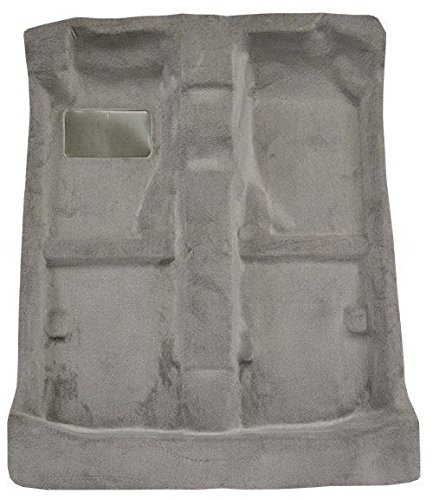


Car Carpets 101: The Basics
A car carpet is the fitted floor covering that lines the cabin floor of a vehicle. It is not a loose mat. It is a shaped textile layer that sits over the metal floor pan, under the seats and the trim, and it does quiet, insulation, and appearance work at the same time. Two classes decide how a carpet behaves over years of use. Pile is the fiber surface you see and touch, and backing is the layer underneath that holds the shape and grips the floor. Pile and backing together decide how the carpet wears and how it cleans.
On top of the carpet, many drivers add removable mats as a sacrificial layer, and our guide to best mats for car covers that separate purchase. For the carpet itself, ownership is mostly a cleaning story, because grit works down into the pile and stays there. The methods in our best car carpet cleaner guide keep that grit from grinding the fibers thin.
Key Specs Explained in Plain English
Intended Use and Who It's For
Start with how the car earns its keep. A daily commuter needs a carpet that shrugs off wet shoes, coffee drips, and constant heel pressure at the driver position. A weekend car or a restoration project can justify a plusher pile, because it sees fewer miles and cleaner shoes. A work vehicle that carries tools and muddy boots should get the toughest loop pile you can find, in a dark color that hides staining. Naming your use honestly matters more than any single spec, because every later choice on this page follows from it.
Warranty and Customer Support
Most carpet sets carry a warranty of about one to five years against defects in materials and workmanship. Read what the warranty actually covers before you order. Fading from sun, wear at the heel, and damage from a bad install are usually excluded, while split seams and backing that crumbles early are usually included. Support matters as much as the paper term. A seller who answers fit questions for your exact year and body style before you buy is worth more than a longer warranty from a seller who never replies.
Key Performance Specs
Pile type is the first spec to understand. Cut pile is sheared flat, feels soft underfoot, and looks like the carpet in most modern sedans. Loop pile leaves the fibers in closed loops, feels firmer, and resists crushing and dirt better, which is why trucks and older cars often use it. Pile weight, listed in ounces per square yard, tells you how much fiber is packed in. Around 14 ounces reads thin, while about 20 to 26 ounces reads dense and durable. Backing is the second spec. A heavy mass backing adds sound insulation and helps the carpet hold its molded shape, while a plain poly backing is lighter, cheaper, and more flexible.
Ease of Use and Setup
The cut class decides how hard the install will be, so read it before anything else on a listing. A vehicle specific molded carpet is pressed into the shape of your floor pan at the factory, arrives ready to drop in, and needs only small trims around seat bolts and trim. A trim to fit carpet arrives as a flat roll or a rough oversize shape, costs less, and asks you to cut every edge and hole yourself. These are different purchases, not better and worse versions of one product. First time buyers with a common car model usually finish happier with the molded class.
Size, Weight, and Fit for Your Space
Fit is sold by year, make, model, and body style, and all four must match your car. A carpet cut for a four door will not sit right in the two door version of the same car. Check what the set covers before ordering. Some sets cover the front footwells only, some cover the full cabin, and some add the trunk or cargo area. A full cabin set typically weighs about 10 to 25 pounds depending on backing, so plan for a bulky box. If your car has a center console, floor vents, or seat sensors, confirm the listing mentions them, because those details change the cut.
Rookie Mistakes to Avoid
- Ordering by price alone. The cheapest set often uses thin pile and plain backing, so it looks tired again within a couple of years.
- Skipping the body style check. Door count, cab size, and transmission tunnels change the floor shape, and a near match still wrinkles and bunches.
- Forgetting the padding layer. The insulation pad under the old carpet is often soaked or crushed, and laying new carpet over dead padding keeps old odors and road noise.
- Choosing plush pile for a work vehicle. Soft cut pile holds grit and stains fast under boots, while loop pile sheds the same abuse far better.
- Installing over a dirty floor pan. Trapped moisture and grit under fresh carpet keep rust and smells alive where you can no longer reach them.
Getting Started: Setup and First Use
Read the manual or instruction sheet before the first cut, because molded sets often have a required order for trimming. Work on a mild day, since a warm carpet relaxes and settles into the floor pan more easily than a cold stiff one. Remove the seats and the lower trim, pull the old carpet out in one piece if you can, and keep it as a pattern for bolt holes. Clean and inspect the bare floor pan next. A thorough pass with the kind of tool covered in our guide to best car vacuum pulls out the grit and loose rust scale, and any damp padding should be replaced rather than reused. Lay the new carpet in loose, let it settle, trim only a little at a time, and test fit the seats before you tighten anything down.
Car Carpets: Your Questions Answered
How long does a car carpet last?
A decent car carpet lasts about 8 to 15 years in normal use. The first places to fail are the driver heel area, where the pile crushes and wears through, and any spot that stays damp after wet weather. Sun through the windshield fades dark colors near the dash. Removable mats over the footwells take most of that daily wear, so a carpet protected by mats from new often outlasts an unprotected one by years.
How do I maintain a car carpet?
Vacuum the carpet weekly and blot spills the day they happen. Grit is the main enemy, because every step grinds it against the fibers. Deep clean once or twice a year with a carpet safe cleaner and a soft brush, then let the carpet dry fully before the mats go back in. Never soak the backing during cleaning. A backing that stays wet is where mildew smells start, and those smells are far harder to remove than the original stain.
How much should I spend on a car carpet?
Most owners spend about $120 to $400 on a carpet set. Shoppers comparing the best car carpets usually find that moving from about $150 to about $250 buys the molded shape and denser pile, which is where the real quality step sits. Flat trim to fit sets cost less and suit rare cars that have no molded option. Budget a little extra beyond the carpet itself for fresh padding, trim clips, and adhesive, because reusing broken clips is a common reason a new carpet sits loose.
Are expensive car carpets worth it?
They can be, but know what the money buys. Premium sets mainly buy a precise molded fit and a heavy mass backing, and the backing is a sound insulation upgrade as much as a carpet upgrade. The cabin genuinely gets quieter. What premium money does not buy is immunity from grit and spills, so a costly carpet in a work truck still wears like any other. Match the spend to how long you plan to keep the car. A vehicle you will sell within a year rarely repays a premium set.
What features matter most when buying car carpets?
Fit matters most, then pile, then backing. An exact molded fit for your year and body style beats every other feature, because wrinkles and gaps cannot be fixed later. Next comes pile type and weight matched to your use, and then backing weight if road noise bothers you. One point buyers miss is color. Interior trim codes give the exact factory color name, and matching that code matters more than matching a photo on a screen, since screens shift colors and a near match looks wrong across a whole floor.
The Bottom Line
For a first purchase, keep three criteria in front of you. Buy the exact fit for your year and body style, choose the pile that matches how the car is really used, and pick a backing weight that fits your noise and budget goals. Everything else is refinement. When you are ready, the product table above pulls current sets together so you can compare them against those three criteria. Choose the best car carpet for the car you actually drive, and the cabin will feel years younger every time you open the door.


