
Best Carpet Pads: A Buying Guide for Longer-Lasting Carpet
Disclosure: We may earn a commission when you buy through links on this page, at no extra cost to you. As an Amazon Associate we earn from qualifying purchases. Learn more
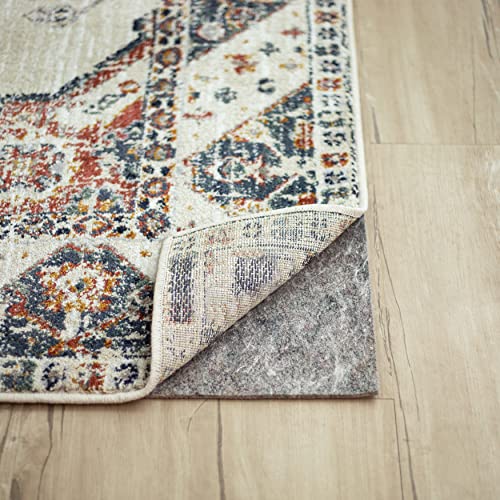
Carpet that felt plush the day it was installed can start to feel flat, noisy, or oddly hard underfoot within a few years, and the carpet itself is rarely the reason why. The layer doing most of the work is hidden underneath it. Choosing the best carpet pads for your home means understanding thickness, density, and material together, not just grabbing whatever roll the installer has on the truck. In this guide, you will learn how thickness and density actually affect performance, which pad material fits which room, what padding does for sound and warmth, and how to tell when an old pad has stopped doing its job.

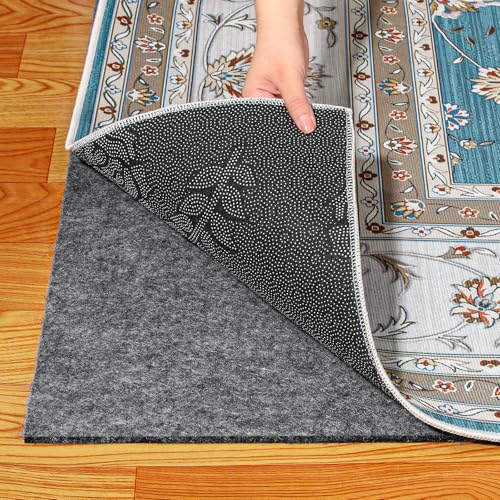

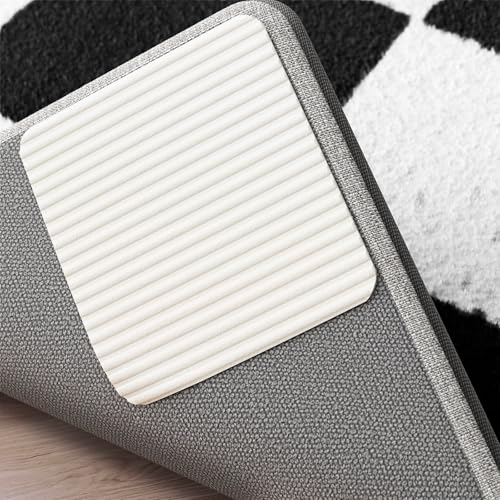
Thickness and Density: What Actually Determines How a Carpet Pad Performs
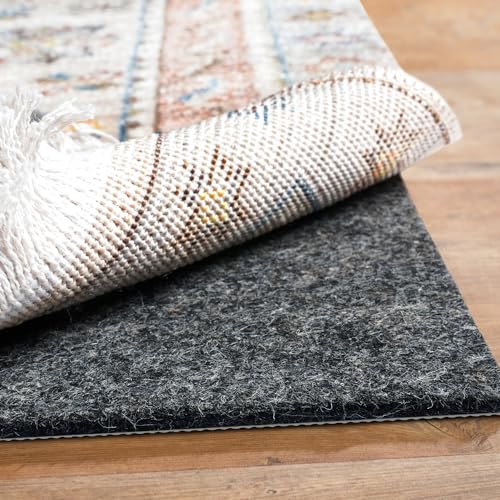
Most homeowners assume a thicker pad is automatically a better pad, but thickness and density measure two different things. Thickness is simply how tall the pad stands off the subfloor, while density describes how tightly the material is packed, usually expressed as weight per cubic foot or ounces per cubic yard. Density is the number that actually predicts how long a pad will hold its shape under foot traffic. A thick, airy pad compresses quickly and starts feeling hard within a year or two, while a thinner, denser pad keeps its cushion far longer. This is exactly where the best carpet pads separate themselves from ones that feel fine in the showroom but go flat within the first year of daily use.
For most residential carpet, a pad around 7/16 inch thick works well, with 1/2 inch as a practical ceiling for typical cut pile styles. Low-profile carpets like Berber are the exception. Pairing them with anything thicker than 7/16 inch, or often 3/8 inch, puts extra stress on the backing and can cause the carpet to delaminate over time. On the density side, look for at least a 6 to 8 pound rating for general living spaces, and step up to 8 to 10 pounds or higher for hallways, stairs, and family rooms that see heavy daily use. Checking both numbers together, rather than judging a pad by thickness alone, is the fastest way to sort the best carpet pads from ones that only look impressive on the shelf.
If you are already shopping budget carpet to stretch a flooring budget, padding is the wrong place to cut further corners. A denser pad under an affordable carpet often does more for how the floor feels and lasts than upgrading the carpet fiber alone.
Foam, Rebond, Rubber, or Fiber: Matching Material to the Room
Once thickness and density are settled, the material itself determines how the pad feels and how long it survives daily use. Each option trades off comfort, durability, and price differently, so the right choice depends heavily on which room you are outfitting. Understanding these trade-offs is how you land on the best carpet pads for a specific room instead of a single pick that is wrong for half the house.
Rebond Foam
Rebond is the pad you will encounter most often, made from recycled foam scraps bonded together into a dense, speckled cushion. It strikes a solid balance between affordability and support, which is why it shows up in living rooms, bedrooms, and hallways alike. Quality varies a lot by density within this category, so checking the weight rating matters more than the label alone.
Prime and Memory Foam
Prime foam is the softest, least expensive option on the shelf, and it shows that in how quickly it wears out, often needing replacement well before other materials do. Memory foam padding feels noticeably plusher and molds to footsteps, but that same softness makes it a poor match for busy areas. Both work best in low-traffic bedrooms or formal spaces rather than anywhere with constant foot traffic.
Rubber
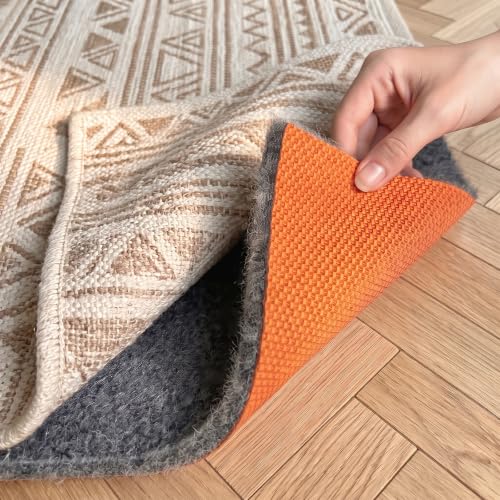
Rubber padding, particularly flat rubber, is the heaviest and most durable material available, capable of holding its shape for well over a decade in demanding spaces. It costs noticeably more up front, but for stairs, home offices, or any room with pets and kids, the extra durability often pays for itself.
Fiber and Felt
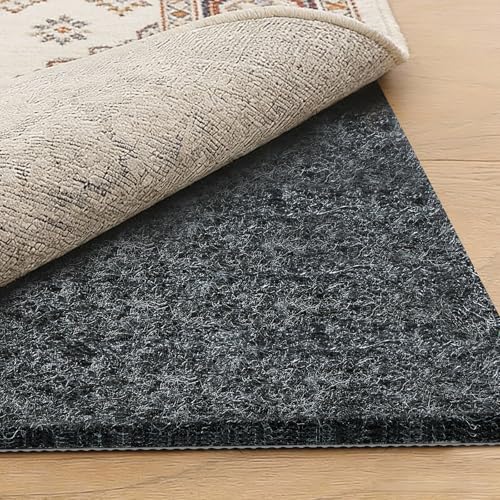
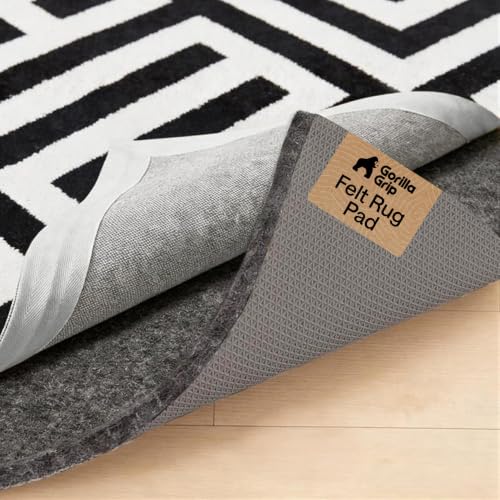
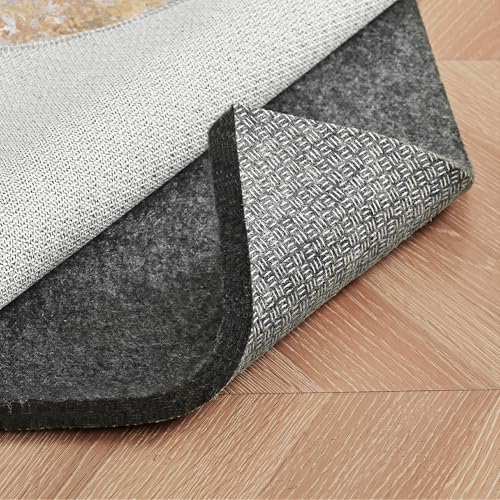
Fiber pads, often made from compressed synthetic or natural fibers, offer a firm, dense feel that resists crushing exceptionally well. They tend to be less plush underfoot than foam, but their density makes them a strong pick under carpet in home offices or anywhere furniture stays in one place for years.
What a Good Pad Adds Beyond Cushioning
It is easy to think of padding purely as comfort, but a well-matched pad does real work in two areas people rarely plan for: sound and temperature. Denser materials like rubber and felt absorb footstep impact and reduce sound transfer between floors far better than a basic foam pad does, which matters a lot in multi-level homes, apartments, or rooms directly above a bedroom. Carpet paired with the right pad also adds a genuine layer of thermal insulation between the subfloor and the room above it, which shows up as noticeably warmer floors in colder months. This is where the best carpet pads earn their price, in the rooms where sound and temperature actually matter day to day.
Moisture is the other factor worth planning for before you buy. In rooms prone to humidity or installed over a slab, such as a basement, a plain foam pad can trap dampness against the carpet backing and encourage mold growth you will not see until the smell shows up. A pad built with a moisture barrier, or a rubber and cork hybrid, resists that dampness and holds up far better below grade than standard foam ever will.
Signs Your Padding Is No Longer Doing Its Job
Carpet padding does not last forever, and how long it holds up depends heavily on both material and traffic. Standard foam typically needs replacing within five to seven years, rebond stretches to seven or ten years with reasonable care, and rubber or memory foam can last well over a decade in the right setting. Traffic level matters just as much as the material itself, so a hallway pad will wear out far sooner than the same pad in a guest room. Watching for these signs is part of choosing the best carpet pads for the long run, since even a well-built pad eventually reaches the end of its useful life.
A few warning signs tell you the pad has already failed, even if the carpet on top still looks fine. If the floor feels flat or hard underfoot instead of cushioned, the material has compressed beyond recovery. A crinkling or crackling sound when you walk across a room is another reliable signal, along with visible lumps, uneven dips, or a fine gray powder on the subfloor when the carpet is pulled back. Any musty smell or visible mold means the pad should be replaced immediately rather than left in place.
Frequently Asked Questions
What is the best thickness for carpet padding?
For most residential carpet, 7/16 inch is the standard recommendation, with 1/2 inch as a reasonable maximum. Berber and other low-profile carpets do better with a thinner pad, usually 3/8 inch, to avoid stressing the backing.
Does a thicker carpet pad mean better quality?
Not necessarily. Density, or how tightly the material is packed, predicts long-term support and comfort far more reliably than thickness alone, which is exactly why the best carpet pads on paper are not always the thickest ones. A thin, dense pad often outperforms a thick, airy one within a year or two.
How long does carpet padding actually last?
It depends on material and traffic. Standard foam often needs replacing within five to seven years, rebond typically lasts seven to ten years, and rubber or memory foam padding can last well over a decade under normal use.
Can I reuse old carpet padding under new carpet?
It is not recommended. Padding compresses permanently over time, so even if it looks intact, it has usually lost the support that made it effective in the first place. Installing new carpet over old, compressed padding shortens the life of the new carpet too.
Does carpet padding help with soundproofing?
Yes, denser materials like rubber and felt noticeably reduce footstep noise and sound transfer between floors compared to basic foam. This matters most in multi-level homes or apartments where noise carries between units.
What type of carpet pad is best for a basement?
Look for padding built with a moisture barrier, or a rubber and cork blend, rather than plain foam. Basements sit closer to ground moisture, and standard foam padding can trap dampness against the carpet backing over time.
Getting It Right the First Time
Padding is not a throwaway detail you leave up to whatever the installer has on hand. Matching thickness to your carpet type, choosing a density rated for how the room actually gets used, and picking a material suited to sound, warmth, or moisture concerns all add years to how the finished floor feels. Get those decisions right once, and you will not be thinking about the padding underneath your carpet again for a long time. In the end, the best carpet pads are simply the ones matched to your room and how it actually gets used, not whichever roll happens to be cheapest.