Best Air Purifiers Without Filters 2026: Honest Guide
Disclosure: We may earn a commission when you buy through links on this page, at no extra cost to you. As an Amazon Associate I earn from qualifying purchases. Learn more

Understand filter free air purifiers, how they work, what they can and cannot remove, and whether one suits your home or allergies and daily needs.
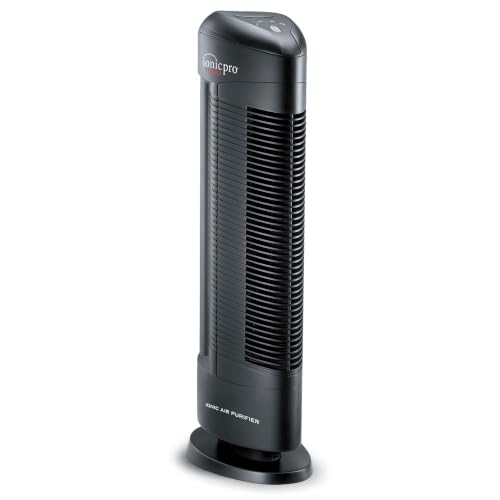
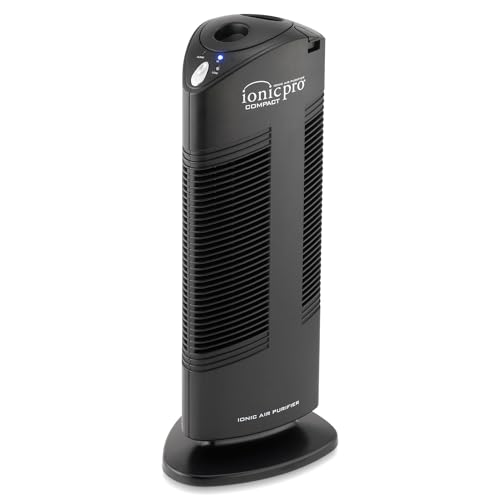
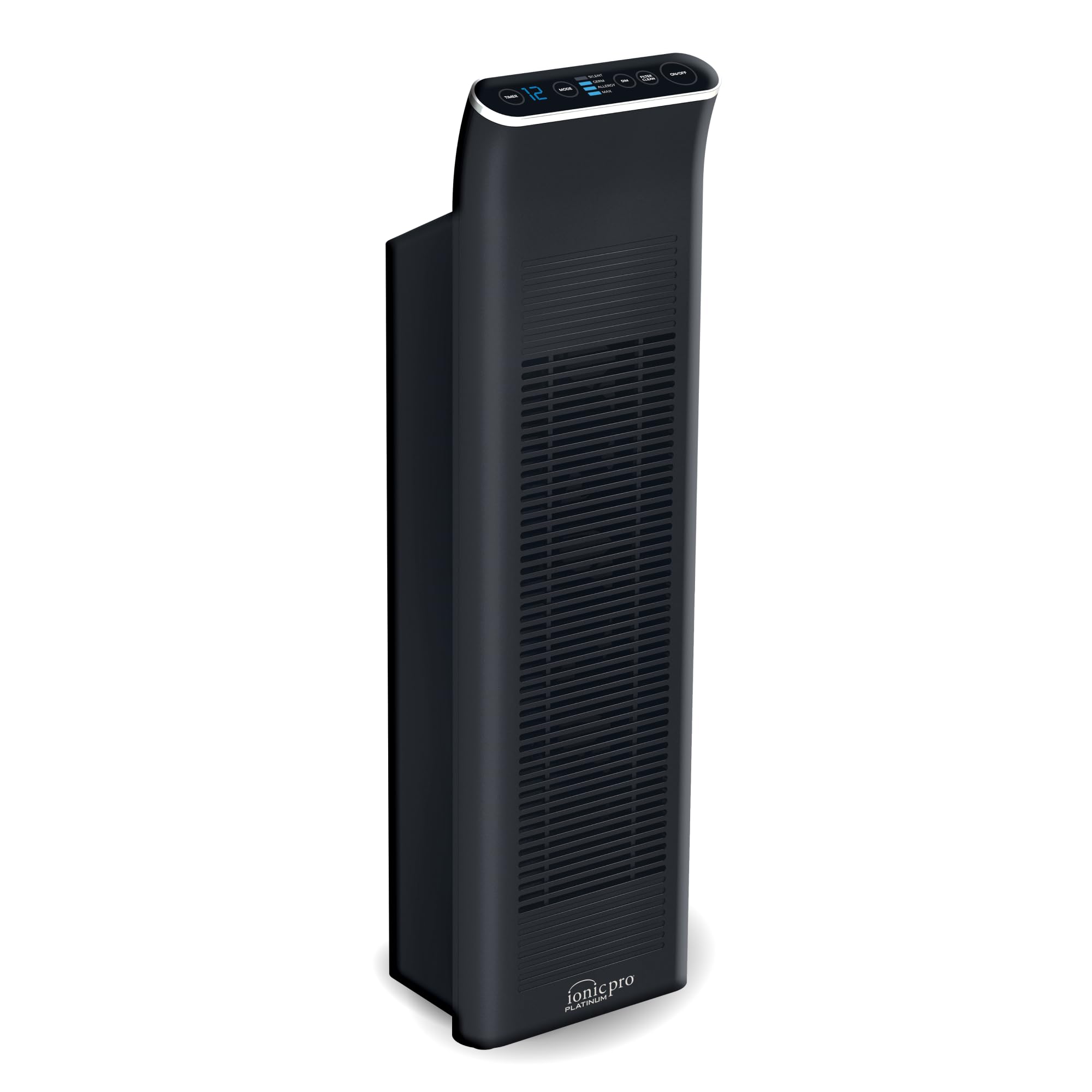
Best air purifiers without filters appeal to buyers who dislike buying replacement filters, yet the term covers very different technologies with very different results. The comparison table below sets out the main types side by side so you can see what each one actually removes from the air. Some filter free designs use washable collectors, while others rely on ionisation or ultraviolet light, and their cleaning power varies enormously.
Before you buy a filter free model, it helps to understand a simple truth: most airborne particles need physical capture to leave the air reliably. Technologies that charge particles or shine light on them may help in limited ways, but they rarely match a good filter for dust and pollen. This guide explains each approach plainly, so you can judge marketing claims with confidence.
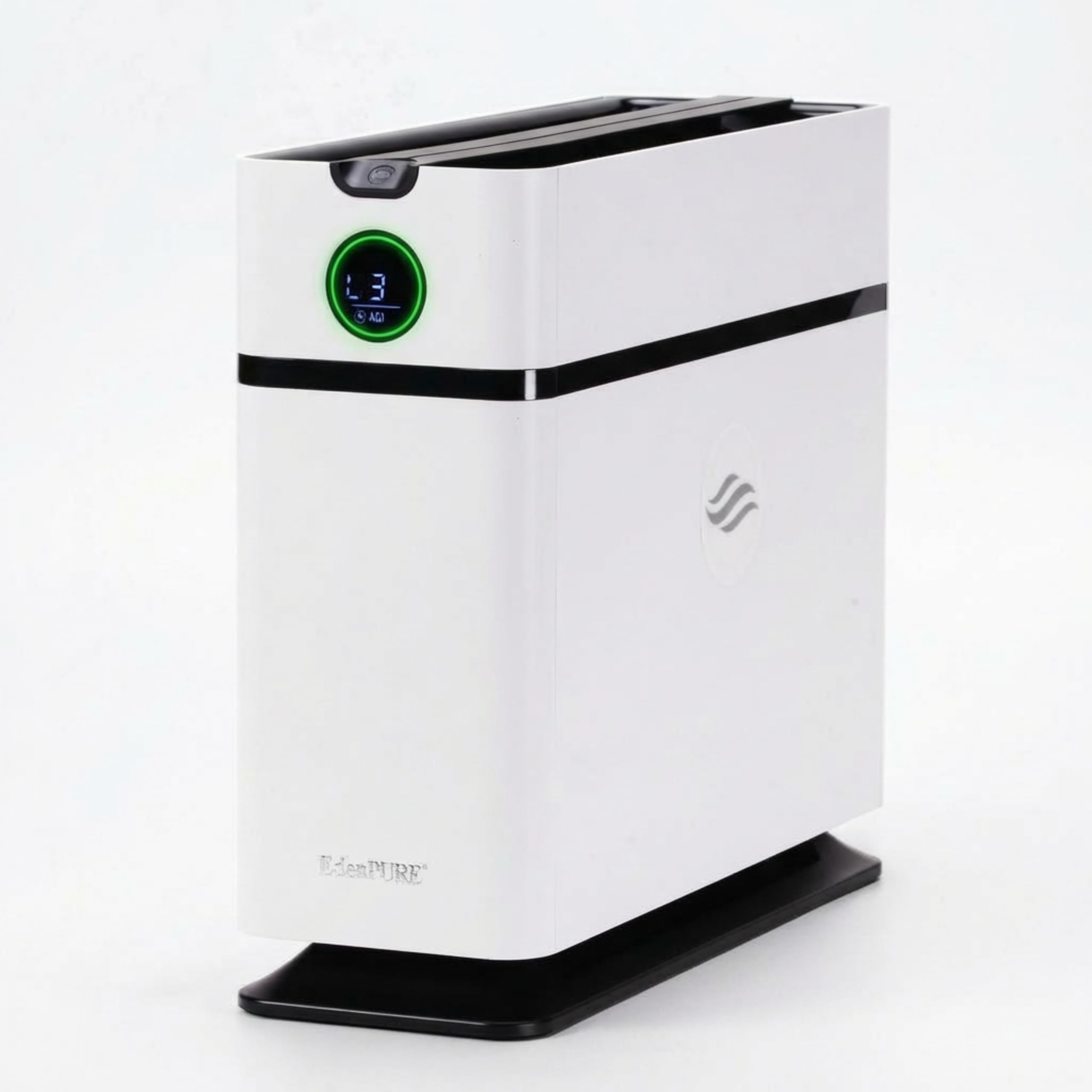

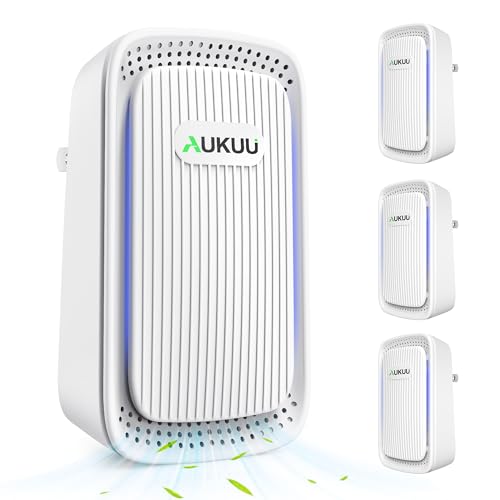
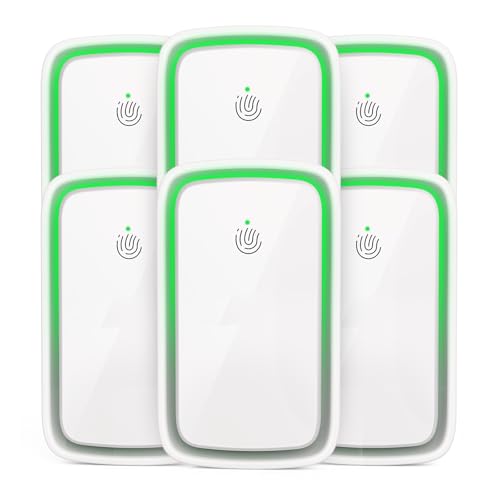
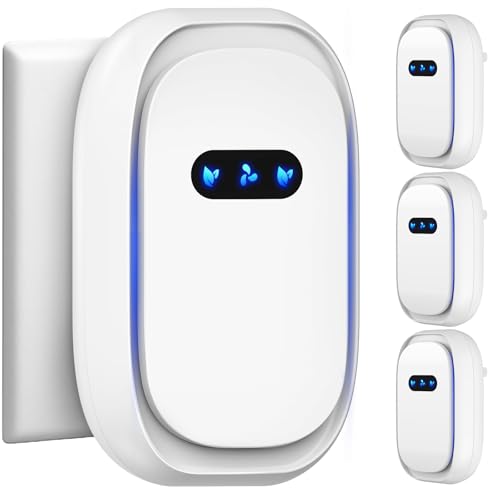
What Filter Free Really Means
Filter free usually means no disposable filter to replace, not no cleaning at all. Electrostatic models collect particles on washable plates, which you must clean regularly or performance falls sharply. Photocatalytic models use light and a coated surface to break down some gases and odours, though they capture particles poorly on their own.
Some sellers use the phrase loosely for models with a permanent pre filter that still needs washing. Read the details carefully, and ask what you must clean, how often, and what happens when you skip cleaning. A filter free purifier that needs weekly plate washing may demand more effort than a filtered model with a yearly filter change. For filtered comparisons, see best air cleaners and purifiers and best home air purifiers.
Technologies Compared
Electrostatic precipitators charge particles and collect them on plates, which can capture dust and smoke when plates stay clean. Performance drops as plates load up, and some models produce ozone, which irritates lungs and should be avoided in homes with asthma or breathing conditions. Washable plates suit buyers willing to clean them often and check ozone safety carefully.
Ultraviolet purifiers shine light intended to neutralise germs, but they do little for dust, pollen, and pet hair on their own. They work best as an extra stage alongside filtration, not as a standalone solution for allergies. Ionisers charge particles so they settle on surfaces or a collector, which may reduce airborne counts temporarily but leaves dust on furniture and floors. Washable filter models in best air purifiers with washable filters offer a middle path with lower running costs than disposable filters.
What They Can and Cannot Remove
Filter free models handle odours and some gases better than fine particles, depending on the technology. Carbon stages absorb smells, while photocatalytic stages may reduce certain volatile compounds, though results vary by model and room conditions. Neither approach reliably captures the full range of dust, pollen, and mould spores that trouble allergy sufferers.
If your main concern is dust or pollen, a filtered purifier with a high efficiency filter remains the stronger choice. Filter free models suit buyers whose main concern is odour, or who want a low cost supplement to good ventilation and cleaning. Be sceptical of claims that a filter free device removes nearly all particles without a filter stage to prove it.
Room Size, Noise, and Running Costs
Room ratings matter for filter free models just as they do for filtered ones, since weak airflow cannot clean a large room. Check the recommended room size and the airflow rate, and favour models that exchange room air several times per hour. A small device in a large living room will disappoint no matter how clever its technology sounds.
Running costs look low without disposable filters, but factor in electricity, cleaning time, and any replacement plates or bulbs. Ultraviolet bulbs need periodic replacement, and electrostatic plates need regular washing to maintain performance. Noise matters too, since a purifier you switch off at night cannot help while you sleep.
Safety Considerations
Ozone safety deserves first attention with filter free models, especially electrostatic and ionising designs. Ozone irritates airways, worsens asthma, and can harm people with lung conditions, so avoid models that produce it. Check independent safety information rather than trusting a claim that ozone levels stay safe, and favour models with clear test data.
Ultraviolet models should shield the light fully, so no direct light escapes into the room. Keep any purifier away from children and pets as the maker directs, and follow cleaning guidance to avoid electrical hazards. When safety information is vague or missing, choose a different model with clearer documentation.
Mistakes to Avoid
The most common mistake is buying a filter free purifier for allergies without checking whether it captures particles effectively. Another mistake is ignoring cleaning duties, since dirty plates and collectors perform far worse than clean ones. Read the maintenance schedule before you buy, and be honest about whether you will follow it.
Many buyers also trust dramatic percentage claims without asking how they were measured. Look for room size, airflow, and independent testing rather than a single impressive number. A modest, well documented purifier beats a spectacularly marketed one that cannot show its working.
Keeping a Filter Free Purifier Working Well
Filter free purifiers demand a cleaning routine you actually follow, so set a recurring reminder for plate washing or collector cleaning from the first week. Clean plates in a sink with mild soap, dry them fully before refitting, and inspect seals and contacts for wear while you have the unit open. A clean collector performs dramatically better than a dirty one, and regular care prevents the slow decline many owners blame on the machine itself.
Placement experiments also pay off, since moving a purifier a short distance can change airflow and results noticeably. Try the unit near your main seating area first, then near the room entrance, comparing dust levels and odour over a few days in each spot. Avoid corners and curtained alcoves that starve the intake, and keep the area around the purifier clear of clutter.
Judge results honestly over several weeks rather than a single day, noting odour, dust on surfaces, and how the room feels on waking. If results disappoint despite clean collectors and good placement, the technology may simply not suit your main concern, and a filtered model may serve you better. Honest testing saves money and prevents years of loyalty to a device that never delivered.
Frequently Asked Questions
Do filter free air purifiers really work?
Filter free air purifiers work to varying degrees depending on their technology, but most capture particles less reliably than good filtered models. Electrostatic models collect dust on washable plates when cleaned often, while ultraviolet models mainly target germs rather than dust. Ionisers may settle particles temporarily without truly removing them. For dust and pollen, a filtered purifier usually gives more consistent results.
Are filter free purifiers better for allergies?
Filter free purifiers are usually not better for allergies, since allergy relief depends on capturing dust, pollen, and pet hair from the air. High efficiency filtered purifiers capture those particles reliably when sized correctly. Filter free models may help with odours, but they rarely match filtered performance for allergens. Allergy sufferers should favour a filtered model with a sealed design and a strong filter.
How often do I clean a filter free purifier?
Clean a filter free purifier as often as the maker directs, which may mean washing collector plates every few weeks and wiping surfaces regularly. Dirty plates sharply reduce electrostatic performance, so skipping cleaning quickly undermines results. Ultraviolet models need bulb checks and replacement on schedule. Read the maintenance guide before buying, and choose a routine you will actually follow.
Do filter free purifiers produce ozone?
Some filter free purifiers produce ozone, especially electrostatic precipitators and ionisers, which is a serious drawback for lung health. Ozone irritates airways and worsens asthma and other breathing conditions. Check product safety data and independent tests before buying, and avoid models with unclear ozone information. When in doubt, choose a filtered purifier with no ozone producing stage.
What is the cheapest way to run an air purifier?
The cheapest way to run an air purifier over time combines a fairly priced machine with long lasting filters or washable parts and modest electricity use. Filter free models save on disposable filters but may need bulb replacements and frequent cleaning. Filtered models with yearly filters often cost less overall than cheap machines with short lived filters. Compare total costs over two years, including parts and power, before deciding.
Final Thoughts
Best air purifiers without filters suit buyers who understand their limits and value low filter costs or odour control over maximum particle capture. Use the product table above to compare technologies, room coverage, safety, and maintenance honestly. For dust and pollen relief, a filtered model still sets the standard that filter free designs struggle to match.
Check ozone safety, read the cleaning schedule, and test the purifier in your main room before the return window closes. With realistic expectations, a filter free purifier can play a useful supporting role in a clean, well ventilated home.