
Best Carbon Fiber Toe Boots of 2026: Complete Buying Guide
Disclosure: We may earn a commission when you buy through links on this page, at no extra cost to you. As an Amazon Associate I earn from qualifying purchases. Learn more

Compare the best carbon fiber toe boots by toe box fit, arch support, traction, weight and waterproofing, with sizing and care guidance for work.
A carbon fiber toe cap protects like a traditional safety toe but adds far less weight, which matters when you walk, climb and kneel through a full shift. The best carbon fiber toe boots pair that light cap with a roomy toe box, steady traction and support that lasts past midday. This guide shows you how to judge each factor so you can read the comparison table below with confidence.
Start with your actual work: the ground you stand on, the weather you face and any safety rating your employer requires. Match those needs to the types and fit checks below, rather than choosing on looks or price alone.


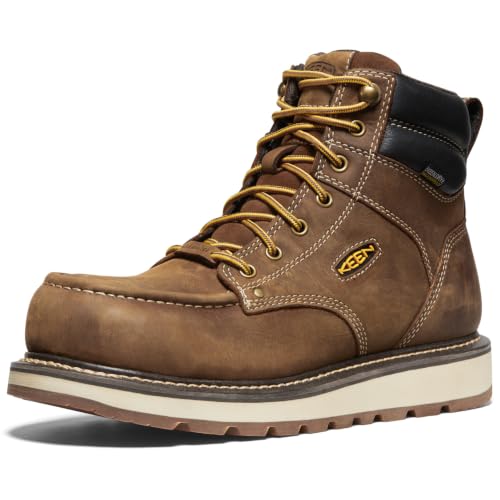

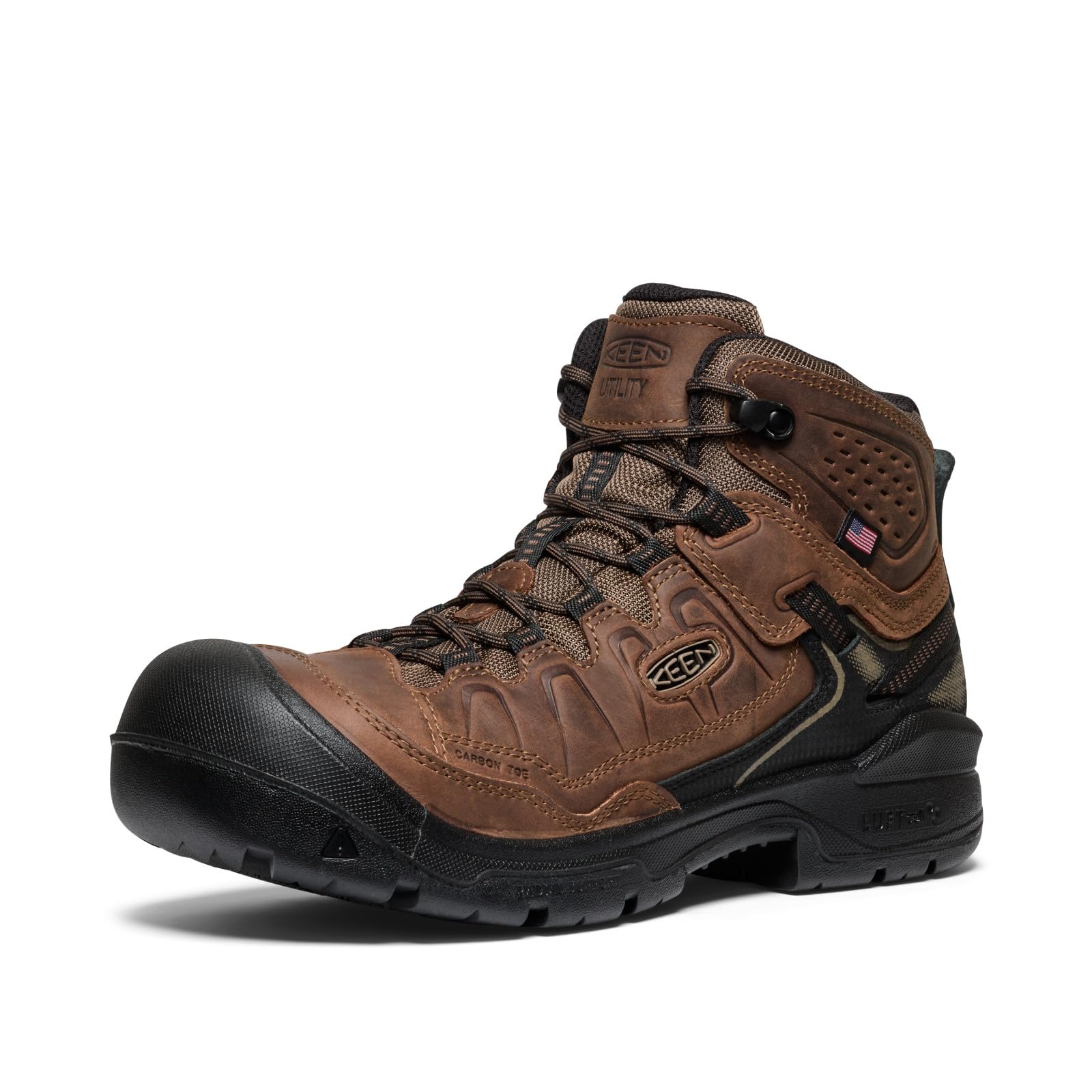
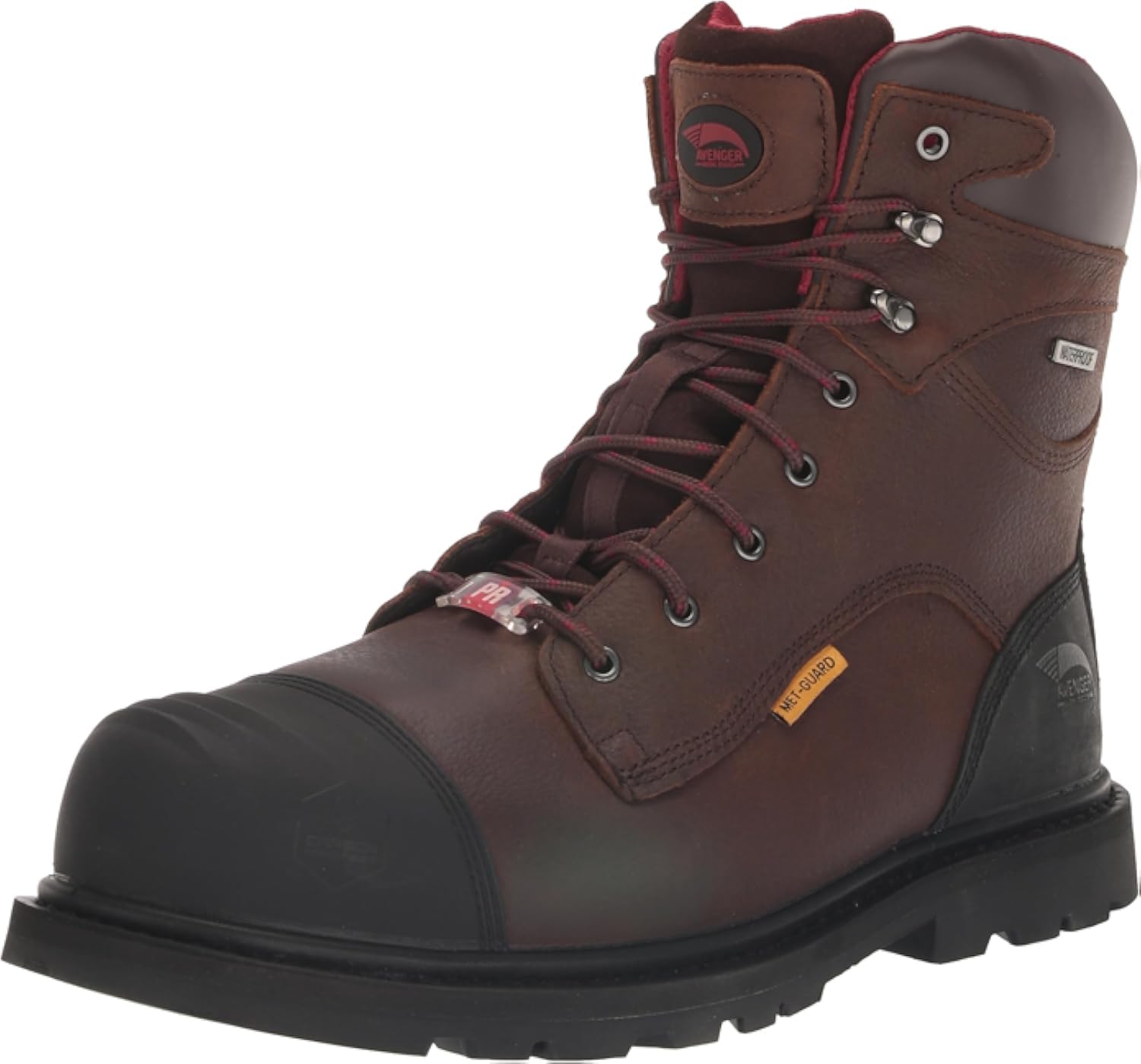
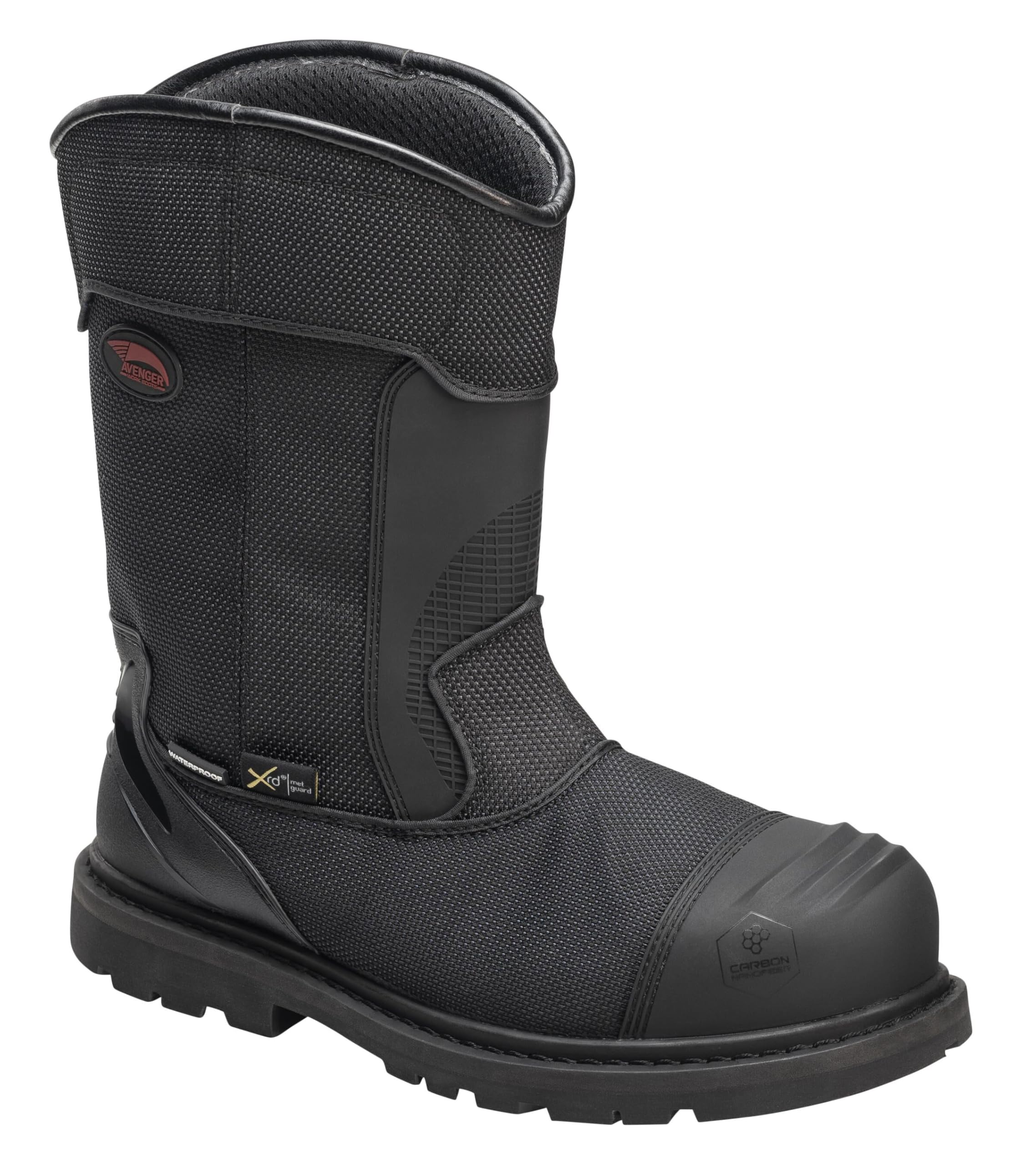

Who Should Buy Carbon Fiber Toe Boots?
These boots suit workers who need rated toe protection but feel worn down by the weight of steel.
Warehouse and Logistics Workers on Concrete
You walk long distances on flat, hard floors. Choose a lighter boot with generous cushioning under the heel and forefoot, plus an outsole that grips smooth concrete and painted lines.
Electricians and Technicians Who Need a Nonmetallic Toe
You work around live circuits or metal detectors, so a nonmetallic cap is a practical advantage. Look for boots rated for electrical hazard protection and built without exposed metal parts where your site requires it. Check local and site rules, since a carbon cap alone does not make a boot safe for every electrical task.
Outdoor Crews Working on Mixed Ground
You move between gravel, mud, wet grass and ladders. Choose deeper lugs, a waterproof lining and a taller shaft that keeps grit out and supports your ankle on uneven ground. A stiffer shank helps on ladder rungs, because it spreads pressure across the midfoot.
Key Features to Compare
Compare the best carbon fiber toe boots on the factors below, in this order, so safety and fit come before style or price.
Safety Rating and the Carbon Toe Cap
Look for boots that meet ASTM F2413, the standard most US employers cite for protective footwear. That rating covers impact and compression tests, and extra letters can add electrical hazard or puncture resistance. Carbon caps pass the same tests as steel, yet conduct less heat and cold and will not set off most metal detectors. If a cap takes a heavy impact or shows a crack, replace the boot, because damaged carbon can lose strength without bending the way steel does.
Fit, Sizing, and Toe Box Room
Measure both feet late in the day and size to the longer foot. Your toes should clear the cap with room to spread, since carbon does not stretch the way a soft toe would. Aim for about a thumb width of space ahead of your longest toe while standing. Wear your usual work socks, and confirm your heel stays put without lifting at each step.
Arch Support and Foot Type
Flat feet often roll inward as you tire, so choose firmer arch support and a stable heel counter. High arches absorb less shock, so those feet usually do better with more cushioning and a softer insole. A removable insole lets you swap in an aftermarket insert if the stock one feels thin. If you notice new numbness, sharp heel pain or swelling that does not settle overnight, stop and talk with your clinician about your personal needs before your next shift.
Outsole Traction and Terrain
Deeper lugs, often about 4 to 6 mm, bite into loose or muddy ground but can feel clunky on smooth concrete, where a flatter tread pattern grips better. Rubber marked slip resistant and oil resistant suits plants with slick spills. Check that the heel breast is defined enough to catch a ladder rung.
Upper Materials, Breathability, and Waterproofing
Full grain leather resists scuffs and sheds light rain, while mesh panels weigh less and let heat escape indoors. A waterproof membrane such as Gore Tex keeps water out during wet work, yet slows drying and feels warmer in summer. Choose waterproofing only if your job truly gets wet. Sealed seams and a gusseted tongue matter too, since water often enters at the laces first.
Weight, Flexibility, and Cushioning
A single carbon toe boot often weighs about 1.5 to 2 pounds, noticeably less than a similar steel toe boot, and that gap adds up over thousands of steps. The sole should flex at the ball of the foot, not in the middle, so your stride stays natural. Foam midsoles soften impact on concrete, but very soft foam can feel unstable under a load. If load carrying is your main job, our guide to the best carbon toe work boots covers heavier duty options built for that work.
Types of Carbon Fiber Toe Boots Compared
Height and closure change support, weight and how fast you can get the boots on.
Hiker Style Carbon Toe Boots
Hiker style boots borrow their fit from trail footwear, with a close heel, padded collar and moderate lugs. They suit workers who move between indoor floors and outdoor ground. They break in easily, but feel less protective around the ankle on rough sites.
Taller Six Inch and Eight Inch Work Boots
Taller shafts add ankle support and keep debris out. An eight inch boot suits crews on slopes or loose ground, while a six inch boot balances support with easier movement for mixed duties. Both weigh more and take longer to lace, so they suit workers who stay in one pair all day.
Pull On Carbon Toe Boots
Pull on styles have no laces to catch or loosen, which suits ranch work and jobs where loose laces are a hazard. Fit depends on shaft and heel shape, so check that your heel does not ride up with each step. Since you cannot adjust fit with laces, know your size in that exact last and sock thickness first.
Low Cut Carbon Toe Work Shoes
If your site allows shoes, a low cut safety shoe gives you the same rated cap with less weight and heat. Our guide to the best carbon fiber shoes explains that lighter format, and the best carbon fiber running shoes guide covers athletic styles for time off your feet at work. Low styles leave your ankle exposed, so they do not suit sites that require full boot coverage.
Common Mistakes to Avoid
- Buying your sneaker size without a fit check leaves toes pressing the unyielding cap and causes bruised toenails by the end of a shift.
- Choosing a carbon toe boot with no stated safety rating can leave you turned away from a site that requires rated footwear.
- Wearing a waterproof boot for dry indoor work traps heat and sweat, which softens skin and raises the chance of blisters.
- Ignoring lug depth for your ground means deep treads skate on smooth concrete while flat treads clog and slip in mud.
- Keeping a boot in service after the toe cap takes a hard impact risks relying on carbon that may already be cracked inside.
- Overtightening the lower laces to stop heel slip cuts circulation and creates pressure points across the top of the foot.
How to Make Your Carbon Fiber Toe Boots Last Longer
Loosen the laces fully when you take the boots off, and pull the tongue forward so air reaches the insole. Let wet boots dry at room temperature away from direct heat. Heat can crack leather and weaken bonding, so never place boots on a heater.
- Rotate two pairs on workdays if you can, giving each pair a full day to dry and let the foam recover.
- Brush off mud and grit after each shift, since grit left in the tread and seams grinds at stitching and leather.
- Condition leather uppers when they look dry, and keep conditioner away from mesh panels and the lining.
- Inspect the toe area, outsole and seams each week, and retire a boot with a cracked cap, separated sole or worn smooth tread.
- Replace worn insoles when cushioning feels flat, usually well before the upper and outsole wear out.
FAQ
How should carbon fiber toe boots fit?
Carbon fiber toe boots should fit snug at the heel and midfoot, with clear space around every toe. Check that no toe touches the cap when you shift your weight forward. Fit them late in the day with work socks on, because feet swell during a shift and a morning fit can feel tight by evening.
How often should I replace carbon fiber toe boots?
Replace carbon fiber toe boots when the tread wears smooth, the midsole feels flat or the upper splits at the flex point, often after about 12 to 18 months of daily wear. Replace them at once after any heavy object strikes the toe, even if the cap looks fine from outside. Note the purchase date inside the tongue area so age is easy to check.
Do I need waterproof carbon fiber toe boots?
You need waterproof carbon fiber toe boots only if you work in rain, standing water or regular washdowns. For dry indoor sites, a breathable upper will keep your feet cooler and drier from sweat. If your work is mixed, a waterproof pair for wet days and a breathable pair for dry days beats forcing one boot to do both jobs.
Can I wear carbon fiber toe boots all day?
Yes, you can wear carbon fiber toe boots all day if the fit, arch support and cushioning match your feet and floor. The lighter cap reduces the heavy feeling many workers get from steel late in a shift. Build up wear time over the first week, and change into dry socks at midday if your feet sweat heavily.
Are expensive carbon fiber toe boots worth it?
Expensive carbon fiber toe boots are worth it when the extra cost buys a better fit, a replaceable insole and a more durable outsole for your ground. Boots here often run about $120 to $250, while basic pairs cost under $100. Spend first on sizing and the required rating, then pay more only for features you will feel every shift.
The Bottom Line
Use the product table above to confirm height, weight and rating before you order.
With those checks, the best carbon fiber toe boots feel less like equipment and more like part of your normal workday. Buy the pair that matches your site rules and your feet, and break it in before your longest shift.


