
Best Carpenter Boots for 2026: Budget, Midrange, and Premium Bands
Disclosure: We may earn a commission when you buy through links on this page, at no extra cost to you. As an Amazon Associate I earn from qualifying purchases. Learn more

Compare best carpenter boots across budget, midrange, and premium bands, and see which soles, toe classes, and cushioning are worth paying for.
Work boots aimed at carpenters run from under $100 to well past $300, and the tag alone says little about how a pair feels at the end of a long day. Shop by budget band, because the best carpenter boots for your work depend on the surfaces you stand on and your site rules. The product table below lines the bands up side by side.
This guide walks through the three bands, the features worth paying for at each level, and the long term costs that never show on the price tag. It names no single winner, because a framer on ladders and a finish carpenter on new hardwood need different boots at the same price.


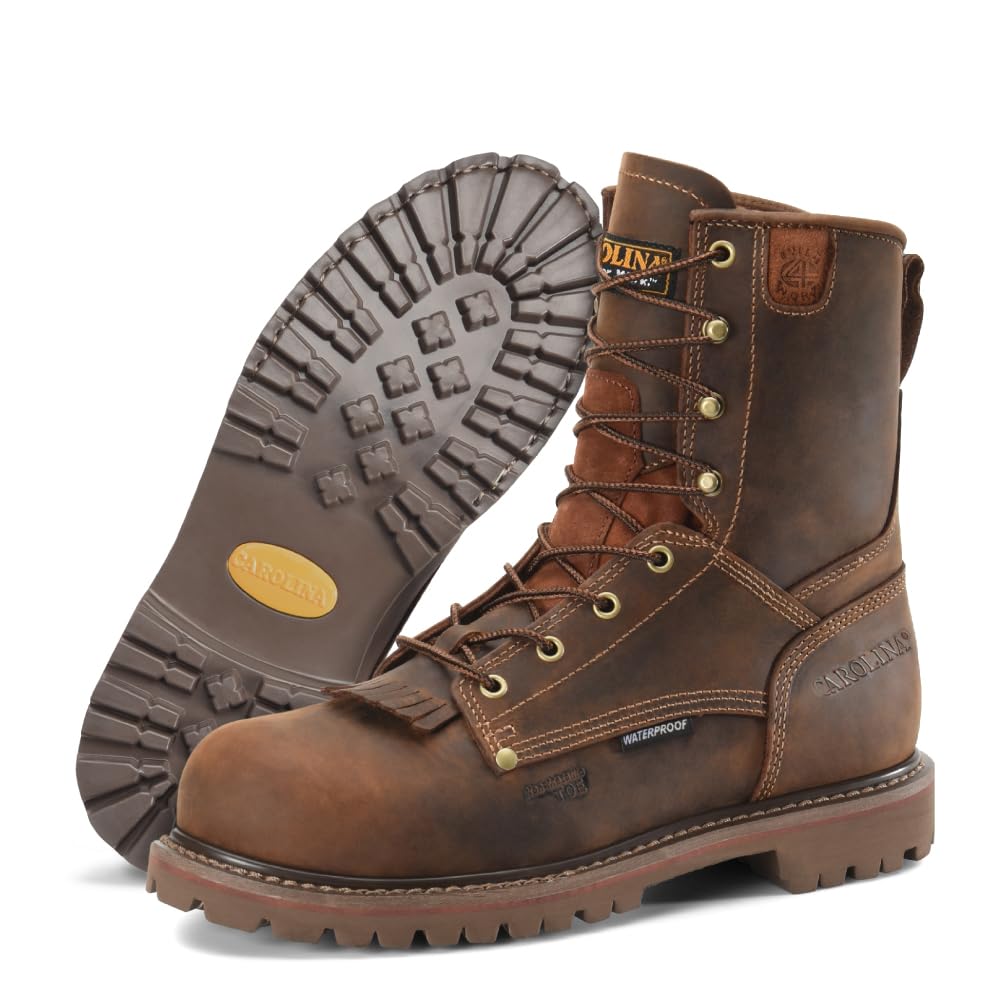

Start With the Surfaces You Work On
Carpentry splits a boot by the ground under it. Ladder rungs ask for a defined heel that catches the rung and a stiff shank that carries weight across a narrow edge. Roof decks ask for nearly the opposite, a flatter sole with broad contact and soft rubber that grips shingles.
Finished floors ask for a third thing, a sole that holds on smooth wood without leaving dark marks. No sole wins all three at once, so read every band below against the surface you stand on most.
Who Each Price Band Fits
A budget only helps once it is matched to a work pattern. The three groups below cover most carpentry work, and our companion guide to best work boots for carpenters looks at the same trade from the fit side for a second angle.
Framers and Rough Carpentry Crews
Framers spend the day on ladders, joists, and mud, and they wear soles out faster than anyone else in the trade. A midrange boot with a defined heel, a strong shank, and a sole built to be replaced usually serves them best. A dedicated guide to best boots for framing carpenters weighs heel and shank choices for ladder work alone.
Finish Carpenters and Interior Trim Work
Finish work happens on floors the client will see every day, so the sole matters more than the upper. Soft rubber compounds that grip without marking, a lower profile toe, and a lighter build help here, and these traits show up from the midrange band upward. Budget boots can work for finish jobs, but check the sole compound first, because a hard sole that scuffs new oak will cost more in repairs than the boots saved.
Carpenters Who Move Between Sites and Seasons
Many carpenters split the week between rough and finish work, indoors and out. For them the midrange band is the honest middle, with a membrane for wet mornings and enough grip for decks and floors. In snow and frozen ground, the separate guide to best winter boots for carpenters covers the insulated end of the shelf, a different purchase from a three season pair.
What Your Money Gets You at Each Price Tier
Bands are not just prices. Each step up buys specific changes in materials and construction, and knowing them is what separates the best carpenter boots bought fairly from money spent on looks.
Budget Band: The Working Basics
Expect about $80 to $130 in this band. Uppers are often split leather or synthetic panels, soles are cemented on rather than stitched, and cushioning is a basic foam insole. They do honest work for apprentices and occasional site days, but soles wear smooth sooner and cushioning packs down within a season.
Midrange Band: Where Materials Step Up
At about $130 to $200 the changes are easy to feel. Full grain leather uppers resist scuffs and water better, insoles get thicker and can be replaced, and waterproof membranes start to appear. Most full time carpenters land in this band because it balances service life against price, and the product table above shows how the bands compare.
Premium Band: Built for Long Service
At about $200 to $300 you are paying for construction more than comfort. Welted soles can be resoled instead of thrown away, the leather is thicker, and hardware and stitching hold up for years. Day one comfort is often similar to the midrange band, so premium pays off only if you keep boots for years and maintain them.
Toe Classes Follow the Site Rules
Toe choice is not a comfort preference, it is a site rule question. Some sites require a rated safety toe, and the rating describes the hazard class tested, such as impact and compression. A rating never promises an uninjured foot, it only states the class of protection provided.
Steel toes are the budget standard and add the most weight. Composite and carbon fiber toes cut weight and do not conduct cold, which matters on winter sites, and alloy toes sit between the two. Where no rating is required, a soft toe boot is lighter and cheaper, and many finish carpenters prefer it for kneeling.
Features Worth Paying For (and Ones to Skip)
Some features earn their price on a carpenter's day and some are decoration. Layout accuracy is a separate class of spending, and the guide to the best carpenter square covers that tool on its own page.
Soles That Grip Without Marking
Finished floors punish a marking sole, and the damage shows up as dark streaks that must be scrubbed or sanded out. Softer rubber compounds with shallow tread grip smooth wood and tile while leaving the surface clean. The trade off is wear, since soft compounds lose their edges faster on concrete and gravel, so interior crews accept shorter sole life as the cost of clean floors.
Cushioning and Support for Standing Hours
Carpenters stand on hard surfaces all day, and cushioning is where cheap boots show first. Look for a shaped insole with arch support and a midsole that does not collapse at the heel. A modest heel to toe drop suits most workers, while a very flat sole can tire calves during ladder work. Replaceable insoles can give a worn pair a second season.
Fit, Sizing, and Toe Box Room
Fit decides more days than any membrane does. Try boots late in the day, when feet are largest, wearing your work socks. You want a firm hold at the heel, room to move your toes, and no pressure across the widest part of the foot. A roomy toe box helps on long days, since feet swell as the hours pass.
Weight and Flexibility
Every extra pound on a foot is lifted thousands of times a day. Lighter boots reduce end of day fatigue, but the lightest builds give up sole stiffness and toe protection. A boot that flexes at the ball of the foot, not in the middle, walks better and still supports you on a rung.
Skip decorative stitching and speed hooks, insulation if you work indoors all year, and deep mud lugs if your sites are slab and subfloor. Spend that money on the sole and the insole.
Long Term Costs to Factor In
The purchase price is only the first line. Insoles run about $20 to $40 and may need replacing yearly, leather dressing costs a few dollars a tin, and a resole on a welted boot runs about $80 to $120 but can double the life of the upper. What you carry the tools in is a separate budget line, and the guide to best carpenter pouches covers that tool belt class on its own. A rotated second pair stretches both pairs, since foam recovers on rest days.
FAQ: Carpenter Boot Questions Answered
Are expensive carpenter boots worth it?
They can be, if you work in them daily and keep them for years. A premium welted pair that is resoled once can cost less per month of service than two budget pairs worn out in the same span. The math flips for occasional site work, where a midrange pair gives most of the comfort for half the money. Count site days per month first, since wear follows days, not calendar time.
How should carpenter boots fit?
Carpenter boots should hold the heel firmly, leave about a thumb width of room ahead of the longest toe, and flex where your foot bends. Fit them late in the day with the socks you work in, because feet swell with heat and hours. A short walk on a hard floor tells you more than standing on carpet. If one foot is larger, fit to that foot and adjust the other with a thicker insole.
Can carpenter boots be worn all day on a job site?
Yes, that is what they are built for, provided the fit and insole suit your feet. Most discomfort on long days comes from insoles that have packed down, not from the boot itself, so a fresh insole often fixes an old pair. New boots should still be eased in with shorter days first.
How long is the break in period for carpenter boots?
Most leather carpenter boots settle in over about one to two weeks of regular wear. Stiffer premium builds can take longer, while soft synthetic budget boots may feel fine on day one. Start with half days or light duty, and wear thick work socks to limit heel rubbing. A boot that still pinches after two weeks is the wrong size, not a boot that needs more time.
Do I need waterproof carpenter boots?
You need waterproofing only if your work puts you in rain, mud, or wet concrete regularly. A membrane keeps water out up to its lowest seam and makes the boot warmer, a drawback indoors in summer. For dry interior work, plain leather with regular dressing sheds splashes well enough. Match the membrane to your wettest normal week, not your wettest day ever.
How often should I replace my carpenter boots?
Replace them when the sole tread has worn smooth at the heel or ball, when the midsole feels flat and hard, or when the toe protection has taken a hard impact. With daily site wear that is often six to eighteen months, depending on surfaces and rotation. A boot that looks worn can still be safe, while a clean looking boot with a crushed toe should be retired at once.
Final Thoughts on Choosing Carpenter Boots
Match the band to your surfaces first, then check the toe class your site requires, and only then compare cushioning and weight. The product table above pulls the details together. Chosen that way, the best carpenter boots are simply the pair whose sole, toe, and price band fit the work you actually do.


