Best Alloy Toe Work Boots: 2026 What Actually Matters Before You Buy
Disclosure: We may earn a commission when you buy through links on this page, at no extra cost to you. As an Amazon Associate I earn from qualifying purchases. Learn more

Compare alloy toe work boots with a clear checklist on fit, safety ratings, cushioning, weight, waterproofing, and lasting value before you buy.
An alloy toe cap promises steel level protection at a lighter weight, but that promise only holds if the boot fits your foot, carries the right safety rating, and suits the ground you stand on all shift. This guide scores the best alloy toe work boots against a plain checklist, so you can judge any pair in minutes.
Work through fit, cushioning, weight, waterproofing, and durability in that order, then run a quick buyer checklist before ordering. Start with the comparison table below and compare two or three pairs against each section.

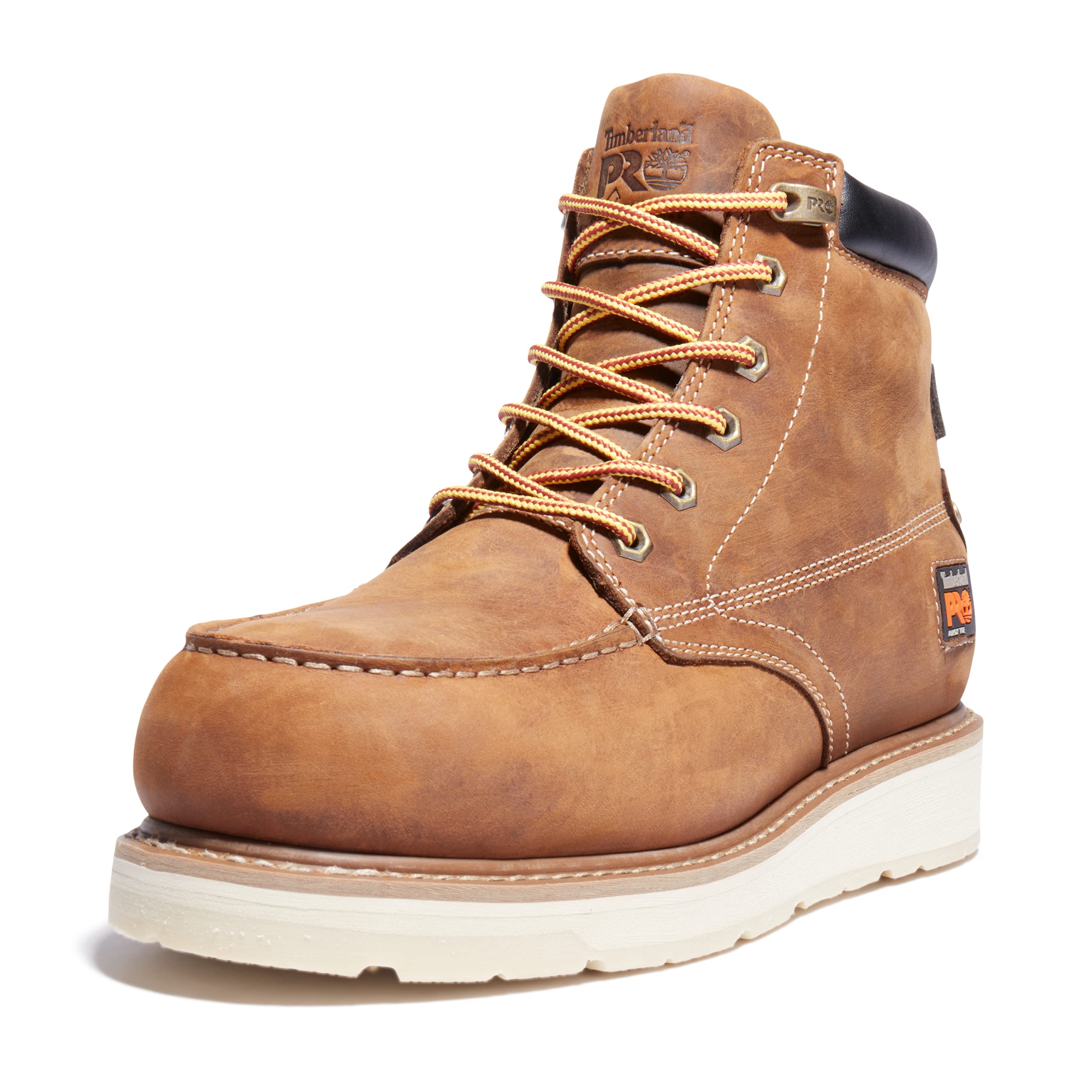
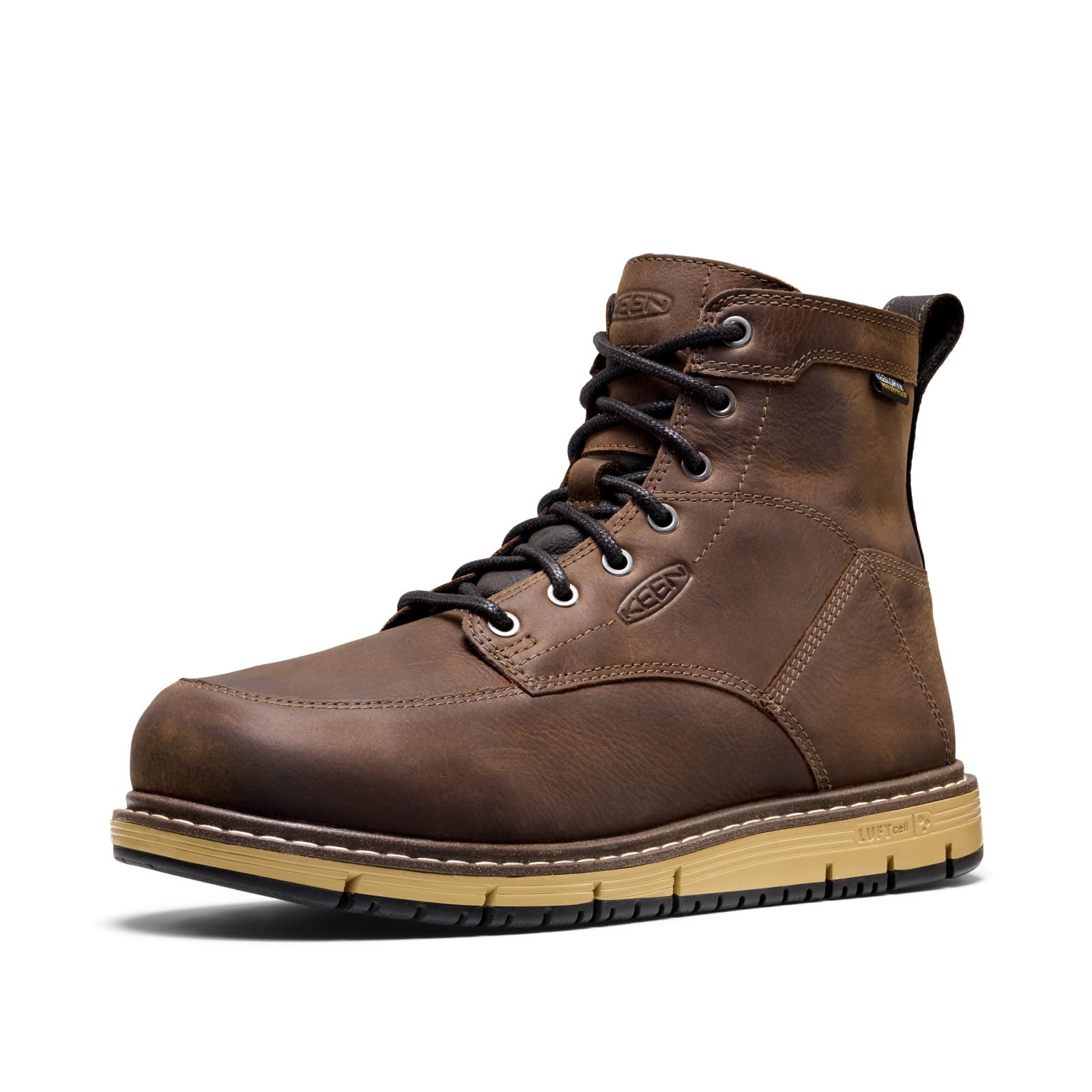
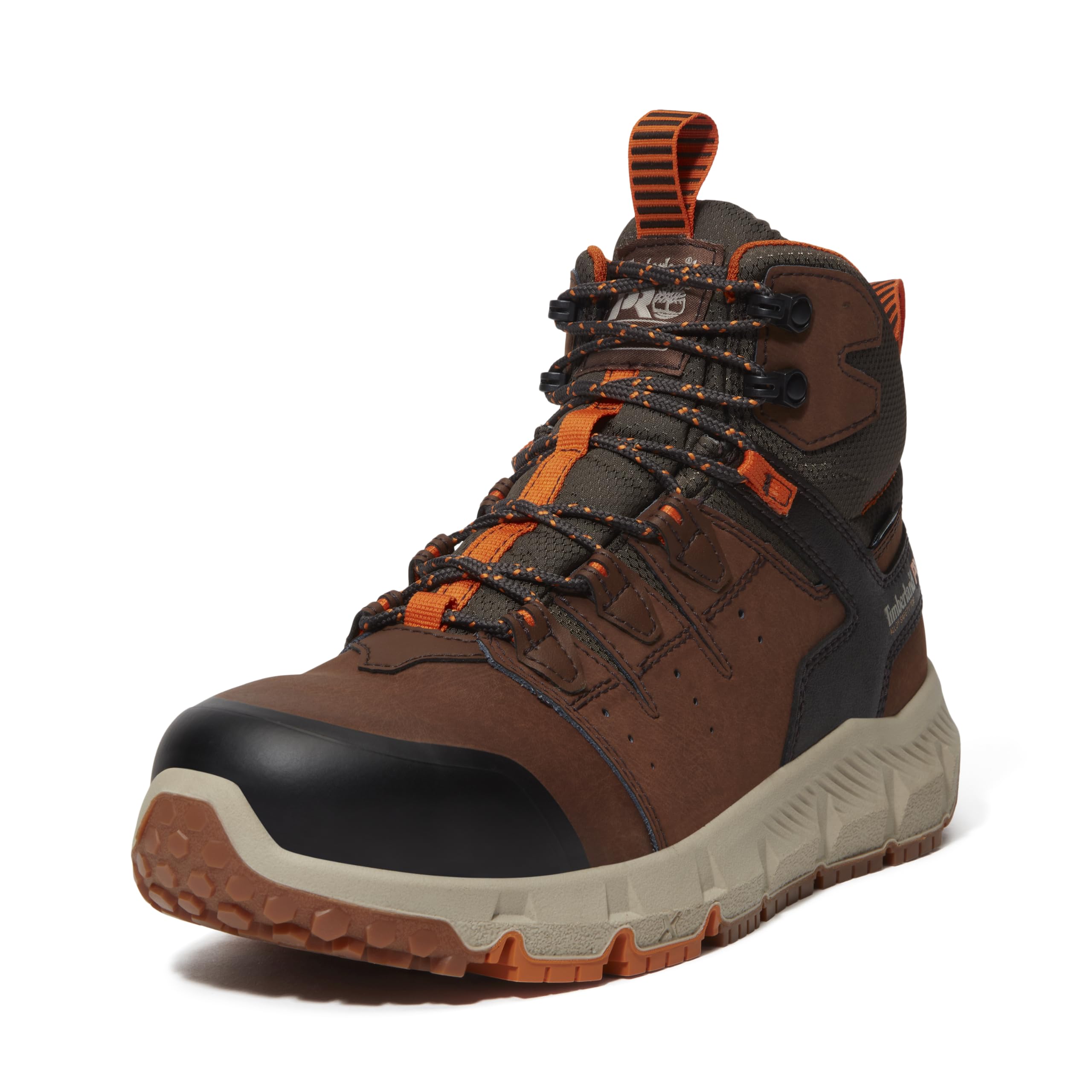

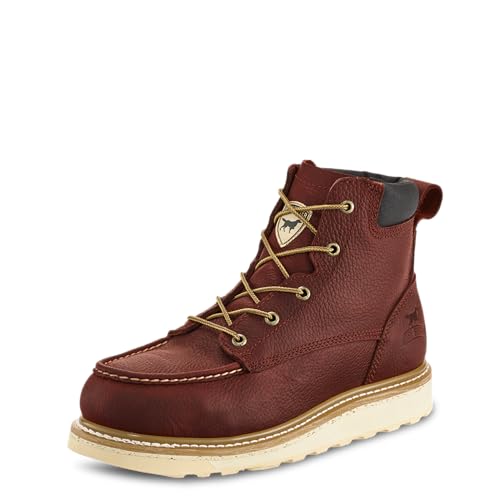


Who Should Choose an Alloy Toe Boot
Alloy toes use aluminum based metals that cut cap weight while still meeting impact and compression standards. The three groups below gain the most from that trade.
Warehouse and Logistics Workers Who Walk All Shift
If you cover long distances on concrete between racks and packing lines, cap weight adds up step after step. An alloy toe reduces the heavy front end feel that tires your shins by late shift. Look for a cushioned midsole, a flexible forefoot, and a breathable lining, since indoor heat builds fast. A moderate heel to toe drop, around 8 to 12 mm, keeps your stride natural.
Technicians Who Pass Through Metal Detectors
Service techs and plant visitors who clear security gates several times a day benefit from an alloy cap paired with a shank made from composite or fiberglass. That build lowers the chance of setting off a detector, though site rules vary and no boot guarantees a clean pass. Confirm the whole boot uses little metal, since eyelets and zippers can still trigger a gate.
Outdoor Crews Who Need Protection Without Extra Bulk
Landscapers, utility workers, and light construction crews climb, kneel, and carry loads on uneven ground. A lighter toe helps when you lift your foot over curbs and rubble hundreds of times a day. Pair the cap with a lugged outsole, a supportive shank for stability on slopes, and leather that shrugs off scuffs. Check site rules first, because a few sites accept only steel.
Key Features to Compare
Score every candidate pair against the five factors below. The best alloy toe work boots for your job pass all five, and a weak score on fit or certification should end the discussion early.
Sizing Around a Cap That Cannot Stretch
Measure both feet late in the day, when they are at their largest, and size to the longer foot. Your toes should clear the cap by about a thumb width, and the widest part of your foot should sit in the widest part of the boot. Alloy caps cannot stretch, so a tight toe box stays tight forever. If you stand between sizes, choose the larger one and adjust with sock thickness. Persistent numbness, tingling, or sharp forefoot pain means stop: return the pair and talk with a clinician or fitting professional.
Safety Ratings and Cap Certification
Look for a clear ASTM F2413 marking inside the boot, which confirms the cap passed impact and compression testing. Add electrical hazard protection if you work near live circuits, and puncture resistance if scrap or nails litter your floors. Vague wording such as protective toe, with no standard named, proves nothing. For a baseline across cap types, see our guide to the best safety toe work boots.
Cushioning, Arch Support, and Stability
The midsole absorbs the shock that concrete sends into your knees and lower back, so match foam firmness to your weight and walking pace. Flat feet usually feel steadier in a firmer midsole with a structured heel counter, while high arches often need softer cushioning under the heel and forefoot. A removable insole matters, because you can swap in an aftermarket option if the stock one packs down. Test stability by standing on one foot; a boot that rolls inward at once will feel worse after ten hours.
Weight, Flex, and the Alloy Advantage
Alloy caps weigh noticeably less than steel, though total boot weight still depends on leather, soles, and height. Weigh the pair, not the claim, and compare boots of the same height and sole type. Flex should happen at the ball of the foot, never across the middle, where folding signals weak support. See our guide to the best steel toe work boots for the heavier traditional option, or our guide to the best composite toe work boots for the lightest nonmetal choice.
Waterproofing, Breathability, and Outsole Grip
A waterproof membrane keeps rain and puddle splash out, yet it vents heat more slowly than an unlined boot, so indoor buyers often prefer plain leather with a breathable mesh lining. Outdoor buyers should confirm the gusseted tongue reaches high enough to block water at the laces. Rubber compound and lug depth decide grip more than brand names do. Deep, widely spaced lugs shed mud, while flatter, softer soles grip smooth warehouse floors.
Alloy Toe Boot Styles and a Quick Buyer Checklist
Height and toe shape change how a boot works as much as the cap does. Six inch boots flex easily at the ankle and suit driving and indoor work, while eight inch boots add ankle support and debris protection outdoors. A roomy square toe shape helps wide forefeet, covered in our guide to the best square toe work boots. A stitched moc toe upper flexes softly and suits lighter duty, as our guide to the best moc toe work boots shows.
Before you order, answer each question honestly. A no on any of the first three means keep looking, whatever the price.
- Does the boot name a current safety standard for impact and compression?
- Did you measure your feet late in the day and size to the longer one?
- Is there a thumb width of space between your longest toe and the cap?
- Does the outsole tread match your main surface, mud, gravel, or smooth concrete?
- Do you truly need a waterproof membrane, or will it only trap heat indoors?
- Does the return policy let you test the boots indoors and send them back?
Common Mistakes to Avoid
- Buying your sneaker size without measuring, because alloy caps never stretch and a short boot bruises toes on downhill steps.
- Choosing the lightest pair for heavy site work, because thin soles and soft uppers wear out fast under loads and rubble.
- Trusting the words protective toe without a named standard, because uncertified caps may fail the rating your employer requires.
- Wearing thin athletic socks, because loose fabric bunches and slips until a good fit turns into blisters by midday.
- Skipping the break in period and starting with a double shift, because stiff leather needs short wears first or it punishes your heels.
- Ordering a waterproof boot for a hot indoor job, because trapped heat and sweat soften skin and raise the risk of hot spots.
Care and Maintenance for Alloy Toe Boots
Brush dirt off after each shift and loosen the laces fully before pulling the boots off, since forcing your heel out crushes the counter over time. Stuff damp boots with newspaper and air dry them away from direct heat, because radiators crack leather and weaken adhesives. Condition leather when it looks dry, and rotate two pairs when you can, giving each a day to dry.
Inspect the cap area monthly for deep cuts or dents, and check the outsole for smooth patches that signal lost grip. A dented alloy cap has done its job once and may not protect the same way again, so ask a safety professional at your site whether the pair should retire. Replace boots when the midsole feels flat and harsh or the heel lining tears.
FAQ
How should alloy toe work boots fit around the cap?
Alloy toe work boots should fit with about a thumb width between your longest toe and the cap, and with no pressure on the tops or sides of your toes. The cap edge should never rest on your foot when you crouch. Try boots late in the day with normal work socks, and walk down an incline if one is available, because toe bang on slopes is the fit flaw level floors hide.
How long does the break in period for alloy toe boots last?
The break in period for alloy toe boots usually runs about one to two weeks of short wears for leather models. Start with two to three hours a day, then add time as the ankle collar and vamp soften. The toe cap itself never changes shape, so pain from the cap area on day one will not improve with wear. Pain from stiff leather at the ankle, by contrast, normally fades as the leather creases.
Can I wear alloy toe work boots for a full double shift?
You can wear alloy toe work boots through a long shift if the fit is right and the midsole still has life in it. Pack spare socks and swap them at your break, since dry socks cut friction and make the same boot feel fresher. Alternate two pairs across the week when possible. If foot pain builds shift after shift despite good socks and sound insoles, treat that as a fit problem, not something to push through.
Are pricier alloy toe work boots worth the extra cost?
Pricier alloy toe work boots are worth it when the extra money buys better leather, a replaceable welted sole, or a longer warranty, since those gains show up after months of wear. Spending more on styling or branded insoles you plan to replace adds little. A fair test is cost per month: a boot that lasts twice as long at less than twice the price is the cheaper purchase.
When should I replace alloy toe work boots?
Replace alloy toe work boots when the tread runs smooth on your usual surface, the midsole feels dead underfoot, or the cap takes a heavy impact. A dropped load that dents the cap ends the service life of that pair, because the metal has already absorbed the energy it was shaped to take. Track your start date inside the tongue, since daily wear pairs usually show warning signs between six and eighteen months.
Our Verdict
Fit, certification, and sole choice decide how a boot treats you after a month on the job, while cap weight only matters once those three are right. Match the tread to your ground, size to your larger foot, and let the checklist overrule any discount. Chosen that way, the best alloy toe work boots disappear under you and let the work take your attention instead. Compare your shortlist against the product table above before you order.