
Best Car Wash Hose Nozzle for 2026: Types Compared and How to Choose
Disclosure: We may earn a commission when you buy through links on this page, at no extra cost to you. As an Amazon Associate I earn from qualifying purchases. Learn more
Compare car wash hose nozzles by spray pattern, flow control, grip, and material so you can choose a nozzle that rinses well and feels comfortable to use.
Choosing best car wash hose nozzle options can be confusing because many nozzles look similar at first glance. The real differences show up in spray control, flow, grip, and how well the nozzle holds up after repeated use outdoors. The comparison table below gives a quick overview, while this guide compares each type in detail so you can pick a nozzle that rinses well without wasting water or straining your hands.
A good car wash nozzle should let you switch from a gentle rinse to a stronger stream without fumbling, and it should feel balanced in your hand during a full wash. It should also connect firmly to your hose, resist leaks, and survive sun, cold, and storage in a garage or shed. The sections below cover types, key factors, common mistakes, and care tips.
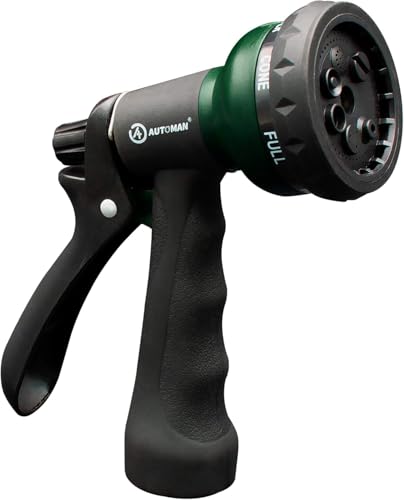
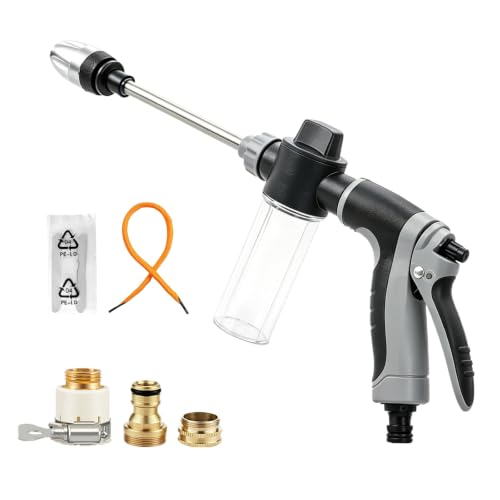


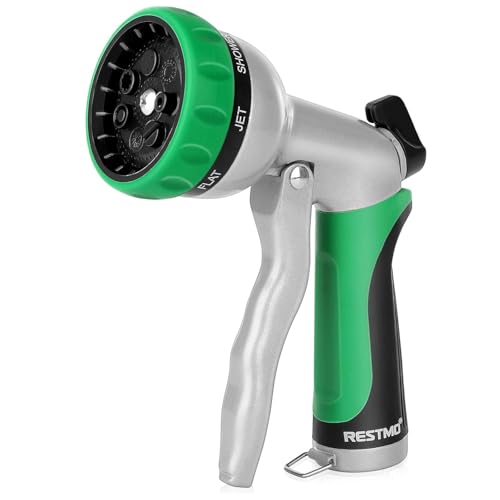
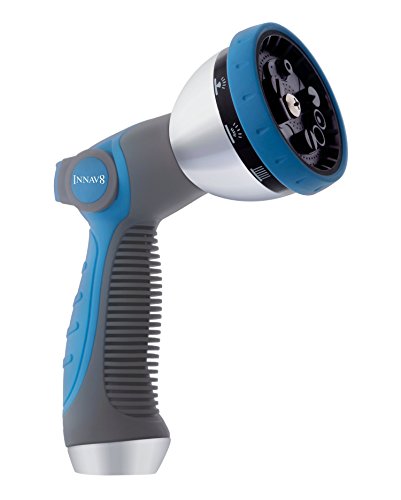
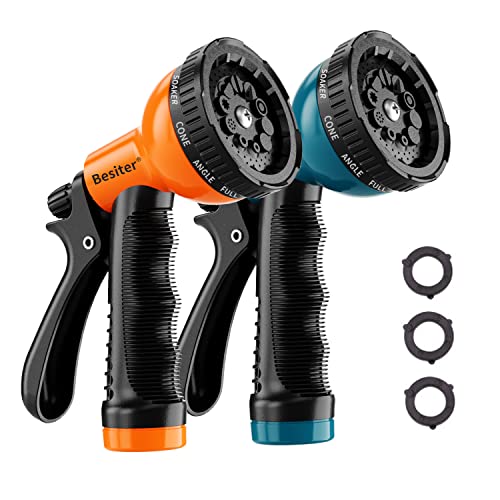
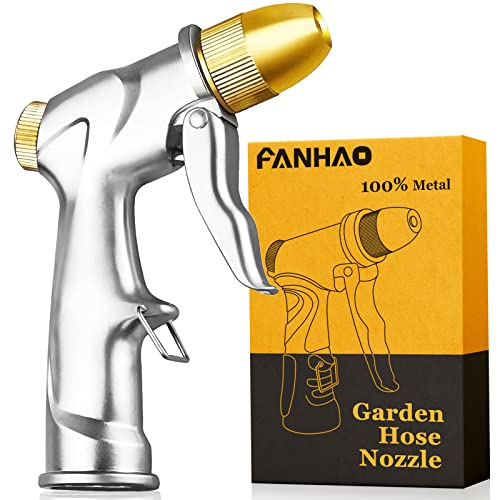
Types of Car Wash Hose Nozzles Compared
| Type | Best For | Pros | Cons | Typical Price |
|---|---|---|---|---|
| Trigger spray nozzle | Everyday washing | Simple control, many spray patterns | Trigger can tire hands on long washes | About $15 to $40 |
| Twist control nozzle | Simple rinsing | Few moving parts, easy to use | Less precise flow control | About $10 to $30 |
| Fan and jet combo nozzle | Full washes and rinsing | Wide rinse plus focused stream | Can be heavier than basic models | About $20 to $50 |
| Heavy duty metal nozzle | Frequent use and tough jobs | Strong build, long life | Heavier, higher price | About $30 to $70 |
Trigger Spray Nozzles
Trigger spray nozzles are the most familiar type for car washing, and they suit most buyers well. You squeeze a trigger to start water flow, and many models let you twist a head or dial to change spray patterns. This control helps you rinse soap gently, then switch to a stronger stream for wheels and lower panels. The main drawback is hand fatigue on long washes, so look for a trigger that moves smoothly and a grip that fits your hand without forcing a tight squeeze.
Twist Control Nozzles
Twist control nozzles use a simple rotating head to open, close, and change spray shape. They have few moving parts, which can mean fewer leaks and less to go wrong over time. They are a good choice if you want a simple rinse tool and do not need many spray patterns. The trade off is less precise control, because changing flow often means twisting while water is running, which can be awkward with wet hands.
Fan and Jet Combo Nozzles
Fan and jet combo nozzles aim to cover a full wash with one tool. A wide fan pattern rinses large panels quickly, while a narrow jet helps with stubborn dirt on wheels, wheel arches, and lower trim. This versatility is useful if you wash often and want to avoid swapping tools. Combo models can be heavier than basic nozzles, so check weight and balance, especially if you wash a large vehicle or wash for a long time.
Heavy Duty Metal Nozzles
Heavy duty metal nozzles are built for frequent use and for buyers who want a long lasting tool. Metal bodies and brass fittings often resist wear better than light plastic, and they tend to hold a firm hose connection. The extra weight can be a drawback for some users, and metal nozzles can get cold in winter or hot in strong sun. If you wash weekly or share a nozzle among family members, the added durability may be worth the higher price.
Fan Spray Versus Focused Jet: Which Should You Choose?
A wide fan spray covers panels quickly and is gentle on paint when used at a sensible distance, which makes it ideal for the main rinse and for washing off soap. A focused jet reaches into wheel wells and around trim, but it should be used with care, because a very strong stream held too close can damage trim or force dirt across paint. Most buyers benefit from a nozzle that offers both patterns, so you can rinse broadly and then target dirty areas without changing tools.
Think about your usual wash routine. If you mainly rinse dust and light road film, a fan pattern may do most of the work. If you often deal with mud, salt, or brake dust, a focused option becomes more useful. Use the product table above to compare patterns side by side, and choose the balance that matches your car, your water pressure, and how long you usually spend washing.
How to Choose the Right Car Wash Hose Nozzle
Spray Patterns and Flow Control
Spray patterns matter more than the number of settings on the box. Look for patterns you will actually use, such as a soft rinse, a wide fan, and a focused stream, rather than a long list of novelty shapes. Flow control should feel smooth and stay where you set it, without drifting to full power or shutting off on its own. A lock or hold feature can help on long washes, but only if it releases easily when you need to stop water quickly.
For high pressure rinsing tasks, see our guide to best hose nozzle for pressure in the section on flow control, since pressure handling and grip comfort matter even more when water force is high. A nozzle that feels fine at low pressure can feel harsh or hard to hold when pressure rises, so match the nozzle to your home water pressure, not only to its spray list.
Fit, Hose Size, and Leak Resistance
Fit is a practical check that prevents most early frustration. Most garden hoses in the United States use a standard thread size, but you should still check the fitting on your hose and on any quick connect parts you already own. A good nozzle should thread on smoothly, seat firmly, and seal without needing excessive force. Look for washers in good condition and for fittings that do not wobble, because a loose fit often leads to drips at the joint and wasted water.
Material and Build Quality
Material affects weight, durability, and comfort. Light plastic nozzles are easy to hold and often cost less, but they can crack after drops or long sun exposure. Metal nozzles tend to last longer and resist wear at the fitting, yet they add weight and can feel cold or hot depending on weather. Brass fittings are a useful middle ground in many designs, because they resist corrosion better than some cheaper metals while keeping the connection firm.
Comfort, Grip, and Weight
Comfort matters because car washing takes time, and a nozzle that strains your hand will make you rush the job. Look for a grip that fits your hand size, with a shape that stays secure when wet. A textured or rubberized grip can help, but avoid grips that feel sticky or that trap grit. Balance matters too, so a nozzle that feels front heavy may tire your wrist faster than a lighter model, even if the lighter model looks less impressive.
Durability and Weather Resistance
Outdoor tools face sun, rain, and temperature swings, so durability should be judged by more than a shiny finish. Sun exposure can weaken some plastics over time, while freezing water left inside a nozzle can crack seals and fittings. A nozzle with replaceable washers and simple parts is easier to keep in service, because a small seal failure does not force a full replacement. Store the nozzle out of direct sun when possible, and drain it before cold weather.
Common Mistakes to Avoid
- Choosing the strongest jet for every part of the car, including delicate trim and badges.
- Ignoring hose fit and thread size, then forcing a nozzle that leaks or cross threads.
- Picking a heavy metal nozzle without checking whether it tires your hand on long washes.
- Leaving water inside the nozzle through winter, which can crack seals in freezing weather.
- Skipping a quick leak check at the fitting before the first full wash.
Care and Maintenance Tips
Rinse the nozzle after each wash to clear soap and grit from the head and trigger. Check washers now and then, and replace a worn washer promptly, because a small drip often grows into a steady leak. Drain the nozzle and hose before freezing weather, and store the nozzle in a dry place out of direct sun. If spray becomes uneven, check for grit in the head and for a damaged washer before assuming the nozzle has failed.
For the rest of your wash kit, see our guide to best car wash towels for drying options that pair well with a gentle rinse, and our guide to best car wash sets if you want to compare bundled wash tools. For drying after the final rinse, our guide to best car wash drying towels covers size and absorbency, which matter as much as spray choice for a streak free finish.
Frequently Asked Questions
What spray pattern is best for washing a car?
A wide fan pattern is best for most of the wash, because it rinses large panels quickly and spreads water gently across paint. Use a softer rinse for soap removal, then switch to a focused stream only for wheels, wheel arches, and lower panels where dirt builds up. Avoid holding a strong jet very close to paint, trim, or badges, since focused pressure can force grit across the surface. Always test a new pattern on a small area first.
How do I stop a car wash hose nozzle from leaking?
Start by checking the washer inside the fitting, because a worn or missing washer is the most common cause of drips. Make sure the nozzle threads on straight and seats firmly, without forcing it past resistance. If a leak continues, try a fresh washer of the correct size, and check the hose end for cracks or damaged threads. Replace the hose end or the nozzle if threads are stripped, since tightening harder usually makes the leak worse.
Is a metal car wash hose nozzle better than a plastic one?
Metal nozzles often last longer and hold fittings more firmly, which suits frequent washers and shared use. Plastic nozzles are lighter, often cheaper, and easier to hold for long washes, which suits occasional washers well. The better choice depends on how often you wash, how much weight you want to hold, and whether you store the nozzle outdoors. A well made plastic nozzle with brass fittings can outlast a poor metal one, so build quality matters more than material alone.
How long should a car wash hose nozzle last?
Life span depends on material, use frequency, water quality, and storage. A nozzle used weekly and stored dry may last for years, while one left in sun and frost may fail sooner. Washers wear first in most designs, so replacing washers on time can extend useful life a lot. If spray becomes uneven, the trigger sticks, or leaks persist after washer replacement, it is time to replace the nozzle rather than keep forcing it to work.
Can I use a car wash hose nozzle with a pressure washer?
No, a standard garden hose nozzle is not made for pressure washer use, and you should not try to adapt one to a pressure washer lance. Pressure washers use different fittings, much higher pressure, and dedicated spray tips designed for that force. Using the wrong tool can damage the nozzle, the hose, or the car surface, and it can create a safety risk from sudden water force. Use only nozzles and tips rated for your pressure washer, and follow maker guidance for distance and spray angle.
Final Thoughts
The best nozzle for you is the one that rinses well, feels comfortable, fits your hose, and lasts through regular use. Compare spray patterns, flow control, material, and weight, then check the product table above once more before you decide. When you choose best car wash hose nozzle options with your usual wash routine in mind, you get a tool that makes washing faster, cleaner, and easier.


