
Best Car Wash Sets for 2026: Every Type Explained Side by Side
Disclosure: We may earn a commission when you buy through links on this page, at no extra cost to you. As an Amazon Associate I earn from qualifying purchases. Learn more
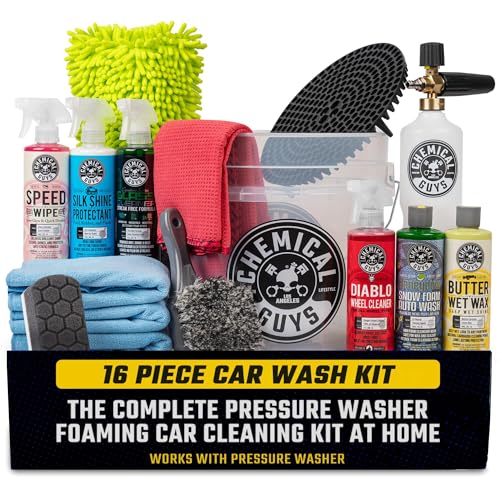
Compare types of the best car wash sets by tools, soap, bucket design, and storage so you can wash at home without swirls or wasted effort today.
Car wash sets look similar in photos but behave very differently at your driveway. One kit centers on buckets and grit guards, another on foam tools, and another on compact storage for apartment living. Sorting out the best car wash sets starts with your water access, your paint care level, and how much storage space you can give the kit between washes.
This guide compares each type side by side, explains what the tools actually do, and shows where spending more helps and where it does not. Use the comparison table below once you know which type fits your routine, your vehicle size, and your tolerance for drying and detailing steps.
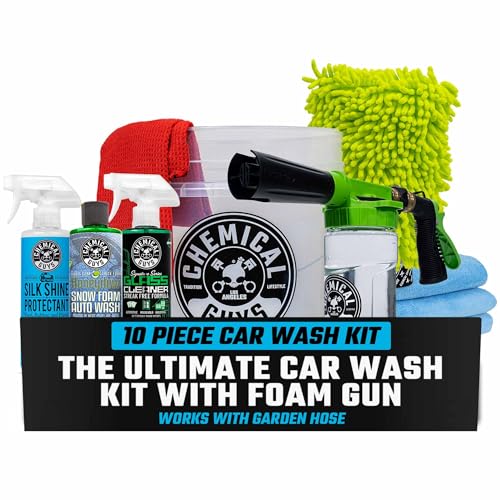

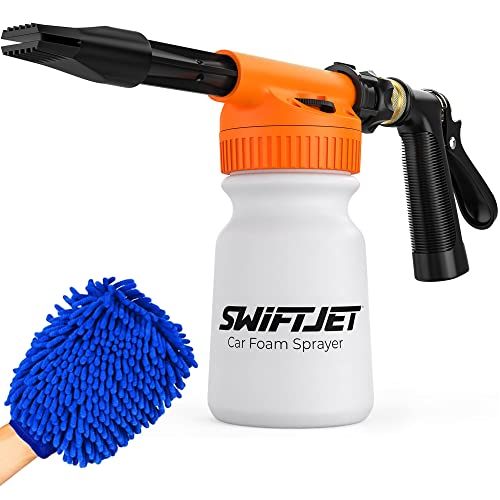
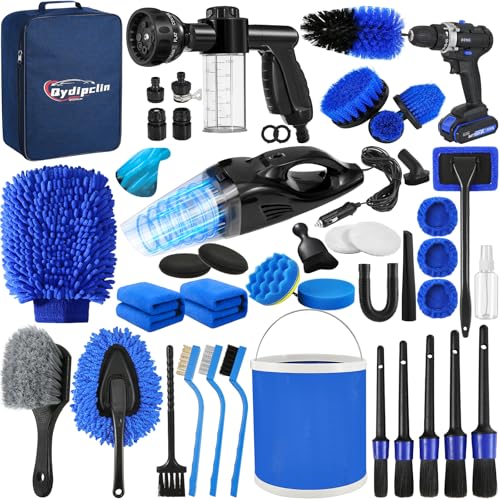


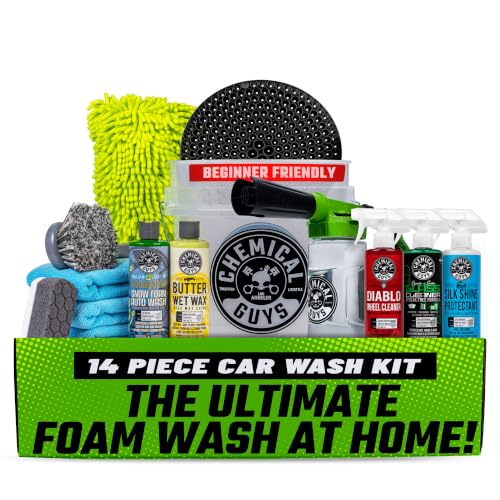
Types of Car Wash Sets Compared
All complete sets share the same goal: loosen dirt, lift it away without grinding it into paint, rinse clean, and dry without marks. They differ in how they apply soap, how many buckets and cloths they include, and whether they add wheel and interior tools. Price rises mostly with cloth quality, bucket design, and the number of specialized brushes.
Mid Range Options
Mid range sets are the balanced choice for most owners. They usually include two buckets or a bucket with a grit guard, a wash mitt, a drying towel, wheel brush, and soap made for car paint. The mitt and towel quality is noticeably better than budget kits, which means fewer swirl marks and faster drying. This tier works well if you wash every two to four weeks and want a complete routine without buying separate upgrades right away.
The limitation is that foam tools and premium chemicals are rarely included. You may later add a foam sprayer or a separate wheel cleaner if your wheels collect heavy brake dust. Still, for a family car or a daily driver, mid range tools cover washing, wheels, glass, and drying in one box.
Budget Options
Budget sets keep cost low with a single bucket, a basic mitt or sponge, a small towel, and a combined wash and wax soap. They suit new owners, older cars, and anyone learning a safe wash routine on a vehicle where perfect paint is not the goal. The main risk is thin cloth that holds grit and can mark paint, so rinse the mitt often and replace towels when they feel rough.
Budget kits also tend to skip grit guards and wheel brushes. You can improve results at almost no cost by using a second household bucket for rinse water and washing wheels last with a separate older cloth. That simple habit closes much of the gap between budget and mid range results.
Premium Options
Premium sets add plush microfiber in larger sizes, multiple mitts, foam application tools, and separate products for wheels, glass, and paint protection. Towels dry a full SUV with fewer wrings, and chemicals are matched to clear coat and modern finishes. This tier suits enthusiasts, owners of dark paint where marks show easily, and anyone who washes weekly and values speed.
The trade off is price, storage bulk, and more steps to learn. Premium only pays off if you will follow the full routine and launder the cloths correctly. If towels are tossed in a hot dryer with fabric softener, their absorbency drops and the premium advantage fades quickly.
Compact Options
Compact sets are built for apartments, condos, and small garages. They may center on a collapsible bucket, a compact mitt and towel set, and concentrated soap that stores in a small caddy. Some focus on rinseless washing, where you use a bucket of solution and many folded towels instead of a hose. That method uses far less water and can be done in a parking space where hose use is not allowed.
Compact kits require more care with technique, because less rinse water means you must change towel sides often and never drag a dirty cloth across paint. For light road dust they work very well. For heavy mud or winter salt, a full hose wash remains safer and faster when you have access to one.
Mid Range Options vs Budget Options: Which Should You Choose?
Compare these two most popular tiers on five points. First, swirl protection: mid range mitts and grit guards reduce grit contact, while budget users must add a second rinse bucket to get close. Second, drying: mid range towels are larger and leave fewer streaks. Third, completeness: mid range sets usually include wheel and glass tools, budget sets often do not. Fourth, durability: mid range cloth survives more washes before thinning. Fifth, total cost: budget wins at purchase, but replacing thin towels and buying missing brushes can narrow the gap within a year. Choose mid range for newer paint and regular washing, budget for learning, older vehicles, or occasional use.
How to Choose the Right Car Wash Set
Size, Weight, and Fit for Your Space
Measure where the kit will live. Two full buckets, a caddy of bottles, and a stack of towels need a shelf or a corner of a garage, while a compact rinseless kit can fit in a trunk or a closet. Consider water access too: a hose based set is a poor fit if your only tap is far from where you park. Weight matters when you carry buckets, because a full large bucket is heavy and awkward on stairs. Apartment buyers should weigh portability as heavily as tool count.
Intended Use and Who It Is For
Your main user profile decides the set. A parent washing a minivan monthly needs capacity and speed. A new driver with a first used car needs simplicity and low cost. An enthusiast with a coated or dark colored car needs the softest cloth and separate wheel tools. If two people share the kit, extra mitts and towels prevent arguments and rushed shortcuts. Be honest about how long you will spend: a thirty minute routine you repeat beats an elaborate routine you abandon.
Warranty and Customer Support
Warranties on wash sets are modest, usually covering bucket cracks, sprayer defects, or stitching faults rather than wear on cloth. Still, a maker that lists replacement towels and parts and answers questions about soap dilution is easier to live with. Check whether instructions state clear dilution ratios and care steps. Support quality shows in those details, and a set with clear guidance helps beginners avoid mistakes such as using too much soap and leaving residue.
Safety and Certifications
Safety here means paint safety and personal safety. Choose soap made for automotive paint rather than dish soap, which can strip wax and dry out trim. Wear gloves if your skin is sensitive to cleaners, keep chemicals away from children and pets, and never mix products unless the label allows it. Work in shade on cool panels so soap does not dry on the surface. If you use a pressure tool with any set, keep distance from paint and never aim at skin.
If you are building a broader garage kit, the guide to the best tool sets for cars covers the hand tools that pair well with wash day checks such as tire pressure and fluid levels.
Setup and Care Tips
- Read the manual before first use: Follow the soap dilution the maker states, because more soap does not mean more cleaning power.
- Clean and inspect regularly: Wash mitts and towels separately with mild detergent, skip fabric softener, and air dry or use low heat.
- Store in a dry place: Dry buckets and cloths fully before storing so mildew and odor do not start between washes.
- Wash wheels first or last with separate tools: Keep brake dust tools away from paint cloths to avoid dragging grit across panels.
- Work in shade: Shade and cool panels prevent water spots and give you time to rinse each section properly.
FAQs
How do I maintain a car wash set?
Rinse buckets and brushes after each wash and launder mitts and towels separately from household laundry. Mild detergent without softener keeps microfiber absorbent. Inspect towels for trapped grit or thinning and retire any that feel rough. Store everything dry and out of direct sun, and replace soap that has frozen or separated.
How much should I spend on a car wash set?
Most owners spend about $30 to $80 for a solid mid range set, with budget kits under that range and premium kits above $100. Spend more when cloth quality and a grit guard are included, because those protect paint. If you wash rarely, a smaller spend plus a second rinse bucket gives good results.
Are expensive car wash sets worth it?
They are worth it for dark or newer paint, weekly washing, and large vehicles where big towels save real time. The value sits in softer, larger cloth and matched chemicals. For an older car washed monthly, a mid range set with careful technique will look nearly as good and cost far less over time.
What features matter most when buying car wash sets?
A grit guard or two bucket method, a soft mitt, and a large absorbent drying towel matter most. Next come a separate wheel brush and soap made for car paint. Bottle count and scent matter least. Features that keep grit off paint and dry the car without streaks should guide your choice of the best sets.
How long does a car wash set last?
Buckets and brushes can last several years, while mitts and towels often need replacement after twenty to forty washes depending on care. Soap is consumed and replaced as you use it. Cloth stored dirty or washed with softener wears out faster. Replacing towels on time is cheaper than polishing out marks later.
Wrapping Up
Pick your type by water access and storage, protect paint with clean cloth and a grit separation method, and choose cloth quality that matches your paint. Those three choices decide your results more than brand or bottle count. Review the product table above with your type in mind, and the best car wash sets for your driveway and your routine should be easy to spot.


