Best Car Wash Drying Towels for 2026: Types Compared
Disclosure: We may earn a commission when you buy through links on this page, at no extra cost to you. As an Amazon Associate I earn from qualifying purchases. Learn more
Compare the best car wash drying towels by type, GSM, size and edge finish, with typical prices and care tips for a fast streak free dry after every wash.
Drying is the step where a careful wash can still go wrong, because the wrong towel drags grit across paint and leaves streaks you have to buff out later. This guide to the best car wash drying towels compares the main types side by side, so the differences in pile, size, and edge finish are clear before you buy.
There is no single winner for every driver. A large twisted loop towel suits a truck owner who wants one pass per panel, while a compact waffle weave fits a small hatchback and a tight storage shelf. Use the comparison table below to narrow the types, then read on for sizing, GSM, and care details.

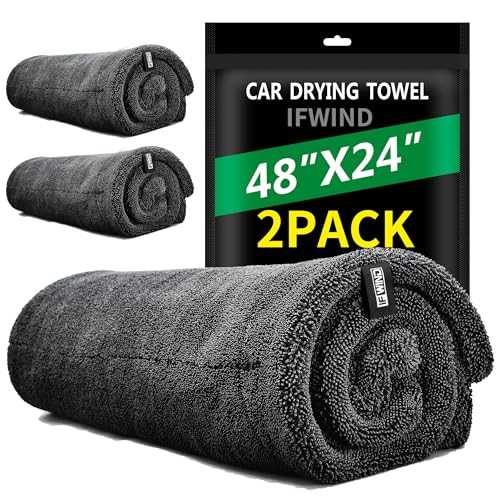

Types of Car Wash Drying Towels Compared
| Type | Best For | Pros | Cons | Typical Price |
|---|---|---|---|---|
| Twisted loop microfiber | Large vehicles, one pass drying | Holds the most water, glides when wet | Bulky to store and slow to dry after washing | about $15 to $30 |
| Plush microfiber | Dark paint and delicate finishes | Softest touch, low streak risk | Needs more passes on big panels | about $10 to $25 |
| Waffle weave microfiber | Small cars, glass, tight budgets | Compact, dries fast in storage | Lower total capacity per towel | about $8 to $18 |
| Synthetic chamois | Quick maintenance washes | Very absorbent, stores damp in its case | Can drag and stick on dry paint | about $8 to $15 |
| Cotton terry | Wheels, door jambs, rough jobs | Cheap and easy to replace | Sheds lint and holds less water than microfiber | about $5 to $12 |
Twisted Loop Microfiber Towels
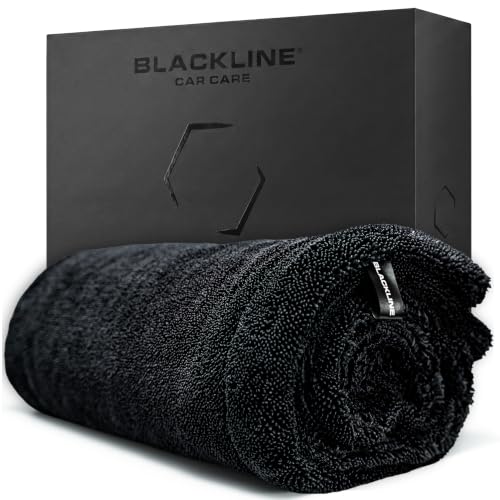
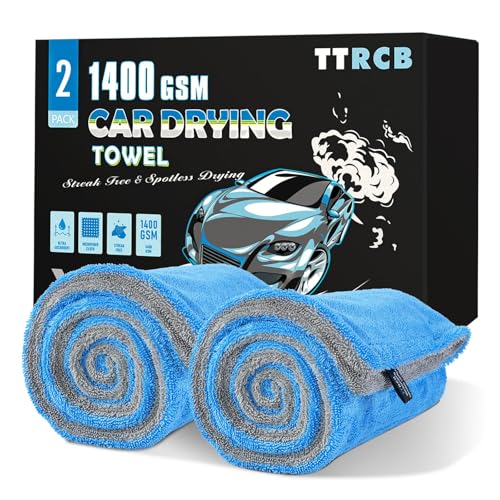
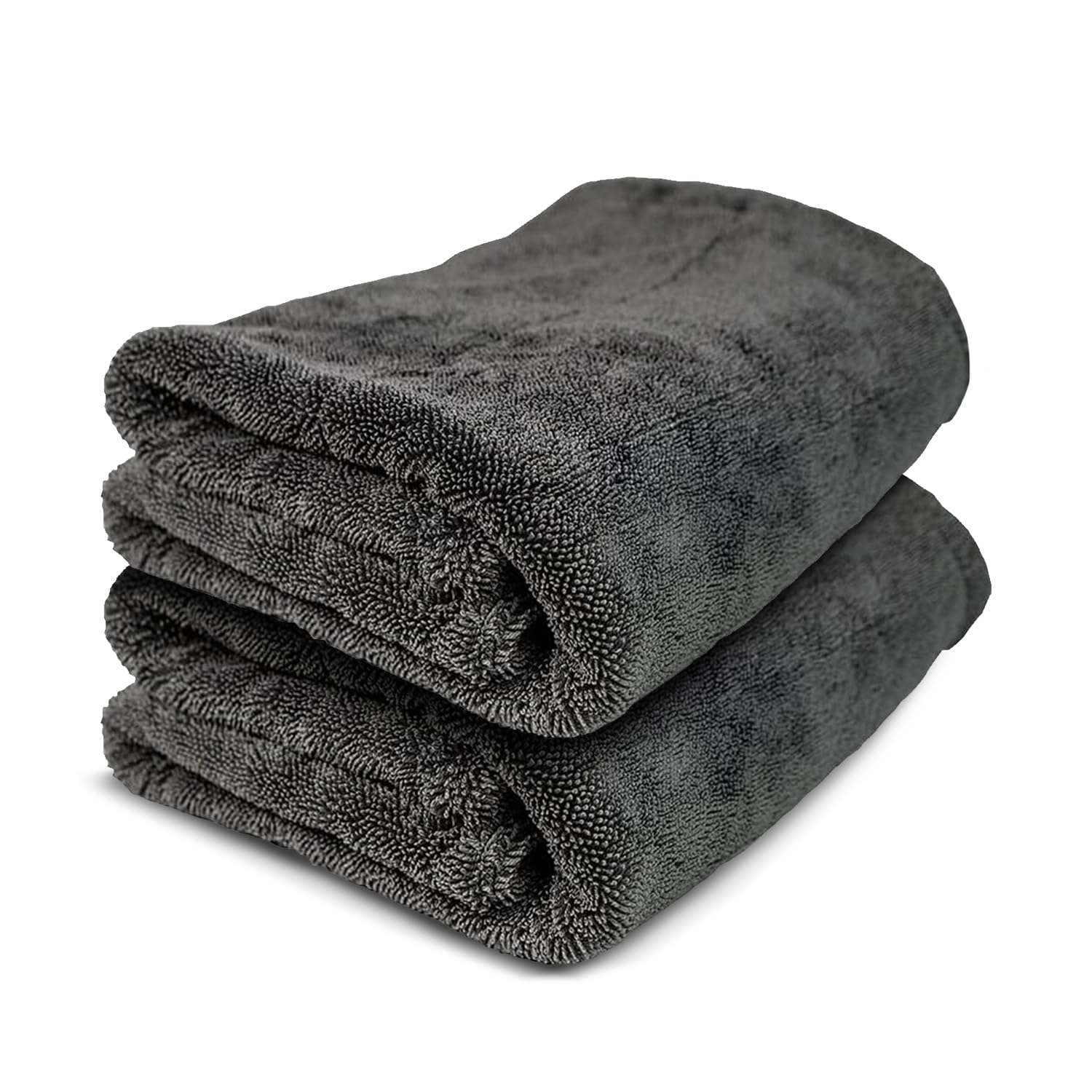
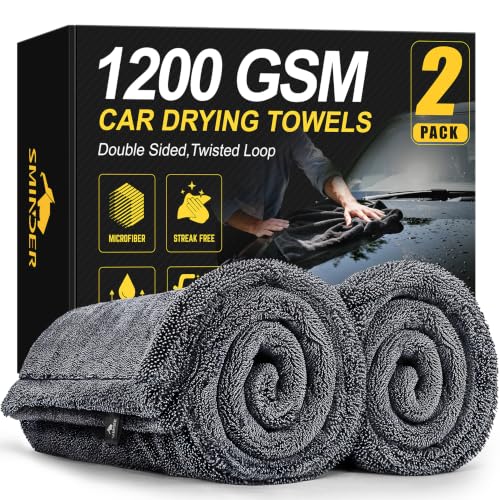
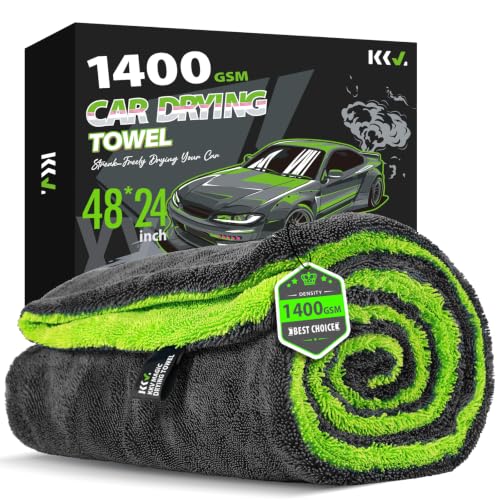
Twisted loop towels use long loops of microfiber that act like tiny mops, pulling water off a panel in a single slow pass. They are the capacity leaders and the first choice for trucks, SUVs, and anyone who dislikes wringing. The trade off is bulk: one large towel takes real shelf space and a long time to air dry after laundry. Lay the towel flat across a hood or roof, then pull it toward you rather than scrubbing in circles.
Plush Microfiber Towels
Plush towels have a deep, soft pile that cushions the paint surface, which makes them popular for dark colors and fresh ceramic coatings. They absorb slightly less per pass than twisted loop designs, so expect two passes on large flat panels. Their gentleness makes them a safe default for careful owners. Many drivers keep a plush towel for final wipe downs after a bigger towel does the heavy lifting, a pairing also covered in our guide to the best car towels drying.
Waffle Weave Microfiber Towels
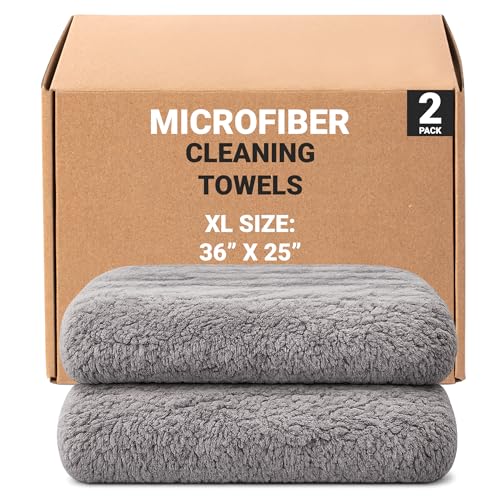
Waffle weave towels trade capacity for control. The recessed pockets trap water while the flat weave slides easily over glass and mirrors, leaving them clear, and the towels fold small and dry quickly in storage, suiting apartment dwellers with limited space. On a large vehicle you will wring one out several times, so many owners buy two. For a focused look at weave options, see our roundup of the best microfiber towels for drying car care routines.
Chamois and Cotton Towels
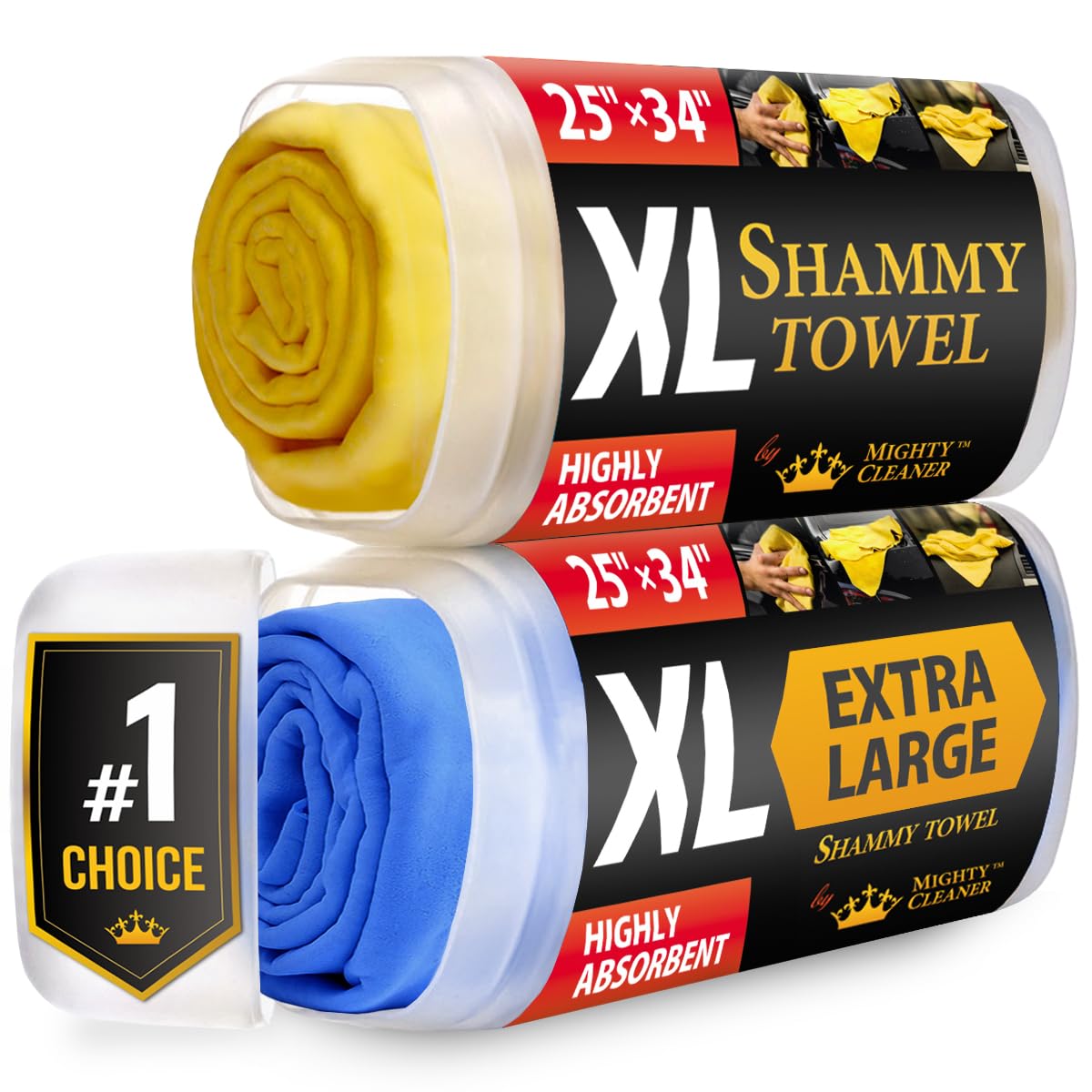
Synthetic chamois sheets absorb a surprising amount of water and store damp in a tube, ready for quick washes. They must glide on a wet surface, because on dry paint they grip and can drag grit. Cotton terry towels are the budget workhorses, best saved for wheels, jambs, and engine bays where lint does not matter. Natural leather chamois still exists, but it stiffens when dry and needs careful storage, so most drivers are better served by microfiber.
How the Types Stack Up for Common Jobs
For a weekly wash on a midsize sedan, a plush or twisted loop towel finishes fastest with the fewest streaks. For glass heavy jobs and small cars, waffle weave wins on control and storage. Chamois suits drivers who wash often and want a towel that lives in the car, while cotton belongs on rough tasks that would ruin good microfiber. If you detail for others or wash several cars in a row, capacity matters most, and twisted loop towels repay their bulk; our guide to the best drying towels for car detailing covers that workflow in more depth.
How to Choose the Right Car Wash Drying Towel
Material and Construction
Most drying towels are polyester and polyamide blends. A blend with more polyamide, such as a 70/30 split, feels softer and absorbs faster, while higher polyester shares cost less and last longer. Edges matter as much as the face fabric: silk or microfiber bound edges glide over paint, while rough stitched or tagged edges can mark soft clear coat. Remove any paper tag before the first use.
GSM and Absorbency
GSM means grams per square meter, and it tells you how dense the towel is. Drying towels for cars usually run from about 400 GSM for waffle weaves to about 1200 GSM for thick twisted loop designs. Higher GSM holds more water per pass but dries slower after washing and costs more. Match density to vehicle size rather than chasing the biggest number, because a midweight towel you handle easily beats a heavy one you avoid using.
Size and Handling
Common sizes run from about 16 by 24 inches for compact cars to about 25 by 36 inches for trucks and SUVs. Bigger towels cover a roof or hood in fewer passes but get heavy when soaked, which tires your arms and makes the towel harder to control near mirrors and trim. Many drivers prefer two medium towels over one giant towel, swapping to the dry one halfway around the car. Whichever route you pick from the product table above, keep the towel flat and let its weight do the work.
Certifications and Labels
Some towels carry OEKO TEX certification, which means the fabric was checked for harmful substances, a reasonable plus for a cloth you handle with bare hands every week. Plain spec labels you can verify, such as blend ratio, GSM, and dimensions, are more useful than vague eco badges. Shoppers comparing general wash cloths too can browse our guide to the best car wash towels.
Tips to Get the Most From Your Drying Towel
- Wash new towels before first use to remove loose fibers left over from manufacturing.
- Never use fabric softener or dryer sheets, because the coating clogs microfiber and kills absorbency.
- Dry the car right after rinsing, working from the roof down so dirty lower panels come last.
- Shake and inspect the towel if it touches the ground, and set it aside if it picks up grit.
- Store towels fully dry in a closed bin so dust does not settle into the pile.
Frequently Asked Questions
How often should I replace car wash drying towels?
Replace a drying towel when it starts leaving streaks, feels stiff after washing, or no longer pulls water off a panel in one or two passes. With weekly use and proper care, good microfiber lasts about 1 to 2 years before absorbency fades. Towels used on wheels and jambs wear out faster and should be demoted from paint duty as soon as the pile feels rough. A towel that has dragged through grit on the ground should be retired from paint work at once.
How do I keep car wash drying towels fresh longer?
Wash them separately from cotton laundry in warm water with a small amount of mild detergent, and skip fabric softener, bleach, and dryer sheets, which coat the fibers. Tumble dry on low heat or hang them in shade, since high heat can melt microfiber tips and reduce softness. Store them only when fully dry to prevent musty smells. If absorbency drops, a wash with a cup of plain white vinegar in the rinse cycle often strips built up residue.
What GSM is best for a car wash drying towel?
For most cars, a towel between about 600 and 900 GSM gives the best balance of capacity, weight, and drying speed after laundry. Waffle weave towels work well at lower densities, around 400 GSM, because the weave pattern does much of the work. Very thick towels above 1000 GSM shine on large vehicles but feel clumsy on small ones. Judge GSM together with size, because a large midweight towel often outperforms a small heavy one on total water held.
Are luxury car wash drying towels worth the extra cost?
They can be, if the premium buys a better edge finish, a softer blend, and consistent sizing rather than just a brand name. High end towels tend to stay soft longer and shed fewer fibers onto glass and dark paint. Casual drivers who wash monthly will rarely notice the difference over a solid midrange towel. Spend the extra only after your wash routine is sound, since technique and clean water matter more than towel price.
Can I dry my car with a bath towel instead?
You can in a pinch, but it is a poor substitute for a proper drying towel. Bath towels are usually cotton, which pushes water around instead of lifting it, sheds lint onto wet paint, and has rougher loops that can mark soft clear coat. They also lack the bound edges and size options designed for panels. Keep bath towels for jambs and wheels, and use microfiber on painted surfaces where finish quality actually shows.
Final Thoughts
Choosing among the best car wash drying towels comes down to three checks: pick the type that fits your vehicle size, confirm a GSM and edge finish that protect your paint, and commit to softener free washing so the towel keeps working. Twisted loop towels win on capacity, waffle weaves win on control and storage, and plush towels win on gentleness, as the product table above shows at a glance.