
Best Car Speakers for Highs 2026: A Clear Sound Checklist
Disclosure: We may earn a commission when you buy through links on this page, at no extra cost to you. As an Amazon Associate I earn from qualifying purchases. Learn more

Smooth tweeters, a real crossover and good placement matter most. Use this checklist to find the best car speakers for highs for your car.
High notes are where car audio most often disappoints. Cymbals turn splashy, voices lose their edge, and long drives become tiring when tweeters are harsh or buried behind door trim. This checklist for the best car speakers for highs shows you how to judge tweeter design, crossover quality, and placement before you spend. Start with the comparison table below, then check each option against the evaluation points that follow, paying special attention to where the tweeters will sit in your car.
Clarity up top is rarely about chasing the highest frequency number. It comes from smooth response, sensible aiming, and a crossover that hands notes to the tweeter at the right moment.




How to Evaluate Car Speakers
Score each candidate against the seven checks below. Tweeters and crossovers come first for this category, because they shape high notes more than any woofer specification does.
Features That Matter for Highs
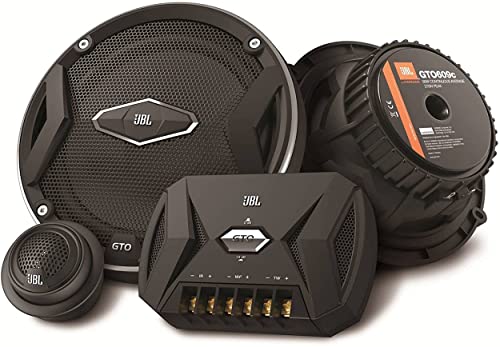
High notes need a light, stiff tweeter that can start and stop thousands of times per second without ringing. Silk domes tend to sound smooth and forgiving, metal domes tend to sound crisp and extended, and better designs control resonance with shaped domes and rear chambers. A proper crossover, ideally with a slope of 12 dB per octave or steeper, keeps midrange energy out of the tweeter and prevents strain. If you also care about vocal warmth below the highs, our guide to the best car speakers for mids and highs covers how the two ranges should blend.
Vehicle Compatibility
Confirm woofer size and depth for the doors, then confirm tweeter placement, which matters more here. Many cars provide factory tweeter spots in the sail panels, A pillars, or dashboard corners, and using them gives the best height for imaging. If your car lacks tweeter locations, coaxial speakers with aimable tweeters are the practical route. Check impedance against your system, usually 4 ohm, and note whether a factory amplifier applies its own equalization, since heavy factory tuning can make a bright tweeter sound sharper than expected.
Build Quality and Weather Resistance
Tweeters mounted high in the cabin avoid the worst door moisture, but they bake in sun through the windshield, so dome materials and adhesives must tolerate heat. Woofer sections still face the usual door cycle of humidity and vibration, so rubber surrounds and moisture resistant cones remain important. Ferrofluid cooling in some tweeter voice coils helps with heat during long, loud passages. Feel for rigid baskets and firm terminals, and favor crossovers built on solid boards with secure components rather than tiny inline parts that can vibrate loose.
Warranty and Brand Support
Look for at least one year of coverage, with two or three years common on stronger lines. Brands that sell replacement tweeters and crossovers let you repair a set instead of replacing it whole. If you are shopping near the top of the market, our guide to the best high end car audio speakers notes which support and parts practices separate serious makers from the rest.
Features and Extras
The extras that help high notes are adjustment options. Tweeter level switches on the crossover, often with settings that lower or raise output by about 3 dB, let you tame or lift the top end to suit your cabin. Swivel tweeter mounts help aim sound toward listeners in cars without factory tweeter spots. Included mounting cups for surface, flush, and angled fitting add real flexibility. Skip decorative extras that do not change aim, level, or crossover behavior, because none of them improve clarity.
Performance Specs
Read specs in this order: sensitivity, RMS power range, frequency response, and impedance. Sensitivity around 90 dB or higher keeps highs clean on modest power. Frequency response should extend to about 20 kHz, but smoothness through the 2 kHz to 10 kHz band matters far more than the top figure, since harshness and sibilance live in that range. RMS tells you the steady power a set can handle, while peak numbers are marketing decoration. A set rated for roughly 35 to 75 watts RMS per side suits most aftermarket head units and small amplifiers.
Ease of Installation
Coaxial sets are the simpler install, while component sets ask you to mount separate tweeters and hide crossovers, usually inside the door or behind the kick panel. That extra hour buys better height and imaging, which is exactly what high notes need. If your car needs custom tweeter pods or amplifier wiring, professional fitting becomes a reasonable cost rather than a luxury.
Three Setups That Pass the Checklist
Shop by setup type rather than by model name. Each setup below states what to demand, what it usually costs, and the limit you should accept with open eyes.
Balanced Clarity Setup
This setup uses a component set with silk or coated textile domes and an external crossover, usually for about $130 to $250 per pair. It suits drivers who value smooth vocals and fatigue free listening on long trips. Demand tweeter level adjustment and a crossover slope of at least 12 dB per octave. The limit is sparkle: listeners who love an airy, bright top end may find this style slightly polite at low volume.
Value Clarity Setup
A value setup uses quality coaxial speakers with aimable tweeters, usually for about $70 to $130 per pair. It suits factory system upgrades where simplicity matters as much as sound. Aim the tweeters toward the listening positions during installation, because a fixed tweeter firing at your knees wastes the main benefit of the design. Sensitivity near 90 dB or higher keeps the set lively on factory power. The limit is imaging height, since the tweeter sits low in the door, but clarity and ease make this the sensible first step for many cars.
Premium Detail Setup
A premium setup pairs metal or advanced composite dome tweeters with well built crossovers and rigid woofers, usually for about $260 to $450 per pair. It suits careful listeners with quiet cabins and good source material, who will hear the extra resolution on cymbals, brushes, and room ambience in recordings. If this tier tempts you, compare it against our guide to the best high end car speakers to see what the added money buys in materials and tuning.
Quick Buyer Checklist
Run through these questions before you order. Two or more negative answers mean the set is a poor match for clear high notes, whatever its price.
- Does the set state tweeter material and size clearly, rather than hiding behind vague claims?
- Is there a real crossover with a stated slope, not just a small capacitor on the tweeter?
- Can you aim or level adjust the tweeters to suit your cabin and seating position?
- Does sensitivity reach about 90 dB, so highs stay clean at the power you actually have?
- Have you confirmed a tweeter mounting location at sail panel, pillar, or dashboard height?
- Does the frequency response stay smooth through the vocal and sibilance range, based on published graphs or trusted measurements?
- Is warranty coverage at least one year, with replacement tweeters available?
Red Flags to Watch For
Problems in this category repeat across brands and price bands. Watch for these signs while you compare listings and specification sheets.
- Frequency claims far beyond hearing, such as 40 kHz, used as proof of quality without response graphs.
- Piezo tweeters presented as premium parts, when they usually signal a budget build with rough top end behavior.
- No crossover information at all, or a single tiny capacitor doing the whole job on a costly set.
- Peak power figures in huge type while RMS and sensitivity are missing or buried.
- Warranty of only a few months paired with no spare parts support for tweeters or crossovers.
None of these signs requires expert knowledge to spot.
Tips to Get the Most From Your Car Speaker
Aim tweeters at a point between the front listeners rather than straight at the glass, which adds harsh reflections. Prefer cutting a harsh band with equalization over boosting a dull one, since cuts keep headroom and reduce strain. If your crossover offers tweeter level settings, live with each setting for a few days before judging it. For broader tuning ideas that apply across rooms and cars, see our guide to the best speakers for highs and our guide to the best sounding car speakers for plain language advice on balance.
Frequently Asked Questions
What features matter most in car speakers for highs?
Tweeter material, crossover quality, and placement matter most. A dome that stays controlled through the 2 kHz to 10 kHz range prevents the splash and glare that tire listeners. A real crossover protects the tweeter and blends it with the woofer, while high mounting gives voices a natural height. One overlooked point is the grille: thick factory grilles with small holes can dull the top end, so check what sits in front of your new tweeters.
Do car speakers for highs need professional installation?
Coaxial sets rarely need professional help, but component sets often benefit from it. The value a professional adds is placement and tuning: tweeter aim, crossover location, and level setting shape the result as much as the parts do. If your car needs pillar pods or amplifier wiring, book the installer. If you do the work yourself, disconnect the battery before wiring and test tweeter levels with the doors closed before final assembly.
What specs matter most for car speakers for highs?
Sensitivity and smooth response through the upper midrange matter most, followed by an RMS range matched to your power source. Top end extension to about 20 kHz is sufficient for any listener, and figures far above that add nothing you can hear. Impedance should suit your system, usually 4 ohm. Also note the crossover point: a handover around 3 kHz to 5 kHz is typical, and very high crossover points can leave a dip where the woofer struggles to reach.
How long do car speakers for highs last?
A good set commonly lasts about five to ten years. Tweeters fail most often from distortion, because a straining amplifier sends harsh energy that overheats small voice coils. Playing clean power at sensible levels is the best protection. Sun heat on dashboard and pillar mounts slowly ages dome adhesives, so shaded parking helps more than most owners expect. If one tweeter fades, check its crossover connection before assuming the dome itself has failed.
Will car speakers for highs fit my vehicle?
Fit has two parts here: the woofer in the door and the tweeter at its mount. Measure door depth with the window lowered, and confirm the tweeter location diameter before ordering a component set. Many cars accept surface or flush mounts in factory spots with minor trimming. Coaxial sets remove the tweeter question entirely and fit wherever the original speaker fit. Adapter rings and wiring harnesses for common models make both routes cleaner and fully reversible.
The Bottom Line on Car Speakers for Highs
Judge highs by tweeter design, crossover quality, and placement before you look at price. Those three factors decide whether cymbals sound natural and voices stay clear on a long drive. Compare the best car speakers for highs in the product table above against the checklist, choose the setup that matches your cabin and budget, and give tweeter aim the attention it deserves during installation. Compare the best car speakers for highs in the table above one last time before you order.


