Best Car Speakers for Mids and Highs 2026: A Buyer Checklist for Clear Vocals
Disclosure: We may earn a commission when you buy through links on this page, at no extra cost to you. As an Amazon Associate I earn from qualifying purchases. Learn more

Voices and instruments live in the mids and highs. This checklist covers tweeter design, fit and power for the best car speakers for mids and highs.
Vocals and instruments live in the middle and upper parts of the sound spectrum, so small flaws there are easy to hear. This guide gives you a simple checklist for choosing the best car speakers for mids and highs for your vehicle and your listening habits. You will learn which specifications predict clear voices, smooth cymbals, and detail that stays pleasant at highway volume.
Use the checklist alongside the comparison table below to compare options in a consistent way. Instead of chasing the largest watt number on the box, you will judge each speaker by clarity, fit, power needs, and support, which are the factors that shape how it actually sounds in your cabin.




How to Evaluate Car Speakers
A good evaluation starts with the job the speaker has to do. Mids carry voices, guitars, pianos, and most podcast speech, while highs carry breath, string detail, and the shimmer of cymbals. A speaker that handles both ranges cleanly will make long drives feel less tiring, even at moderate volume.
The criteria below work as a scoring system you can apply to any listing. Give more weight to clarity and compatibility than to decorative extras, because a speaker that fits poorly or needs more power than your system provides will disappoint no matter how impressive its brochure looks.
Features That Matter for Mids and Highs
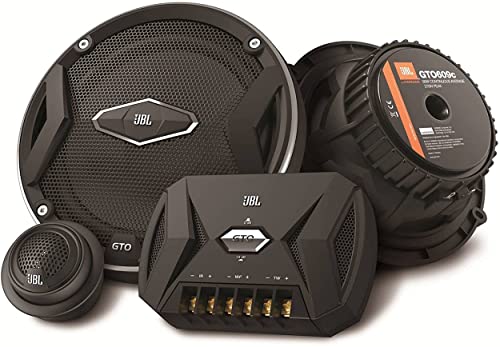
Look first at driver materials and design. Stiff yet light cone materials such as treated paper, polypropylene, or woven fiber tend to reproduce voices with less coloration, while silk or soft dome tweeters usually sound smoother than hard metal domes. A separate tweeter with a proper crossover almost always beats a single cone for detail, because each driver handles the range it was built for. Check that the crossover point sits in a sensible place, often around 3,000 to 5,000 hertz, so voices do not split awkwardly between drivers.
Vehicle Compatibility
Fit decides whether a good speaker ever gets installed. Measure your door or dash openings and note the mounting depth behind the panel, because large magnets can hit window mechanisms. Common sizes include 5.25 inch, 6.5 inch, and 6 by 9 inch formats, but adapters are not always available for every vehicle. Check your vehicle manual or a fit guide for the exact size, the factory impedance, and whether the factory wiring uses a simple two wire connection or a factory amplifier with separate channels.
Warranty and Brand Support
Warranty length tells you how much confidence a brand places in its own build. One year of coverage is the minimum you should accept, and two or three years is a stronger sign for speakers you plan to keep through several seasons of heat and cold. Check whether support is handled in the United States, whether replacement parts and grilles are easy to order, and whether the brand publishes clear manuals. Good documentation matters because small wiring questions come up in almost every install.
Performance Specs
Focus on RMS power handling rather than peak power, because RMS describes the power a speaker can handle continuously. A rating of about 30 to 75 watts RMS suits most factory and modest aftermarket systems. Sensitivity matters just as much: a rating of 90 decibels or higher means the speaker plays louder with less power, which helps clarity on low powered factory head units. Frequency response should extend smoothly into the upper range, ideally reaching near 20,000 hertz without sharp claimed spikes.
Ease of Installation
Some speakers are true plug and play replacements that reuse factory connectors and mounting holes, while others need adapter rings, new wiring, or door panel trimming. Be honest about your tools and patience before you choose. If you plan to install the speakers yourself, look for included harnesses, clear instructions, and mounting hardware in the box. If a design needs an external amplifier or separate tweeter pods on the dash, budget for professional help or a full weekend of careful work. Readers comparing simpler vocal focused options can see our guide to the best mid speakers for car for a narrower starting point.
Features and Extras
Extras should serve the sound, not distract from it. Useful additions include adjustable tweeter level controls, swiveling tweeter mounts that aim sound toward your ears, and weather resistant cones for doors that see moisture. Less useful extras include decorative lighting or exaggerated bass claims on a speaker meant for clarity. If you listen mostly to speech and acoustic music, spend on crossover quality first. Drivers who want a broader overview of combined ranges can read about the best mids and highs speakers to see how the two ranges are usually balanced.
Safety Features
Electrical safety in a car audio install is mostly about clean wiring and correct polarity. Connect positive to positive and negative to negative, and confirm the markings before you close the door panel, because reversed polarity makes voices sound thin and scattered. Use proper connectors rather than twisted bare wire, keep wiring away from sharp metal edges, and disconnect the battery before you work near factory amplifiers. A speaker with clear terminal markings and included protective caps makes these basic steps easier to get right the first time.
What Each Price Tier Usually Delivers
Price tiers predict materials and crossover quality more reliably than they predict loudness. Use the tiers below to set expectations, then check each candidate against the criteria above before you buy.
Entry Tier for Simple Factory Upgrades
Entry tier speakers, often under $100 for a pair, usually offer a basic coaxial design with a simple cone and a small tweeter. They can sound clearly better than worn factory speakers, especially for speech and radio, but crossovers are minimal and highs can turn harsh at higher volume. Choose this tier if your head unit is factory, your budget is tight, and your main goal is clearer voices. Check sensitivity carefully, because low powered systems need efficient speakers to sound lively without strain.
Middle Tier for Balanced Clarity
Middle tier speakers, often about $100 to $250 for a pair, usually bring better cone materials, larger tweeters, and more thoughtful crossovers. This is the tier where component sets become common, with separate tweeters you can mount higher for a more natural soundstage. Voices gain body without muddiness, and cymbals sound detailed rather than splashy. For most drivers this tier delivers the best balance of clarity, durability, and price, especially when paired with sound deadening in the doors. If you are weighing this range against narrower options, compare it with our notes on the best mid range car speakers to see how the middle range alone is handled.
Premium Tier for Detail Lovers
Premium tier speakers, often above $250 for a pair, focus on refined crossovers, premium dome materials, and tight manufacturing tolerances. The gain is subtle but real: smoother highs, more natural vocal texture, and less fatigue on long trips. These speakers usually need an amplifier to show their full ability, so total system cost rises beyond the speakers alone. Choose this tier only if the rest of your system is ready for it. You can explore the wider context in our guide to the best high end car speakers before you commit to that level of spending.
Quick Buyer Checklist
Run through these questions before you order. A speaker that earns a yes on most of them is a sound choice for your vehicle.
- Does the size and mounting depth match your door or dash location exactly?
- Is sensitivity at or above about 90 decibels for use with a factory head unit?
- Does RMS power handling match the output of your head unit or amplifier?
- Does the design include a separate tweeter or a well designed coaxial tweeter?
- Is the tweeter material suited to your taste for smooth rather than bright highs?
- Are wiring harnesses or adapters available for your vehicle without cutting wires?
- Is warranty coverage at least one year with support you can reach easily?
- Have you planned for basic sound deadening if your doors are thin and resonant?
Red Flags to Watch For
Some warning signs appear again and again on listings that disappoint buyers. Huge peak power numbers with no RMS rating suggest the brand wants to hide modest real capability. Vague frequency claims with no tolerance range, such as response listed without a plus or minus figure, tell you little about actual sound. Very short warranties, missing manuals, and no published mounting depth are also poor signs. Finally, be cautious with reviews that praise bass power on a speaker sold for vocal clarity, because that mismatch often means the comments belong to a different product or use case. For a focused look at the upper range alone, see our guide to the best car speakers for highs and compare how those criteria differ.
Choosing Car Speakers for Your Situation
Your cabin, music, and install plans should guide the final choice more than any single specification. A small coupe with speakers near your ears needs less power than a large SUV with distant rear doors. Think about where you sit, how loudly you listen, and whether passengers need clear sound in the back seat as well.
Care and Maintenance Tips
Car speakers need little routine care, which is part of their appeal. Keep door panels sealed so moisture follows its designed path away from the cone and motor, and check for rattles after the first week as screws settle. Avoid blasting a cold speaker at full volume in winter, because stiff surrounds handle stress better once the cabin warms. If sound turns scratchy or one side fades, check the wiring and balance settings before you assume the speaker itself has failed.
Frequently Asked Questions
What features matter most in car speakers for mids and highs?
A separate tweeter, a proper crossover, and a stiff light cone matter most for clear mids and highs. Together they let voices stay intelligible and keep treble smooth instead of harsh. Tweeter placement matters too, so a design that lets you aim the tweeter toward your ears often sounds better than a fixed design with stronger paper specifications.
Will car speakers for mids and highs fit my vehicle?
They will fit if the diameter, mounting depth, and impedance all match your factory location. Always confirm depth, because a speaker can match the listed diameter and still hit the window glass or regulator behind the panel. Many vehicles also need a thin adapter ring, so check fit notes for your exact year and trim before ordering.
What specs matter most for car speakers for mids and highs?
Sensitivity and RMS handling matter most because they predict how clearly the speaker plays with your available power. A sensitive speaker sounds open and detailed on a factory head unit, while a power hungry design can sound dull without an amplifier. Also check the frequency response curve for smoothness in the vocal range rather than chasing the highest top number.
Do I need professional installation for car speakers for mids and highs?
You do not need professional installation for a simple coaxial swap that reuses factory wiring and mounting points. Basic panel tools and patience are usually enough. Professional help becomes worthwhile for component sets with separate crossovers, amplifier additions, or vehicles with complex factory systems, because a neat install protects both sound quality and resale value.
How long do car speakers for mids and highs last?
Quality car speakers commonly last five to ten years in normal use. Heat, moisture, and repeated distortion shorten that life more than age alone does. Listening at sensible levels, keeping door seals in good condition, and fixing rattles early all help the surrounds and voice coils stay healthy for the long term.
Our Verdict on Car Speakers for Mids and Highs
Start with fit, then judge clarity by tweeter design, crossover quality, and sensitivity, and let price tiers guide your expectations rather than your hopes. The product table above pulls the shortlist together so you can compare finalists side by side. When you match power honestly and install with care, the best car speakers for mids and highs will make voices, podcasts, and acoustic detail feel present and relaxed on every drive. Compare the best car speakers for mids and highs in the table above one last time before you order.