
Best 6x8 Speakers for Mids and Highs: A First Time Buyer's Guide for 2026
Disclosure: We may earn a commission when you buy through links on this page, at no extra cost to you. As an Amazon Associate I earn from qualifying purchases. Learn more

Shopping for the best 6x8 speakers for mids and highs for the first time? Learn the terms, compare options, and avoid rookie mistakes with this easy guide.
If voices sound buried and cymbals sound dull in your car, the problem is usually the midrange and treble, not a lack of bass. Those ranges carry lyrics, dialogue, guitar, and most of the detail you notice every day. This guide helps first time buyers choose the best 6x8 speakers for mids and highs by explaining the terms, the materials, and the setup choices that shape clarity.
Scan the comparison table below for sizes and price tiers first. Then read through the basics and specs so you can tell a genuinely clear speaker from one that is merely loud or bright.


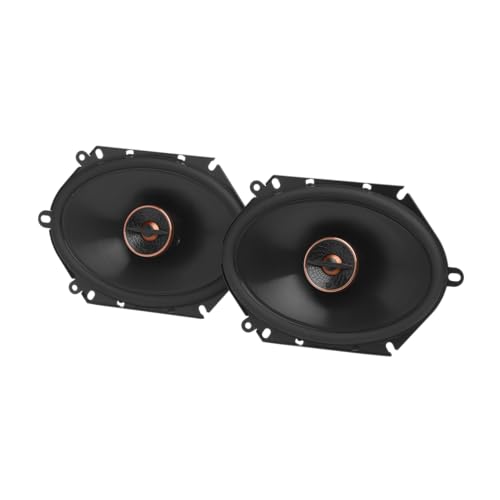
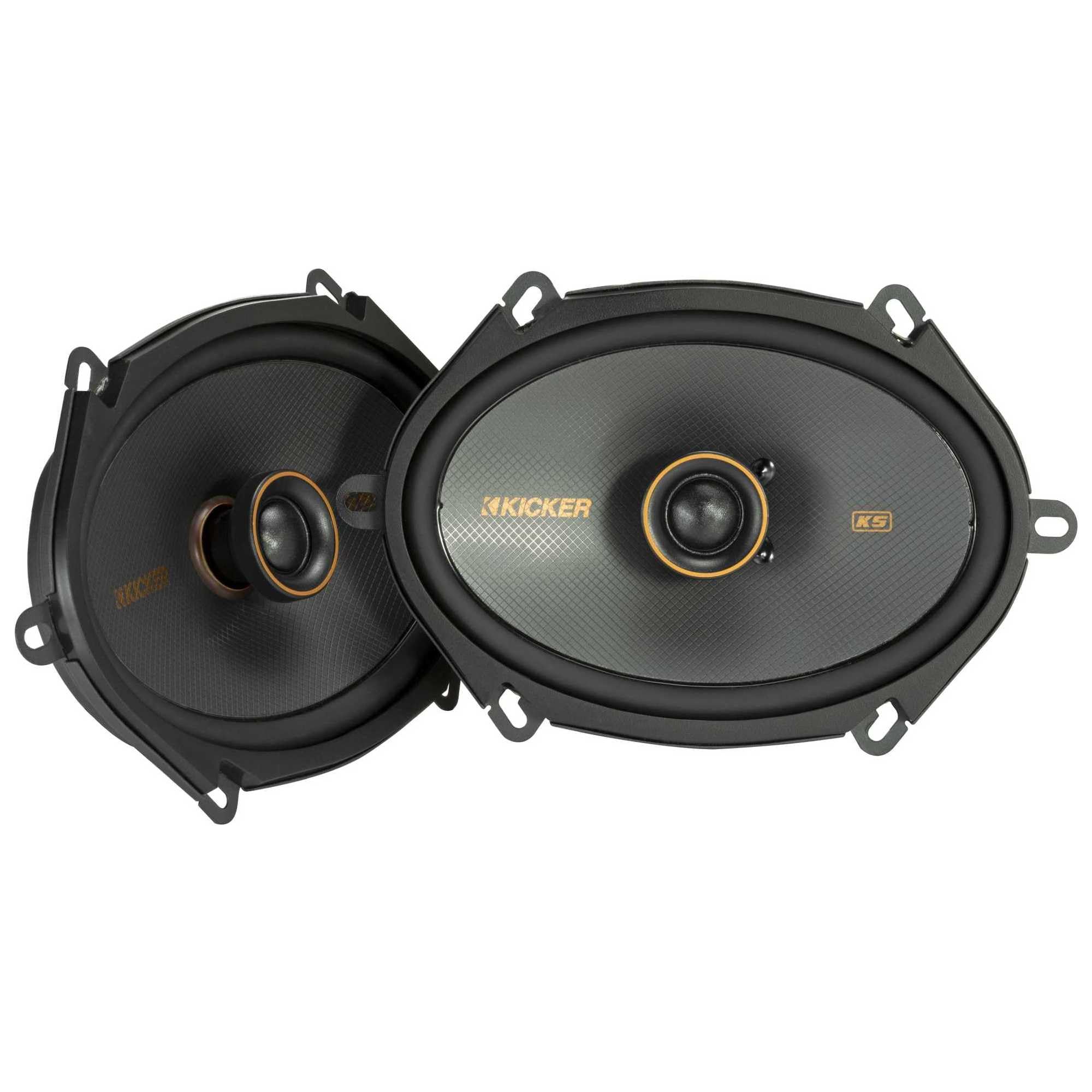


The Basics of the Best 6x8 Speakers for Mids and Highs
A 6x8 speaker is an oval car speaker that fits many factory door and rear deck openings, often shared with 5x7 fitments. Most are coaxial, meaning a small tweeter sits in the center of a larger woofer. The woofer covers bass and midrange, while the tweeter covers the high range where cymbals, string detail, and the edges of voices live. Component sets separate those parts for better placement, at the cost of a longer install.
Mids and highs are where human hearing is most sensitive. Small flaws there, such as harsh tweeters or muddy midrange, stand out more than a modest bass shortfall. That is why this buying decision rewards material quality and careful tuning over raw power numbers. If you want the wider view across sizes, our guide to the best mids and highs speakers explains the same clarity traits in other formats.
Key Specs Explained in Plain English
Features That Matter for Mids and Highs
Clarity starts with the tweeter and the midrange cone. Silk or soft dome tweeters tend to sound smooth, while hard dome designs can sound vivid but sharp in a reflective cabin. A woofer cone that stays stiff through the midrange, often polypropylene or treated fiber, keeps voices clean instead of buzzy. Look for a crossover that protects the tweeter and blends the handoff smoothly. Published response that stays even through the vocal range matters more than an extreme top number.
Sound Quality and Tuning
Frequency response describes the range covered, but balance describes how it feels. A speaker can reach 20 kHz and still sound harsh if the treble is boosted above the mids. After install, start with a flat equalizer. If voices bite or cymbals splash, cut the band near 3 to 8 kHz by a few dB rather than turning everything else up. Aim the tweeters toward the listeners when the design allows it, since high notes travel in a narrow path and lose detail when fired at your legs.
For a car focused comparison of these tuning ideas, see our guide to the best car speakers for mids and highs.
Head Unit Tuning Controls
Your head unit controls are the tuning system for your speakers. Equalizer bands, treble controls, and balance settings let you correct small problems without new hardware. Some units add time alignment, which delays the closer speaker so voices center on the dash instead of pulling to the near door. Streaming quality settings in your music app also matter. A low bitrate stream softens highs before the speakers ever see the signal, so set apps to high quality when your data plan allows.
Cabin Noise and Isolation
Voices and cymbals are masked first by road noise, so a quieter cabin lets midrange and treble detail through at lower volume. Sound deadening on the door skin and a sealed speaker mount reduce panel buzz and tighten the sound. Fit the speakers well before judging them, because a loose mount thins the midrange.
Comfort, Fit, and Weight
For car speakers, comfort means listening comfort over hours, not padding. A harsh tweeter that impresses in a two minute demo can cause real fatigue on a road trip. Fit means the speaker seats flat in the opening, clears the window, and leaves room for its grille or the door panel. Weight matters at the margins too. Very heavy magnets can need stronger brackets in thin doors. Check depth and mounting hardware in the box before install day, not during it.
Placement in the Cabin
The cabin is a small, reflective room, and placement is your main tool inside it. Front door pairs carry the soundstage, so put your best speakers in front and simpler pairs in the rear. Tweeters placed higher, on door tops or sail panels in component sets, lift voices to dash level. Rear deck speakers add fill but can pull the image backward if they play louder than the fronts. Set balance slightly toward the front for the clearest vocal focus.
Buyers comparing locations can also check the best door speakers for mids and highs for door specific fit advice, or the best 6x9 speakers for mids and highs if a larger opening is available.
Rookie Mistakes to Avoid
- Choosing the brightest speaker in a short demo. Boosted treble sounds exciting for minutes and tiring for hours. Favor balance you can live with daily.
- Ignoring the crossover. Cheap or missing crossovers let harsh energy reach the tweeter and shorten its life.
- Judging by power numbers. Clarity comes from materials and tuning. RMS and sensitivity help, but peak watts say nothing about tone.
- Mounting with air leaks. Gaps around the frame waste midbass and add buzz that masks vocal detail.
- Setting the equalizer by habit. A smiley curve that boosts bass and treble scoops out the mids you bought these speakers for.
Getting Started: Setup and First Use
Work on one door at a time so the factory side remains a reference. Disconnect the negative battery terminal, swap the speaker with a harness adapter where possible, and confirm polarity before the panel goes back on. Play a familiar vocal track at moderate volume and listen from the driver seat. Voices should sound centered and natural, with cymbals present but not sharp.
Leave the equalizer flat for the first week while you learn the new sound. Then make one small change at a time and live with it for a day. Keep the manual, spare clips, and any tweeter level instructions stored together. Our general guide to the best 6x8 speakers is a useful next read if you plan a matching rear pair later.
6x8 Speakers: Your Questions Answered
What features matter most in 6x8 speakers for mids and highs?
Tweeter material, crossover quality, and cone stiffness matter most. A soft dome tweeter with a proper crossover sounds smooth and lasts, while a stiff woofer cone keeps voices clean. Sensitivity near 90 dB helps a factory head unit reach clear volume without strain. Spec sheets that show an even midrange response are a better sign than a very high top frequency claim.
Do I need an amplifier for 6x8 speakers?
No. High sensitivity models, around 90 dB or higher, play well on a factory head unit. An amplifier adds headroom and cleaner bass if you want more volume, and then the speaker RMS rating should match the amplifier output.
Is sound deadening worth the extra cost?
Yes for most doors and rear decks. Deadening the outer skin and sealing the speaker to the panel cuts rattles and tightens midbass, often improving sound more than moving up one speaker price tier.
Coaxial or component: which sounds better?
Component sets give better imaging because the tweeter mounts higher, but they cost more and take longer to install. Coaxial pairs are simpler, cheaper, and the right choice for most factory upgrades.
How do I protect speakers from door moisture?
Choose treated or polypropylene cones and rubber surrounds, keep door drain holes clear, and fit a foam baffle or the factory water shield behind the speaker so rain running down the glass does not reach the cone.
Our Verdict
For clear voices and detailed highs, prioritize tweeter material, crossover quality, and an even midrange over power claims. Fit the speakers well, seal the mounting, and tune with small cuts instead of big boosts. Compare options in the product table above with those points in mind. The best 6x8 speakers for mids and highs for your car are the ones that keep lyrics front and center without turning sharp on a long drive.


