
Best Car Speakers for Stock Head Unit 2026: A First Time Buyer's Guide
Disclosure: We may earn a commission when you buy through links on this page, at no extra cost to you. As an Amazon Associate I earn from qualifying purchases. Learn more

Replacing tired factory speakers is an easy upgrade. This guide shows how to pick the best car speakers for stock head unit that suit a factory radio.
Replacing tired factory speakers is often the simplest sound upgrade you can make, and you do not need a new stereo to enjoy it. The key is choosing speakers that work well on the small amount of power a factory radio provides. This guide walks you through finding the best car speakers for stock head unit setups step by step, from basic terms to fitment checks.
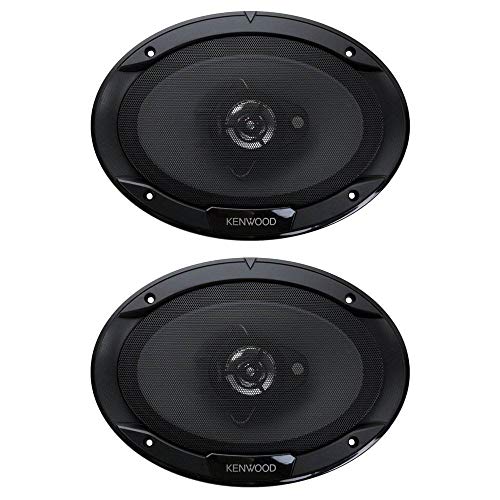
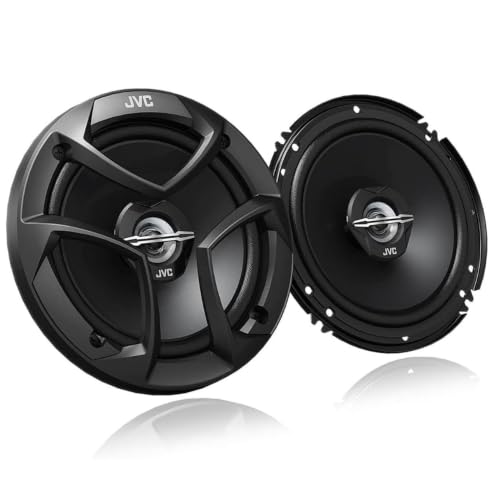
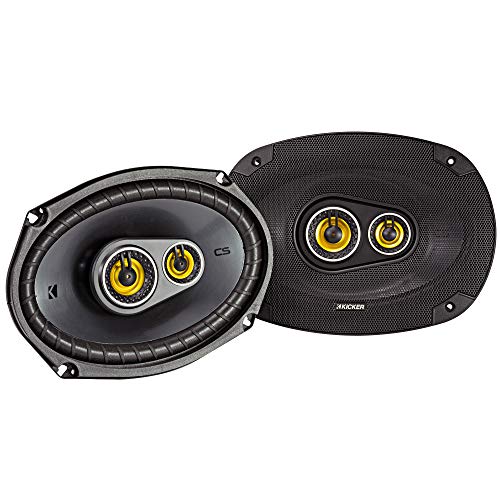
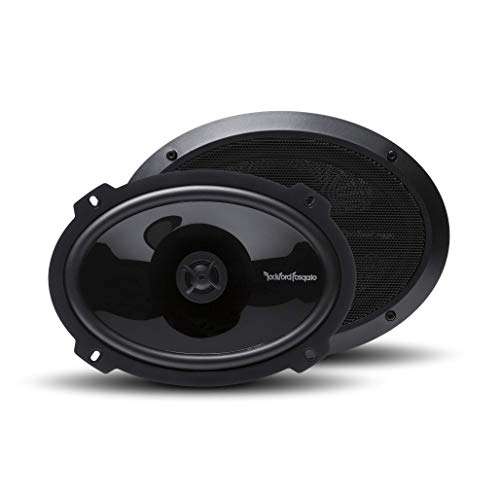
We will explain sensitivity, power handling, and speaker types in plain language, then cover common mistakes and the first steps after your boxes arrive. Start with the comparison table below, then use the sections that follow to check whether a pair truly suits your vehicle and your listening habits.





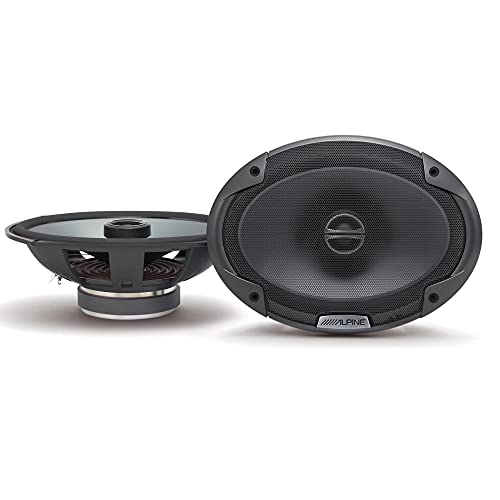
Car Speakers 101: The Basics
A car speaker turns an electrical signal from your radio into sound by moving a cone back and forth. Small, light movement handles high notes, while larger movement creates voices and bass. Most factory systems use simple full range speakers, meaning one cone tries to cover nearly everything. That design is cheap and durable, but it often sounds dull, thin, or harsh when you raise the volume.
Replacement speakers improve on that formula in two main ways. Coaxial speakers place a small tweeter in front of the main cone, so one unit covers lows, mids, and highs and fits the original opening. Component speakers separate the tweeter from the woofer and add a crossover that sends each driver the frequencies it handles best. Components can sound clearer, but they need more installation work and usually cost more.
Your stock head unit matters because it sets the power budget. Most factory radios supply only about 10 to 20 watts per channel in real use, even when a peak figure looks higher. Speakers chosen for that modest output can sound lively at normal volume, while power hungry designs may stay quiet and lifeless. If you want broader buying context, see our guide to the best stock car speakers for how factory systems are usually built.
Key Specs Explained in Plain English
Spec sheets look technical, but only a handful of numbers decide whether a speaker suits a factory radio. Read the sections below in order. Sensitivity comes first, then fit, materials, support, and the small extras that make installation easier. A speaker that scores well on all five points will almost always please you more than one with a single impressive number.
Features That Matter for Stock Head Unit
Sensitivity is the headline spec here. It tells you how loud a speaker plays with a small amount of power, and for a stock head unit you generally want about 88 decibels or higher, with 90 decibels or above being especially helpful. Next, check the RMS power range rather than the peak number. A speaker rated for roughly 5 to 50 watts RMS matches factory output well. Impedance also matters. Most car speakers are 4 ohms, and some 3 ohm designs draw a little more power from the radio, but only choose those if the maker confirms compatibility with factory systems.
Vehicle Compatibility
Fit comes before sound. Confirm your exact year, make, model, and trim, because the same car can use different speaker sizes in the front doors, rear doors, dash, and rear deck. Common sizes include 5.25 inch, 6.5 inch, and oval rear deck sizes. If your rear deck uses oval openings, our guide to the best 6x9 speakers for stock head unit covers that shape in detail. Also check mounting depth and whether the factory grille will clear a raised tweeter. A fitment guide from the seller, plus a quick look at your current speaker, prevents most surprises.
Build Quality and Weather Resistance
Door speakers live in a rough place. They face heat, cold, vibration, and moisture that runs down inside the door panel. Cones made from polypropylene or treated woven materials shrug off humidity far better than plain paper cones, which can soften and tear over time. Rubber surrounds last longer than foam surrounds, which can crumble in hot climates. Tweeters made from silk sound smooth, while metal and ceramic tweeters tend to sound brighter. None of these choices is wrong, but for a daily driver you want materials that tolerate moisture and temperature swings without fuss.
Warranty and Brand Support
A warranty of at least one year is a reasonable baseline, and longer coverage is a good sign that the maker trusts its materials. Support matters just as much as the printed term. Look for clear fitment charts, downloadable manuals, and wiring guidance written for your vehicle. Good support also means replacement grilles, mounting rings, and harness adapters are easy to find. Keep your receipt and register the purchase if the brand offers it. If a speaker fails early, a responsive support team and a simple claim process save you from buying the same upgrade twice.
Features and Extras
Useful extras make a real difference on installation day. Included mounting brackets, foam sealing tape, and speaker harness adapters that connect to your factory plugs can turn a long job into a short one. Rotating or angled tweeters help when the speaker sits low in a door, because you can aim the high notes toward your ears. Removable grilles matter on rear decks exposed to sun. Skip extras you will never use, such as flashy lighting. If you plan to keep the factory radio for years, guides like the one on the best speakers for factory head unit explain the same low power priorities from another angle.
Best Car Speakers for Specific Needs
Most buyers fall into a few simple groups. Daily commuters usually want easy fitment, clear voices at moderate volume, and no extra amplifier. Drivers of older cars often need shallow speakers and durable materials. Shoppers who love detail may accept component speakers and a longer install. Match the group that sounds like you before you compare prices.
Best Car Speakers with Stock Head Unit
When people search for the best car speakers with stock head unit in mind, the deciding factors are usually convenience and efficiency rather than maximum volume. Prioritize a true drop in fit for your exact openings, high sensitivity so the factory radio drives them easily, and a harness adapter that avoids cutting factory wires. A coaxial design suits most of these buyers because it upgrades every frequency range in one step and keeps the cabin looking stock.
Rookie Mistakes to Avoid
- Judging by peak watts alone. Peak numbers describe a brief burst, not daily listening. RMS range and sensitivity predict how a speaker behaves with your radio far better.
- Skipping the fitment check. A speaker can be the right diameter and still be too deep, or its tweeter can push against the door grille. Measure depth before you order.
- Mixing impedance without checking. Very low impedance speakers can strain a small factory amplifier chip and trigger distortion or shutdown at high volume.
- Replacing only one damaged speaker with a different model. Left and right speakers should match, or voices and instruments will sound uneven across the cabin.
- Cranking the bass control to fix thin sound. Heavy bass boost on a stock radio causes distortion quickly. Set tone controls near flat first and judge the speakers fairly.
Getting Started: Setup and First Use
Before you remove a door panel, disconnect the negative battery terminal and read the speaker instructions alongside your vehicle manual. Gather panel removal tools, the correct sockets, and your harness adapters so you are not hunting for parts mid job. Remove one side at a time. That way the untouched side stays as a visual reference for wiring and mounting.
Connect the adapter, secure the speaker with all screws, and add foam tape around the mounting edge to reduce rattles. Test the speaker before you refit the panel. Play a familiar song at moderate volume and check for buzzing, reversed bass response, or silence. If bass sounds weak with both sides playing, one speaker may be wired with reversed polarity, so recheck the adapter orientation. Refit the panel, repeat on the other side, then set tone controls flat and adjust in small steps.
FAQs
What features matter most in car speakers for stock head unit use?
High sensitivity, a modest RMS range, and exact fit matter most. Together they decide whether a factory radio can drive the speaker cleanly at the volume you actually use. One extra point worth knowing is break in. Many new speakers sound slightly stiff for the first several hours of listening, and the bass often relaxes a little as the surround loosens, so give them a week of normal use before final judgment.
What specs matter most in car speakers for a stock head unit?
Sensitivity and impedance matter most, followed by RMS power range. Aim for about 88 decibels of sensitivity or higher and the standard 4 ohm rating unless a maker clearly approves a lower rating for factory radios. Frequency response figures help only when they include a tolerance range. A claim without that range tells you little, because almost any speaker can produce a faint signal at its stated extremes.
Do I need professional installation for car speakers on a stock head unit?
No, many owners install coaxial door speakers themselves with basic tools and harness adapters in about an hour per pair. Professional help makes sense when your car has premium factory amplification, airbags inside the door area, or component speakers that need new tweeter locations. Ask the shop to keep your factory wiring intact with adapters, which protects resale value and makes future changes simple.
Will car speakers for a stock head unit fit my vehicle?
They will fit if the diameter, mounting depth, and tweeter height all match your openings, so verify all three rather than diameter alone. Online fitment tools are a good start, but trim level changes can fool them. A practical check is to remove one door panel and photograph your current speaker and plug before ordering. That photo answers most questions a product page cannot.
How long do car speakers for a stock head unit last?
Good replacement speakers commonly last five to ten years in a daily driver. Heat, moisture, and constant high volume shorten that span, while rubber surrounds and moisture resistant cones extend it. If one speaker starts crackling only on bass notes, the surround or cone edge is often failing. Replacing the pair at that point restores balanced sound and avoids a second round of panel removal soon after.
Final Thoughts on Car Speakers for Stock Head Unit
Start with fit, then sensitivity, then materials. Those three checks filter out nearly every bad match for a factory radio. Commuters should favor efficient coaxial speakers with simple adapters, while detail lovers can consider components and professional help. Compare your shortlist in the product table above, and remember that the best car speakers for stock head unit choice is simply the one your radio can drive cleanly in your exact openings. For a wider view of sound quality priorities, see our guide to the best sounding car speakers and our overview of the best speakers for stock head unit before you order. Compare the best car speakers for stock head unit in the table above one last time before you order.


