
Best 6x8 Car Speakers for Bass: Buying Guide for 2026
Disclosure: We may earn a commission when you buy through links on this page, at no extra cost to you. As an Amazon Associate I earn from qualifying purchases. Learn more

RMS power, cone materials, fit, and install steps explained to help you choose the best 6x8 car speakers for bass in your doors.
If your factory doors sound thin and flat, you are not alone. Many trucks and sedans use 5x7 or 6x8 openings with weak paper cones that cannot move enough air for real low end. Choosing the best 6x8 car speakers for bass means looking past peak power claims and checking the parts that actually create punch. This guide walks you through specs, fit, and install choices step by step. You will also see how the best 6x8 car speakers for good bass differ from models tuned only for loud highs.
Use the comparison table below to scan sizes, power handling, and price tiers side by side. Then use the sections that follow to match those numbers to your vehicle, your head unit or amplifier, and the music you play most.


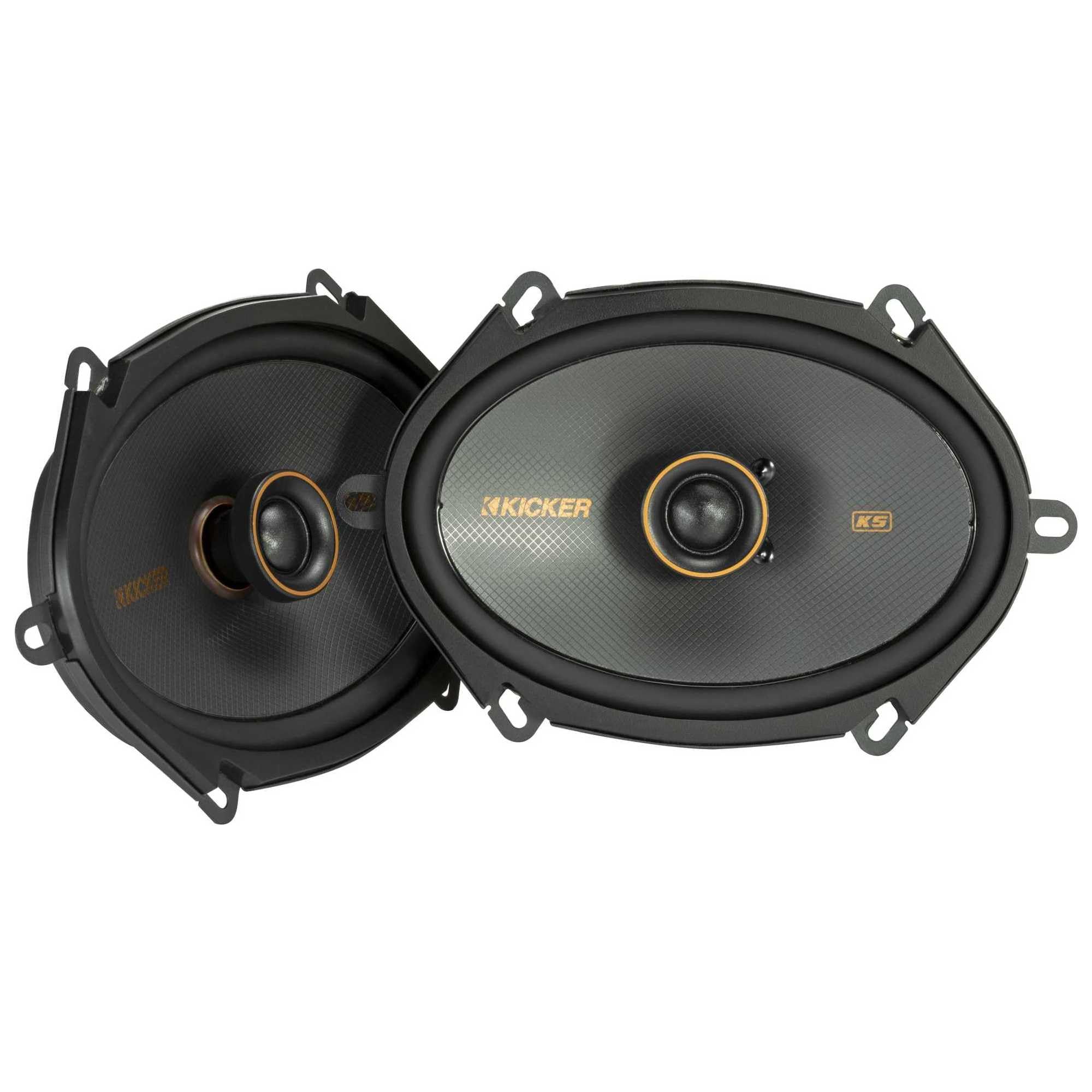
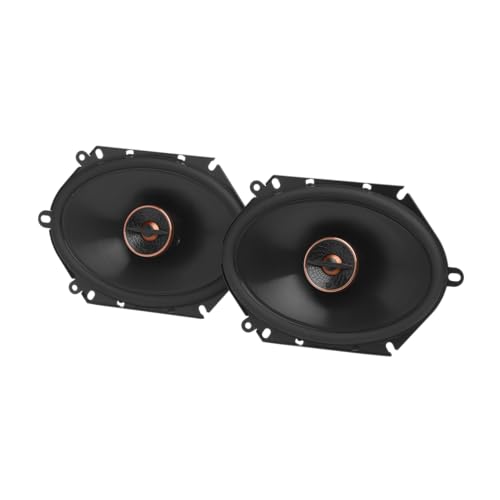


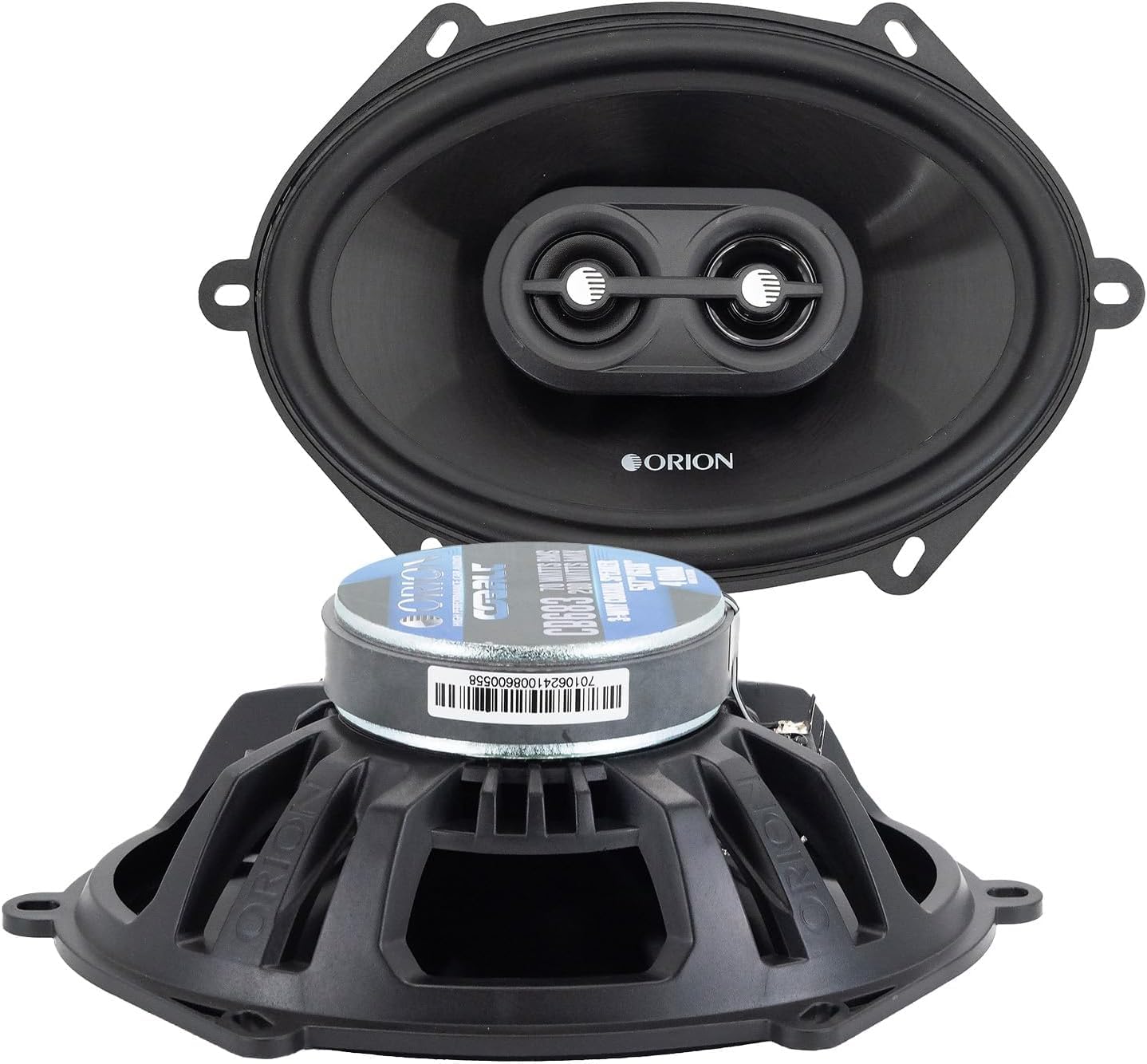

Three Price Tiers at a Glance
Instead of chasing a single winner, think in tiers. The right tier depends on whether you run a factory head unit, a small external amplifier, or a larger system with a subwoofer. Each tier below describes what you should expect to get and what you give up, so you can judge any model in the product table above on equal terms.
Balanced Tier
For most drivers, the balanced tier is the sweet spot. Look for a coaxial or convertible design with a stiff polypropylene or treated fiber cone, a rubber surround, and continuous RMS handling around 50 to 75 watts per speaker. Sensitivity near 90 dB or higher helps a modest head unit sound full without strain. This tier gives you clear vocals plus a solid kick on drums and bass guitar. It suits daily driving where you want stronger low end without adding a separate subwoofer right away.
Value Tier
Value models focus on the basics done well. Expect a durable cone, a foam or rubber surround, and RMS handling around 35 to 50 watts that matches most factory systems. You may give up some deep extension and some detail at high volume, but a well chosen value pair still beats worn factory speakers by a wide margin. This tier fits a second car, a work truck, or a first upgrade on a tight budget. Check that mounting depth and included grilles suit your doors before you buy.
Premium Tier
Premium tier speakers add larger voice coils, stronger magnets, better crossovers, and materials that resist heat and door moisture. RMS handling often reaches 75 to 100 watts or more, which rewards a proper amplifier with tighter, cleaner bass at higher volume. Tweeters in this tier are usually silk or soft dome designs that sound smooth rather than harsh. Choose this tier if you listen loud, keep vehicles for years, or plan to add an amplifier later. The extra cost makes sense only when the rest of your system can use it.
How to Choose the Best 6x8 Car Speakers for Bass
Start with fit, then power, then materials. A speaker that cannot mount correctly or that your system cannot drive well will disappoint no matter how impressive its box looks. The points below follow the order a careful buyer should check them.
Features That Matter for Bass
Bass comes from moving air with control. A large, stiff cone that can travel farther without bending will produce deeper, cleaner low notes than a small flimsy cone. Rubber surrounds allow that travel and last longer in hot doors than foam. A low frequency response reaching near 40 to 50 Hz suggests useful output where kick drums live. Also look for a separate or well integrated tweeter so effort spent on bass does not muddy vocals and cymbals.
Vehicle Compatibility
Confirm that your vehicle actually uses a 6x8 opening, since many models also list 5x7 fitment for the same speaker. Check the year, trim, and door or rear deck location in a fit guide or your owner manual before ordering. Measure mounting depth and compare it with window travel and door wiring space. Some trucks need slim brackets or spacers. If your doors hold water after rain, choose materials that tolerate moisture and add thin baffles for protection.
While you check fit, compare your shortlist with broader guides if you are still deciding on size. If low end is your top priority across sizes, see our guide to the best car speakers for bass for context on what strong bass requires.
Performance Specs
Use RMS watts, not peak watts, to match speakers to your power source. RMS describes continuous handling, while peak is a brief limit that tells you little about daily sound. Match speaker RMS closely to the RMS output of your head unit or amplifier per channel. Sensitivity matters just as much. A speaker rated at 92 dB will sound noticeably louder on the same power than one rated at 87 dB, which helps factory systems a great deal. Impedance is usually 4 ohms for car use, so confirm your amplifier is stable at that load.
Safety Features
Audio wiring is low voltage, but your car battery can deliver high current if a wire shorts. Always disconnect the negative battery terminal before you remove door panels or cut wires. Use proper connectors or solder with heat shrink rather than twisted bare wire, and route new speaker wire away from sharp metal edges. Add a fuse near the battery for any new amplifier power run, sized to the wire gauge. Keep polarity consistent on both sides so the cones move in the same direction and bass does not cancel out.
Ease of Installation
Many 6x8 speakers are close to plug and play when you add vehicle specific harness adapters, which let you avoid cutting factory wires. Budget about one to two hours for a first door pair if you work carefully. You will need panel tools, screwdrivers, and patience with clips that can break on older vehicles. Component style sets with separate tweeters and crossovers take longer and may need drilling or surface mounting. If you are unsure about airbag wiring in modern doors, a shop install is money well spent.
Warranty and Brand Support
Look for at least a one year warranty, with longer coverage a sign of confidence in surrounds and voice coils. Check whether the maker publishes real RMS ratings, mounting dimensions, and support contact details. Clear manuals and readily available harness guides save time during install. Keep your receipt and register the product if asked. Warranty claims usually exclude damage from overpowering or water intrusion, which is another reason to match power carefully and protect speakers inside wet doors.
Types of 6x8 Car Speakers
Not every 6x8 design serves the same goal. Coaxial models place the tweeter over the woofer for simple install, while component sets separate the tweeter for better imaging. Within those layouts, price tiers change materials and power handling more than they change basic function.
Budget/DIY Options
Entry level coaxial pairs are the classic do it yourself upgrade. They install in factory holes, run happily on head unit power, and cost around $50 to $100 per pair. Bass is fuller than factory sound but limited at high volume. They suit drivers who want a clear improvement this weekend without buying an amplifier or learning complex wiring.
Compact/Portable Options
In speaker terms, compact here means shallow mounting depth for tight doors and behind seat truck locations. These models trade some cone travel and magnet size for fit, so deep bass output is modest. They are the right call when window clearance is small or when rear deck space is limited. Pair them with careful door sealing to get the most low end from the space you have.
If your main concern is depth of tone in this exact size, compare notes with our guide to the best 6x8 speakers for bass before you settle on a shallow design.
Pro Grade Options
Pro grade sets target amplified systems and listeners who play loud for long periods. Stronger motors, vented voice coils, and external crossovers keep distortion down when power rises. Expect to pay about $150 to $300 per pair and to spend more time on install and tuning. Bass stays tight rather than boomy because the woofer remains in control. These sets make little sense on a weak factory head unit alone.
Premium Options
Premium options add refined tweeter materials, precise crossovers, and build quality aimed at sound quality first. They often sound smoother and more detailed at moderate volume, not just louder. If you value balance as much as punch, read our guide to the best car speakers for bass and sound quality for the trade offs involved. Premium pairs can cost about $250 or more, so plan the amplifier budget alongside them.
Setup and Care Tips
- Check your owner manual for specs. Confirm speaker size, depth limits, and any factory amplifier details before you order parts or remove panels.
- Disconnect the battery before wiring audio. Removing the negative terminal protects you and the vehicle electronics while you work in the doors.
- Seal the door opening. Foam rings and sound deadening around the mounting hole stop air leaks that weaken bass and reduce rattles at volume.
- Set gains by ear at safe levels. Raise volume slowly and back off at the first sign of distortion, which can damage voice coils quickly.
- Recheck polarity on both sides. A simple battery check or polarity app confirms both cones move outward together for full low end.
- Inspect surrounds once a year. Heat and sunlight age foam and rubber, so a quick look during other door work can catch wear early.
One more practical point matters. Doors are a poor speaker box by nature, with large holes and thin metal. Even modest deadening on the outer skin and a solid mounting baffle often improve bass more than stepping up one price tier. If clarity at the front seats matters most to you, our guide to the best sounding 6x8 car speakers covers tuning choices in more detail. Drivers comparing nearby sizes can also see the best 6x9 car speakers for bass if their vehicle can accept the larger opening.
FAQs
What features matter most in 6x8 car speakers for bass?
Cone stiffness, surround material, and real RMS handling matter most. A stiff cone with a rubber surround moves air cleanly, while honest RMS ratings show what the speaker can sustain. Low frequency extension near 40 to 50 Hz and sensitivity above 89 dB also help. Together these traits define the best 6x8 car speakers for good bass far better than peak power printed on a box.
What specs matter most for 6x8 car speakers for bass?
Start with RMS watts, sensitivity, impedance, and frequency response. Match RMS to your head unit or amplifier output per channel, and favor higher sensitivity if you have low power. Confirm 4 ohm impedance suits your system. Treat peak watts and huge magnet claims with caution, since neither predicts clean low end on its own. Mounting depth is a spec too, because a speaker that does not fit delivers no bass at all.
How long does a set of 6x8 car speakers last?
A quality set often lasts five to ten years in daily use. Life depends on heat inside the door, moisture, and how often you play at distortion levels that stress the voice coil. Rubber surrounds outlast foam in hot climates. Keeping volume clean and doors drained properly extends life more than any brand claim. Fading sound, rattling, or a torn surround are signs that replacement time is near.
Do I need professional installation for 6x8 car speakers?
No, many coaxial pairs are a manageable home project with harness adapters and basic tools. You need professional help mainly for component sets, amplifier wiring, or doors with complex electronics and airbags. A shop can also set gains safely with reference tones. If you plan to install them yourself, look for models with clear fit notes and included mounting hardware to keep the job simple.
Will a 6x8 speaker fit my vehicle?
It will fit if your vehicle lists a 6x8 or 5x7 opening and your mounting depth clears the window and door parts. Check a fit guide for your exact year and trim, since the same model name can use different sizes by location. Some openings need a bracket or minor trimming. Measure before you buy when in doubt, and keep the packaging until you confirm the first speaker seats flat and the panel closes without force.
Our Verdict
Choose fit first, honest RMS and sensitivity second, and cone and surround materials third. Those three checks will steer you to the right tier whether you run factory power or a dedicated amplifier. When you are ready to compare, return to the product table above and judge each option against those points. The best 6x8 car speakers for bass for your car are the ones that fit, match your power, and play clean at the volume you actually use.


