Best Car Speakers for Competition 2026: Buying Guide for Scored Systems
Disclosure: We may earn a commission when you buy through links on this page, at no extra cost to you. As an Amazon Associate I earn from qualifying purchases. Learn more

Learn the specs that decide scores: RMS match, sensitivity, tuning and fit for the best car speakers for competition, with safe installation steps.
Competition audio is judged on clarity, balance, and control at high volume, not just loudness. A system that sounds exciting on a short drive can fall apart on a scoring sheet if vocals distort, bass overwhelms the midrange, or the left and right sides image poorly. Choosing the best car speakers for competition means matching power handling, sensitivity, and fit to your amplifier and your vehicle from the start.
This guide walks you through the specs that actually decide scores, the types worth considering, and the setup habits that protect your investment. You will also find notes on the comparison table below so you can compare options side by side with the right questions in mind.


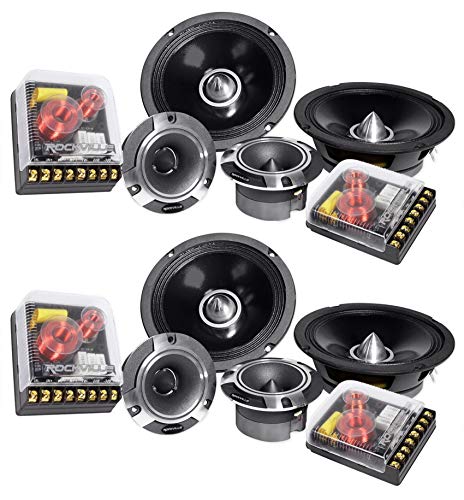


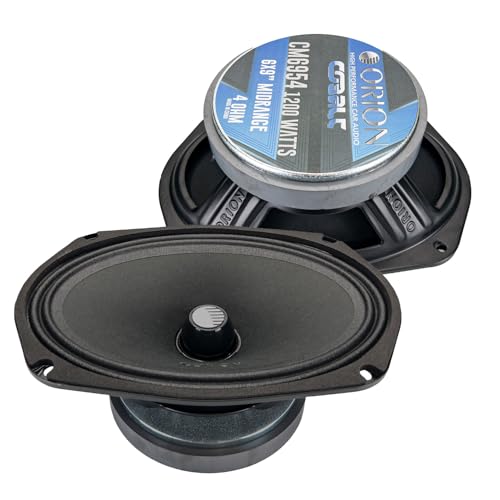


What Strong Competition Performance Looks Like at a Glance
Instead of chasing a single hero product, think in profiles. The right profile depends on your class rules, your amplifier, and how much tuning time you can honestly give the system each month.
The Balanced Profile
An overall competition profile balances clean output with tuning flexibility. Look for component speakers with a separate tweeter and woofer, an external crossover you can adjust, and continuous power handling that matches your amplifier output closely. Around $250 to $600 for a front component set is a common range here. The strength is control across the full range. The trade off is installation time, because tweeter placement and crossover settings need patience and repeated listening checks.
The Value Profile
A value profile spends money on the front stage first and keeps the rear simple. You get most of the scoring benefit from clear front vocals and stable imaging, so a solid front component or quality coaxial set under about $250 often beats spreading the same budget thinly across every door. Materials matter more than flashy extras at this level. Look for rigid cones, rubber surrounds, and honest RMS ratings. The limitation is headroom, so you must set gains carefully and avoid pushing volume past the clean range.
The Beginner Profile
If this is your first season, choose speakers that are forgiving to install and tune. High sensitivity matters because it lets modest amplifier power reach useful volume without strain. Simple crossovers, clear mounting hardware, and standard sizes reduce mistakes. Expect to spend around $100 to $250 and leave budget for sound deadening in the doors, which often improves results more than a small step up in speaker price. Your goal this season is a reliable baseline you can improve with tuning, not a complex build you cannot finish before an event.
How to Choose the Best Car Speakers: Buying Guide
Start with your competition class and scoring focus, then work backward to power, size, and materials. The sections below follow that order so each decision narrows the next one instead of creating conflicts you discover during installation.
Features That Matter for Competition
Competition listening rewards accuracy under pressure. Judges sit in the vehicle, play familiar tracks, and listen for tonal balance, image placement, and distortion at the stated volume. That means your speakers need low distortion drivers, crossovers that keep the tweeter protected, and enough cone area to handle dynamic peaks without strain. Silk or similar soft dome tweeters often sound smooth for long judging sessions, while treated paper or composite woofers tend to keep vocals natural. Note the exact crossover points and slopes in the manual so your tuning notes stay consistent between events.
Vehicle Compatibility
Confirm the speaker size, mounting depth, and cutout diameter for each location before you buy. A 6.5 inch speaker is common in front doors, but depth varies a lot between vehicles and a deep magnet can hit the window mechanism. Check the year, make, and trim, because factory amplified systems may use unusual impedance or active crossovers. Measure the space yourself with the door panel removed if possible. If you are also comparing general listening options, see our guide to the best sounding car speakers for how fit choices affect everyday sound.
Safety Features
Safe wiring protects both you and the equipment. Always disconnect the battery before wiring audio, use the correct fuse near the battery for amplifier power, and route cables away from sharp edges and moving pedals. Reverse polarity protection in related electronics and careful polarity checks on speaker leads prevent damage and phase problems. Never work on wiring with the system powered, and secure every loose cable so it cannot chafe. If you smell burning insulation or a fuse blows repeatedly, stop and have a qualified installer inspect the work before you power the system again.
Features and Extras
Useful extras support tuning and reliability. Bi amp capable crossovers, adjustable tweeter levels, and included mounting adapters save time and money. Grilles matter if speakers sit low in doors where feet strike them. Skip extras that add lights or decorative trim if they raise price without improving sound. Keep the manual, crossover settings sheet, and spare fuses in the vehicle during events. A small notebook for tuning changes is a practical extra too, because you can record what changed, when it changed, and how the score responded at the next event.
Build Quality and Weather Resistance
Doors are harsh places. Speakers face heat, cold, vibration, and moisture that runs down inside the door. Look for cones and surrounds that resist humidity, baskets that feel rigid, and terminals that grip wire firmly. Foam baffles or protective rings can shed water away from the cone, but leave drainage as the vehicle maker intended. Press the basket gently before installation. Flex or rattling hardware at this stage predicts buzzing later. Good build quality also shows in clean glue joints and centered voice coils with no scraping sound when you move the cone by hand very gently.
Performance Specs
Focus on RMS watts, which describe continuous power handling, and ignore inflated peak numbers when you compare sets. Match speaker RMS closely to amplifier RMS per channel so neither side is the weak link. Sensitivity, often stated as decibels at one watt, tells you how loud a speaker plays on modest power. Higher sensitivity helps factory or small amplifiers, while lower sensitivity sets often need a stronger amplifier to reach the same volume. Frequency response gives a rough range, but your crossover and subwoofer settings shape the final result far more in a real vehicle.
Warranty and Brand Support
Competition use pushes equipment hard, so warranty terms matter. Read what is covered, how long coverage lasts, and whether authorized installation is required. Keep receipts and serial numbers together. Good support also means replacement crossovers, grilles, and mounting parts stay available, and manuals with full specifications remain easy to find. Before an event, test every driver at moderate volume. A crackling tweeter found at home is a warranty conversation. The same failure found in the judging lane is a lost day and a score you cannot recover.
Types of Car Speakers
Most competition builds fall into a few broad types. Your class rules and budget usually point to one type quickly, and the comparison table above can help you confirm which type dominates at your price level.
Compact and Portable Options
In car audio this means compact coaxial speakers that fit shallow doors and tight factory locations. They combine woofer and tweeter in one unit, install quickly, and suit small vehicles or strict classes. You give up some control over tweeter placement and imaging. They fit listeners who need a tidy install with limited modification and who will spend their remaining time on basic tuning and door treatment rather than custom mounts.
Pro Grade Options
Pro grade options are component sets built for high output and detailed tuning, with strong motors, careful crossover parts, and materials chosen for repeated loud sessions. They reward a capable amplifier and a patient tuner. If you are comparing dedicated builds, see our guide to the best competition speakers for related class considerations. Costs rise, and so does installation complexity, so plan your time as carefully as your budget before committing to this route.
Budget and DIY Options
Budget and DIY options focus on honest basics. You install them yourself, set gains with care, and invest sweat instead of money in door deadening and sealing. The result can score respectably in entry classes. The risk is inconsistency, because small wiring or mounting mistakes have nowhere to hide. Work slowly, photograph factory wiring before you change it, and test each side before the panels go back on. That habit alone prevents most beginner faults.
Premium Options
Premium options add exotic cone materials, refined crossovers, and very tight manufacturing tolerances. The gains are real but smaller per dollar, and they only appear when the rest of the system is equally careful. Premium sets suit experienced competitors chasing final points in imaging and tonal accuracy. If your amplifier, installation, and tuning are still basic, fix those first. A premium speaker cannot correct a noisy install, and judges will hear the install problems long before they reward the finer driver details.
Setup and Care Tips
- Check your manual for specs first. Confirm impedance, RMS range, and crossover guidance before wiring so you never guess with power connected.
- Disconnect the battery before wiring audio. This simple step prevents shorts, blown fuses, and damaged electronics during every install or change.
- Set gains with a test tone and listen for strain. Raise volume slowly, stop at the first sign of harshness, and set your limit below that point.
- Seal and deaden the doors. Cover large access holes, secure loose trim, and add deadening around the speaker mount for cleaner midbass.
- Recheck fasteners after the first week. Vibration loosens screws, so a quick check keeps rattles from appearing during judging.
- Keep a tuning log. Write down crossover, equalizer, and time alignment changes so you can return to a known good setup quickly.
Bass support also shapes your score, so if your class allows a subwoofer, see our guide to the best sub speakers for car before you finalize crossover points. For a simpler daily system comparison, our guide to the best car stereo speakers covers the basics, and our guide to the best car radio speakers helps if you plan to keep a basic head unit in another vehicle.
FAQs
What features matter most in car speakers for competition?
Low distortion, honest RMS handling, and adjustable crossovers matter most. Judges reward balance and imaging, so driver quality and tuning control beat raw peak power claims. Also consider sensitivity for your amplifier size. A practical extra point is consistency between the left and right sets, so buy matched pairs and install both sides with the same care and materials.
How long do car speakers for competition last?
Well installed competition speakers often last five years or more, even with regular event use. Heat, moisture, and clipped amplifier signals shorten life far faster than age alone. Keep gains clean, keep doors drained and sealed correctly, and inspect surrounds each season for cracks. Replace damaged foam or rubber early before a small tear becomes a buzzing failure during judging.
Do I need professional installation for competition speakers?
You do not always need professional installation, but complex component sets benefit from it. A skilled installer handles tweeter aiming, crossover placement, and safe power wiring daily. If you install the set yourself, budget extra time for testing and panel refitting. Many competitors start with a self install for simple sets, then pay for professional tuning help once the hardware is in place and working safely.
What specs matter most for competition speakers?
RMS power handling, sensitivity, impedance, and frequency response matter most, in that order for most buyers. Match RMS to your amplifier, choose sensitivity that suits your power, and confirm impedance suits your wiring plan. Crossover slope also matters because it protects tweeters and shapes blending. Ignore a large peak power number on the box if the RMS figure is small or missing from the manual.
Will competition speakers fit my vehicle?
They will fit if the size, depth, and impedance match your factory locations and system. Measure mounting depth and check for window clearance, not just diameter. Some vehicles need adapter rings or minor trim work, which may affect your competition class rules. Confirm class limits on modification before cutting anything, because a speaker that fits physically can still break a rule you agreed to follow.
Our Verdict on Car Speakers for Competition
Choose by RMS match, fit, and tuning control first, and let price tier follow those decisions. Beginners should favor sensitivity and simple crossovers, while experienced competitors gain most from component quality and careful door work. Whichever route you take, the best car speakers for competition for you are the ones you can install safely, tune patiently, and compare honestly in the product table above before the next event. Compare the best car speakers for competition in the table above one last time before you order.