
Best Car Diagnostic Code Reader: A Buyer Checklist for 2026
Disclosure: We may earn a commission when you buy through links on this page, at no extra cost to you. As an Amazon Associate I earn from qualifying purchases. Learn more

Use this buying guide for the best car diagnostic code reader to compare compatibility, code coverage, live data, build quality, and value before you buy.
A check engine light tells you almost nothing on its own, and guessing at parts gets expensive fast. The right best car diagnostic code reader turns that warning light into a code, a plain language definition, and data you can act on before you call a shop. This guide gives you a checklist to judge any reader, so you can score models yourself instead of trusting marketing claims.
Work through the criteria below, compare your shortlist against the comparison table below, and you will know which features matter for your car and which ones only inflate the price. No single reader suits every driver, so match the tool to the vehicles you own and the repairs you realistically do yourself.
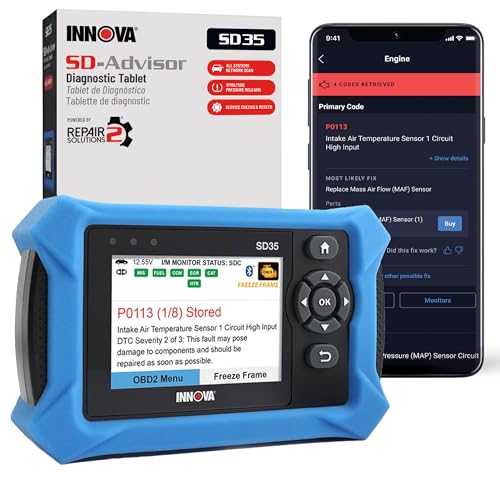


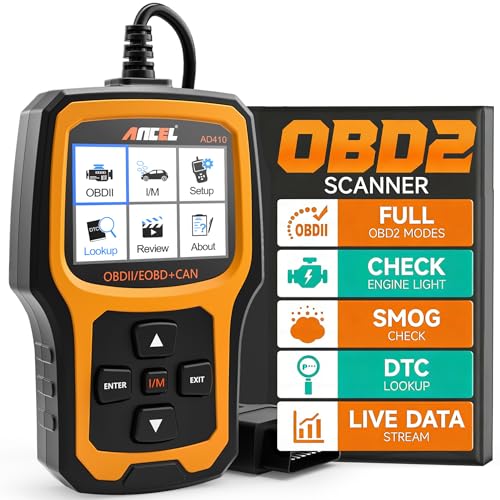
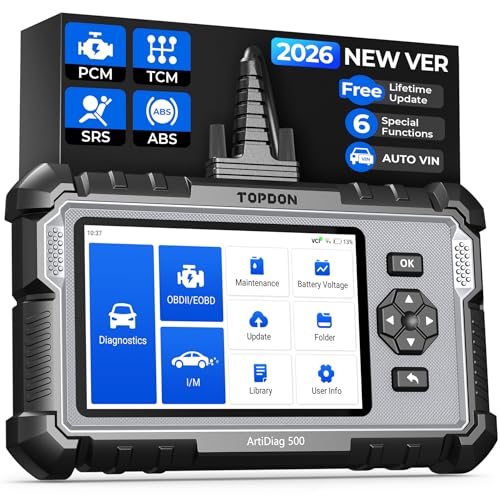
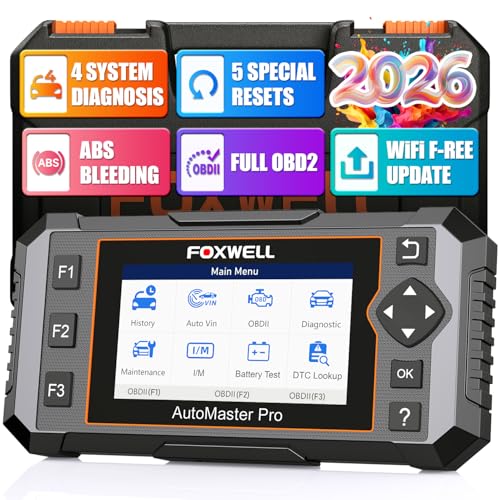
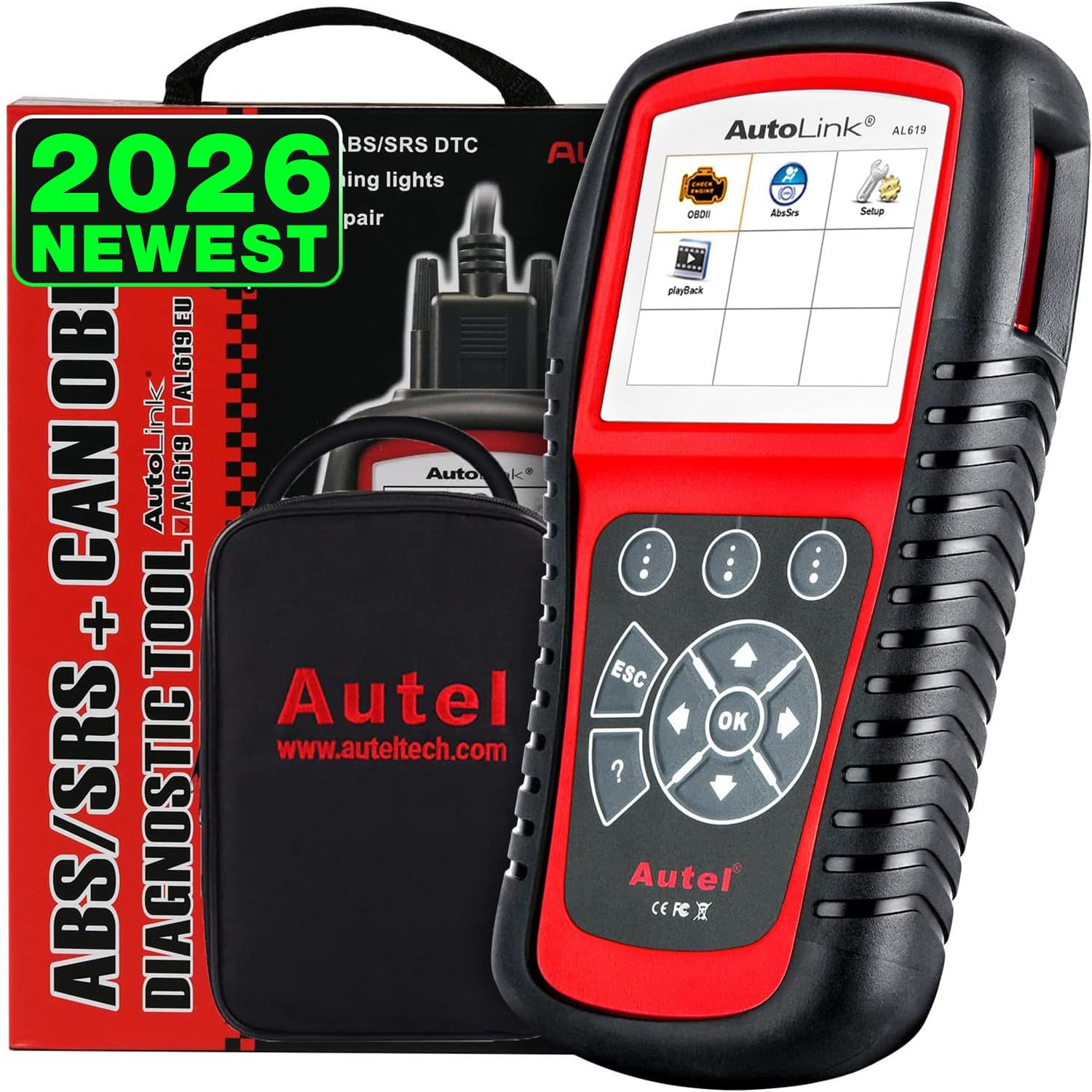
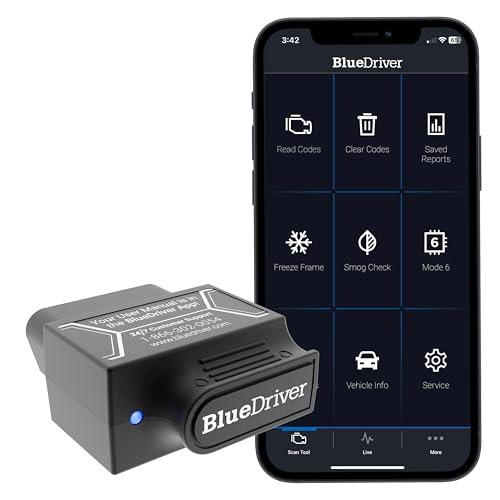
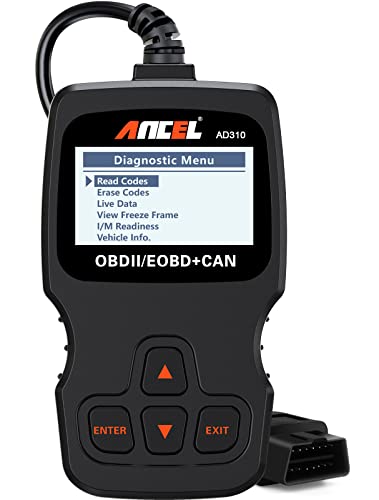
How to Evaluate Car Diagnostic Code Readers
A good reader passes six checks. For each one, this section explains what good looks like, what a weak version looks like, and the simple test you can run in the store listing or the manual before you spend money.
Vehicle Compatibility
Compatibility is the first pass or fail test. In the United States, cars and light trucks from 1996 onward use the OBD2 standard, and a good reader supports all five OBD2 protocols so it works across brands. Check the listing for your model year and engine type, because some diesel trucks and early hybrid models communicate differently. A reader that lists vague coverage such as works with most cars, with no year range or protocol list, is a weak sign. If you own two vehicles from different makers, confirm both appear in the coverage chart before you buy.
Ease of Installation
A code reader needs no real installation, and that is the point. You locate the OBD2 port, usually under the dash near the steering column, plug the connector in, and turn the ignition to on. Good readers are plug and play with a clear first screen in under a minute. Bluetooth models add one pairing step with your phone. If a listing describes tools, wiring changes, or a mechanic visit just to start scanning, walk away. Simple setup also means you will actually use the reader the moment a light appears, instead of leaving it in a drawer.
Performance Specs
For a reader, performance means how fast it connects, how many systems it can read, and whether it shows live data. A strong reader pulls engine codes in seconds, graphs sensor values such as oxygen sensor output and fuel trim, and runs readiness checks for emissions tests. Basic models read and clear engine codes only. If you want to diagnose an ABS or airbag light, you need a reader that names those systems in writing, because engine only tools cannot see them.
Warranty and Brand Support
Software support matters as much as the hardware. Cars change every model year, so look for free updates, and note whether updates arrive through WiFi, a USB cable, or a paid subscription after the first year. A one year warranty is a reasonable floor, and two years is better for a tool you may use only a few times a year. Check that the maker publishes a real support page, a searchable code library, and a way to ask a person a question. A reader with no update path slowly loses value as your next car gets newer than its database.
Safety Features
A reader draws power from the car and talks to its computers, so safe design matters. Look for a sturdy connector that seats fully without force, a cable or housing that keeps strain off the port, and clear warnings in the manual about scanning with the engine running. Good tools also protect against a loose connection corrupting a session, often by warning you when the link drops. You will see terms from electrical gear such as reverse polarity protection on some listings, but for a plug in reader the practical safety checks are a solid connector, intact insulation, and instructions you can follow without guesswork.
Build Quality and Weather Resistance
Garages are rough places, and readers get dropped on concrete, tossed in glove boxes, and used with greasy hands. A good housing feels dense, the buttons work with gloves on, and the screen stays readable under a shop light. Long cables should flex without kinking, and Bluetooth dongles should sit snug so a knee does not snap them off. Full waterproofing is rare and rarely needed, but a sealed case that shrugs off dust and a light splash will outlast an exposed design. Store the reader in its case and it should survive years of occasional use.
Three Price Tiers That Pass the Checklist
Instead of chasing a single winner, shop by tier. Each tier below describes what your money should buy, who it fits, and the one compromise you accept at that level.
The Overall Tier
The overall tier, usually about $100 to $250, fits owners who keep cars past 100,000 miles and want answers beyond the engine light. At this level you should expect ABS and airbag coverage, live data graphing, battery and charging checks on many models, and free or low cost updates. The strength is breadth, since one tool handles the family fleet and most warning lights you will ever see. The limitation is size and learning curve, because more menus take a weekend to explore. If you compare broader tools while you shop, our guide to the best car diagnostic reader explains how handheld units differ from phone based setups.
The Value Tier
The value tier, usually under $100, covers the core job well. Expect fast engine code reading, code definitions on screen, freeze frame data that shows speed and temperature when the fault set, and emissions readiness checks before an inspection. That is enough to confirm a loose gas cap, spot a failing sensor, and walk into a parts store with a code number in hand. The compromise is scope, since transmission, ABS, and airbag systems usually stay out of reach. For a simple second tool that lives in the glove box, value readers are hard to beat, and the best code reader guide covers the simplest versions of this idea.
The Premium Tier
The premium tier, often about $250 to $600, suits serious home mechanics and small fleet owners. You pay for coverage of nearly every system on the car, guided tests that command parts such as fans and pumps to run, service reset functions for oil and brakes, and large color screens with fast processors. Updates and support are usually stronger here too. The limitation is simple, you may never use half the functions, and some advanced features lock behind brand specific coverage. Buy this tier only when you already know which advanced job you need it for, not as insurance against problems you cannot name.
Quick Buyer Checklist
Answer these questions before you order. A no on the first three items means the reader is wrong for you no matter how good the price looks.
- Does the listing name your car year, make, and engine as covered?
- Does it support all OBD2 protocols rather than one or two?
- Can it read the systems you care about, engine only or also ABS and airbag?
- Does it show live data and freeze frame values, not just code numbers?
- Are software updates free, or is the yearly cost stated in plain sight?
- Is the warranty at least one year with a reachable support channel?
- Can you read the screen and work the buttons with gloves on?
- Does the return window let you test it on your own car first?
Red Flags to Watch For
Weak readers share a pattern, and you can spot most of it from the listing alone. Vague specs that promise professional results with no list of systems or protocols should end your interest. Missing update information is another warning, since an outdated code database misleads you. Watch for listings with no stated warranty, reviews that repeat the same phrases, and claims that a basic engine reader can fix or reprogram modules, which it cannot. Finally, be wary of required paid apps that the listing mentions only in fine print. Readers sold under names close to this category can look alike, so the best diagnostic code reader guide is a useful cross check on what honest spec sheets include.
Tips to Get the Most From Your Car Diagnostic Code Reader
Start with your owner manual, which shows the port location and the fuse that protects it if a scan will not power up. Write down every code and the freeze frame values before you clear anything, because clearing erases the evidence a mechanic would want. Fix the cause first and clear codes only after the repair, then drive a few days to confirm the light stays off. Keep the reader in a dry case, update its software once or twice a year, and rescan after any warning light even if the car feels fine. If a code points to a safety system such as brakes or airbags, treat the repair as a job for a qualified technician.
Frequently Asked Questions
How long does a car diagnostic code reader last?
The hardware usually lasts many years because it has few moving parts and lives in a case between uses. What ages first is the software database, so a reader with free updates stays useful far longer than one frozen at purchase. Expect the tool to serve through several cars if you update it yearly and store it away from heat and moisture.
Does a car diagnostic code reader need professional installation?
No, a code reader needs no professional installation at all. You plug it into the OBD2 port under the dash, turn the ignition on, and follow the on screen prompts. The whole first scan takes a few minutes. The only exception is a permanent Bluetooth dongle you plan to leave plugged in, and even that is a simple plug in step you do yourself.
Will a car diagnostic code reader fit my vehicle?
It will fit if your vehicle has an OBD2 port, which covers gasoline cars from 1996 onward and diesel models a few years later in the United States. The connector shape is standard, so fit is rarely the issue. Coverage is the real question, so confirm your exact year and engine in the maker chart, especially for hybrid and electric models that add extra systems.
What specs matter most in a car diagnostic code reader?
System coverage matters most, followed by live data and update policy. A reader that covers only the engine answers fewer questions than one that also reads ABS, airbag, and transmission data. Live data graphing helps you confirm a sensor is failing instead of guessing from a code alone. If you are weighing this category against simpler options, the best car code readers guide shows what the most basic tools leave out.
Final Thoughts
Compatibility, system coverage, and a clear update path decide whether a reader helps you for a decade or disappoints you in a month. Match the tier to the work you actually do, run the checklist against your own car, and let the product table above confirm prices and coverage side by side. Chosen that way, the best car diagnostic code reader becomes the tool that turns a worrying dashboard light into a calm, informed decision.


