Best Car Diagnostic Tools: Types, Features and Costs for 2026
Disclosure: We may earn a commission when you buy through links on this page, at no extra cost to you. As an Amazon Associate I earn from qualifying purchases. Learn more

Compare the best car diagnostic tools by type, vehicle coverage, live data and cost, so a dashboard warning light becomes a clear next step and not a guess.
A warning light on the dash is a question, and a diagnostic tool is how you get the first part of the answer. Choosing the best car diagnostic tool comes down to how much you want to know: a plain code and a short description, live sensor readings, or access to brakes, airbags, and transmission as well. The product table above lines up the common types so you can compare them quickly.
This guide explains what each type does, which features are worth paying for, and how to avoid the mistakes that waste money. One point applies to every tool: a code names the system that reported a fault, not always the part that failed, so treat it as the start of a diagnosis.


Best Car Diagnostic Tools by Type
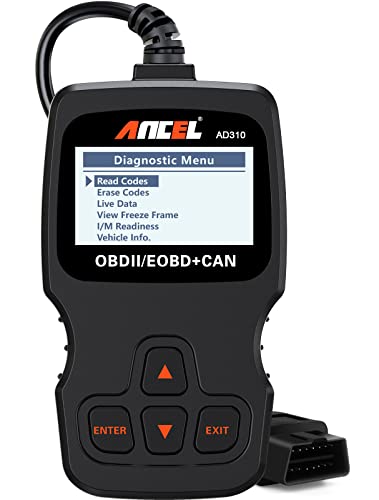
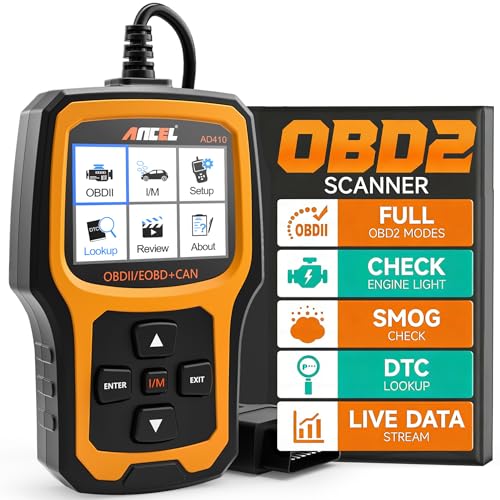
Handheld code readers plug into the diagnostic port under the dashboard, read and clear engine codes, and show a short definition on a built in screen. They need no phone and no account, and they suit owners who want to know why the check engine light came on before visiting a shop.
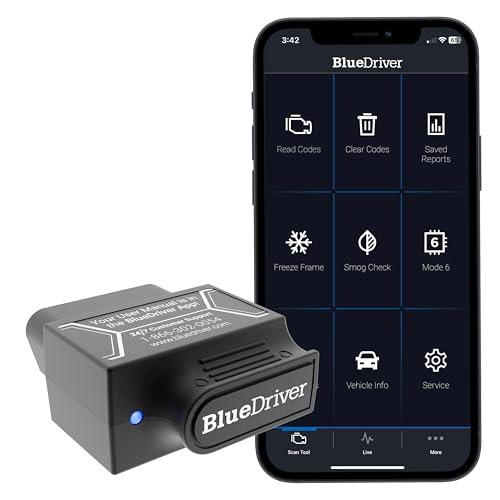
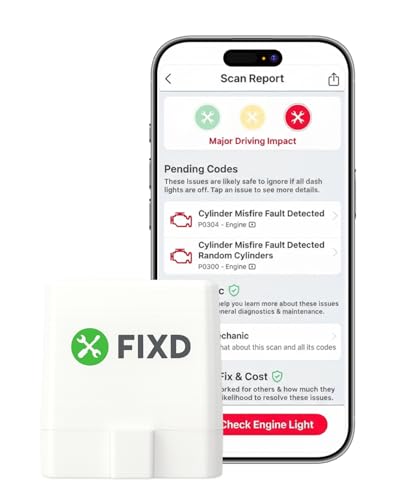
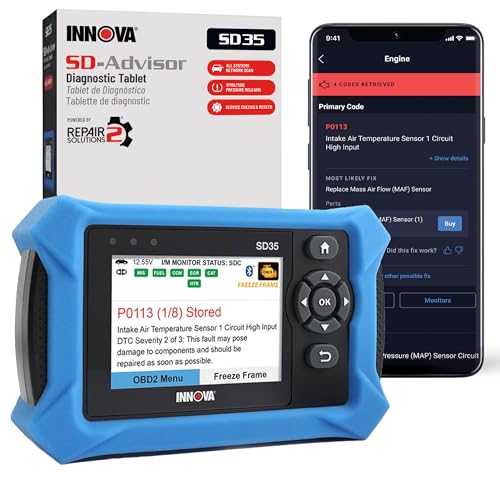
Bluetooth adapters are small plugs with no screen. They send data to an app on your phone, which displays live readings, saves reports, and often explains each code in plain language. Some apps charge a yearly fee for the deeper features, so read the terms before buying.
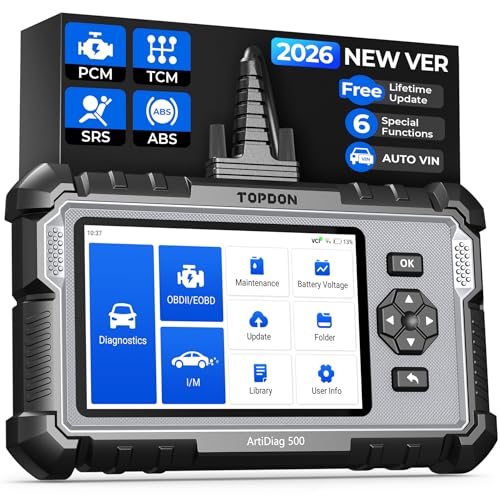
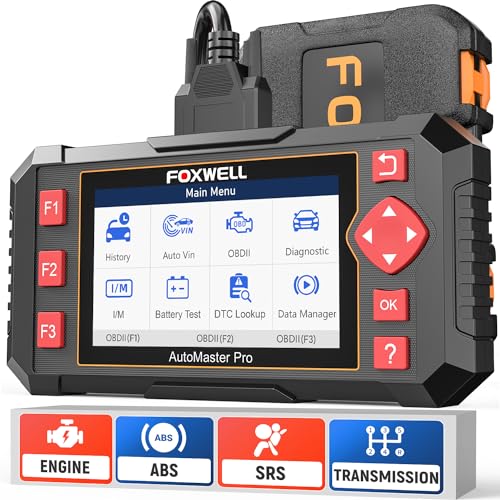
Full scan tools reach more systems, including ABS, airbags, and transmissions, and the top models can run guided tests and service resets. They cost more and suit home mechanics who maintain several cars or do their own brake and suspension work.
Features Worth Comparing
Vehicle Coverage
Every car sold in the United States since 1996 uses the same diagnostic port and basic engine codes, so most tools work with most cars at that level. Coverage of other systems varies by brand and model year, so check the maker's list for your exact car before paying for features it cannot use.
Live Data and Freeze Frame
Live data shows sensor values such as temperatures and fuel trims while the engine runs, which helps separate a failing sensor from a one time glitch. Freeze frame data is the snapshot the car saved when the fault set, including speed and temperature. Both turn a code number into something you can reason about.
Readiness Checks
Readiness monitors show whether the car has finished its self tests since the last time codes were cleared. They matter before an emissions inspection, because a freshly cleared car can fail for being untested rather than faulty.
Updates and Support
Tools age through software. Check whether updates are free, how they are delivered, and how long the maker supports the model. A tool that stops updating loses coverage for newer cars year by year.
Screen and Build
A readable screen, firm buttons, and a sturdy connector matter when you work in a dim garage. A cable that is long enough to reach the driver seat and flexes without kinking will last far longer than a stiff one.
How Much to Spend
Basic readers cost roughly $20 to $60, Bluetooth adapters about $15 to $140 depending on the app and brand, and full scan tools from around $150 up to several hundred dollars. For most owners, a mid priced reader or a well reviewed Bluetooth adapter covers the jobs they will actually do. Pay more only for a named need, such as ABS diagnosis on a car you repair yourself.
Using a Diagnostic Tool Safely
Find the port, usually under the dashboard on the driver side, and plug the connector in firmly before turning the ignition on. Write down every code and the freeze frame values before clearing anything, because clearing erases the evidence a mechanic would want. Never use the tool while driving, and leave brake, airbag, and steering faults to a qualified technician.
Common Mistakes to Avoid
- Clearing a code before recording it, which removes the history needed to trace an intermittent fault.
- Buying on price alone and ending up with narrow coverage for your car brand.
- Replacing a part just because a code mentions it, without checking wiring and connectors first.
- Clearing codes right before an emissions test, which resets the readiness monitors.
- Leaving a cheap adapter plugged in for weeks, where some models slowly drain a parked car battery.
Related Guides
For more depth on a specific type, see our guides to the best diagnostic tool for cars, the best car diagnostic scanner, and the best car diagnostic reader. If you prefer a computer or a phone, our guides to the best car diagnostic software and the best car diagnostic app cover those routes.
Frequently Asked Questions
Where is the diagnostic port in my car?
It is usually under the dashboard on the driver side, near the steering column. Your owner's manual shows the exact location if it is hidden behind a panel.
Will a diagnostic tool tell me which part to replace?
Not by itself. A code names the system or circuit that reported a problem, and several different faults can set the same code. Use the code and the live readings to decide what to test first.
Is an expensive diagnostic tool worth it?
Only if you will use the extra systems and service functions. For one warning light a year, a basic reader gives the same answer for far less money.
Do I need professional installation?
No. A diagnostic tool plugs into the port and draws power from the car, so there is nothing to install. The skill lies in reading the results calmly.
Can a diagnostic tool damage my car?
A reader that only reads and clears codes is low risk when used as directed. Avoid unlabeled tools that claim to reprogram modules, and never interrupt a software update halfway.
Final Thoughts
Pick the type by the questions you ask: a handheld reader for warning lights, a Bluetooth adapter if you like a phone dashboard, a full scan tool for deeper work. Check coverage for your car, compare the picks in the product table above, and the best car diagnostic tool for you will pay for itself the first time it turns a warning light into a clear plan.