
Best Automotive Diagnostic Code Reader of 2026: Complete Buying Guide
Disclosure: We may earn a commission when you buy through links on this page, at no extra cost to you. As an Amazon Associate I earn from qualifying purchases. Learn more

Learn how to choose the best automotive diagnostic code reader with guidance on OBD2 compatibility, live data, code clearing, screen quality, and updates.
A warning light on the dash tells you a system needs attention, but it does not tell you which part, how urgent the fault is, or whether a simple fix will clear it. A code reader turns that light into a code and a plain description you can act on. If you are choosing a best automotive diagnostic code reader, use the comparison table below to check compatibility and functions, then read this guide to match the tool to your vehicles.
The right reader saves a trip for a simple scan and helps you speak clearly with a shop when a repair is beyond home tools. The wrong reader may not talk to your vehicle at all, or may read engine codes while missing the brake or airbag system you actually need.
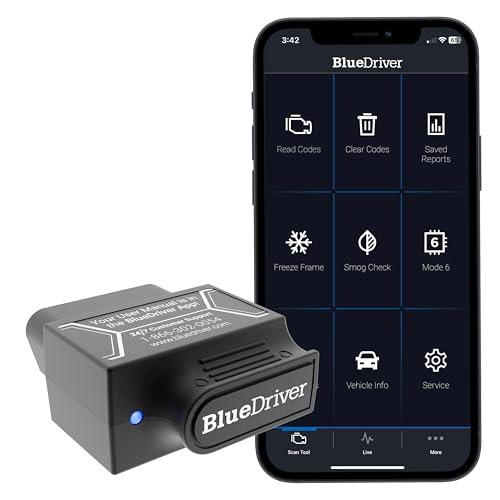

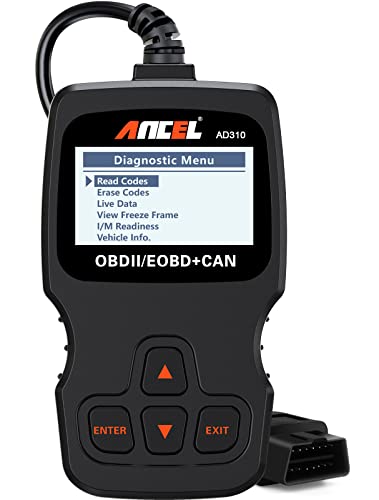
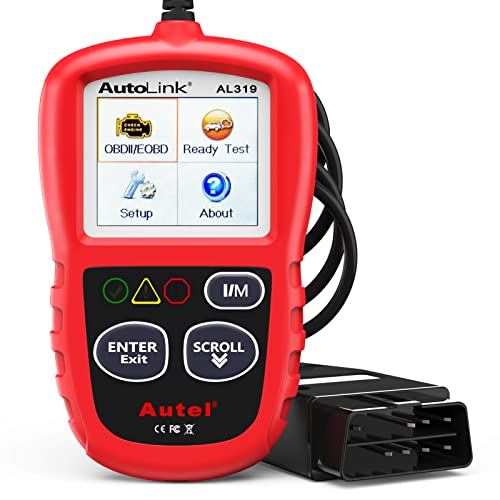
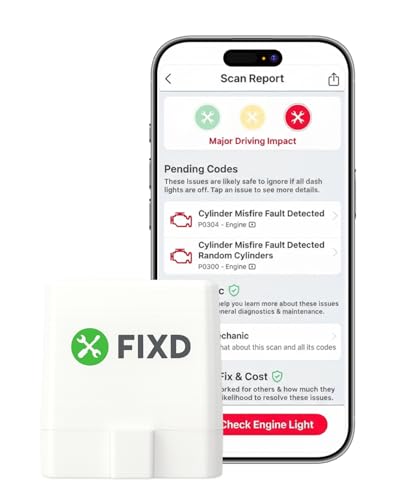
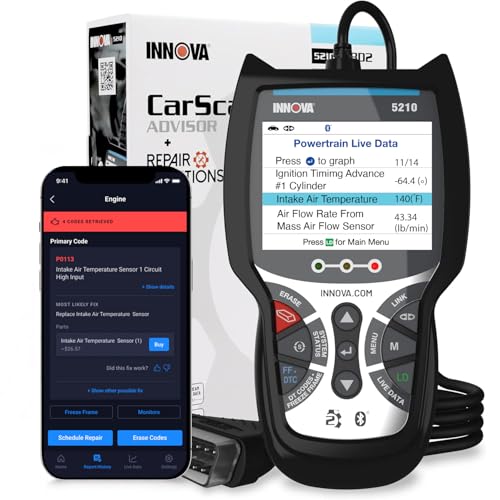

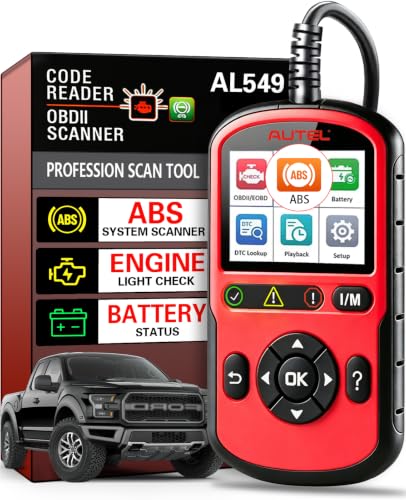
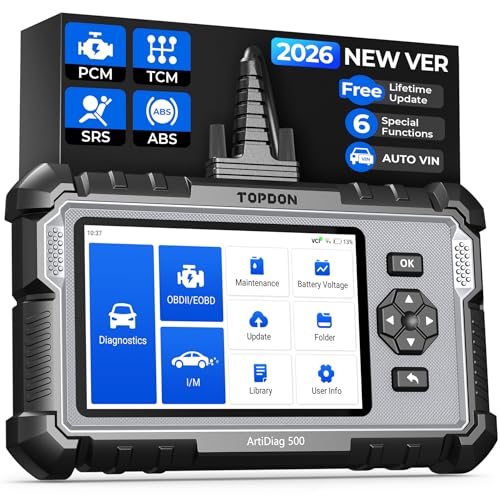

Three Reader Profiles Worth Knowing
Instead of naming specific models, this section describes three reader profiles worth buying. Match any tool in the product table above to one profile and you will know if its price fits its ability.
The All Round Profile
The best overall profile reads and clears engine codes, shows live sensor data, displays freeze frame data from the moment a fault was stored, and checks emissions readiness. A color screen, clear menus, and free software updates add daily ease. Its limitation is scope, because even a strong general reader may not cover every brand specific system. This profile suits owners who maintain two or more vehicles and want one tool that handles most home diagnosis well.
The Value Profile
The best value profile covers the core jobs at a lower price, usually around $30 to $80. Expect engine code reading and clearing, readiness status, and basic live data in text form. You may give up a large screen, bidirectional tests, and coverage for brakes, airbags, and transmissions. That trade is fair if your goal is to understand a check engine light before a shop visit. Value rises sharply when updates are free and the code library is built into the tool.
The Beginner Profile
A beginner friendly profile puts clarity ahead of depth. Look for a large screen, plain language code definitions on the device, one touch readiness checks, and a cable long enough to sit in the driver seat while connected. App based readers can also suit beginners if the app is stable and does not hide basic codes behind a subscription. Avoid tools that only show a code number with no description, because looking up every code on a phone slows the whole job.
How to Choose the Best Automotive Diagnostic Code Readers: Buying Guide
Diagnosis quality depends on compatibility first and features second. A reader with advanced graphs is useless if it cannot use the protocols on your vehicle or the systems you need to inspect.
Vehicle Compatibility
Most cars and light trucks sold in the United States from 1996 onward use OBD2, but protocol details and system coverage still vary by year, make, and model. Confirm your vehicle year and fuel type against the listing, and check whether diesel, hybrid, and electric models are supported if they apply to you. European and Asian brands may need brand specific coverage for full system scans. Write down every vehicle you plan to use the tool on and verify each one, not just the newest.
Safety Features
Safe use starts with the vehicle parked, the parking brake set, and the engine in the state the tool instructs. Keep the cable clear of fans, belts, and pedals, and never drive while watching live data on a handheld screen. If a friend records data, the driver should keep eyes on the road. Judge a reader on secure connectors, stable power draw from the OBD2 port, and clear on screen warnings.
Performance Specs
For a code reader, performance means scan speed, code library depth, and data detail. Look for live data refresh that is fast enough to watch oxygen sensor or fuel trim changes, graphing for at least key values, and freeze frame capture. A reader that shows only codes helps with simple faults, while one that shows live data helps you confirm whether a sensor reading is plausible before you buy parts.
Features and Extras
Useful extras include emissions readiness with clear pass and incomplete status, battery voltage display, printable or savable reports, and multilingual menus if your household needs them. Bluetooth readers add phone based reports and easy sharing, but they depend on app quality and phone battery. Handheld tools with a built in screen work even when your phone is busy or has no signal in a garage. LED work lights and power bank functions are minor bonuses and should never outweigh scan coverage.
Warranty and Brand Support
Support matters because vehicle coverage changes as new models arrive. Prefer brands that publish update files, compatibility lists, and clear contact routes. A warranty of at least one year is a sensible floor, and longer support for software is often more valuable than hardware cover alone. Check whether updates need a Windows computer, a Mac, or only WiFi, and whether your home computer matches. If updates require a paid subscription after a trial, add that fee to the true purchase price before comparing tools.
Ease of Installation
A good reader is plug and play in the true sense. You locate the OBD2 port, usually under the dash near the driver, plug in with the ignition in the stated position, and follow the menu. No wiring, no battery disconnection, and no professional installation should be needed for a standard reader. If a tool asks for complex setup or vehicle coding, it has moved beyond a basic reader into specialist territory.
As you narrow choices, compare system coverage directly. Our guide to the best diagnostic code reader range explains general diagnostic depth, while our guide to the best car diagnostic code reader tools focuses on car specific use. That comparison helps you see whether a general reader will cover the brake, airbag, and transmission systems on your model.
Types of Automotive Diagnostic Code Readers
Readers fall into broad types by cost and connection style. Knowing the type prevents you from paying for professional functions you will never open, or buying a toy tool for a serious fault.
Premium Options
Premium options add full system scans, service resets for oil, brakes, and steering systems on supported models, and sometimes bidirectional control that can command a component to test it. They suit experienced home mechanics who work on several brands and understand how to interpret results safely. The downsides are price, steeper learning, and update fees on some platforms. Premium power without training can mislead, because a code points to a circuit or condition, not always to a failed part.
Budget/DIY Options
Budget and DIY options focus on engine codes, readiness, and basic live data at prices often under $100. They suit owners who want to know why a warning light appeared and whether the fault returns after a repair. The limit is system scope, because brakes, airbags, and many body systems may be invisible. For a simple and honest job description, this type is often the best starting point. See our guide to the best code reader basics if you only need this level.
Compact/Portable Options
Compact and portable options include small handheld units and Bluetooth adapters that stay in the glove box. They are ideal for travel, used car checks, and quick scans at a seller location with permission. Screens are small or phone based, and cables may be short. Their strength is availability, because a tool you carry is the tool you use. If you keep one in each vehicle, choose a model that needs no internal battery charging and stores safely in heat and cold.
Setup and Care Tips
Correct setup gives trustworthy results. A loose plug or low vehicle battery can create false codes and wasted parts spending.
- Check your owner manual for the port location and any maker notes, and confirm the vehicle uses OBD2 before you buy.
- Park on level ground, set the parking brake, and follow the tool prompt for ignition on or engine running for each test.
- Record codes and freeze frame data before you clear anything, because clearing erases clues a shop may need.
- Fix the cause before clearing a code for a final check, then drive through varied conditions so readiness monitors can run.
- Keep the connector clean and dry, coil the cable loosely, and store the reader away from heat and moisture.
- Update the tool software on schedule, and recheck compatibility after you change vehicles.
Practical know how prevents the most common error, which is replacing a part named in a code description without testing the circuit. A code for a sensor range problem can come from wiring, a vacuum leak, or low voltage rather than the sensor itself. Use live data, inspect connectors for corrosion, and check battery health first. If braking, steering, or airbag warnings are involved, treat the vehicle as a safety case and use a qualified shop promptly. For a wider view of vehicle focused tools, our guide to the best vehicle code reader options covers truck and mixed fleet needs.
Automotive Diagnostic Code Readers: Your Questions Answered
Will it fit my vehicle?
It will fit if your vehicle has an OBD2 port and the reader supports its protocol and the systems you need. Most United States gasoline vehicles from 1996 onward qualify for engine scans, but full system coverage varies by brand and year. Check the compatibility list for your exact model and trim, including diesel or hybrid variants. If a seller list is vague, contact support with your vehicle identification details before buying.
How long does it last?
A handheld reader can last many years because it has few moving parts and draws power from the vehicle. Its useful life is limited more by software support and new vehicle coverage than by hardware wear. Bluetooth adapters last as long as their apps are maintained. Store the cable without sharp bends, keep the screen out of prolonged sun, and update software while support is active to extend value.
What specs matter most?
Compatibility, system coverage, and live data quality matter most, in that order. After those, look at code definitions on the device, readiness display, update cost, and screen clarity in garage light. Graphing helps with intermittent faults, and report saving helps when you share findings with a shop. A short feature list that matches your vehicle beats a long list built for other cars.
Do I need professional installation?
No, a standard code reader needs no professional installation and no wiring changes. You plug it into the OBD2 port and follow the prompts, then unplug it when done. Professional help is for interpreting complex faults and for repairs, not for connecting the tool. If a fault involves brakes, steering, fuel leaks, or high voltage hybrid systems, stop home diagnosis and book a qualified technician for safety.
The Bottom Line
Choose compatibility first, then system coverage, then live data quality, and you will avoid most bad purchases in this category. Keep your first scan records, resist clearing codes before you note them, and let the data guide parts decisions. Return to the product table above for a final comparison, and select the best automotive diagnostic code reader that covers your vehicles and your skill level honestly.


