
Best Car Diagnostic Reader: A Buyer Checklist for 2026
Disclosure: We may earn a commission when you buy through links on this page, at no extra cost to you. As an Amazon Associate I earn from qualifying purchases. Learn more
Compare the best car diagnostic reader options with a clear checklist on features, ease of use, durability, warranty support, and value before you spend.
A warning light on the dash creates two bad options, pay a shop just to hear the code, or guess and hope. A best car diagnostic reader gives you a third option, reading the fault yourself in minutes and deciding what happens next with real information. This guide is a checklist, not a sales pitch, built to help you judge any reader against the same fair set of criteria.
Score each model on use case, performance, safety, support, ease of use, value, and build. Then check your finalists in the comparison table below and pick the reader that fits the cars in your driveway and the jobs you actually do.



How to Evaluate Car Diagnostic Readers
Seven criteria separate a reader you will trust for years from one that frustrates you on the first scan. Each section below states a clear good and poor threshold so you can grade listings on your own.
Intended Use and Who It Is For
Start with the driver, not the device. A commuter who only wants to know why the check engine light came on needs engine codes and plain definitions. A parent running two aging family cars benefits from battery tests and emissions readiness checks. A hobbyist restoring an older truck needs coverage of ABS, airbag, and transmission systems. Write down the two or three jobs you expect in the next year, then reject any reader that cannot do them, no matter how impressive its extra features sound. Tools bought for imaginary jobs end up unused.
Key Performance Specs
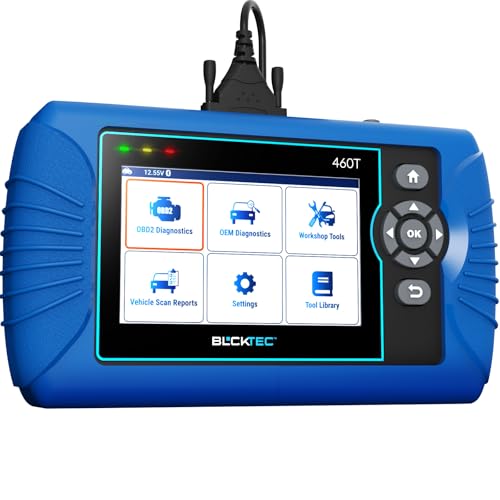
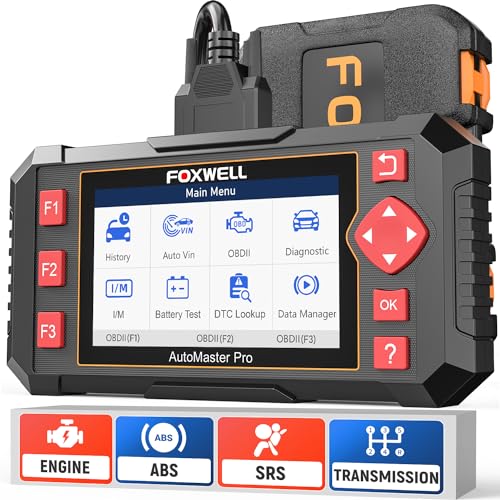
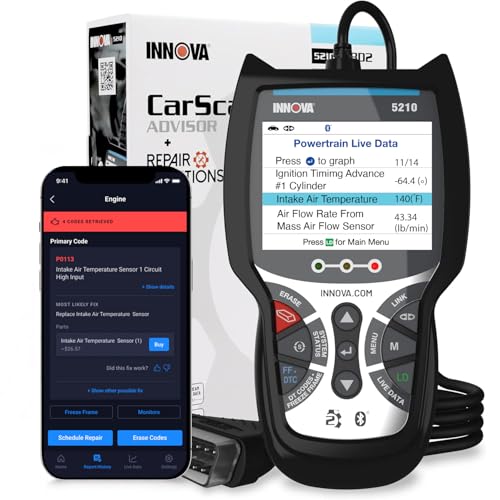
For this category, performance means scan speed, system coverage, and data depth. A good reader connects in seconds, reads engine codes with definitions on the device, and shows live sensor values you can graph or record. Stronger models add bidirectional tests on premium versions, but the everyday threshold is simpler, codes plus freeze frame plus live data. If a listing hides which systems it reads behind words like full function, treat that as poor performance until the maker names the systems in a chart you can check against your car.
Safety and Certifications
A reader works inches from the car main computer, so it should never be able to harm the vehicle when used as directed. Look for clear statements that the tool reads data and clears codes without rewriting module software, unless it is a clearly labeled professional unit. Reputable makers state the standards their electronics meet and print warnings about scanning with a weak battery, which can cause false codes. Avoid no name units with no manual, no stated standards, and instructions that encourage clearing codes before an emissions test to hide a fault, which is both dishonest and likely to fail the test anyway.
Warranty and Customer Support
Judge support before you need it. One year of warranty coverage is the minimum worth accepting, and the best brands in this space offer longer terms plus free software updates for the life of the tool. Check whether updates need a computer, a phone app, or WiFi built into the device, and pick the method you will actually use. Search the maker site for a code lookup library and a contact route that reaches a person. If owners report that support never answers, believe them and move on, because a reader without updates falls behind with every new model year.
Ease of Use and Setup
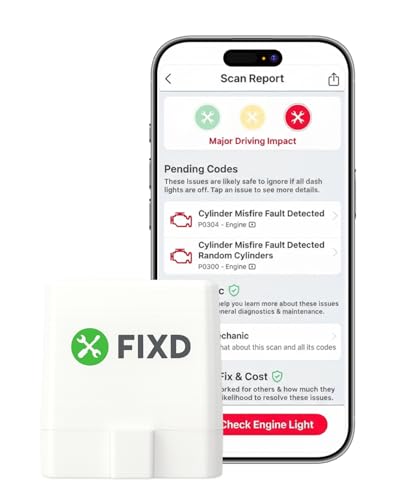
The best reader is the one you can run half asleep in a cold garage. That means a bright screen you can read at an angle, buttons or a touch layout that works with gloves, and menus written in plain words instead of codes about codes. Setup should take minutes, plug in, power on, select your car, scan. Phone based readers trade the built in screen for an app, which suits some drivers and annoys others who dislike pairing steps. Either design can pass this test, but a reader that needs an account, a subscription, and three updates before its first scan does not.
Price vs Value
Think in three bands. Budget readers at about $25 to $60 read and clear engine codes and check emissions readiness, which covers the most common light on the dash. Mid range readers at about $60 to $200 add live data, battery checks, and often ABS coverage, the sweet spot for most owners. Premium readers above about $200 reach nearly every system and add service functions. Value is not the lowest price, it is the lowest band that does your stated jobs without a paid subscription surprise later. The best car diagnostic code reader guide breaks down a similar checklist focused only on code reading depth.
Build Quality and Materials
Hold the tool to a simple standard, it should survive being dropped from seat height onto concrete once, because that will happen. Dense plastic housings, rubber corner guards, and a cable with flexible strain relief all signal care. Screens should sit slightly recessed so a fall lands on the frame, not the glass. Compact Bluetooth plugs need a firm grip ridge so you can pull them out without pliers. A soft case is a small detail that protects the screen in a crowded glove box and costs the maker little, so its absence hints at corner cutting elsewhere too.
Three Price Tiers That Pass the Checklist
Use the tiers below as buying profiles rather than product names. Any model that matches a profile and passes the criteria above deserves a place on your shortlist.
The Overall Tier
For most households the overall tier sits in the mid range, around $100 to $200. You should get engine, ABS, and airbag coverage on common brands, live data with graphing, battery health checks, and free updates through WiFi or USB. This tier fits drivers who keep cars a long time and want one tool for the whole fleet. Its strength is balance, deep enough for real diagnosis yet simple enough for a first scan in week one. The trade off is that brand specific tricks, such as electronic parking brake service, may still need a higher tier or a shop visit.
The Value Tier
The value tier, around $30 to $80, is the glove box reader. It reads engine codes fast, explains them in plain language, checks whether your car is ready for an emissions inspection, and clears the light after a repair you have verified. For a driver whose only goal is to avoid paying a diagnostic fee for a loose fuel cap or a tired oxygen sensor, that is the whole job done well. The limitation is real, no ABS or airbag access, and usually a small screen. If your needs grow later, this tier still earns its keep as a backup in a second car, a role the best car code readers page explores in more depth.
The Premium Tier
Premium readers, about $250 and up, target owners who do their own repairs and want shop level reach at home. Expect coverage across nearly all systems, guided component tests, service resets for oil, brakes, and steering angle, plus fast processors and large displays. Support and update programs are usually strongest here, which matters when your car is newer. The drawback is cost paired with complexity, and a few functions may still vary by brand. Buy premium when you can name the advanced jobs waiting in your garage, not for peace of mind alone. Drivers comparing full shop tools can also read our guide to the best diagnostic tool for cars for the wider category.
Quick Buyer Checklist
Run these yes or no questions against any listing. The more honest yes answers, the safer the purchase.
- Does it name the systems it reads for your exact car brand?
- Can it show live data and freeze frame values, not just code numbers?
- Is the update method and cost stated clearly before you buy?
- Does the warranty run at least one full year?
- Can you complete a first scan in a few minutes without an account?
- Is the screen readable outdoors and usable with gloves?
- Does the price band match the jobs you listed, with no forced subscription?
Red Flags to Watch For
Put a reader back when the listing promises dealer level results for the price of lunch but never lists supported systems. Treat reviews that all appeared in the same week, praise the same minor feature, and mention no limits as a warning sign. A warranty measured in weeks, a maker with no website, and claims that the tool can reprogram keys or modules at a budget price all point the same way. One more flag is a required app with poor ratings and in app charges, because the hardware is useless without it. For a wider view of what honest listings disclose, see the best car diagnostic overview before you commit.
Tips to Get the Most From Your Car Diagnostic Reader
Read the manual before the first use, especially the part about ignition position, since scanning with the wrong key state returns nonsense. Photograph or write down codes and live values before clearing anything, then repair, clear, and drive through a few trips so the car can run its self checks again. Inspect the connector pins each season, wipe the housing with a dry cloth, and store the reader in its case in a dry place away from trunk heat. Update the software twice a year so new code definitions are ready when you need them.
Car Diagnostic Readers: Your Questions Answered
How long does a car diagnostic reader last?
Most readers last five years or more because scanning is light work with no wear parts. The screen, cable, and connector are the weak points, so careful storage stretches the life a lot. Software support usually ends before the hardware fails, which is why brands with long update programs deliver better real lifespan. A reader you update and store in its case will likely outlast the car you bought it for.
What features matter most when buying a car diagnostic reader?
System coverage matters most, because a reader cannot report on a system it cannot reach. Next comes live data, which lets you watch a sensor behave instead of trusting a single code. Update policy ranks third, since fresh definitions keep results accurate. Screen clarity and glove friendly controls sound minor until you are scanning in a dark driveway in January, so weigh those too if you will use the tool outdoors.
Are expensive car diagnostic readers worth it?
They are worth it only when you use the added systems and service functions they unlock. A driver who pays for one brake job diagnosis a year can justify a premium reader quickly, while a driver who scans once every two years cannot. Match the purchase to your repair habits, not your anxiety. If you farm out all repairs, a value tier reader plus a trusted mechanic gives you the same information for far less money.
How much should I spend on a car diagnostic reader?
Most owners land well between about $50 and $150. That range buys live data, plain language definitions, and at least some coverage beyond the engine. Spend less if you only want to identify a check engine code before visiting a shop. Spend more only for named needs, such as ABS diagnosis on a car you maintain yourself. Remember to count any subscription cost across three years, since a cheap reader with yearly fees can pass a mid range tool in total cost.
How do I maintain a car diagnostic reader?
Maintenance is mostly storage and updates. Keep the reader in its case, away from moisture and extreme heat, and coil the cable loosely instead of wrapping it tight around the housing. Check the connector for bent pins before each use and clean contacts gently with a dry cloth if scans become unreliable. Install software updates when offered, and keep the phone app current if your reader uses one, since app and firmware versions need to match.
The Bottom Line
Judge every reader by your stated jobs, its real system coverage, and the support standing behind it, and price will sort itself into the right band. Compare your finalists in the product table above, favor the tool you will understand at a glance, and you will own a best car diagnostic reader that earns its place in the glove box for years.


