Best Car Covers: Types Compared and How to Choose
Disclosure: We may earn a commission when you buy through links on this page, at no extra cost to you. As an Amazon Associate I earn from qualifying purchases. Learn more
The best car covers by type: windshield, universal, custom fit and heavy duty covers compared for every climate.
A car cover protects paint, trim and interiors from sun, rain, snow, bird droppings, tree sap, dust and scratches, which matters most for cars parked outside, classic cars and vehicles that sit unused for weeks. But car covers range from a simple windshield cover that keeps ice off the glass to multi layer waterproof covers, custom fit covers made for one model and full enclosed covers that wrap the whole car. This guide to the best car covers compares each type side by side, so you can choose the right cover for your car, climate and budget.
We cover the main types, how windshield covers and full covers compare, how to choose, care tips and common questions. Every cover in the table above is sold new on Amazon US. Only put a cover on a clean, dry car to avoid scratching the paint, and secure covers well in windy weather.





Types of Car Covers Compared
The main types of car covers are windshield and partial covers, universal fit full covers, custom fit covers and heavy duty multi layer covers. Windshield covers suit daily drivers in snowy or sunny climates, universal covers suit budget buyers with common sedans and SUVs, custom fit covers suit owners who want a snug, tailored fit and heavy duty covers suit cars parked outdoors in harsh weather.
| Type | Best For | Pros | Cons | Typical Price |
|---|---|---|---|---|
| Windshield / partial cover | Daily drivers, ice and sun | Fast on and off, compact | Protects glass only | around $24 to $30 |
| Universal fit full cover | Common sedans and SUVs | Affordable, wide fit | Looser fit | around $75 to $85 |
| Custom fit cover | Specific models | Snug fit, mirror pockets | Fits one model only | around $75 to $80 |
| Heavy duty / enclosed cover | Harsh weather, long storage | Multi layer, full protection | Bulky, higher price | around $80 to $120 |
Start by thinking about where your car spends most of its time. A car in a garage needs dust protection, a car on a driveway needs sun and rain protection and a car stored outdoors for months needs the heaviest, best secured cover you can manage.
Compact/Portable Options: Windshield Covers
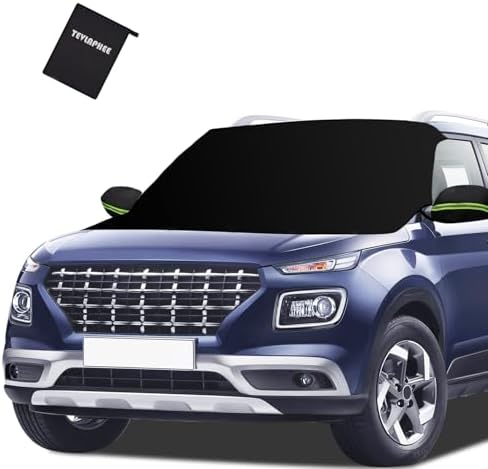
Windshield covers are the best fit for daily drivers who park outside and want to skip scraping ice or block summer sun. The Tevlaphee windshield cover, at around $30, uses heavy duty 600D Oxford fabric with a soft inner lining, five embedded magnets for wind resistance, side mirror protectors and a storage pouch, and measures 72 by 49.6 inches, according to Tevlaphee. It doubles as a summer sunshade and keeps leaves and dust off the glass in other seasons.
The OxGord windshield snow cover, at around $24, also covers wipers and works in winter and summer.
The trade off is coverage: windshield covers protect only the glass and wipers, not the paint or roof. Choose a full cover for complete protection.
Put windshield covers on before snow or frost arrives in the evening, and close the doors over the side flaps or magnets so the cover cannot be pulled off. In the morning, shake off snow and fold the cover wet side in to keep the car interior dry.
Budget/DIY Options: Universal Fit Full Covers
Universal covers suit budget buyers who want full protection for a common sedan, SUV or truck. The Motor Trend SafeKeeper heavy duty cover, at around $84, is a multi layered waterproof all weather cover for trucks, SUVs and cars, and a six layer version costs around $85. The Coverado SUV cover, at around $75, adds a zipper door for access, a cotton backing to protect paint and hail, snow, UV and wind protection.
Universal covers come in size ranges by vehicle length, so measure your car and check the size chart before buying.
The downside is a looser fit that can flap in wind; use the included straps and elastic hems to secure it.
Universal covers work well for common vehicle shapes like midsize sedans and crossovers. Vehicles with roof racks, large spoilers or lifted suspensions may fit better with an oversized or custom cover.
Premium Options: Custom Fit Covers
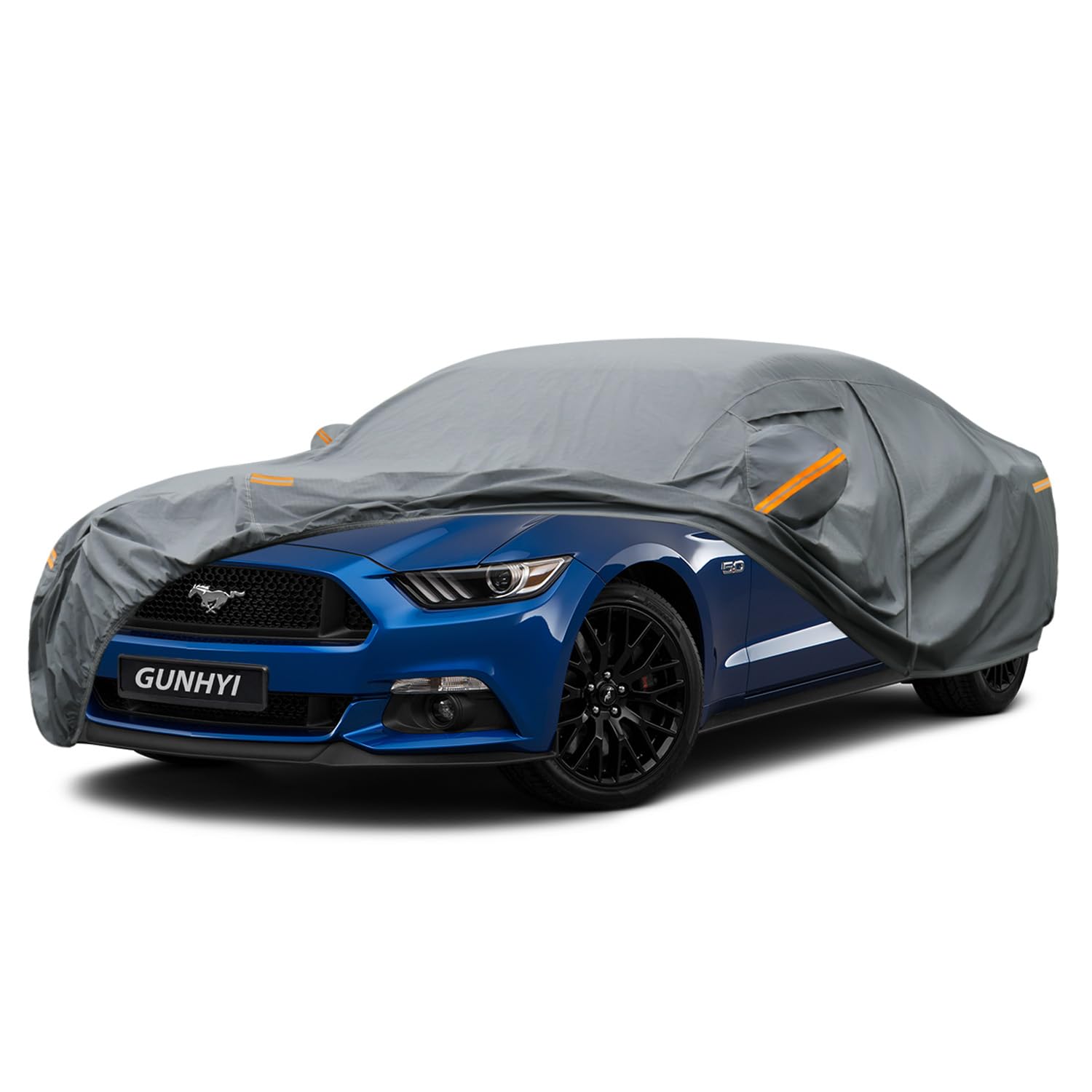
Custom fit covers suit owners who want a tailored fit for a specific model. The GUNHYI Premium Car Cover custom fit for the Ford Mustang, at around $80, lists 16 layers, heavy duty waterproof all weather protection and a zipper door. GUNHYI also makes a custom fit cover for the Toyota Corolla, and Kayme makes a 7 layer waterproof cover for the Dodge Challenger at around $75.
Custom fit covers include mirror pockets and follow the car's shape, which reduces wind flapping and looks neater.
They fit only the model they are designed for, so double check the model years before ordering.
Owners of sports cars and classics often prefer custom covers because the snug fit reduces movement against paint and looks tidier in a driveway or carport.
Pro Grade Options: Heavy Duty and Enclosed Covers
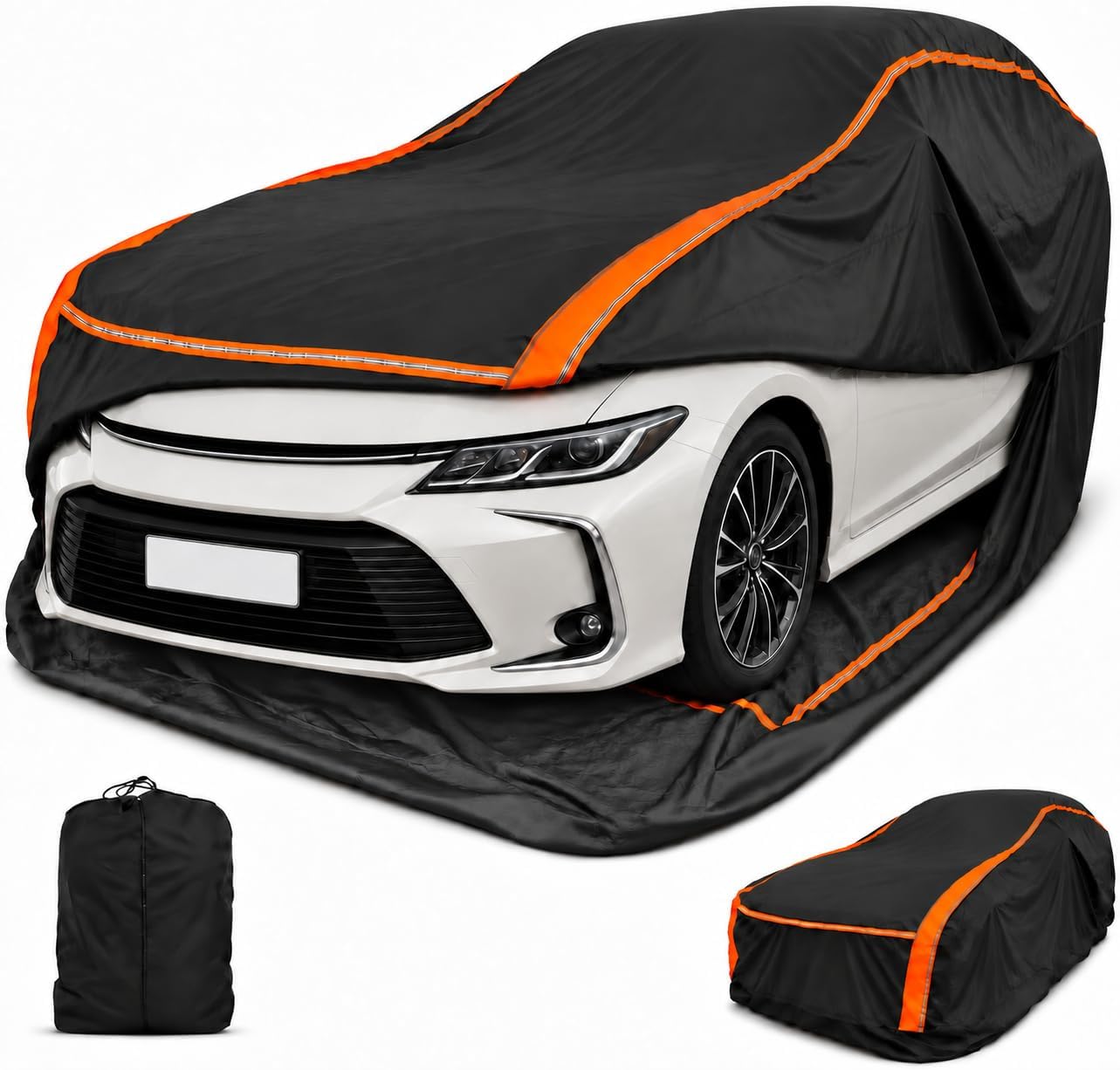
Heavy duty and enclosed covers suit cars parked outdoors through harsh winters, hail seasons or long storage. The full enclosed 2 in 1 car cover, at around $120, fits sedans and coupes from 178 to 185 inches, like the Corolla, Civic and Elantra, with a waterproof multi layer design that wraps the car fully. Large SUV covers, like the waterproof cover for the GMC Yukon XL at around $77, handle full size SUVs.
Multi layer covers combine a waterproof outer layer with a soft inner lining that protects paint. Enclosed designs block wind driven rain and snow better than open bottom covers.
They are bulkier to store and take longer to put on, so they suit storage more than daily use.
For hail prone regions, look for padded covers or layers marketed for hail protection, and remember no cover can stop large hail entirely; a garage or carport remains the best defense.
Windshield Covers vs Full Car Covers: Which Should You Choose?
Choose a windshield cover if you drive daily and mainly want to avoid scraping ice or keep the cabin cooler in summer. It goes on and off in seconds and folds into a small pouch.
Choose a full car cover if your car sits outside for days at a time, you want to protect paint from sun, sap and bird droppings or you store a classic or seasonal car. Full covers protect the whole vehicle but take a few minutes to install.
Many owners use both: a windshield cover on weekdays in winter and a full cover for weekends or long storage.
If you park in a garage, a lightweight indoor cover protects against dust and scratches without the bulk of an outdoor cover.
How to Choose the Best Car Covers
To choose among the best car covers, match fit, weather protection, materials and features to your car and climate.
Vehicle Compatibility and Fit
Measure your vehicle's length, width and height, and compare them with the cover's size chart. Universal covers list length ranges, like 178 to 185 inches for the enclosed sedan cover, while custom covers list specific models and years. A good fit reduces flapping and paint wear.
Add a few inches for accessories like roof racks, spoilers, side steps and tow hitches. If your measurements fall between sizes, choosing the larger cover and cinching it with straps usually works better than forcing a cover that is too small, which strains seams.
Build Quality and Weather Resistance
More layers usually mean better protection against rain, snow and hail. Waterproof outer layers block rain, while breathable fabrics let moisture escape to prevent mold and rust. Soft inner linings, like Coverado's cotton backing, protect paint from scratches.
Fully waterproof covers can trap moisture if the car is wet underneath or humidity is high. Breathable, water resistant covers suit humid climates and long storage better, while fully waterproof covers suit heavy rain regions with frequent use.
Ease of Installation
Elastic hems, straps, buckles and zipper doors make covers easier to use. Coverado and GUNHYI include zipper doors so you can reach the interior without removing the cover. Magnets, like on Tevlaphee's windshield cover, speed up installation.
Most covers mark the front with a label or tag, so start there. Hook the front edge over the bumper, pull the cover back over the roof, then drop the sides and hook the rear edge. Reverse the steps to remove it, folding toward the middle so the dirty outside stays on the outside.
Features and Extras
Look for mirror pockets, antenna patches, reflective strips for visibility, lock grommets for theft deterrence and a storage bag. Hail protection padding adds cost but helps in hail prone regions.
Underbody straps or a gust strap that runs under the middle of the car are especially important in windy areas, since wind can lift covers off and drag them across the paint.
Care and Maintenance Tips
Wash and dry your car before covering it, since dirt under the cover acts like sandpaper. Let the cover dry before folding and storing to prevent mildew.
Clean the cover with mild soap and water as the maker directs, and air dry it. Secure straps in wind so the cover does not rub. Store the cover in its bag in a dry place when not in use.
Inspect the cover for tears and worn elastic each season. A small tear grows quickly in wind, so repair it early or replace the cover before it fails during a storm.
Car Covers: Your Questions Answered
Will a car cover fit my vehicle?
Check the cover's size chart against your car's length, or choose a custom fit cover made for your model and years. Universal covers fit a range of vehicle sizes, while custom covers fit specific models closely.
Measure bumper to bumper with a tape measure rather than relying on brochure figures, since accessories change the real length.
What specs matter most in a car cover?
Fit, waterproofing, breathability, a soft inner lining and secure straps matter most. More layers add protection in harsh weather, and zipper doors add convenience.
For long storage, breathability matters most to prevent trapped moisture, while for daily outdoor parking, waterproofing and quick installation matter most. Reflective strips help others see a covered car parked on the street at night.
Can a car cover scratch paint?
A cover can scratch paint if the car is dirty or the cover flaps in wind. Always cover a clean car, choose a cover with a soft lining and secure it with straps.
Freshly waxed paint resists scratches better, so waxing a few times a year adds protection for cars that stay covered often. Avoid covering the car right after driving on dusty roads without a quick rinse first.
How long does a car cover last?
Outdoor car covers typically last two to five years depending on sun exposure and weather. UV breaks down fabric over time, so storing the cover when not in use extends its life.
Covers used daily wear faster than covers used for occasional storage, so a daily driver's cover may need replacing every couple of years.
Do I need professional installation?
No, car covers are designed for DIY use. Start at the front, unroll the cover over the roof toward the back and fasten straps underneath. Large covers are easier with two people.
Practice once on a calm day so the cover goes on quickly before storms.
Wrapping Up
The best car covers match your car, climate and routine. Windshield covers like Tevlaphee's suit daily drivers, universal covers like Motor Trend SafeKeeper and Coverado suit common sedans and SUVs, custom fit covers like GUNHYI and Kayme suit specific models and enclosed heavy duty covers suit long outdoor storage. Always cover a clean car and secure the cover well.
For more car care guides, see the best car shampoo, the best car sealant, the best car seat covers for dogs and the best all season tires for suv. Then compare current prices in the product table above.