
Best Auto Code Reader for 2026: Understand Your Car Warning Lights
Disclosure: We may earn a commission when you buy through links on this page, at no extra cost to you. As an Amazon Associate I earn from qualifying purchases. Learn more

Auto code reader guide: learn how to read fault codes, check compatibility, and use live data so a warning light becomes less stressful to handle.
A warning light on the dashboard can turn a normal drive into a worrying guessing game. A code reader helps by showing the fault codes behind that light, and for buyers of best auto code reader, even a basic model can save a trip to a garage for a simple issue. The product table below lists current models.
A code reader does not fix a car by itself, and a code alone does not always name the failed part. It gives you a starting point: a code, a description, and sometimes live data that helps you decide whether a problem needs urgent attention or a routine check. Used with care, it helps you talk more clearly with a mechanic and avoid unnecessary work.




Who Should Buy This Type
Everyday drivers need a simple reader that plugs in, shows codes in plain language, and clears a light after a known fix. DIY owners who do their own maintenance benefit from live data and more code coverage. Used car buyers can use a reader to check for stored codes before purchase, though a reader cannot reveal every hidden problem. Fleet or family users who maintain several cars need wider vehicle coverage.
Types Compared
Basic code readers
Basic readers read and clear engine codes and show a short description, which suits most warning light checks. They are simple, affordable, and easy to keep in a glove box for occasional use.
Bluetooth readers with an app
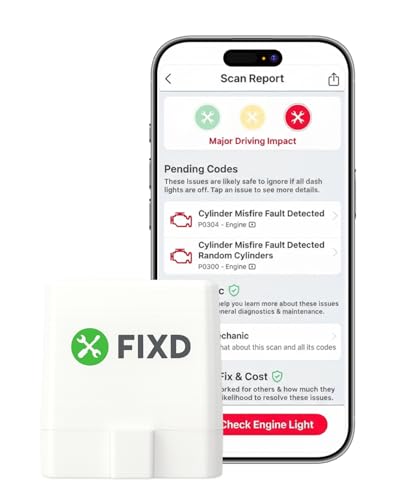
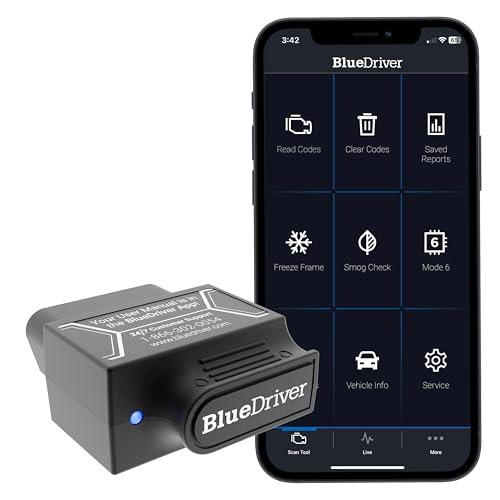
Bluetooth readers pair with a phone app to show codes, live data, and history in a larger display. They suit drivers who like phone based tools, though app features and subscriptions vary, so check costs before you buy.
Professional style handheld readers
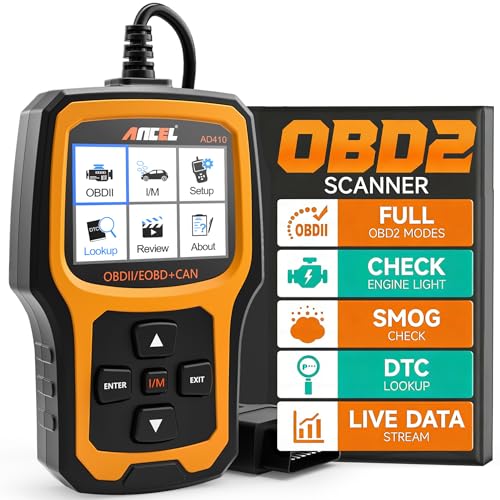
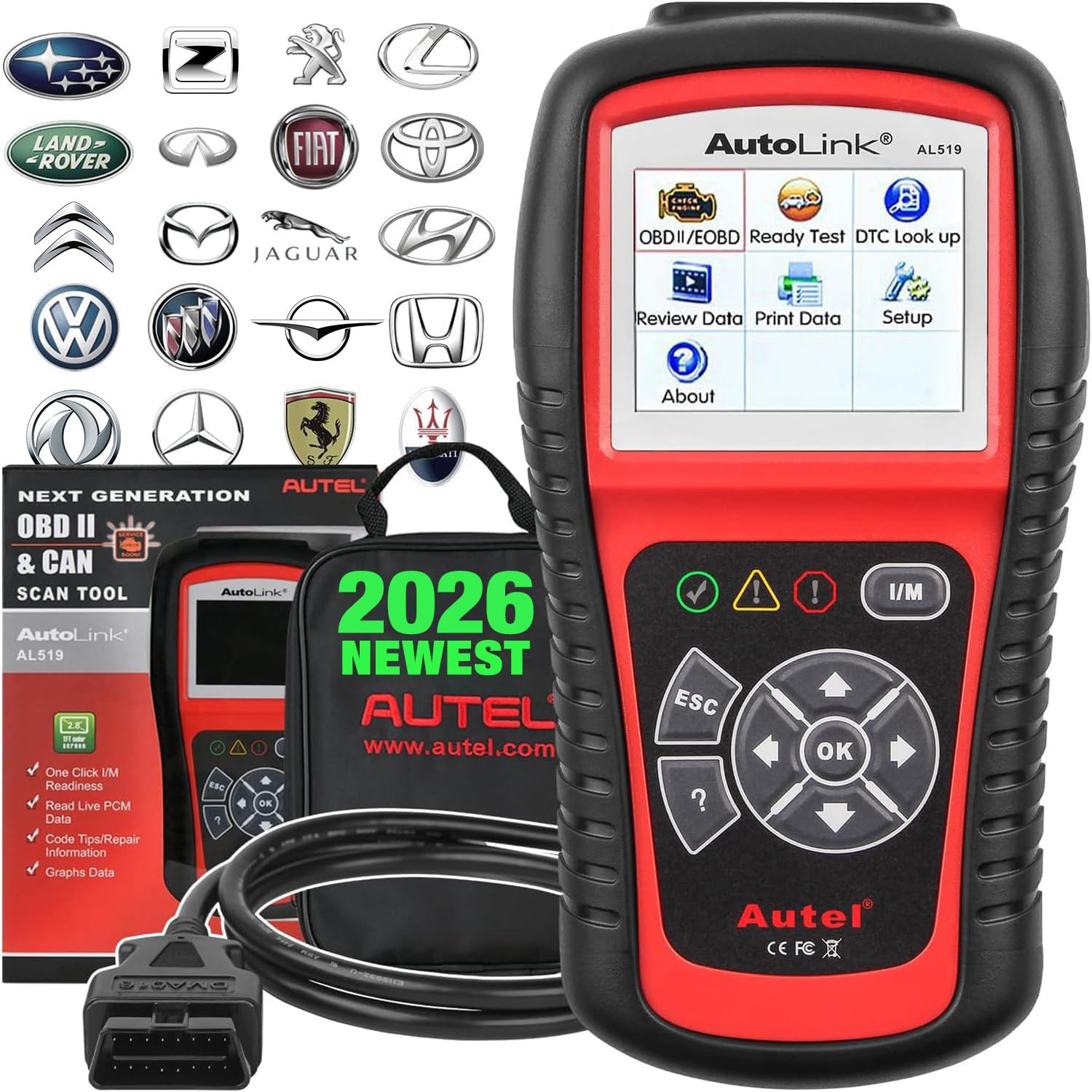
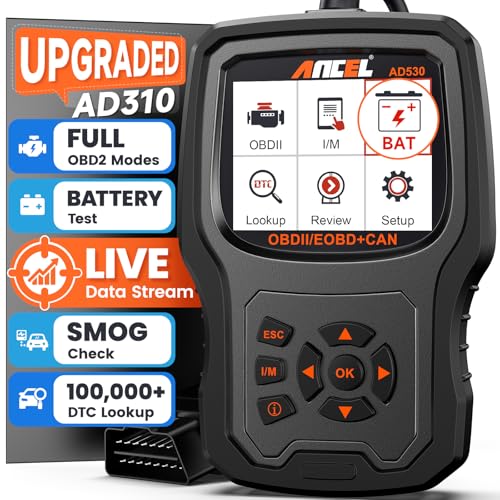
Larger handheld readers offer wider system coverage, live graphs, and more diagnostic functions. They suit keen DIY users, but they cost more and need more learning to use well.
Key Features to Compare
Vehicle compatibility
Check that the reader supports your car year, make, and diagnostic protocol, since coverage varies. Most cars from the mid 1990s onward in the US use a standard port, but code coverage still differs by maker and model.
Code descriptions
A reader that shows plain language descriptions saves time compared with one that shows codes alone. Check whether descriptions are built in or need an app, and whether the app needs a subscription for full details.
Live data
Live data shows sensor readings while the engine runs, which helps diagnose intermittent problems. Beginners may not need full live data, but a simple live view can help confirm whether a sensor reading looks stable or erratic.
Ease of use
A clear screen, simple buttons, and a short cable that reaches comfortably from the port matter in real use. A reader that is hard to navigate in a dark footwell will frustrate you when a warning light appears.
Budget Tiers Explained
Around $20 to $50, expect a basic reader that reads and clears engine codes well. From around $50 to $120, you can find Bluetooth readers with apps and wider live data. Above that range, you often pay for multi system coverage and professional features that most everyday drivers do not need.
Use the product table above to compare the options at each tier, since price alone does not show which features you actually get for the money.
Common Mistakes to Avoid
Do not clear a code without noting it first, since the code history helps a mechanic diagnose the issue. Do not assume a code names a failed part directly, since a sensor code can reflect wiring, a connector, or another component. Do not ignore a flashing warning light or a loss of power, since some faults need prompt professional attention. Do not leave a Bluetooth reader plugged in for weeks if it drains the battery.
Setup and Everyday Care
Store the reader in a dry place, keep the connector clean, and update software or apps as advised. Check cable condition regularly, and remove the reader after use unless the maker advises otherwise. Keep a note of codes and dates, since a pattern over time helps diagnose recurring issues.
Scanner focused buyers should see best auto code reader scanner, while best code reader covers the general market. For vehicle specific coverage, check best vehicle code reader and best car code readers, and best automotive code reader looks at professional style options.
Frequently Asked Questions
Where do I plug in a code reader?
Most cars have a diagnostic port under the dashboard on the driver side, often near the steering column or center console. Check your car manual for the exact location, since it varies by model. Plug in with the ignition off, then follow the reader instructions to turn the ignition on without starting the engine if advised.
Will a code reader work on my car?
Most gasoline cars from 1996 onward and diesel cars from later years in the US use a standard diagnostic system, but coverage varies by maker. Check the reader compatibility list for your year, make, and model before you buy. A reader may still read basic engine codes even if it lacks maker specific codes for other systems.
Should I clear a warning light myself?
Clear a light only after you have noted the code and understood the likely cause, or after a known repair. Clearing without a fix often brings the light back, and it can erase data a mechanic needs. If the light flashes, the car loses power, or you smell fuel or burning, seek professional help promptly rather than clearing and continuing.
What is the difference between a code and a diagnosis?
A code points to a system or sensor reading that looks out of range, while a diagnosis confirms why that reading occurred. Wiring, connectors, a failing sensor, or another part can all trigger the same code. Use the code as a starting point, check simple causes first, and seek professional diagnosis for complex or safety related faults.
Can a code reader help when buying a used car?
Yes, it can reveal stored or pending codes that suggest recent or recurring issues, even if no warning light is on. It cannot detect every problem, such as worn brakes, body damage, or a recently cleared code history. Combine a code check with a visual inspection, a test drive, and, for a larger purchase, a professional pre purchase inspection.
Final Thoughts
Choosing well comes down to matching the reader to your car, your routine, and your budget, rather than chasing the longest feature list. Note the features that matter most for your own use, and let those priorities guide your final choice. The right option is the one you will use comfortably, not the one that looks best on paper.
For most buyers, the best auto code reader is a simple tool with plain language descriptions and coverage for your car. Check vehicle compatibility and update costs before you buy, and seek a professional if a warning light flashes or the car loses power.


