
Best Car Diagnostic Scanner by Budget for 2026
Disclosure: We may earn a commission when you buy through links on this page, at no extra cost to you. As an Amazon Associate I earn from qualifying purchases. Learn more

The best car diagnostic scanner depends on your budget: compare what each price band buys in code reading, system coverage, live data and update costs.
Scanner prices run from the cost of a pizza to the cost of a set of tires, and the listings rarely explain what the extra money actually buys. The best car diagnostic scanner for your budget is the one whose coverage matches the cars in your driveway and the questions you really ask of it. This guide is organized by budget bands, so you can see what each step up adds before you spend.
One warning before the bands: no scanner, at any price, names the faulty part for you. What it sells is information, and the bands below are really bands of information depth, from a single code at the bottom to guided system tests at the top. The comparison table below shows the main classes side by side.
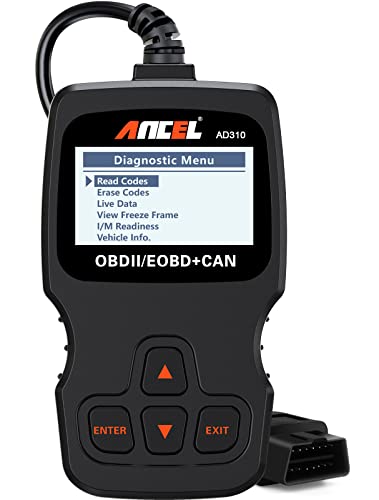
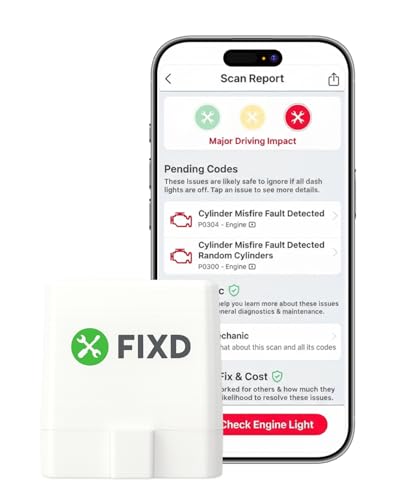

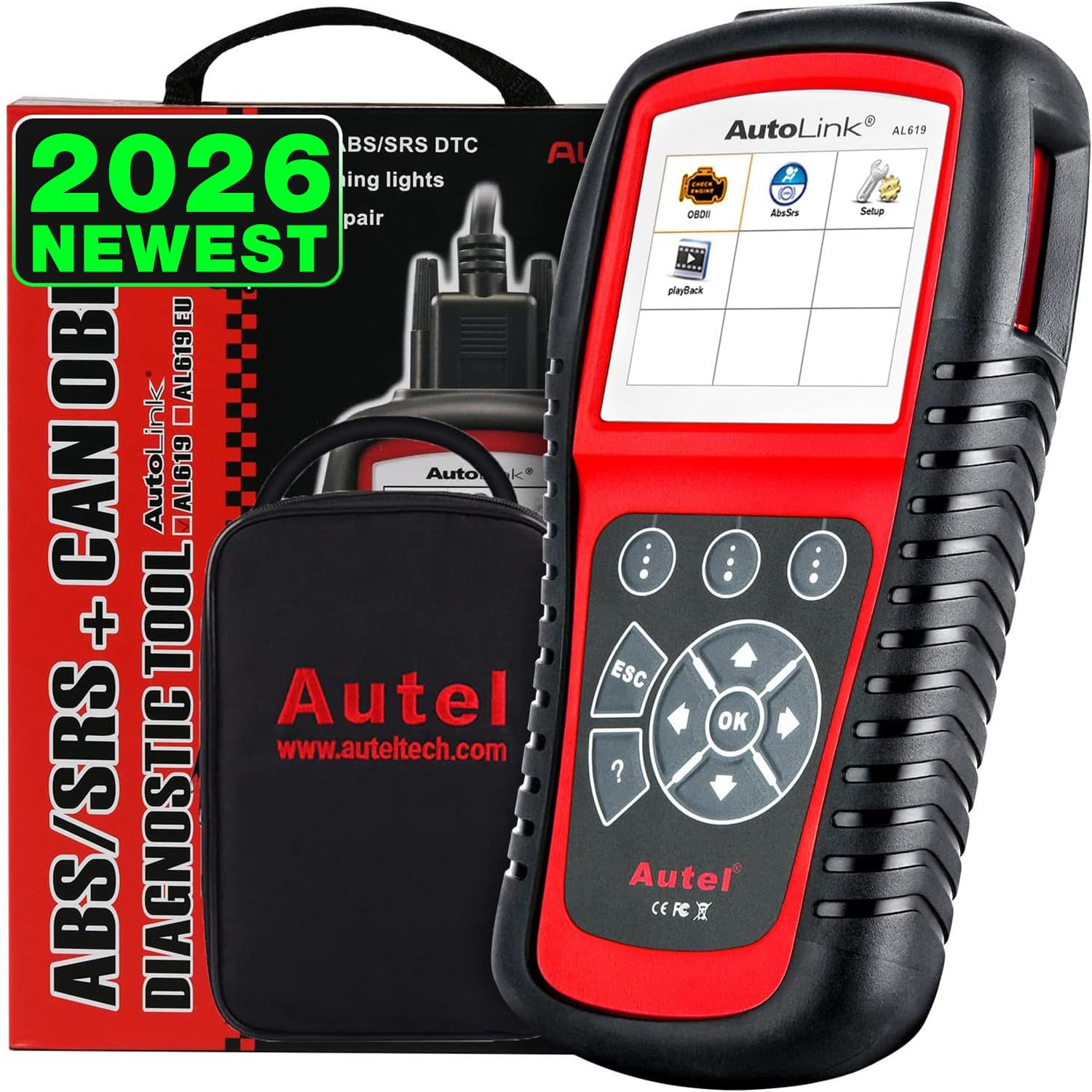
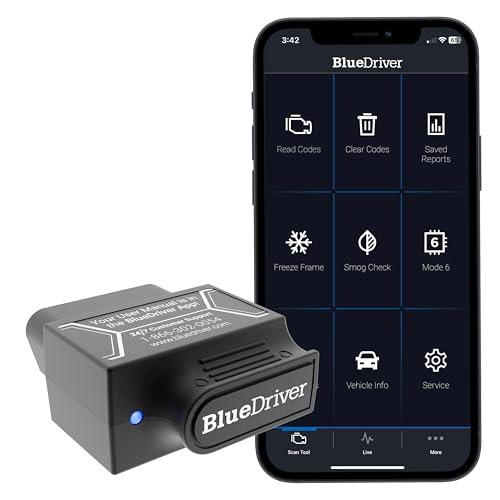
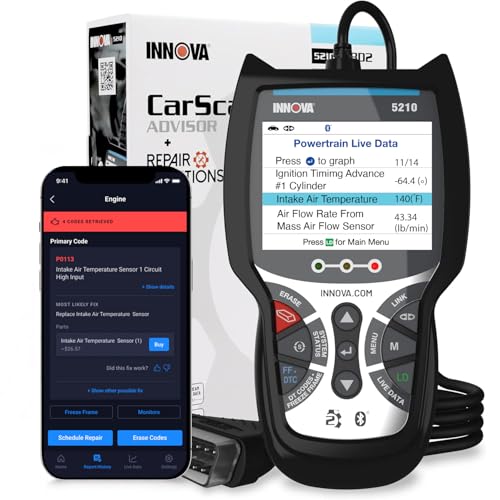
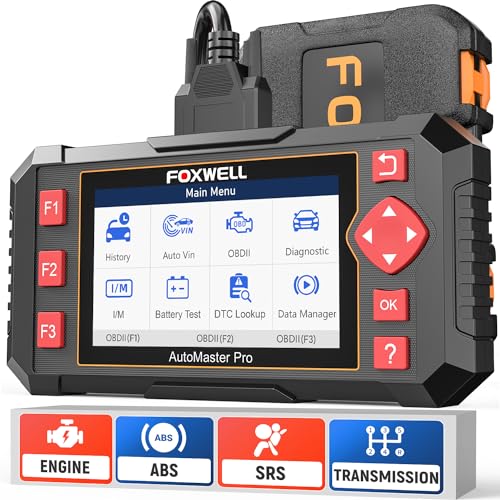
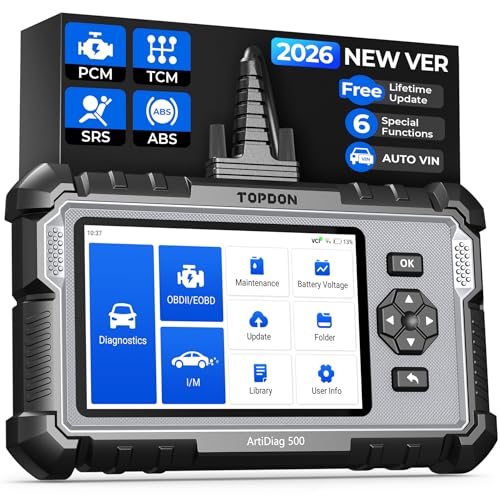

Start With the Code, Not the Gadget
A diagnostic code names a system, not the faulty part, and that single fact should shape your whole purchase. A code that points at an oxygen sensor circuit, for example, can be caused by the sensor, its wiring, a connector, or an exhaust leak upstream. The scanner reports what the car computer saw; your judgment, or a mechanic, still has to find which link in the chain failed. Any listing that promises the tool will tell you exactly what to replace is selling you a story.
This is also why clearing a code proves nothing. Wiping the code erases the stored snapshot the car saved when the fault happened, the freeze frame data that shows speed, temperature, and load at that moment. Read first, save the code and its snapshot, and only clear after the repair so you can confirm the fault stays gone. Cheap tools that rush you to the clear button are working against you.
With that understood, the bands make sense. Each step up buys broader system coverage, better live data, or service functions, and the right band is the one that covers the work you actually do, from reading one warning light to maintaining a small fleet of family cars.
Budget Bands: What Each Band Buys
Entry Band: Reading the Warning Light
At around $20 to $50, tools read and clear engine codes on the standard OBD2 system and show simple code definitions. That is genuinely useful: it turns a mystery light into a named system before you visit a shop, and it lets you check whether a fault returns after a simple fix. Coverage stops at the engine and gearbox on most cars, screens are small, and updates are rare. For a driver with one car and no repair ambitions, this band is a rational place to stop.
Working Band: Coverage Beyond the Engine
At about $50 to $150, the tools add the systems owners actually worry about: anti lock brakes, airbags, and automatic gearboxes on many makes, plus live data streams you can watch while the car runs. This is the band where a scanner starts saving real money, because brake and airbag warnings otherwise mean a paid diagnostic visit. Many tools here are phone linked dongles, so check the app terms before buying, since some charge a yearly fee for the deeper functions. The broad shelf of the best diagnostic scanner market sits in this band for good reason.
Shop Band: Service Functions and Depth
At about $150 to $400 and above, handheld units add service resets for oil, brakes, steering angle, and battery registration, wider maker coverage, and in some classes two way tests that command a component to move so you can watch it respond. Screens are larger, cases are tougher, and update policies matter most here, because a tool that stops receiving car updates ages quickly. This band suits home mechanics who maintain several cars or do their own brake and suspension work. Shoppers comparing the wider best scanner for cars category will find these units at the top of most line ups.
Features Worth Paying For
System Coverage for Your Actual Cars
Coverage is the feature that decides whether a scanner answers your question at all. The standard engine codes are universal, but brake, airbag, and maker specific systems vary by brand and year, and a tool that covers your neighbor car may skip yours. Check the maker coverage list against every car you own, including the older one, before you pay for depth you cannot use. Drivers who only need the basics of best car diagnostic checks can stay in the entry band with confidence.
Live Data and Freeze Frame
Live data turns a static code into a moving picture. Watching a temperature sensor climb, a throttle value respond, or a fuel trim drift tells you whether a part is failing or merely reported a bad moment. Freeze frame data is the other half: the snapshot saved when the fault set, and mid band tools graph this data and save reports you can show a mechanic, which often shortens a paid repair. If you plan to diagnose rather than just read, this feature is worth more than a bigger screen.
Connection Class and Updates
Handheld units work alone in any parking lot, while phone linked tools like those in the best car diagnostic tool auto scanner family borrow your phone screen and update through an app. Neither class is better; the trade is independence against update speed and price. What matters is the update policy in writing: how often car coverage refreshes, and whether refreshes are free, bundled for a period, or sold as a subscription. Treat a promised lifetime of updates with the same care as any other claim on the box.
Readiness Checks and Saved Reports
Two quieter features separate thoughtful tools from toys. Readiness monitors show whether the car has completed its self checks since the last clear, which matters before an inspection, because a freshly wiped car can fail for being untested rather than faulty. Saved reports, printed or sent to your phone, give a repair visit a head start and create a history when a fault comes and goes. Neither feature reads a single extra code, yet both change how useful the answers are, and both appear earlier in the bands than most buyers expect.
Long Term Costs to Factor In
The sticker price is only the first cost. App linked tools may charge a yearly subscription for full system access, and handheld shop band units may bill for update packages after an included period ends. Budget for a sturdy case and a longer cable if you work alone, since a dropped tool on concrete is the most common scanner death, while drivers who only chase warning lights may prefer the simpler best car code scanner class, which keeps these running costs near zero. Over five years, a mid band tool with modest fees often costs the same as a shop band tool bought outright, so compare totals, not shelf prices.
Care and Storage
Keep the connector pins clean and dry, and plug the tool in straight rather than at an angle, because bent pins cause the phantom connection faults owners blame on software. Store the unit out of the trunk in summer if you can, since heat ages screens and batteries. When an update is offered, run it while the tool is charged and the car is stationary, and never interrupt it halfway. A two minute habit after each use, coil the cable loosely and note the codes you found in the car service folder, makes the next session faster.
Keep one simple log per car, in a notebook or a notes app, with the date, the code, and what you changed in response. That log turns a returning warning light from a fresh mystery into a known pattern you can act on quickly.
Frequently Asked Questions
Will a car diagnostic scanner fit my vehicle?
A car diagnostic scanner fits almost any gasoline car built for the OBD2 standard and most diesels from the mid 2000s onward, using the socket usually found under the dashboard near the steering column. Basic engine codes are universal across that standard. Deeper system coverage is not, so check the maker list for your brand and year before buying. Very old cars and some specialist vehicles sit outside the standard and need maker specific tools instead.
What specs matter most in a car diagnostic scanner?
System coverage for your cars, live data, and a clear update policy matter most, in that order. A long feature list means little if the tool cannot read the brake system on your model. Screen size and case toughness help daily use but change nothing about the answers you get. One practical point: a tool that saves or shares reports is worth extra if you ever hand its findings to a mechanic for a second opinion.
Do I need professional installation for a car diagnostic scanner?
No professional installation is needed, because a car diagnostic scanner simply plugs into the diagnostic socket and draws power from the car. You sit in the driver seat, turn the ignition on as the tool directs, and follow the menu. Phone linked tools add a one time pairing step with the app. The skill is not in connecting the tool but in reading its results calmly, since a code starts a diagnosis rather than finishing one.
How long does a car diagnostic scanner last?
The hardware of a car diagnostic scanner usually lasts many years, because it has no moving parts and lives in a drawer. Its useful life is set by software instead: car coverage that stops updating slowly falls behind newer models. A tool with a fair update policy can serve a household for a decade. Batteries in handheld units fade first, so a model that also runs from the car socket keeps working even when its cell is tired.
Can a car diagnostic scanner tell me exactly which part to replace?
No scanner can tell you exactly which part to replace, because a code identifies the system that reported a fault, not the failed component inside it. The same code can come from a sensor, its wiring, or a mechanical cause nearby. Use the code and its freeze frame snapshot to narrow the search, test the likely links in order, and only then buy parts. This is the most valuable habit the tool teaches, at every price band.
Final Thoughts
Choose the band by the questions you ask, not by the longest feature list: entry for warning lights, working band for brake and airbag systems, shop band for service work across several cars. Whichever band you pick, the best car diagnostic scanner habits stay the same: read before you clear, save the snapshot, and remember the code names a system. Compare the finalists in the product table above, check coverage against your own cars, and the tool will pay for itself the first time it turns a warning light into a plan.


