
Best Car Camping Mattresses: Types, Fit and Setup for 2026
Disclosure: We may earn a commission when you buy through links on this page, at no extra cost to you. As an Amazon Associate I earn from qualifying purchases. Learn more

How to choose the best car camping mattresses: measure your cargo area, compare air, foam and self-inflating pads, and set up for a warm, quiet night.
Sleeping in a car is easy until the wrong pad slides around, squeaks with every turn, and leaves your hips on a hard seat gap by morning. The best car camping mattresses are shaped for the cargo area, thick enough to smooth out ridges, and warm enough for the coldest night you expect. This guide explains the main types, how to measure your vehicle, and which features decide whether you wake up rested.
Compare current models in the product table above once you know the type and size that suit your car.



Who Needs a Car Camping Mattress
People who sleep in SUVs, wagons, hatchbacks, minivans, and pickup trucks with a cap benefit most. Solo travelers can use a single-width pad and leave space beside it for gear, while couples need to measure the full width with the seats folded, since a pad a few inches too wide bunches at the edges and feels lumpy all night. If you only camp in tents, a standard sleeping pad usually does the job, and our guide to the best camping mattresses covers that case.
Types of Car Camping Mattresses
Vehicle-Shaped Air Mattresses
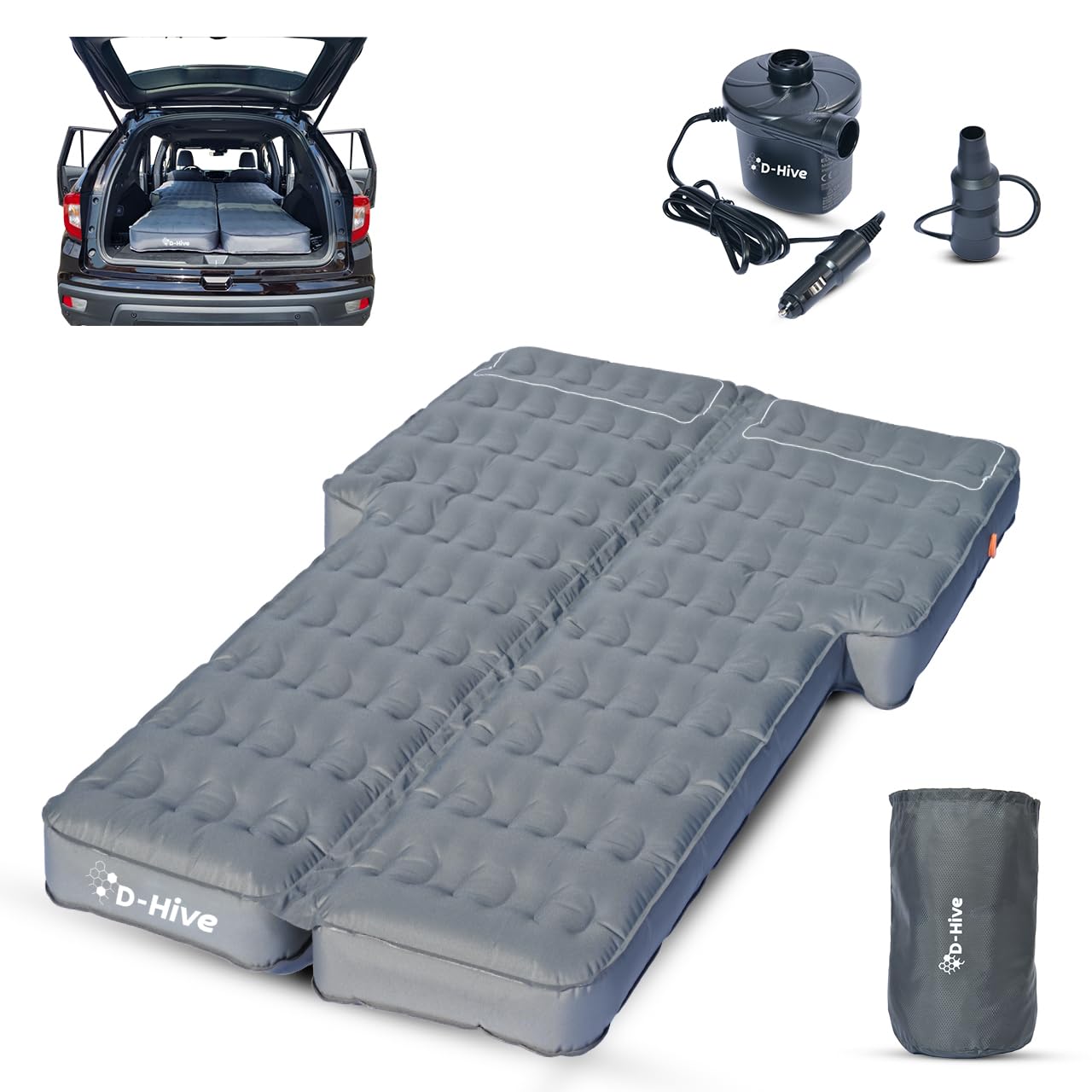
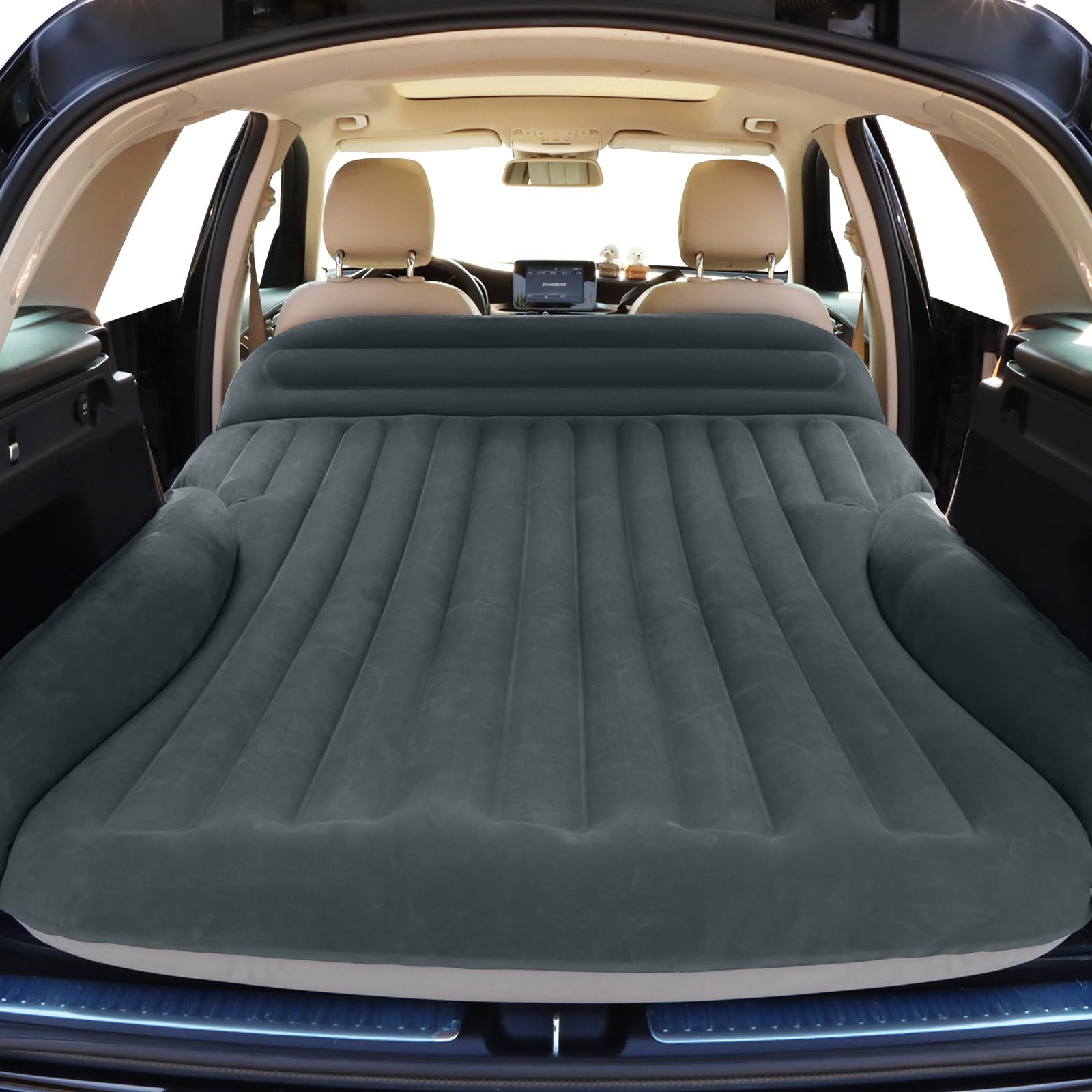
Inflatable beds cut to fit the rear of an SUV, with cutouts for the wheel wells and sometimes a built-in pump. They give the most thickness for the price and pack small, which makes them popular with road trippers. They need a pump and can leak at seams, so a repair patch belongs in the glovebox. See our guide to the best air mattresses for car camping for more.
Memory Foam Pads
Rolled foam mattresses in two or three-inch thicknesses never leak, set up in seconds, and feel closer to a home bed. They take more cargo space when rolled and weigh more, so they suit drivers with room to spare.
Self-Inflating Pads
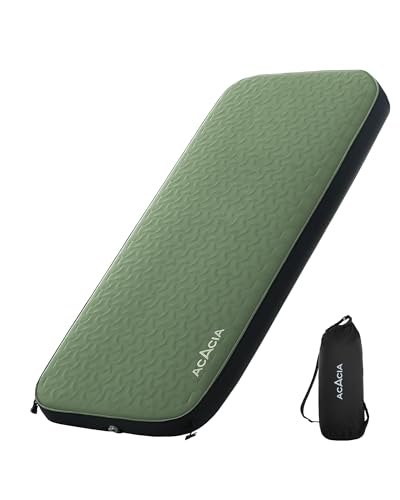
These combine open-cell foam and air in one roll. They pack smaller than foam, need little pumping, and keep a steady, stable shape. They are a good all-round choice for couples who also camp outside the car.
Folding and Split Designs
Folding mattresses follow the shape of folded seats and wheel wells, which suits cars with uneven cargo floors and sleepers who want part of the car left free for storage.
Features to Check Before You Buy
Fit for Your Cargo Area
Measure the length from the back of the front seats to the tailgate, the width at the narrowest point between the wheel wells, and the height to the roof. Compare these numbers with the stated size of the mattress, and leave a little room at the edges. A pad that matches the numbers lies flat and stays in place.
Thickness and Support
Choose enough loft to keep hips and shoulders off the floor. Side sleepers usually need more thickness than back sleepers, and heavier sleepers need firmer support. A very thick pad can raise you close to the roof, so check head room before you order.
Insulation and Warmth
Cold air under the pad is the main reason people wake up chilled. Foam and self-inflating designs insulate better than a plain air bed, and a warmer sleeping bag and a reflective sunshade on the windshield help on frosty nights.
Noise, Slip and Surface
Crinkly fabrics ruin sleep, and slick bottoms slide on plastic liners. Look for a quiet flocked top and a grippy base, and add a thin non-slip mat if the cargo floor is smooth.
Pack Size and Weight
Compare the rolled or deflated size, not just the open size, so the mattress leaves room for food, clothes, and safety gear during the day.
Sleeping Position, Weight and Comfort
How you sleep changes what you need. Back sleepers do well on a firm, medium-thickness pad that keeps the spine straight. Side sleepers need more cushioning under the shoulder and hip, which usually means a thicker foam or air pad with a softer top. Heavier sleepers should check the stated weight limit and favor foam or high-pressure air designs, since a thin air bed can bottom out and leave the hips on the floor. Pairs of different weights often prefer a firmer pad so the lighter person is not rolled toward the middle.
Temperature matters just as much as softness. Metal floors and glass pull heat from the body, so add a thin foam layer or a blanket under the pad on cold trips, and use a breathable cover in summer to avoid sweating on vinyl surfaces.
Setting Up for a Good Night
- Fold the rear seats flat and fill any gap or ridge with a rolled towel or small cushion so the surface is level.
- Inflate air mattresses before dark, check for slow leaks, and adjust firmness while you still have light.
- Crack two windows slightly and use mesh screens for airflow and to reduce condensation.
- Park on level ground and set the parking brake before you settle in.
- Keep a small repair kit and a spare valve cap in the car.
Mistakes to Avoid
- Guessing the cargo size instead of measuring it.
- Ignoring the seat gap, which creates a hard ridge under the hips.
- Skipping a trial night at home to check for leaks, noise, and fit.
- Choosing a pad with no insulation for a cold-weather trip.
- Running the engine for heat while sleeping, which is unsafe because of exhaust fumes.
What to Spend
Basic foam and self-inflating pads often cost about $50 to $100, vehicle-shaped air mattresses usually run about $60 to $150, and thick memory foam or foam-and-air hybrids cost more. Spend extra when a feature solves a problem you have, such as a pump built into the mattress or a size cut for your vehicle. Other styles are covered in our guides to the best car mattresses, the best inflatable mattresses for camping, and the best camping mattresses for couples.
Car Camping Mattress FAQ
How do I measure my car for a camping mattress?
Fold the rear seats flat, then measure the length, the width at the narrowest point, and the height. Note wheel well bumps and seat gaps, and compare them with the stated size of the pad.
Is a thicker mattress always better?
Not always. Thickness smooths bumps, but a very thick pad can leave little head room. A medium thickness with firm, even support often sleeps better than a tall soft pad.
What if my pad slides around at night?
Use a pad with a grippy base, add a thin non-slip liner underneath, and make sure the floor is clean and dry.
Can I use a regular air mattress in my car?
You can, but a regular bed is the wrong shape for most cargo areas and tends to bulge or leave gaps. A vehicle-shaped pad fits the space better.
How do I keep warm when sleeping in a car?
Use a pad with insulation, a warm sleeping bag, and block drafts and glass with sunshades. Keep dry socks and a hat nearby.
Final Thoughts
Measure carefully, choose insulation for your coldest night, and try the pad at home before the trip. The best car camping mattresses turn a parked car into a restful place to sleep, so compare your shortlist in the product table above and choose the one that fits your vehicle and sleep style.


