Best Car Mattresses: Sleeping Comfortably in an SUV, Van or Hatchback (2026)
Disclosure: We may earn a commission when you buy through links on this page, at no extra cost to you. As an Amazon Associate I earn from qualifying purchases. Learn more

How to choose the best car mattresses for SUV camping, road trips and van sleeping: air beds versus foam, fit, pumps and care.
Sleeping in a car is a very different problem from sleeping in a tent. The surface is rarely flat, the space is a fixed shape and the windows leave you exposed to temperature swings. The best car mattresses are built around those limits: they fill the cargo area or the rear seat footprint, level out the folded seats and pack small enough to stay in the vehicle. The product table above mixes inflatable SUV beds and foam pads, so you can compare both approaches.
Before you choose, measure the space you will actually sleep in and decide how much setup you want at the end of a long drive. The sections below cover the main styles, fit checks and care tips.




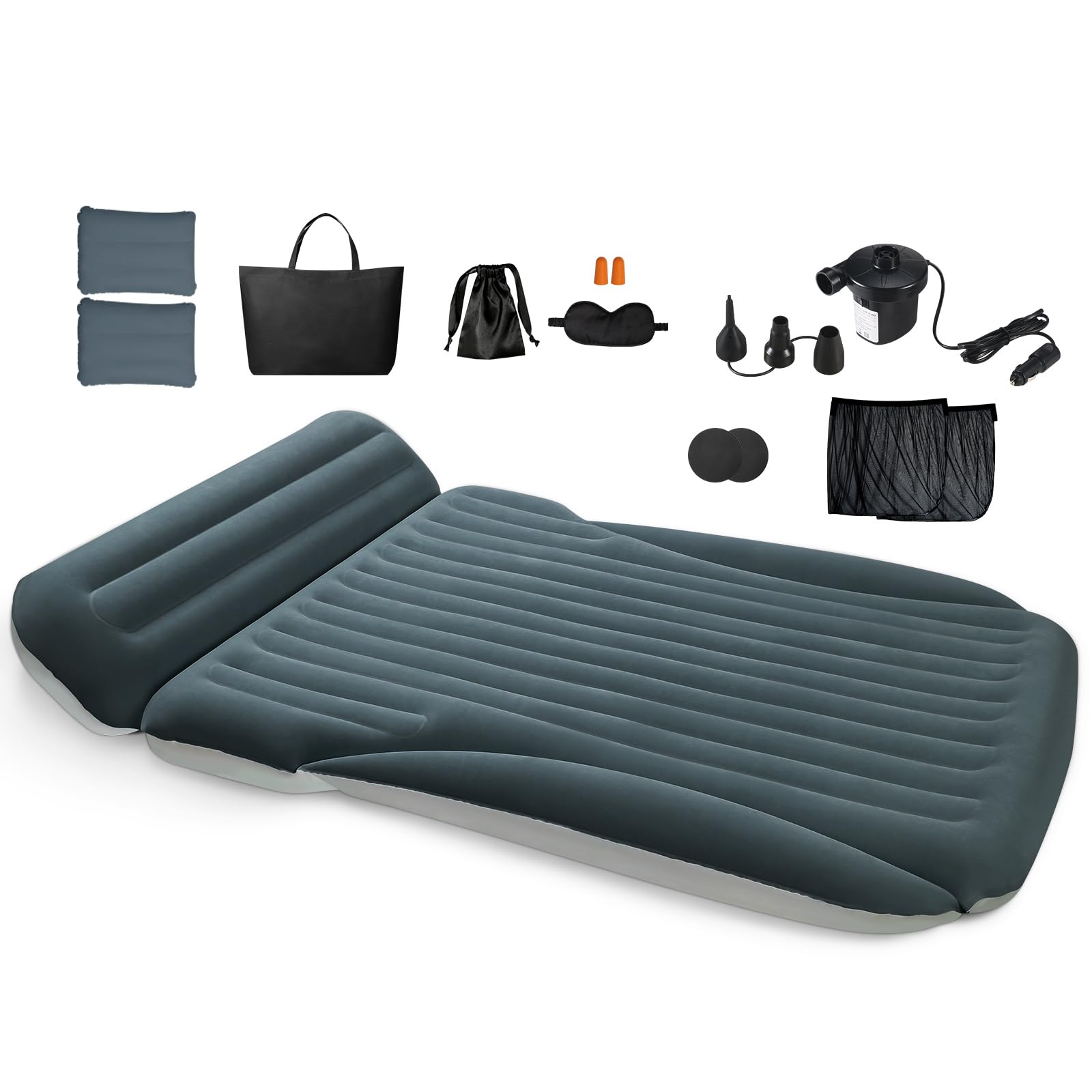
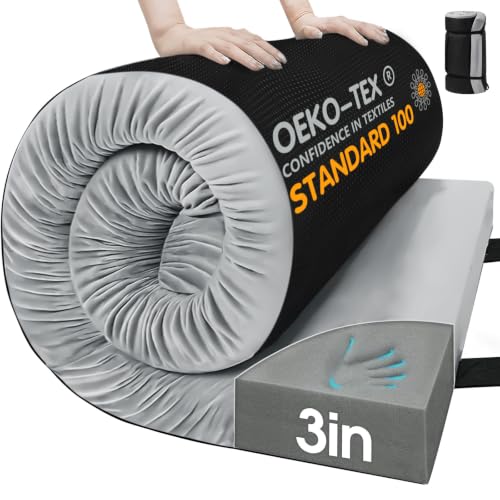
Three Types of Car Mattress
Inflatable SUV Air Beds
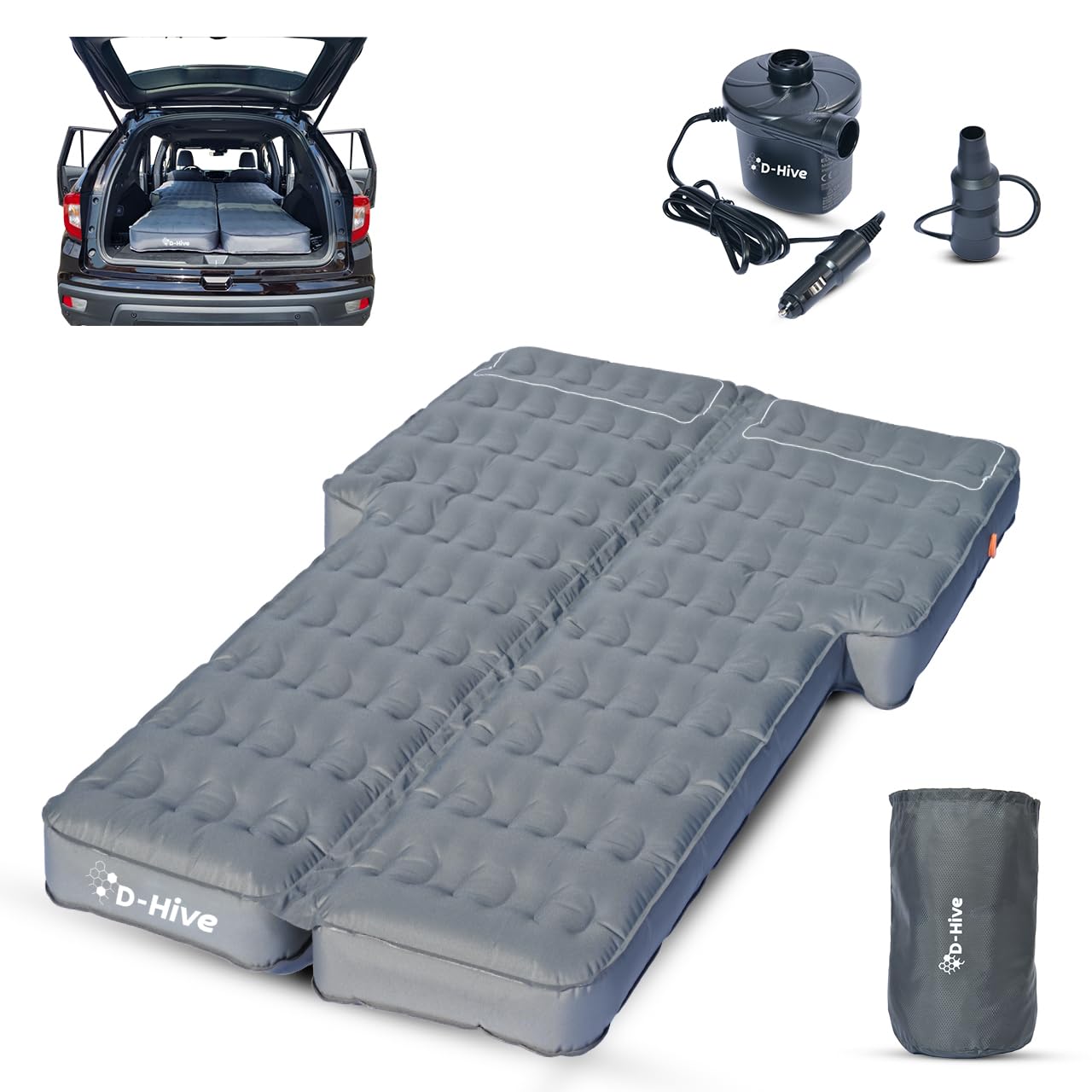
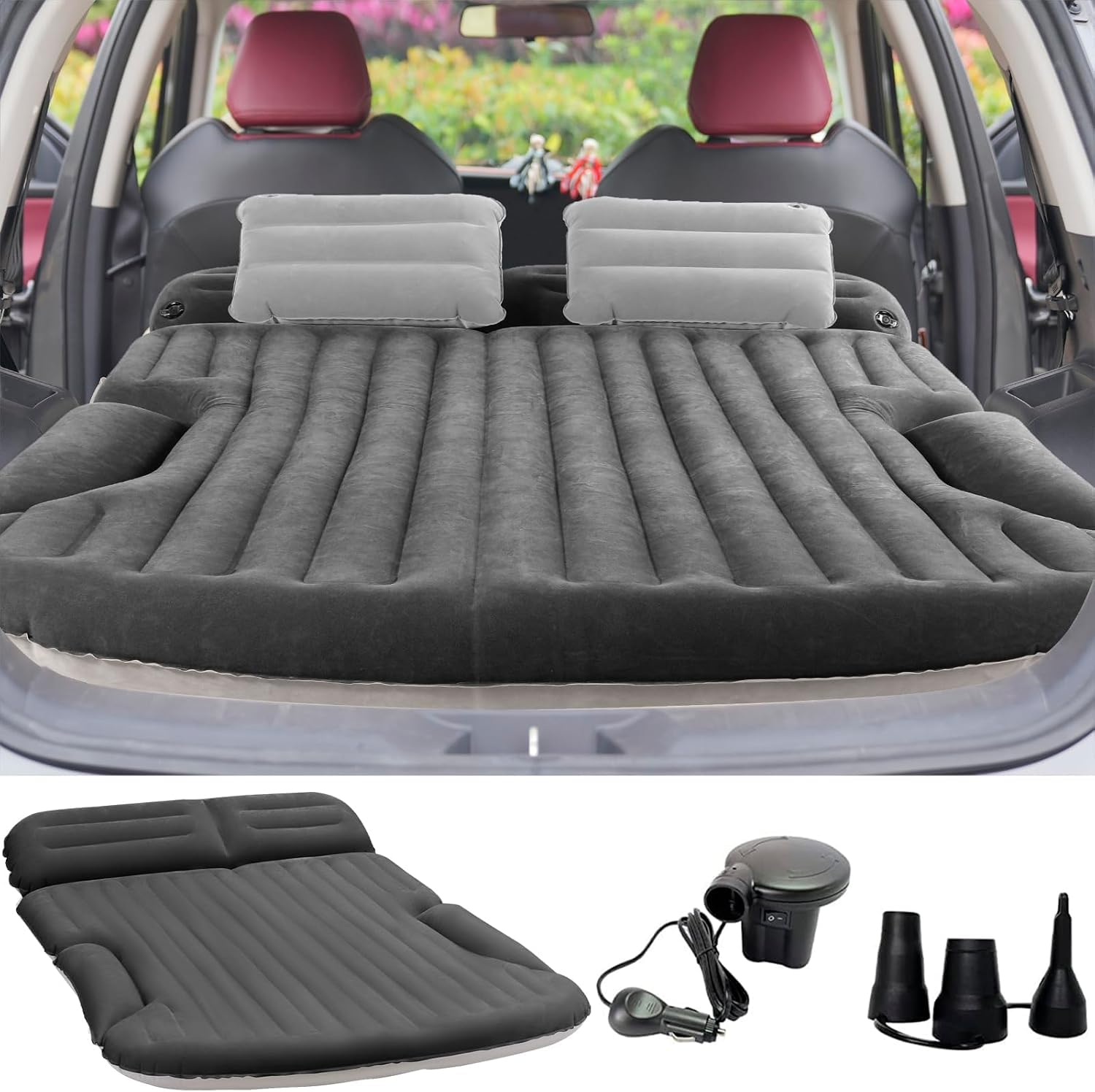
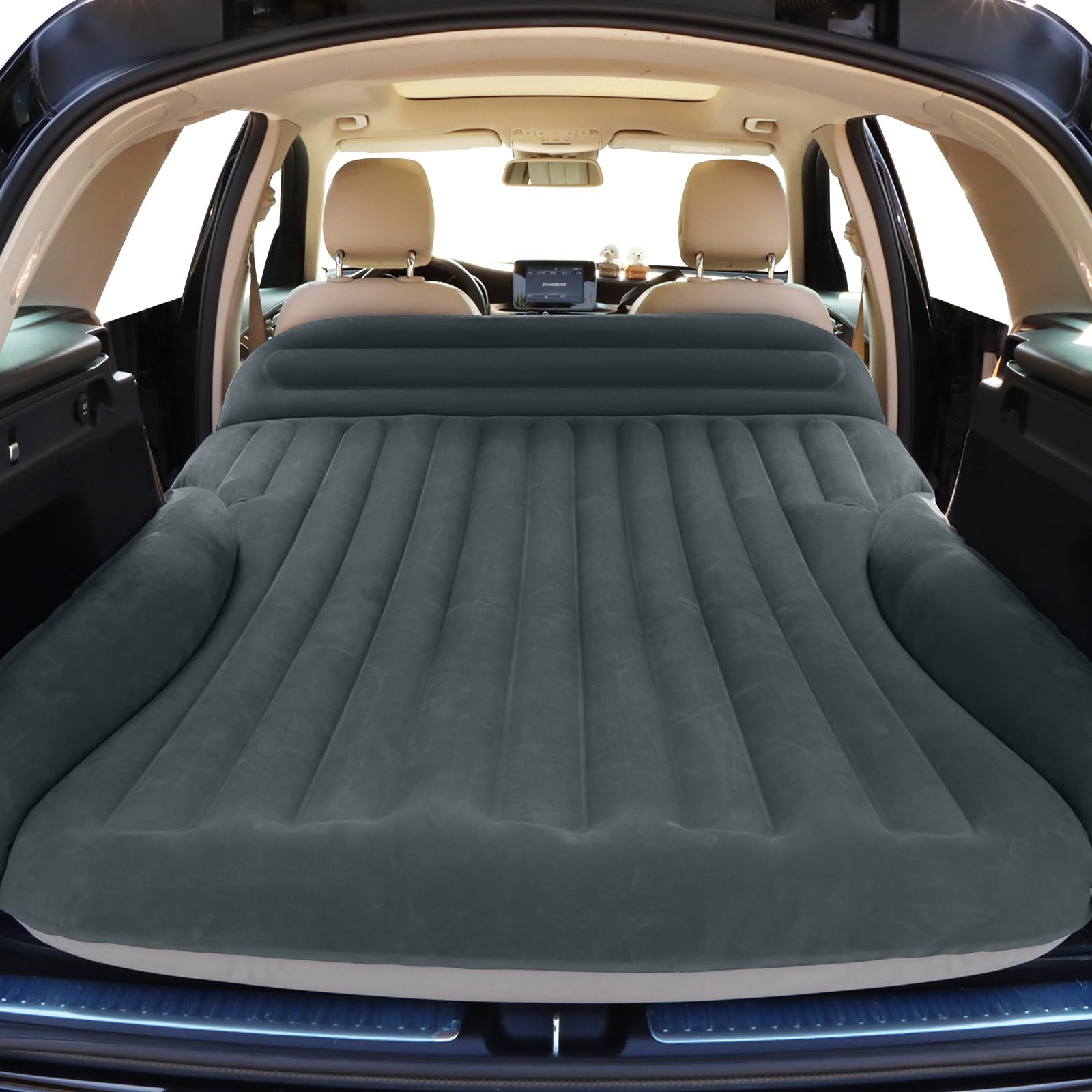
These are shaped to fit the rear of an SUV or minivan, often with cutouts that sit around the wheel wells and a section that rises over the folded seat backs. They inflate with a built-in or included pump, and they deflate to a small bundle. A flocked top feels softer and stops sheets from slipping. The risk is a slow leak or a pump that fails, so keep a patch kit and a manual or 12V option as backup.
Memory Foam Pads
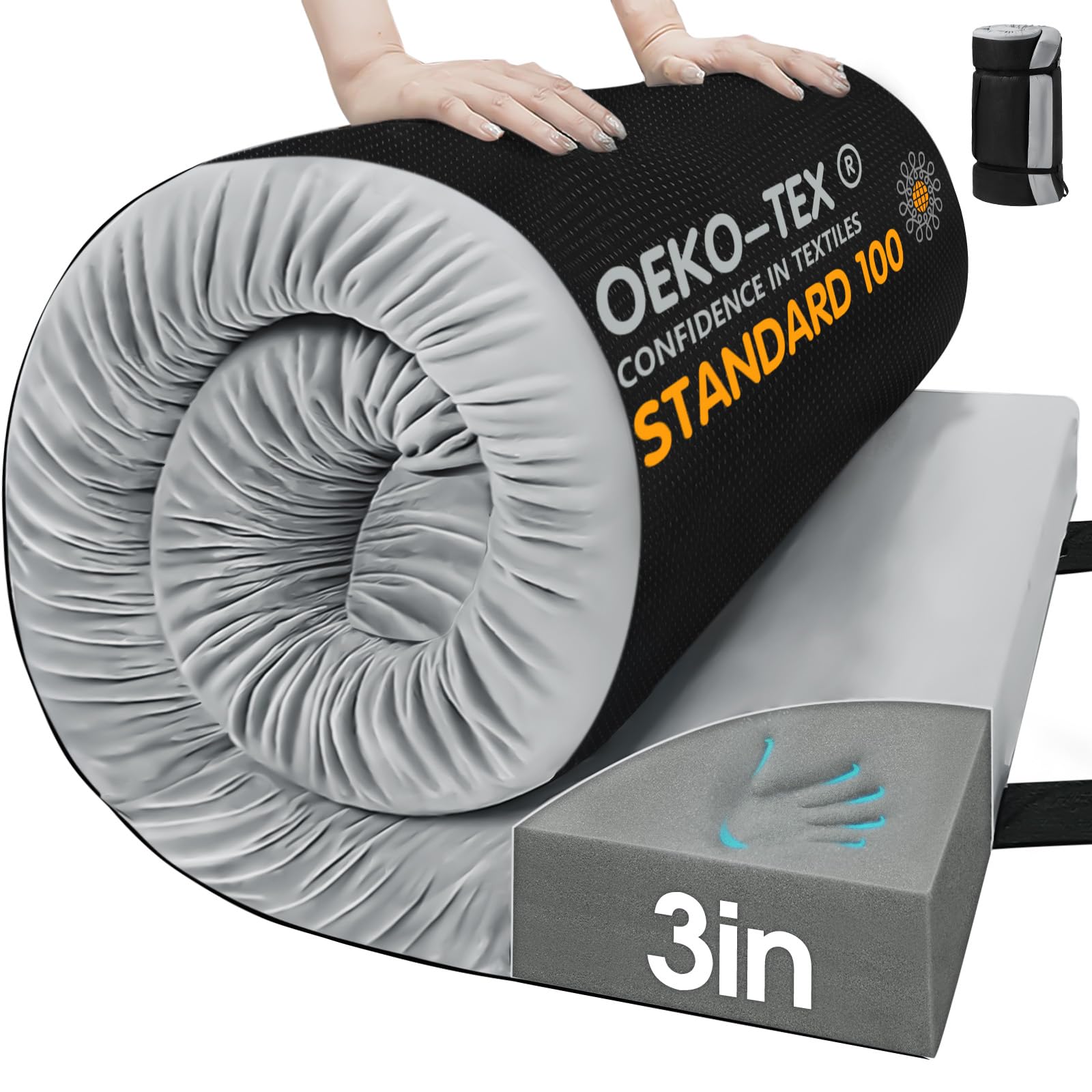
A thick foam pad rolls out, needs no inflating and is quiet and warm. Foam is the most reliable in the sense that it cannot lose air overnight, but it takes more room to store and may not fill awkward gaps around folded seats. Many are sold as camping mattresses and work well in vans and wagons with a flat floor.
Self-Inflating Mats
A hybrid design uses foam inside an airtight shell that expands on its own when the valve opens. These give good insulation with less bulk than pure foam, and you can top them up by mouth or a small pump.
Fit Is the First Check
A mattress that is too long bunches up, and one that is too short leaves you sleeping on the gap. Open the tailgate, lay the seats flat and measure the cargo length at the floor, the width between the wheel wells and the height to the ceiling. Compare these to the product dimensions, and look for the notes about which seat layouts it supports.
Check the ceiling height too. A thick air bed pushes your body up toward the roof, and a tall sleeper may feel cramped lying on top of a very thick mattress. Sit up in the car with the mattress in place before you decide, if you can.
Flatness and Support
Folded rear seats often form a slope or a step, and a mattress that sits on top will feel that shape through the surface. Some air beds fill the gap with extra inflated sections. With foam, a thick pad evens out small bumps, while a thin one follows the contours. A simple fix is a firm board or folded blankets in the low spots under the mattress.
Warmth and Ventilation
Metal and glass lose heat quickly at night, and air mattresses can feel cold underneath because the air layer moves heat away from your body. In cooler weather, a foam top layer or a blanket under the mattress adds insulation. In warm weather, crack the windows slightly with screens or mesh covers, because a closed car gets stuffy and fogs up inside.
Practical Packing and Setup
- Pump options: a built-in pump saves time, but make sure you can power it from the car's outlet or a battery pack.
- Storage: an inflatable rolls into a bag, while foam needs space in the cargo area when you are driving.
- Cleanliness: shake out sand and dirt before folding, and wipe the surface with a damp cloth.
- Pillows: some sets include them, but a small travel pillow is a cheap add-on that makes a big difference.
Safety and Common Sense
Never run the engine for heat or air conditioning with the windows closed while you sleep, and park only where overnight stays are allowed. Keep a window cracked for airflow, and follow local rules about sleeping in vehicles. If you travel in cold weather, use a sleeping bag rated for the temperatures you expect.
Choosing the Best Car Mattresses for Your Trips
List your car type, how many people will sleep and how often you will use the bed. An occasional weekend camper may be happy with an inflatable that packs small, while a frequent traveler or a full-time road tripper will value the dependable comfort of thick foam. Compare thickness, the shape of the cutouts and what is included, then read the return terms so you can swap a poor fit.
Sleeping Two People
A two-person bed needs more than width. Check that the surface is wide enough for two adults to lie side by side without sliding into the gap between the wheel wells. A double-width air bed may use an extra section over the center console area of a van or a flat-folded rear row. If you travel as a pair, try lying on the bed at home first for a while, because a poor fit shows quickly.
Everyday Care
Dry the mattress fully before storing it, because damp fabric grows mildew in a closed bag. Wipe the surface and clean the valve area after dusty or sandy trips. Foam pads should be rolled loosely rather than crushed in a tight strap for months. Store an inflatable partly open if possible, and avoid leaving any mattress in a hot closed car for long periods, since heat can weaken glue and seams.
Common Mistakes to Avoid
- Buying for the wrong vehicle: a bed made for a large SUV will not sit flat in a compact hatchback.
- Over-inflating: a very firm air bed is less comfortable and stresses the seams. Leave a little give.
- Forgetting window covers: privacy and temperature control both improve with simple window shades.
- Skipping a patch kit: a small repair kit costs little and can save a trip.
Related Guides
- Best Car Camping Mattresses
- Best Air Mattresses For Car Camping
- Best Mattresses For Back Problems
Frequently Asked Questions
Can any mattress fit in a car?
Not reliably. A regular home mattress is too bulky and heavy. Look for products made for vehicles, with a footprint close to your cargo area.
Are air mattresses durable enough for cars?
A thick, flocked material resists scuffs, but sharp edges inside the cargo area can still cause punctures. Clear loose items and keep a repair kit handy.
How do I make the back seats level?
Fold the seats as flat as they go and fill gaps with folded blankets, a board or an extra foam pad before you place the mattress on top.
Is foam or air better for cold nights?
Foam usually keeps you warmer because it insulates directly. An air bed works too if you add a layer underneath.
The Bottom Line
The best car mattresses fit your cargo space closely, support you on a flat surface and pack away easily. Measure first, pick the style that suits how often you travel and plan for warmth and airflow. With the right bed in the back, a night in the car can be comfortable enough that you wake up ready to drive on.