
Best Camping Mattresses for Every Need for 2026
Disclosure: We may earn a commission when you buy through links on this page, at no extra cost to you. As an Amazon Associate I earn from qualifying purchases. Learn more

Compare the best camping mattresses by thickness, insulation, packed size and durability for car camping, backpacking and family trips.
A good night's sleep outdoors depends on what is under you more than what is over you. The cold ground steals heat, rocks and roots poke through, and a thin pad leaves you sore by morning. The best camping mattresses balance cushioning, insulation, packed size and weight, and the right one depends on whether you walk to camp or drive. This guide compares the main types and explains what to look for.
Use the comparison table below to see the types side by side, then read on to match one to your trips.


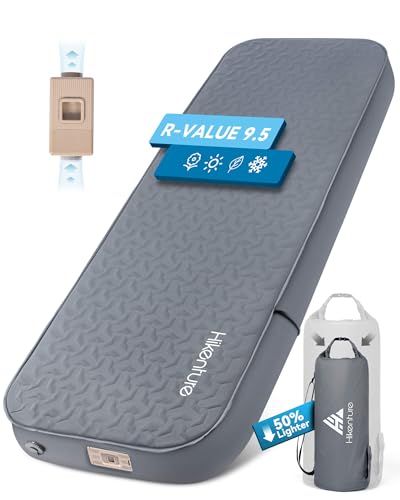


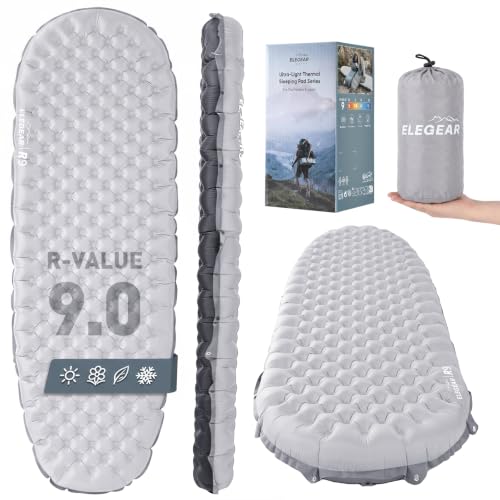

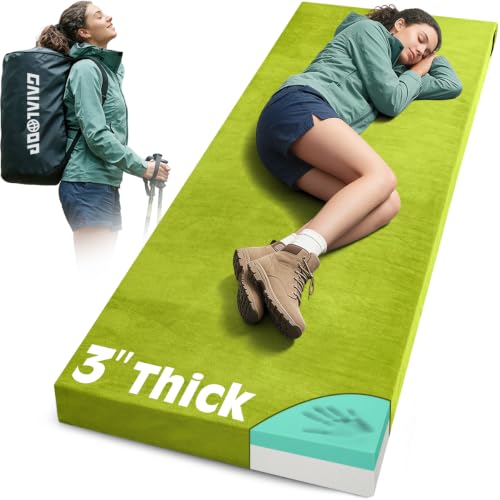
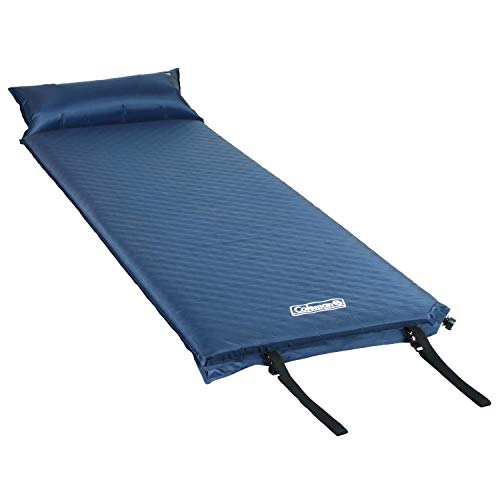
Types of Camping Mattresses Compared
Self Inflating Pads
A self inflating pad has open cell foam inside an airtight shell. You open the valve, it draws in air and you top it up with a few breaths. It is comfortable, reasonably insulating and tough, which makes it a popular all round choice. It packs larger and weighs more than an air pad.
Air Pads and Inflatable Mattresses
Air pads and inflatable beds pack the smallest for their thickness and can be very comfortable. Backpacking air pads often include internal baffles or insulation, while larger camping air beds suit car camping and need a pump. Their weakness is punctures, so carry a repair kit. See our guide to the best inflatable mattresses for camping for more on valves and insulation.
Foam Pads
Closed cell foam pads are light, cheap and cannot puncture, though they are bulky and less comfortable. They work as a backup under another pad or as a durable base for kids and rough trips. Thick memory foam camping mattresses feel like a home bed but are bulky and suit car camping only.
Cot Pads and Thick Camping Mattresses
Thick foam or hybrid mattresses of three to four inches suit car campers who want comfort over weight. They roll or fold to fit a trunk, and they are the closest thing to a bed in a tent. For vehicle based trips, our guide to the best car camping mattresses covers this class.
What to Look For
Thickness and Comfort
Thickness lifts you off the ground and cushions pressure points. Side sleepers usually need more thickness than back sleepers. Around two to four inches suits most car campers, while backpackers often accept a thinner pad to save weight.
Insulation and R Value
The R value measures how well a pad resists heat loss to the ground. Higher numbers mean more warmth. A low rating suits summer, a moderate rating covers spring and autumn, and winter camping needs a high rating or two pads stacked. A cold pad can make a warm sleeping bag feel useless, so match the rating to the coldest ground you expect.
Packed Size and Weight
Backpackers should check the weight and packed size against their pack. Car campers can ignore weight but should measure the packed length against trunk space, especially for thick mattresses.
Inflation and Valves
Self inflating pads need a few breaths, air pads may use a pump sack or a small electric pump, and air beds usually need a pump. A large, easy valve that deflates fast saves time on pack up morning. A pump sack also keeps breath moisture out of the insulation.
Durability and Repairs
Look for abrasion resistant fabric and sealed seams, and choose a pad that comes with a repair kit. Place a groundsheet or footprint under the tent to protect the pad from sharp stones and sticks.
Who Should Buy Which Type
Backpackers usually choose a lightweight air pad or a compact self inflating pad. Car campers can pick a thick self inflating mattress or an air bed with a pump. Families often combine a foam base with a larger air mattress, and cot campers need a pad sized to the cot. Couples have extra needs, covered in our guide to the best camping mattresses for couples.
Care and Storage
Dry the mattress fully before packing it, since trapped moisture causes mildew. At home, store it loosely rolled or flat with the valve open so the foam keeps its shape. Clean it with mild soap and water, patch small holes early and check valves for dirt before each trip.
Common Mistakes to Avoid
- Buying thick but uninsulated air beds for cold weather, which leave you cold underneath.
- Ignoring packed size, so the mattress takes half the trunk or pack.
- Skipping a groundsheet, so a stone ends the mattress on the first trip.
- Storing the mattress compressed with the valve closed, which damages foam.
- Forgetting a pump or repair kit when one is not included.
Frequently Asked Questions
How thick should a camping mattress be?
Two to four inches suits most car campers, and side sleepers benefit from the thicker end of that range. Backpackers often use thinner pads to save weight, and add insulation instead of thickness for cold trips.
What does insulation mean for a camping mattress?
It describes how well the pad stops heat escaping into the ground. A pad with a higher R value keeps you warmer on cold ground, which matters more than the sleeping bag on cold nights.
Are self inflating mattresses worth it?
For most campers they are a good balance of comfort, insulation and durability. They pack larger than air pads, so ultralight hikers may prefer air pads, while car campers get easy, comfortable sleep.
How do I stop a camping mattress sliding at night?
Choose a pad with a textured base, put a non slip mat underneath or use straps that hold the pad to the tent floor. Pitching on level ground also helps.
How do I store a camping mattress between trips?
Store it clean and dry, unrolled or loosely rolled, with the valve open, in a cool place away from sun. Avoid leaving it compressed for months.
Final Thoughts
Decide how you travel, choose the insulation for your coldest nights and then pick a thickness you can carry or load. The product table above helps you compare current options, and the best camping mattresses for your trips are the ones that keep you off the cold ground and fit the way you pack.


