
Best Car Battery Under $200: Complete Buying Guide
Disclosure: We may earn a commission when you buy through links on this page, at no extra cost to you. As an Amazon Associate I earn from qualifying purchases. Learn more

Shopping for a new battery does not have to drain your wallet. A reliable car battery under $200 can start your engine reliably, hold a charge through hot summers and cold winters, and last several years with basic care. The key is knowing which specs actually matter and which ones are just marketing noise, so you spend on the right features instead of a recognizable label.
This guide breaks down what to check before buying, how the main battery types compare, and how to keep any budget battery running as long as possible. By the end, you will know exactly what makes a car battery under $200 worth the purchase, and what to skip.
What to Check Before You Buy
Not every affordable battery is a good deal. Some cut corners on materials that shorten lifespan, while others simply skip features you never needed in the first place. Before adding anything to your cart, confirm these five things.
Group Size
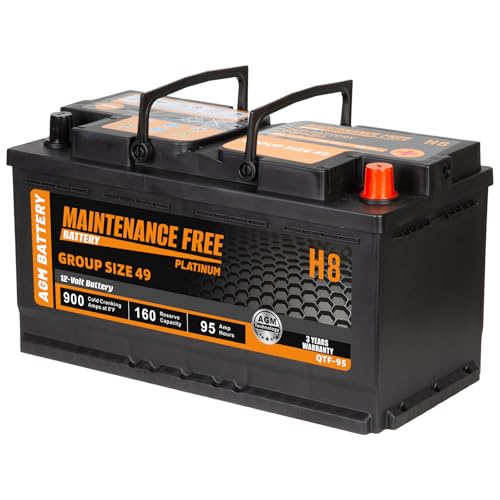
Group size refers to the physical dimensions, terminal layout, and mounting style of a battery. Every vehicle manufacturer specifies a group size (or a short list of acceptable sizes) in the owner's manual. A battery that does not match will not fit the tray or connect properly to the cables, no matter how good its specs look on paper.
Cold Cranking Amps (CCA)
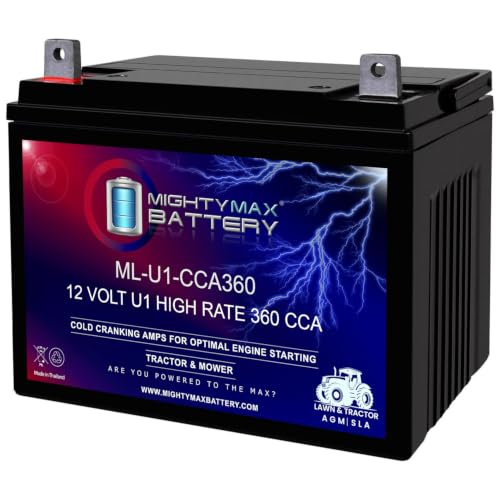
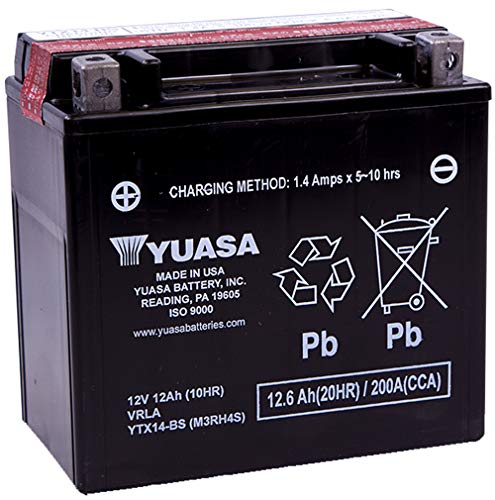
CCA measures how much current a battery can deliver for thirty seconds at zero degrees Fahrenheit while keeping voltage above a usable threshold. Higher CCA generally means an easier start in cold weather. Vehicles in northern climates benefit from batteries rated well above the manufacturer's minimum, while cars in warmer regions can get by with a lower figure.
Reserve Capacity (RC)
Reserve capacity tells you how long a fully charged battery can power essential accessories if the alternator fails. It is measured in minutes at a set discharge rate. A higher RC gives more of a safety margin if headlights get left on or the charging system develops a fault.
Battery Chemistry
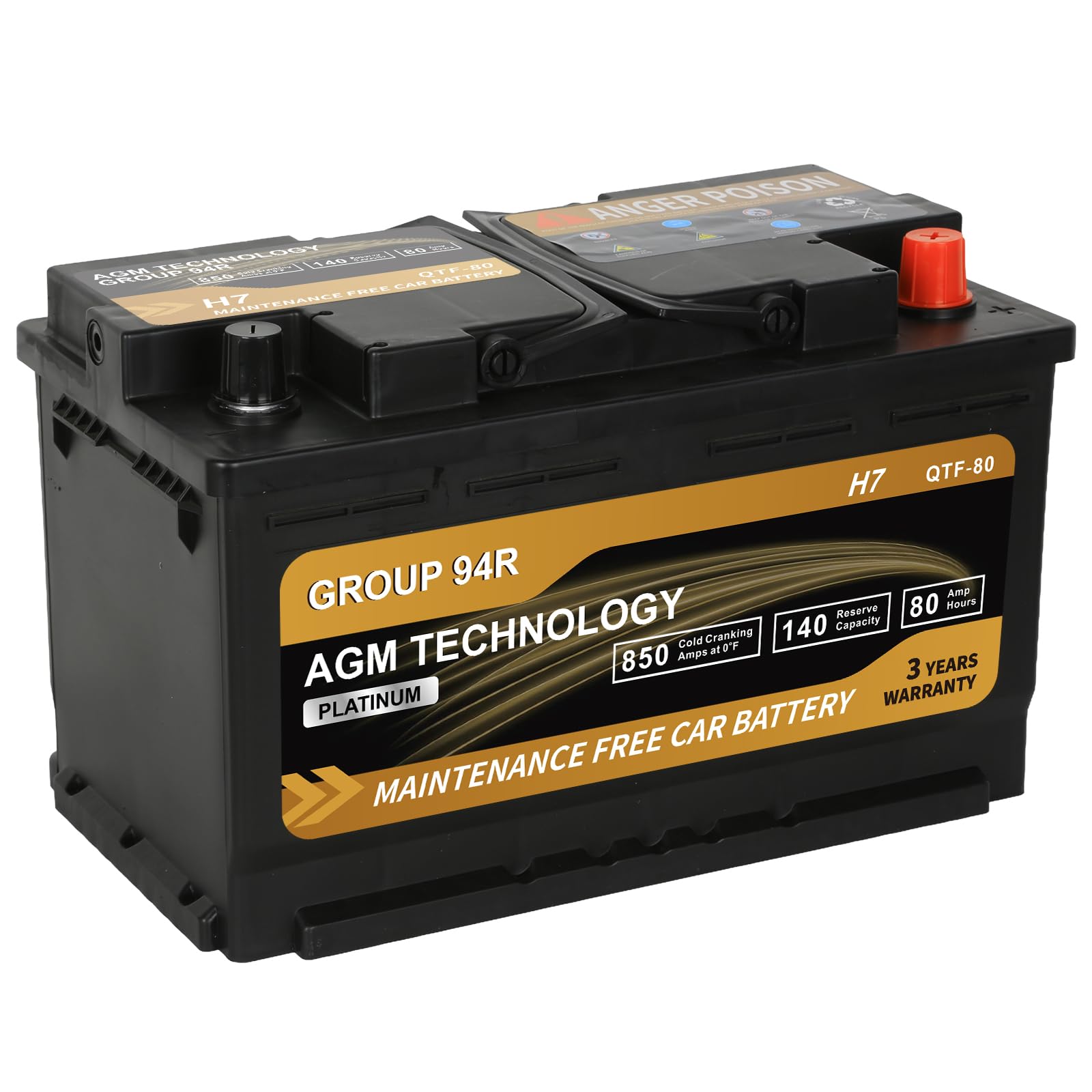
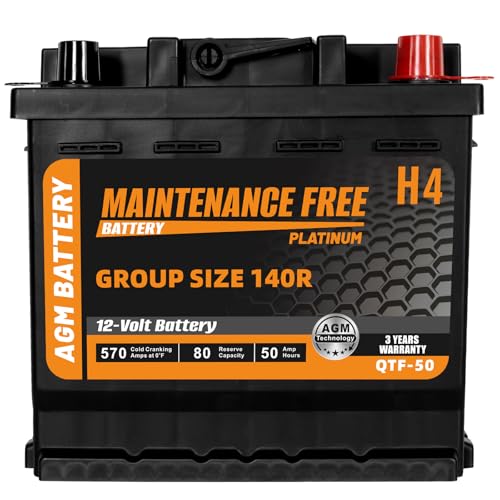
Budget-friendly options usually fall into one of two categories: standard flooded lead-acid or absorbent glass mat (AGM). Flooded batteries are the traditional choice and tend to be the cheapest, making them common in a car battery under $200 search.
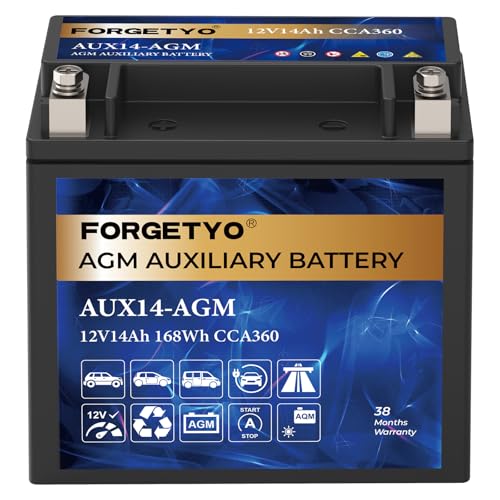
AGM batteries cost more but resist vibration damage, handle deep discharges better, and often last longer, which can make the extra cost worthwhile for vehicles with heavier electrical demands.
Warranty Length
A warranty is one of the clearest signs of how much confidence a manufacturer has in its own product. Free replacement periods commonly range from one to three years, with prorated coverage sometimes extending further. Shorter warranties are not automatically a dealbreaker, but they should factor into the overall value calculation.
Types of Batteries You Will Find in This Price Range
Most shoppers searching for a best car battery under $200 option will come across three general categories. Understanding the tradeoffs helps you avoid paying for capabilities your vehicle does not actually use.
- Flooded lead-acid: the most common and least expensive type, suitable for standard vehicles without heavy electrical loads.
- AGM (absorbent glass mat): spill-resistant, vibration-resistant, and better suited to vehicles with stop-start systems or extra accessories.
- Enhanced flooded batteries: a middle ground that improves on standard flooded designs without reaching full AGM pricing.
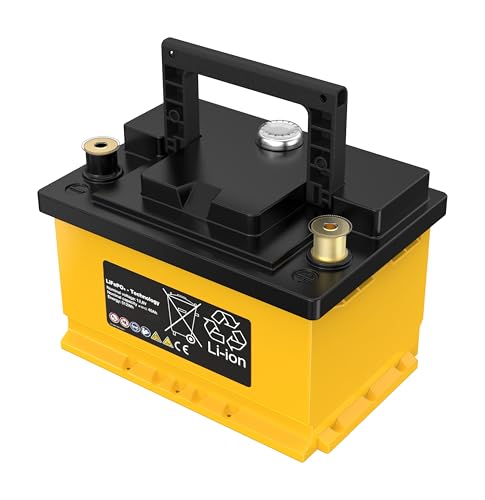
Lithium batteries exist too, but they rarely appear at this price point due to higher manufacturing costs. If a listing seems too good to be true for a lithium unit under $200, double-check the specifications before buying.
Matching a Battery to Your Vehicle
Every vehicle has different electrical demands based on its size, engine type, and the accessories it carries. A compact sedan with minimal electronics needs far less from a battery than a truck loaded with aftermarket lights, a winch, or a sound system.
Start by checking the owner's manual or the label on the old battery for the correct group size and minimum CCA rating. From there, consider whether the vehicle sits outside in extreme temperatures, gets driven daily, or spends long stretches parked. Vehicles that sit for weeks at a time benefit from a battery with strong reserve capacity, since self-discharge and phantom electrical draws will eat into the charge over time.
Vehicles with stop-start technology need an AGM battery specifically designed for repeated cycling. Installing a standard flooded battery in one of these systems usually leads to premature failure, since the technology relies on frequent partial discharges that flooded designs are not built to handle.
Related Post: Best Car Battery for Cold Weather
Getting the Most Life Out of a Budget Battery
A battery's lifespan depends heavily on how it gets treated after installation. Simple habits can add a year or more to a budget battery's service life.
- Keep terminals clean and free of corrosion buildup using a wire brush and a baking soda solution.
- Make sure the hold-down bracket is secure, since excess vibration shortens internal component life.
- Avoid letting the battery sit at a low charge for extended periods, especially during cold months.
- Test the charging system periodically to confirm the alternator is not overcharging or undercharging the battery.
- Limit short trips when possible, since they do not give the alternator enough time to fully recharge the battery.
Routine maintenance costs nothing but a few minutes, and it consistently prevents the early failures that give budget batteries an undeserved reputation for being unreliable.
Common Mistakes to Avoid
A few avoidable errors account for most premature battery failures in this price range. First, buying based on price alone without checking group size compatibility often leads to returns and wasted time. Second, ignoring the manufacture date on the battery label can mean starting off with a unit that has already been sitting on a shelf for many months, reducing its effective lifespan before it even gets installed.
Third, skipping a load test on the old battery before assuming it needs replacement sometimes means the real issue was a failing alternator or a parasitic drain, not the battery itself. Finally, choosing the lowest CCA rating a vehicle will technically accept, rather than a comfortable margin above it, can leave drivers stranded during an unexpected cold snap.
Frequently Asked Questions
Is a car battery under $200 reliable enough for daily driving?
Yes, as long as the group size, CCA, and reserve capacity match the vehicle's requirements. Reliability depends more on proper fit and maintenance than on price alone, so a budget battery can perform just as well as a pricier one when specifications line up correctly.
How long should a budget car battery last?
Most batteries in this range last between three and five years with regular use and basic maintenance. Climate, driving habits, and how often the vehicle sits idle all affect the actual lifespan, sometimes shortening or extending that window significantly.
Is AGM worth the extra cost over a flooded battery?
It depends on the vehicle. Cars with stop-start systems, heavy electronics, or frequent short trips benefit from AGM durability. Vehicles with simple electrical systems and normal driving patterns often do fine with a standard flooded option instead.
Does a higher CCA rating always mean a better battery?
Not necessarily. CCA matters most for cold-weather starting power, but reserve capacity and build quality also influence overall performance. Matching CCA to the vehicle's actual climate and needs is more useful than simply choosing the highest number available.