Best Budget Jump Starter for 2026: A Clear Buying Guide
Disclosure: We may earn a commission when you buy through links on this page, at no extra cost to you. As an Amazon Associate I earn from qualifying purchases. Learn more

New to jump starters? Learn peak amps, safety features, and vehicle fit in plain English, and choose the best budget jump starter with confidence.
A dead battery always seems to happen at the worst moment, in a dark parking lot or on a cold morning when you are already late. A portable jump starter lets you start the car yourself in a few minutes, with no second vehicle and no waiting for roadside help. If you are shopping for the best budget jump starter for the first time, this guide explains the terms in plain English and shows you what actually matters.
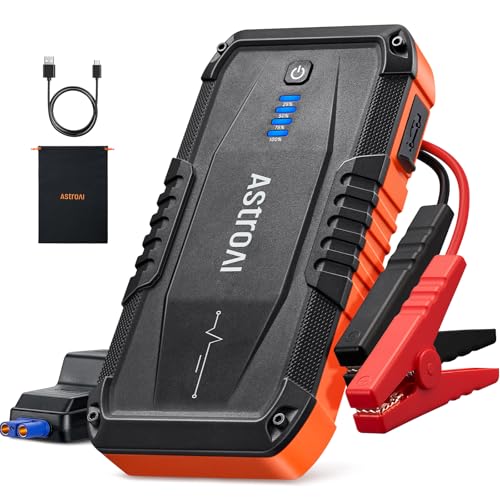
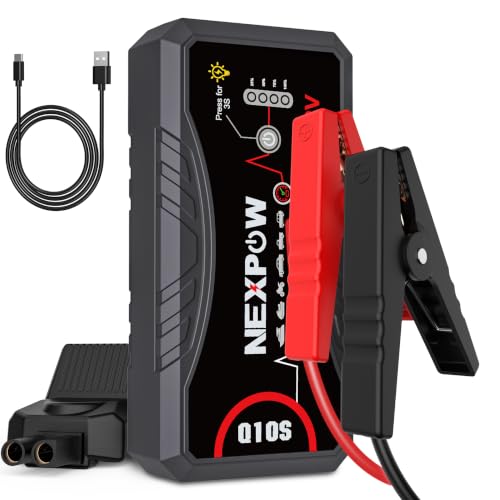
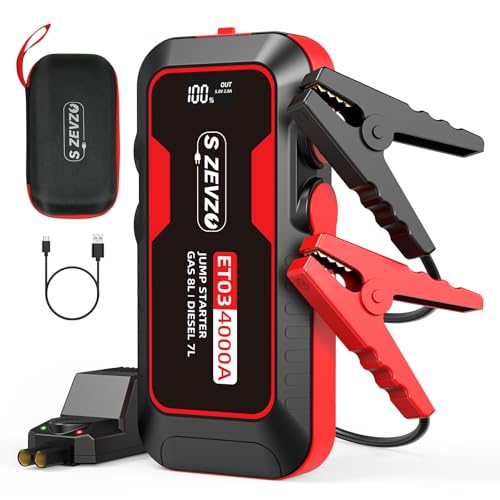
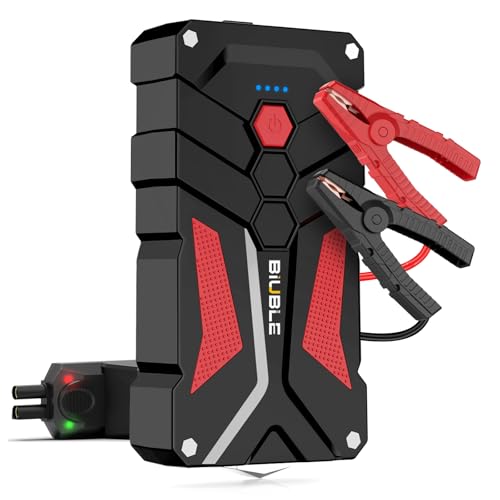
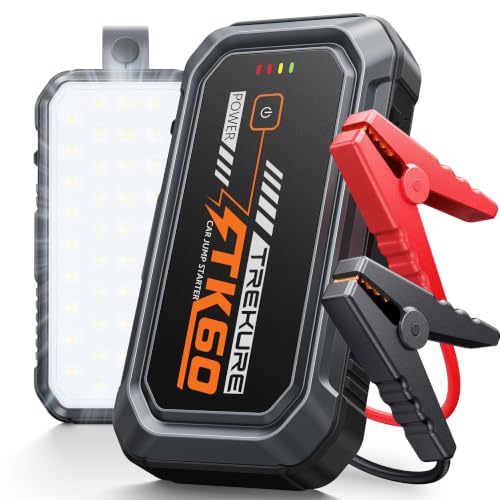
Budget models have become genuinely capable, and many will start a typical car many times on one charge. The comparison table below shows the main types side by side, and the sections after it walk through the specs, the safety features, and the mistakes first time buyers should avoid.




Jump Starter Basics for First Time Buyers
A jump starter is a battery pack with short cables and clamps that delivers a strong burst of power to a drained car battery, enough to turn the starter motor and start the engine. Once the engine runs, the car alternator recharges its own battery while you drive.
Modern budget units use lithium cells, so they are about the size of a large phone and live in your glove box or trunk. Most also double as a power bank for phones and include a small flashlight. The pack itself needs recharging every few months, which the care section below covers.
Key Specs Explained in Plain English
What You Can Realistically Get on a Budget
For about $40 to $80 you can expect a lithium pack that starts standard cars and small SUVs, a USB port for phone charging, and basic safety protection built in. What gets cut at this price is cranking power for large truck and diesel engines, premium extras like air compressors, and sometimes the quality of the carry case. Do not save money by choosing a pack with no listed safety protections, because that is the one area where budget shopping can go wrong. A slightly smaller pack from a maker that lists its protections clearly beats a huge claimed capacity with no safety detail.
Beginner Friendly Features That Matter
The features that help new users most are clear indicator lights, clamps that only spark when connected correctly, and instructions printed on the unit or case. Reverse polarity protection is the big one, since it warns you or shuts the pack down if the clamps land on the wrong terminals. Look for a boost button with a plain label for very flat batteries, and a display that shows remaining charge as a simple percentage. Short cables are normal on compact packs, so check that the clamps can reach both battery terminals on your vehicle before you buy.
Vehicle Compatibility
Compatibility depends on your engine size and fuel type more than on the car brand. Makers rate packs by the largest engine they can start, usually stated in liters for gas engines and a lower figure for diesel. A pack rated well above your engine size gives a margin for cold mornings, when batteries are weakest.
Check your owner manual for your battery location, because some cars place it in the trunk or under a seat and need longer cable reach. If you own two vehicles, size the pack for the larger engine so one unit covers both. For a wider look at vehicle focused models, see our guide to the best car jump starter range.
Performance Specs
Peak amps is the headline number, and it describes the maximum burst the pack can deliver for a very short moment. It is useful for comparing packs, but makers measure it differently, so treat very high claims on very cheap packs with some doubt. Cold cranking amps, shortened to CCA, is the rating used for car batteries themselves and matters less when choosing a lithium pack.
What predicts real success is matching the pack rating to your engine size with room to spare. A pack rated for engines up to 6 liters will start a 2 liter commuter car easily, even in winter.
Features and Extras
Most budget packs add a USB power bank function, and faster USB charging is worth having if you travel with phones and tablets. A built in light with a flashing mode helps during night breakdowns and doubles as a warning signal.
Some units add a 12 volt outlet for tire inflators or small inverters, which adds versatility for camping and road trips. App connections and wireless charging pads are premium options that raise the price without helping the pack start your car. For a first purchase, spend on cranking power and safety protection before extras. Shoppers who prefer a larger case and cable set can compare the best jump starter pack options instead.
Rookie Mistakes to Avoid
- Buying by peak amps alone, which can lead you to a huge claimed number on a pack that is not rated for your engine size.
- Skipping reverse polarity protection, which removes the safety net that protects you when clamps are attached the wrong way around.
- Leaving the pack uncharged for a year, since lithium packs slowly lose charge and may be flat on the one day you need them.
- Trying to start a battery that is cracked, leaking, swollen, or frozen, which is unsafe and calls for a replacement battery and a qualified technician instead.
- Storing the pack where children can play with it, since clamps and cables are not toys and the pack stores real electrical energy.
Getting Started: Setup and First Use
Start by charging the pack fully at home, then read the short manual so the indicator lights make sense before an emergency. Keep the pack and its clamps together in the case, stored in the vehicle where you can reach them with a dead battery and locked doors in mind.
When you use it, switch the vehicle and the pack off before connecting anything, then attach the red clamp to the positive terminal and the black clamp to the negative terminal or a ground point, following the maker polarity guidance exactly. Wait for the ready light, start the engine, then remove the clamps in reverse order. If anything looks damaged or you feel unsure at any step, stop and call a qualified technician instead.
Your Jump Starter Questions Answered
What makes a jump starter beginner friendly?
A jump starter is beginner friendly when it protects you from the most common errors and explains itself clearly. Reverse polarity alarms, spark proof clamps, and a simple charge display remove most of the stress from a first jump start. Short, plainly written instructions stored with the unit matter too, because few people remember steps they read months earlier. If a listing does not mention safety protections at all, treat that silence as a warning sign and choose a different pack.
Which jump starter specs matter most for a first purchase?
The specs that matter most are the engine size rating, the safety protection list, and the recharge interval the maker recommends. Match the engine rating to the largest vehicle you will use it on, with margin for cold weather.
Peak amps help compare similar packs but should never be the only number you trust. A clear percentage charge display is a small spec that pays off every time you check the pack. Everything else, from lights to USB ports, is secondary to starting power and protection.
Will a budget jump starter work with my vehicle?
A budget jump starter will work with your vehicle if its engine rating covers your engine size and fuel type. Most budget packs handle gas engines up to about 5 or 6 liters, which includes nearly all sedans, hatchbacks, and small SUVs. Large diesel trucks sit outside that range and need a stronger pack. Confirm your engine size in the owner manual if you are unsure, and remember that a very old or failed battery may not accept a jump at all, no matter how strong the pack is.
How long does a budget jump starter last?
A budget jump starter typically holds a useful charge for about three to six months in storage, which is why makers advise a top up charge every three months or so. The pack itself can last several years if it is kept away from extreme heat and recharged on schedule. Each jump uses only part of the charge, so a healthy pack can usually start a car several times before it needs recharging. If the pack swells, smells odd, or stops holding charge, retire it and recycle it properly rather than keeping it in the car.
Does a jump starter need professional installation?
No, a portable jump starter needs no installation at all, because it connects only when you use it and stores in its case the rest of the time. That portability is the main advantage over older booster cables, which need a second vehicle. You do need to follow the connection order in the manual and keep the vehicle switched off while attaching clamps. If your battery fails repeatedly, the problem is the battery or the charging system, and a qualified technician should diagnose it rather than relying on repeated jumps.
Final Thoughts
For a first purchase, match the pack to your engine size, insist on reverse polarity protection, and commit to recharging it every few months. Those three habits matter more than any premium extra, and the product table above can help you compare capacity and features once you know your engine rating. Shoppers comparing related guides may also find our overview of the best rated jump starter useful for context on higher priced options.
Keep the pack away from children, never use it on a damaged or frozen battery, and ask a qualified technician when anything feels uncertain. Chosen that way, the best budget jump starter is a small, calm insurance policy that lives quietly in your trunk until the morning it saves your day.