
Best Car Amps: Channels, Power and Fit Guide for 2026
Disclosure: We may earn a commission when you buy through links on this page, at no extra cost to you. As an Amazon Associate I earn from qualifying purchases. Learn more

How to choose the best car amps: channels, RMS power, wiring and fit, so your speakers and subwoofer get clean power at any volume.
A car amplifier gives your speakers clean power so music stays clear when you turn it up, and the best car amps match the speakers you own instead of simply advertising the biggest wattage number. This guide explains channels, power ratings, and sizing, so you can pick an amp that fits your speakers, your trunk space, and your car electrical system. Use the product table above to compare current models once you know which type you need.
Factory radios usually deliver modest power, and speakers can sound thin or distorted at higher volume. An aftermarket amp adds headroom, which means louder, cleaner sound with less strain on the speakers, plus control over bass and treble through built-in filters.

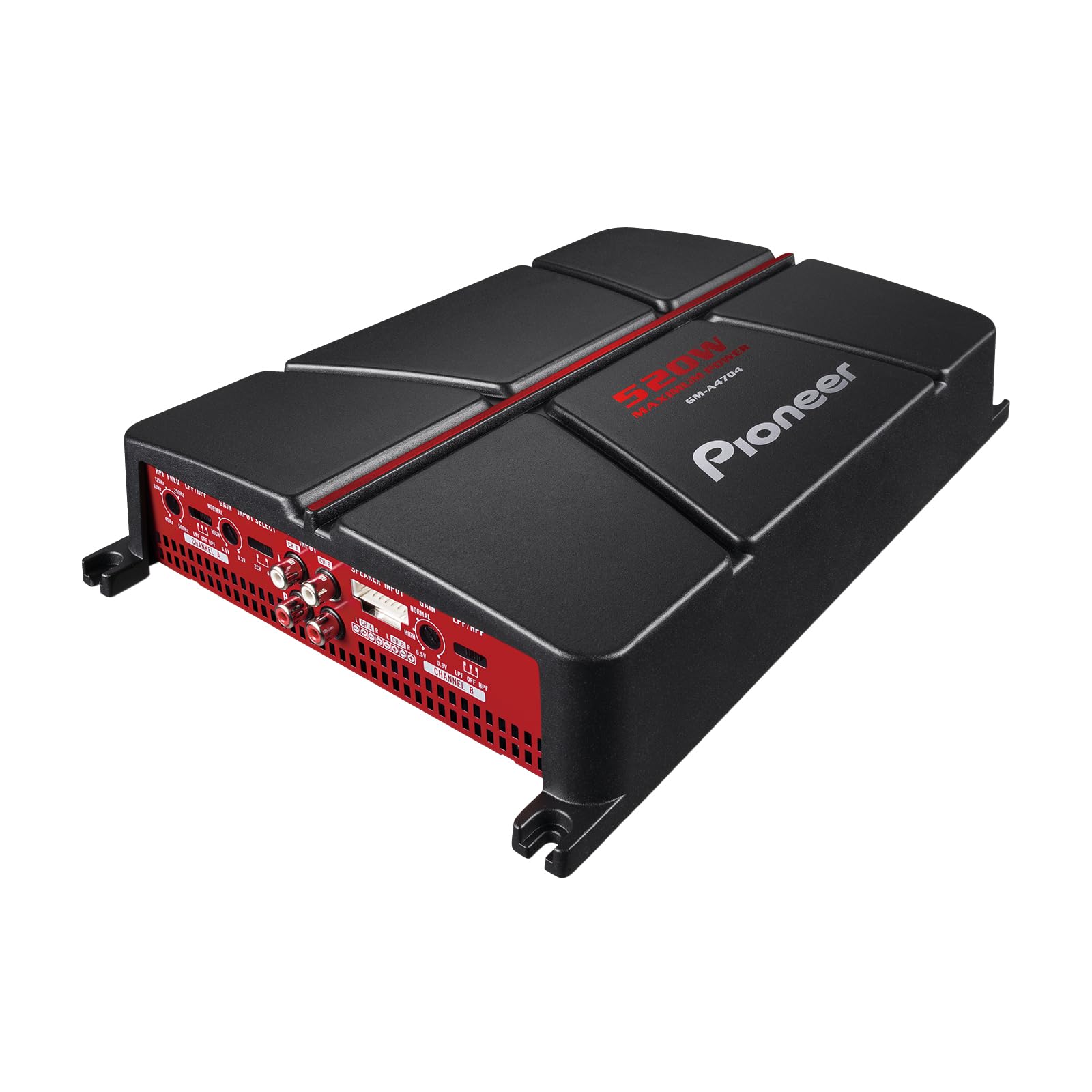


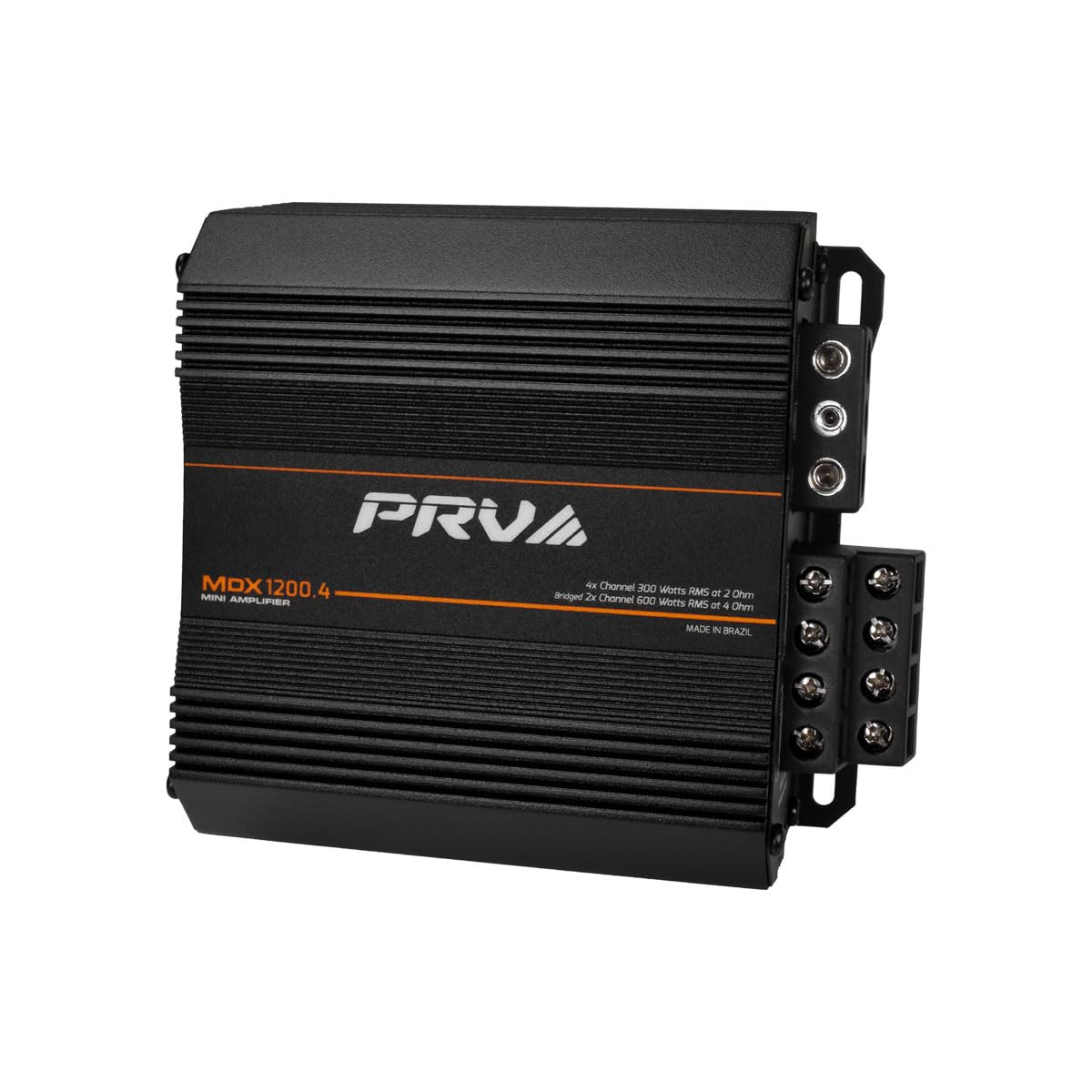

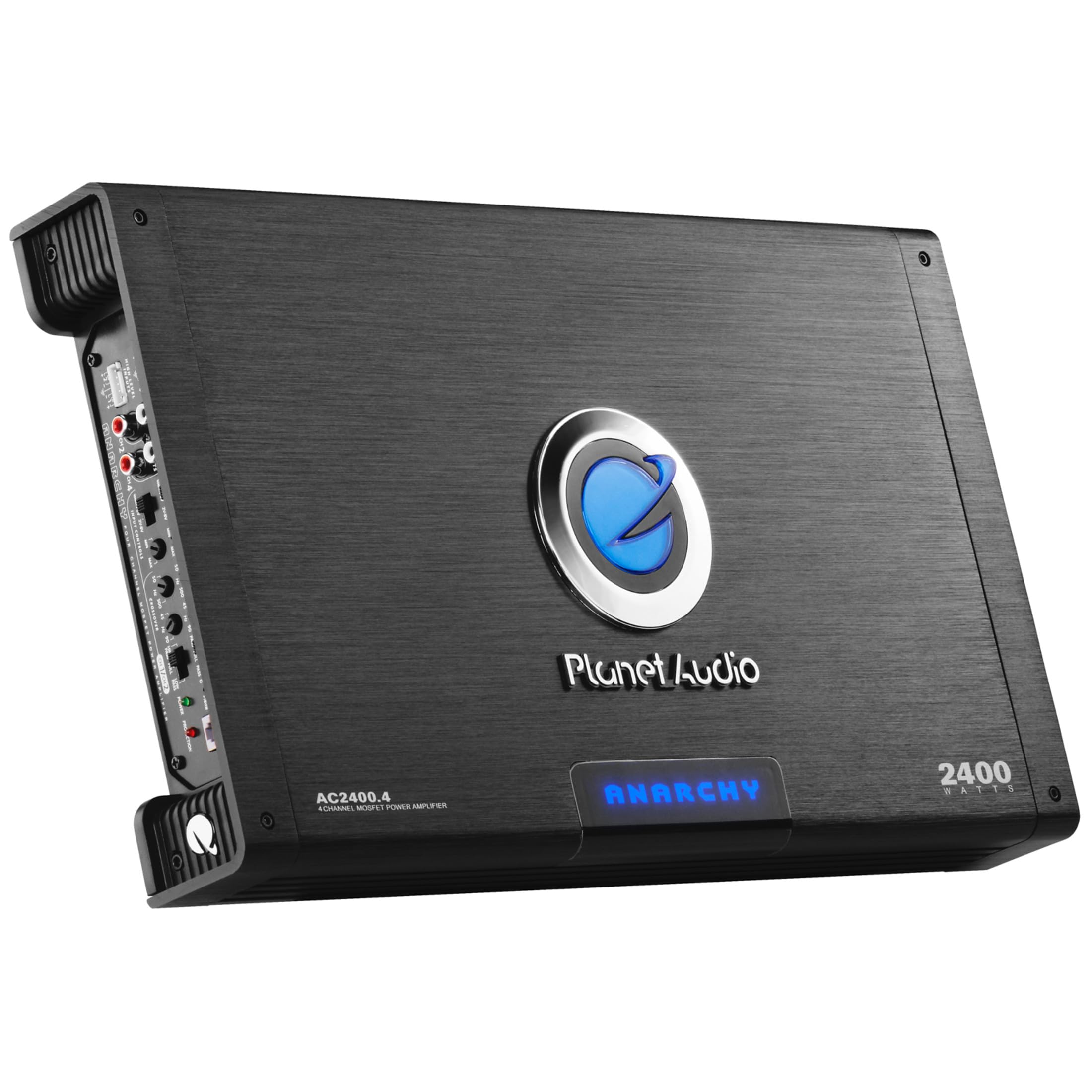

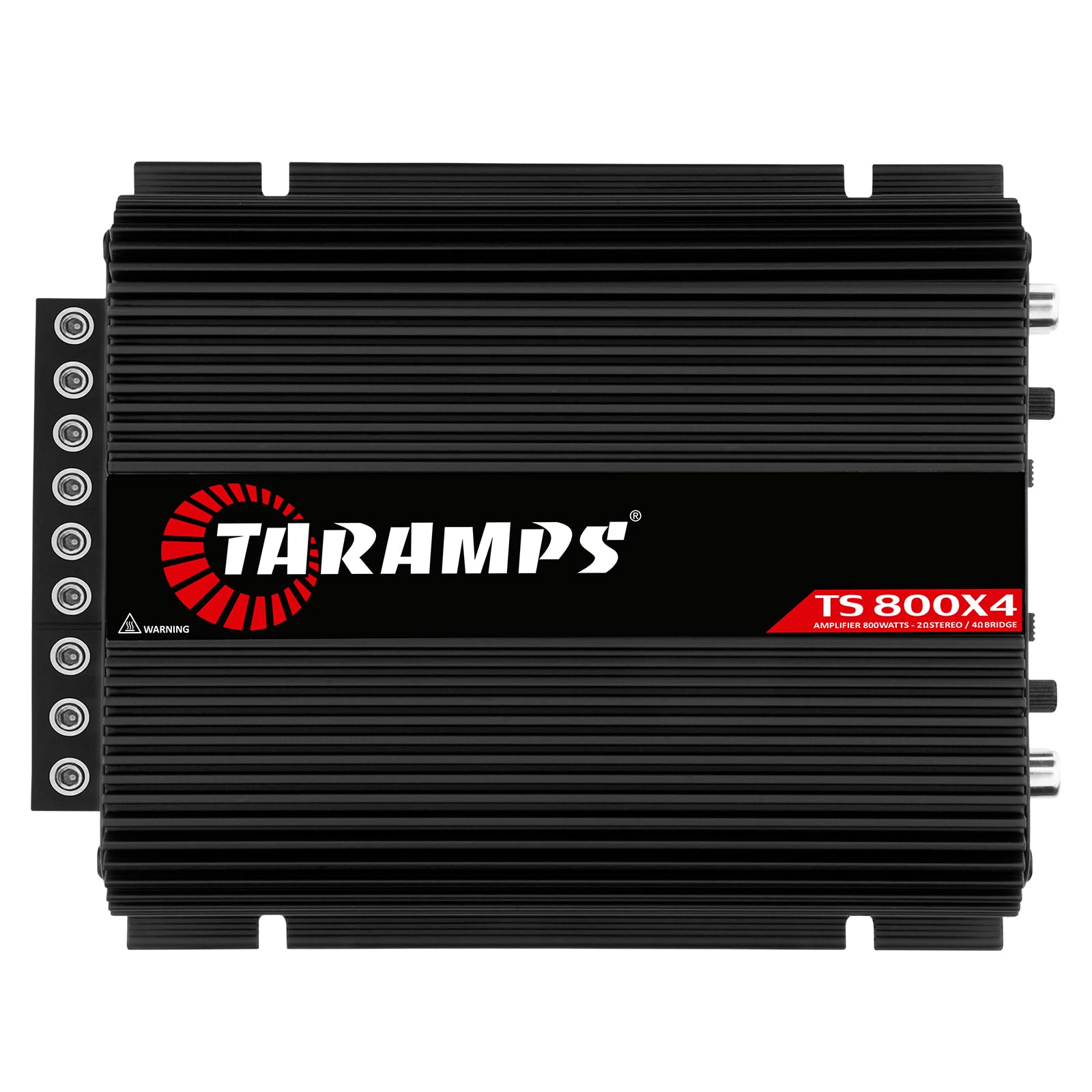
Car Amp Types and Channels
Monoblock Amps for Subwoofers
A monoblock (one channel) amp is built to drive a subwoofer. It is usually a Class D design, which runs cooler and wastes less power as heat, and it includes a low-pass filter and a bass boost control. Match its power at the final speaker impedance to the subwoofer rating.
Two-Channel Amps
Two-channel amps power one pair of speakers, often the front stage, or can be bridged to drive a single sub. They suit simple upgrades where you only want better sound from your main speakers.
Four-Channel Amps
The most flexible choice for most cars. A four-channel amp powers front and rear speakers, or runs the front pair on two channels and bridges the other two into a small subwoofer. It is the usual answer when you want a full-system upgrade from one box.
Five-Channel Amps
These combine four speaker channels and a mono channel for a subwoofer in one chassis, which saves wiring and space. They suit owners building a complete system who want to mount a single compact amp.
How to Read Power Ratings
Look for RMS power, the continuous output, rather than peak or max power, which is a short burst figure and often inflated. Check the RMS rating at the impedance you will actually use, usually 4 ohms for speakers, with some amps rated for 2 ohms or bridged loads. A good rule is to choose an amp whose RMS power per channel falls near the speaker RMS rating. Slightly more amp power than the speaker rating is safer than less, because a weak amp driven to clipping can damage speakers faster than a strong one played cleanly.
Features Worth Paying For
- Class D design for efficiency and cooler running, or Class A/B for a traditional warm sound.
- Adjustable high-pass and low-pass filters to send the right frequencies to each speaker.
- Speaker-level inputs, which let you connect to a factory radio without a separate adapter.
- Remote bass knob for fine-tuning subwoofer level from the driver seat.
- Protection circuits against overheating, short circuits, and low voltage.
Fit, Wiring and Electrical System
Measure the space where the amp will sit, such as under a seat, behind a panel, or in the trunk, and leave room for airflow around the heat sink. Choose a power wire gauge that suits the amp current draw and length of run, and fit a fuse close to the battery. A larger amp can strain a stock alternator and battery, so a bigger system may need a stronger battery or a capacitor. Install a proper ground to bare metal with a short wire, since a poor ground causes hum and heat.
If wiring feels unfamiliar, have a professional install it. Disconnect the battery before working, and avoid routing power cables near airbag wiring or sharp edges.
Setting Gain and Crossovers
Gain matches the amp input to the output of your head unit. It is not a volume knob, and turning it up too far makes the amp clip, which causes harsh sound and can burn out speaker voice coils. Set the gain with the head unit at about three quarters of its maximum volume, raising the amp gain until you just hear distortion, then back it off a little.
Crossovers split the sound so each speaker handles what it does best. A high-pass filter on door speakers, often set near 80 Hz, keeps deep bass away from small cones, while a low-pass filter on the subwoofer amp keeps it from playing vocals. Start with those figures, then adjust by ear with music you know well. Small changes make a large difference, so move one control at a time and keep notes of your settings.
What Amps Cost
Entry-level amps start under about $100, with mid-range four-channel and monoblock models around $150 to $300. Premium amps from specialist brands cost more and offer cleaner sound, better build, and more reliable power ratings. Wiring kits, fuses, and installation can add noticeably to the total, so budget for the whole system rather than the amp alone.
Common Mistakes
- Buying on peak watts instead of RMS power.
- Pairing a big amp with small speakers rated far below its output.
- Skimping on wiring, which wastes power and can be a fire risk.
- Mounting the amp where it cannot get airflow and overheats.
- Setting the gain as a volume knob instead of matching it to the head unit output.
Related Speaker Guides
If you are choosing speakers at the same time, our guides to the best car speakers with an amp, car speakers that work without an amp, and car speakers for bass without an amp explain how amp and speaker choices fit together.
Car Amplifier FAQ
Do I need an amp for my car speakers?
Not always. Many aftermarket speakers run well from a head unit, but an amp adds clean power, lower distortion at volume, and better bass control. It matters most for subwoofers and for speakers with higher power needs.
What is the difference between RMS and peak power?
RMS is the power an amp can deliver continuously. Peak or max power is a brief burst number that is often much higher. Use RMS to match amps with speakers.
Can I install a car amp myself?
Many people do, with a wiring kit, basic tools, and patience. If you are unsure about running power cable or grounding, get a professional install.
How many channels do I need?
Choose two channels for a pair of speakers, four for front and rear speakers, a monoblock for a subwoofer, or five channels to cover everything with one amp.
Will an amp drain my battery?
An amp draws current only while playing music at volume. A larger system can strain a weak battery or alternator, so an upgraded battery may help. Avoid playing loud music with the engine off for long periods.
Final Thoughts
Match the number of channels to your speakers, compare RMS power rather than peak, and plan the wiring and mounting space before you buy. The best car amps are the ones that fit your system and your car, so use the product table above to compare your shortlist and choose with confidence.


